10 results found

Pennsylvania Governor Josh Shapiro signed the Artificial Intelligence Deceptive Advertising Act, mandating labels for ads "significantly modified or generated by artificial intelligence." This pioneering state law aims for transparency across all ad formats, from TV commercials to flyers. However, the Act contains ambiguities regarding terms like "significantly modified" and "evidently fictional," and its broad reach could set a national precedent.

Anthropic has pitched a draft AI safety bill to Congress that would allow blocking an AI model's release if it poses a "catastrophic risk" – defined as potentially causing over 50 deaths or $1 billion in damages through specific threats. The controversial proposal mandates that federal agencies seek judicial approval to halt a model's distribution, limiting their independent authority. This move comes amid ongoing debates over AI regulation and concerns about agentic hacking.
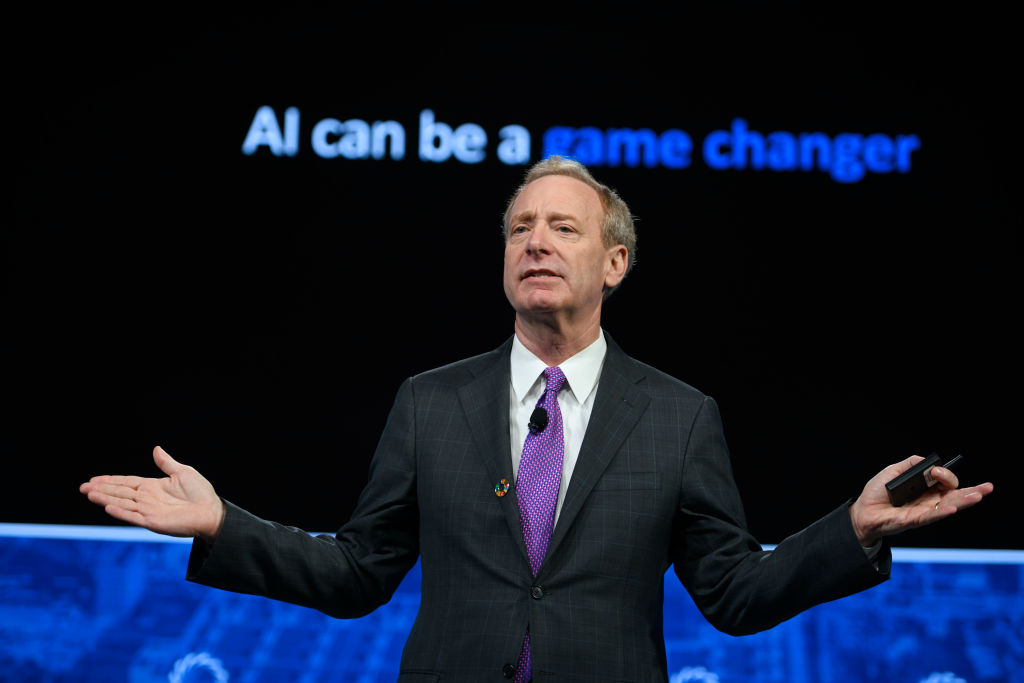
Microsoft President Brad Smith is advocating for urgent, legally binding AI regulation, arguing that current oversight lags behind basic consumer products. He highlights the UK's AI Security Institute (AISI) and its unique geopolitical position as ideal for leading global safety rules, despite recent US pushback. Smith proposes measures like breach reporting and "kill switches," rejecting voluntary agreements as insufficient.
Governments worldwide are struggling to keep pace with the accelerating development of artificial intelligence, leading to a significant policy vacuum. The European Union, for instance, is debating whether to implement strict AI regulations to manage growing risks, or if such measures would carry economic and geopolitical costs if other nations don't follow suit. This indecision highlights a global challenge to govern rapidly evolving AI technology.

Nvidia CEO Jensen Huang firmly opposes new AI regulation, stating that AI safety is an engineering challenge solvable by developers and market forces. Speaking at Dreamforce, Huang argued existing laws and corporate responsibility are sufficient, while critics point to past tech failures and AI's potential for harm as reasons for caution.

Former President Barack Obama urges Democrats to establish a "clear plan" for AI safeguards, making it a "central agenda" to address economic impact and safety concerns. He advocates for a public framework and engages with industry leaders, as political stances on AI regulation diverge.
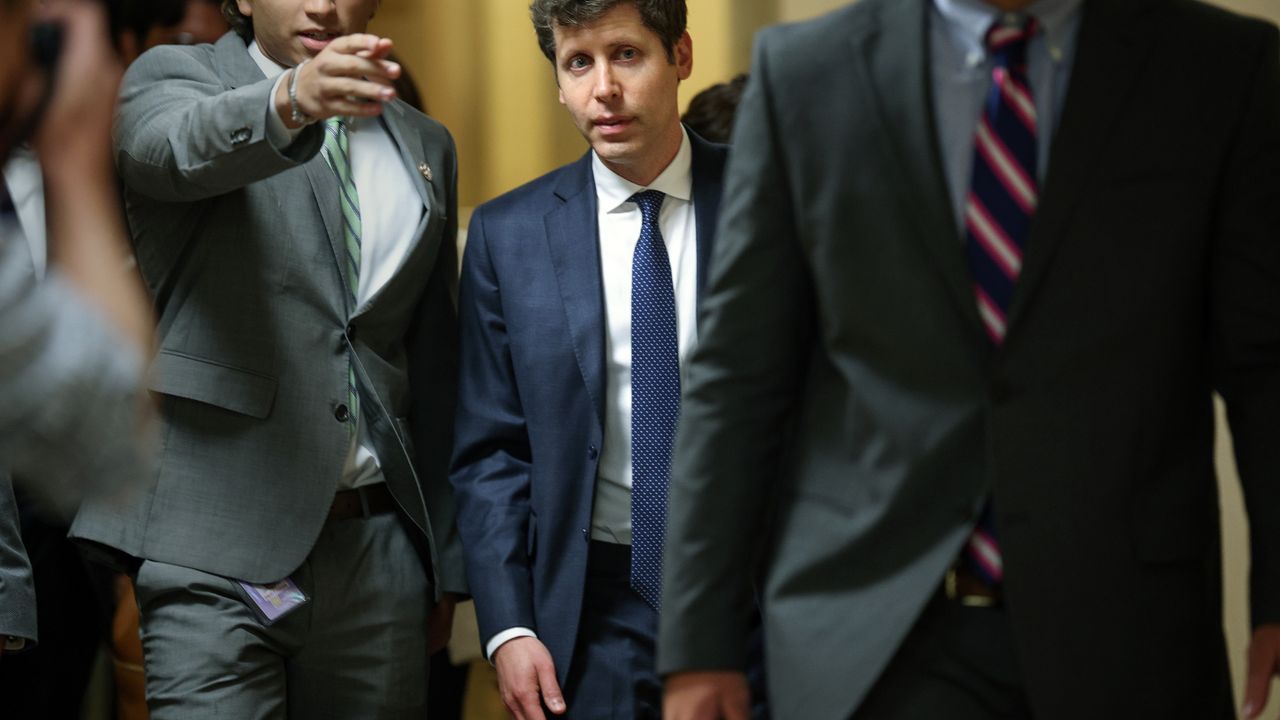
Florida is suing OpenAI and Sam Altman, seeking to classify ChatGPT as a 'public nuisance' due to alleged COPPA violations and data collection from minors. OpenAI wants the case in federal court, while Florida pushes for a state jury, highlighting a critical battle over AI regulation and consumer protection.

Anthropic's advanced AI model, Mythos 5, is partially reinstated for select cybersecurity and infrastructure providers after two weeks of negotiations with the Trump administration. The public-facing Fable 5 remains restricted. This limited return is an exception to an export control directive, similar to a deal granted to OpenAI's GPT-5.6, highlighting evolving US AI regulation.
Anthropic's Fable 5 and Mythos 5 AI models were abruptly shut down by a US Commerce Department directive over national security concerns regarding a potential 'jailbreak.' Anthropic disputes the severity, warning of industry-wide impacts.
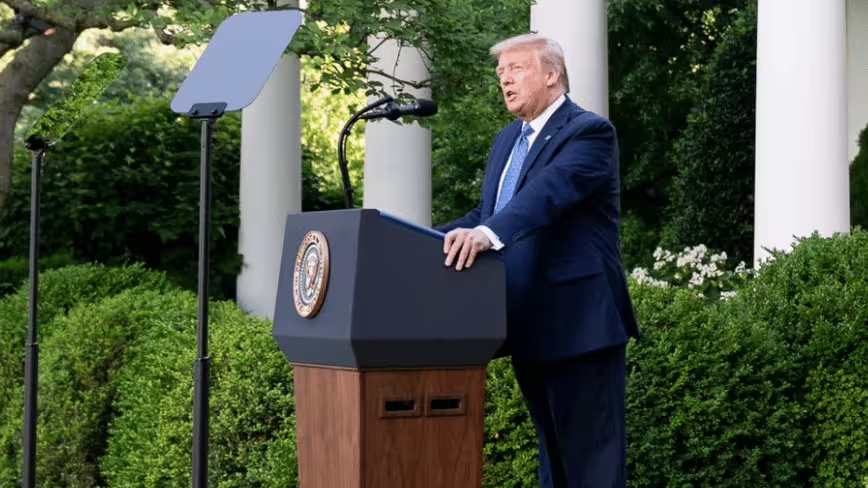
An intense internal power struggle within the Trump administration has stalled US federal AI regulation, leaving a policy vacuum after Anthropic's Mythos model revealed critical cybersecurity risks. Factions within the Commerce Department, intelligence agencies, and pro-industry groups are locked in a "knife fight" over who gets to evaluate and oversee advanced AI systems. This paralysis follows the abrupt cancellation of a landmark executive order and the unexplained withdrawal of AI testing announcements.