19 results found

Jeff Bezos has joined a consortium acquiring a minority stake in Liverpool FC, while a former Meta AI director launched Noosphere Labs, a physical AI startup with $10.25 million in funding. Simultaneously, supply chain company Auger moved its HQ from Seattle to Dallas, and Microsoft retired its Mico AI blob as it consolidates Copilot into a "Super App." These events reflect significant shifts in tech investment, AI development, and regional tech ecosystems.

GeekWire's "Week in Review" for Aug 2, 2026, offers a concise, Seattle-centric tech news digest. Excellent for regional insights, it's dominated by layoff stories, C-suite moves, and AI developments, with a noticeable presence of sponsored content. Recommended for PNW tech enthusiasts.

Learn to assess Meta's new Muse Code AI agent, covering its core functionalities, unique pricing structure, and how it measures up against established rivals for your development needs.

OpenAI CEO Sam Altman held extensive meetings in Washington, D.C., to preview a groundbreaking AI system featuring "agents" capable of complex task division and economic transformation. This lobbying blitz comes amid heightened regulatory scrutiny and follows recent government interventions in AI development, as the administration prepares to unveil new AI guidelines.

This article explores how Neural Machine Translation (NMT), powered by the Transformer architecture, revolutionized translation by understanding context. We then delve into QVAC, a local-first AI development platform, and its Bergamot engine, enabling private, on-device translation. Learn to set up a React Native app with QVAC and manage model lifecycles for efficient local translation.

Hugging Face CEO Clem Delangue explains why companies are abandoning proprietary AI APIs for open-source models. Driven by escalating costs and a desire for greater control, this shift highlights a critical moment in AI development and competition. This move fosters decentralization and broadens access to advanced AI tools.

The world of AI development is rapidly evolving, with a growing focus on autonomous agents capable of performing complex tasks. As developers, many of us have explored various agent "harnesses" – frameworks designed to

OpenAI has publicly launched its advanced AI model, GPT-5.6 Sol, known for its cybersecurity capabilities. This launch proceeds despite the Trump administration's earlier request to restrict access to government-approved partners, with the White House now stating its engagement with AI companies is voluntary. The move signals a complex interplay between rapid AI development and evolving government oversight.

AI infrastructure firm CoreWeave has doubled its Bellevue office space to 36,000 square feet, signifying a major expansion of its engineering hub. This move highlights Bellevue's accelerating emergence as a premier AI development center in the Seattle region, attracting significant investment and talent. The company's growth reflects the broader trend of AI leaders converging on the Eastside.

Anthropic announced Monday it has acquired Stainless, a dev tools startup whose SDK automation software is widely used by rivals like OpenAI, Google, and Cloudflare. This strategic acquisition will see Anthropic wind down Stainless's hosted products, granting it exclusive access to critical technology for building AI agents and impacting competitors.

Anthropic's new `/goals` feature for Claude Code revolutionizes AI agent reliability by separating task execution from goal evaluation. This prevents agents from prematurely ending tasks, using a dedicated evaluator model to ensure specified conditions are fully met before declaring completion. The innovation offers a more robust, auditable approach to AI agent deployment.
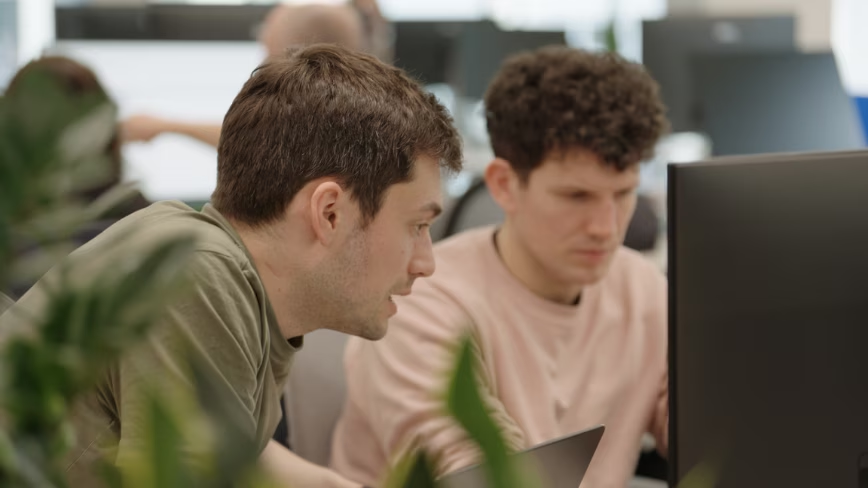
AI coding tools have fundamentally altered software development economics, making building code faster and cheaper than extensive planning. This shift has moved the bottleneck from execution to strategic judgment, requiring engineers and leaders to prioritize problem identification, design, and rapid iteration. Companies like Synthesia are pioneering new development models focused on speed of learning over sheer code output.

Hidden "system prompts" invisibly guide AI chatbot behavior, overriding user input and revealing company priorities. These secret instructions dictate everything from chatbot personality to content restrictions, influencing responses on platforms like ChatGPT and Grok. Understanding them helps users customize interactions and highlights the ongoing need for transparency in AI development.

Elon Musk has initiated a high-profile lawsuit against OpenAI, alleging that the company, under Sam Altman's leadership, betrayed its founding nonprofit mission by converting to a for-profit model. Court proceedings are already heating up with the emergence of emails, texts, and Musk's tweets, setting the stage for a contentious legal battle with significant implications for the future of AI development.
The concept of sovereign AI aims to prevent any country from being left behind in the AI revolution by ensuring national control over AI data, models, and infrastructure. Key challenges include significant infrastructure constraints like power, cooling, and scarce hardware, which lead to regional disparities. This vision relies on extending Kubernetes for robust orchestration and integrating the PyTorch Stack for flexible AI development, enabling countries to build independent and secure AI ecosystems.
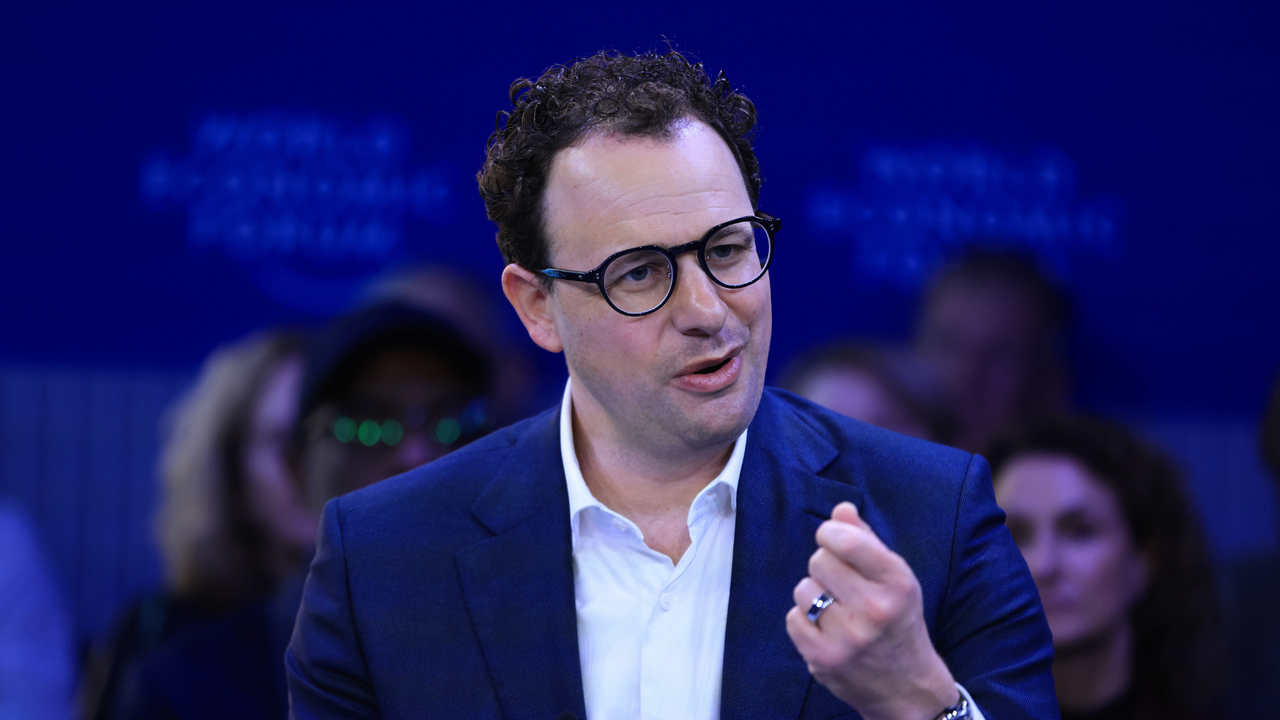
U.S. judge sides with Anthropic, temporarily blocking the Pentagon from branding the AI company a "supply chain risk" after it refused to lower guardrails for military use, citing ethical concerns over mass surveillance and autonomous weapons. This ruling is a significant win for tech autonomy and ethical AI development.
Meta has postponed the release of its new foundational artificial intelligence model, code-named Avocado, from March to at least May 2026. The delay stems from internal tests indicating the model underperformed compared to leading A.I. models developed by rivals such as Google, OpenAI, and Anthropic. This setback comes despite Meta's substantial investment in the competitive A.I. landscape.

Peter Steinberger, creator of the viral AI agent OpenClaw, suggests a "playful" approach is a superior method for learning AI coding. His insights, shared via TechCrunch AI, emphasize that this mindset can enhance the development and understanding of artificial intelligence, making the learning process more effective for AI builders.
OpenAI is making a major move into India, partnering with Tata for an initial 100MW AI data center capacity with a long-term goal of 1GW. The AI giant also plans to open new offices in Mumbai and Bengaluru later this year, signaling a deep commitment to India's tech landscape and talent pool. This expansion is set to significantly boost AI development and adoption in the region.
