
YouTube Enhances Podcasts with AI Recommendations, Auto Speed
YouTube announced on Thursday a significant expansion of its podcast capabilities, introducing a suite of new features aimed at enriching the listener experience for Premium users. The updates include an AI-powered

YouTube announced on Thursday a significant expansion of its podcast capabilities, introducing a suite of new features aimed at enriching the listener experience for Premium users. The updates include an AI-powered recommendation tool, an innovative “Auto speed” setting, and a dedicated on-the-go listening mode, signaling YouTube's intensified efforts to capture a larger share of the booming podcast market.
This strategic move positions the Google-owned platform in direct competition with established audio-first apps like Spotify and Apple Podcasts, while also responding to rivals like Netflix, which is heavily investing in video podcasts. By prioritizing personalized discovery and hands-free listening, YouTube appears to be targeting a broader audience seeking both visual and auditory content.
AI-Powered Discovery and Personalization
Building on its existing “Ask Music” feature, which generates personalized radio stations and playlists for Premium users, YouTube is now extending similar AI capabilities to podcasts. Listeners will receive tailored podcast recommendations based on their preferred genres, current mood, or shows they already enjoy, promising a more intuitive and personalized discovery process for new content.
Intelligent 'Auto Speed' for Enhanced Efficiency
One of the standout new features is “Auto speed,” designed to optimize listening efficiency without compromising comprehension. This intelligent tool dynamically adjusts playback speed during segments of slower speech or when hosts deliver information-dense content. While users can manually alter playback speed, Auto speed offers a seamless and consistent experience, adapting to varying speaking rates and tonal changes throughout a conversation.
This functionality is currently available for Premium users on Android devices, with a rollout for iOS expected in the coming months.
Streamlined On-the-Go Listening
For users who listen while active or multitasking, YouTube is introducing a new on-the-go mode. This feature provides Premium users with listener-friendly controls, perfect for activities such as running, commuting, or managing other tasks. Users will gain quick access to essential controls like skipping forward or backward through content, or easily jumping to the next episode, enhancing the utility of background playback.
Like Auto speed, the on-the-go mode is now accessible to Premium users on Android, with an iOS launch anticipated in the months ahead.
YouTube's Ambitious Podcast Strategy
These new features underscore YouTube's commitment to strengthening its presence in the competitive podcast landscape. The company aims to both retain its existing audience and attract new listeners by improving usability and personalization. YouTube reported that Premium users collectively watched over 800 million hours of podcasts in April 2026, and the platform currently boasts over 1 billion monthly active users for YouTube Podcasts.
By enhancing the core listening experience and making content more accessible and engaging, YouTube is clearly signaling its ambition to become a dominant player in the podcast space, offering a robust platform that caters to diverse listener needs across both video and audio formats.
FAQ
Q: Who can access these new podcast features from YouTube?
A: The new AI recommendation tool, 'Auto speed' setting, and on-the-go listening mode are currently available for YouTube Premium users.
Q: What is the primary benefit of the 'Auto speed' feature?
A: The 'Auto speed' feature intelligently adjusts podcast playback speed during slower speech or information-dense segments to create a more streamlined listening experience without sacrificing comprehension.
Q: When will the 'Auto speed' and on-the-go mode be available for iOS users?
A: While 'Auto speed' and on-the-go mode are now available for Premium users on Android, they are expected to roll out to iOS in the coming months.
Related articles
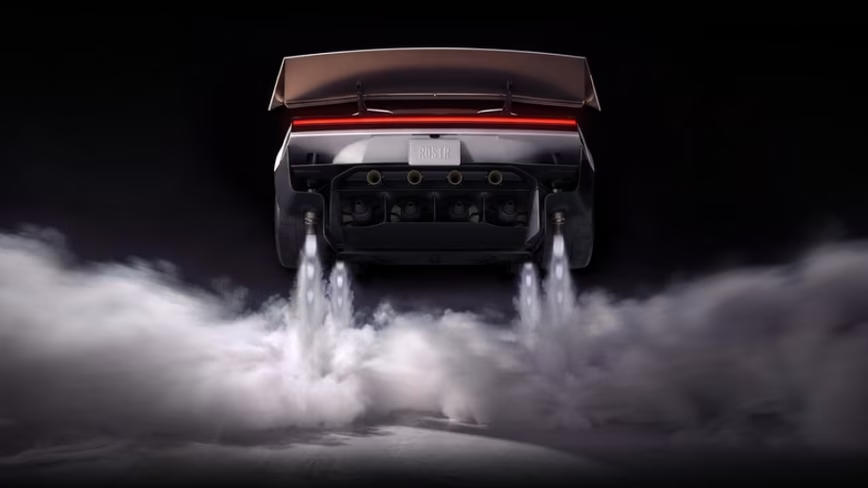
Tesla Unveils Thruster-Equipped Roadster, 2028 Production Targeted
Tesla has unveiled its second-generation Roadster, featuring cold-gas thrusters co-developed with SpaceX, enabling it to jump and flip. The electric sports car demonstrated 0-60mph in an astonishing 0.81 seconds, with production targeted for 2028. This highly anticipated reveal also serves as a key recruitment tool for Tesla's ambitious AI and robotics initiatives.

AI's Confidence vs. Formal Methods' Rigor: Design Flaws & Verification
While AI accelerates code generation, formal methods remain critical for ensuring system correctness. Languages like TLA+ and tools like Quint enable developers to model and verify system designs before coding, catching subtle flaws. Quint makes formal methods more accessible with developer-friendly syntax and executability. This approach is vital for verifying AI-generated code through trace validation and model-based testing, ensuring reliability against real-world data.

Amazon Prime Video Launches AI-Powered Prime 360 for NBA Coverage
Amazon Prime Video is elevating its NBA coverage with the introduction of Prime 360, an AI-powered replay system offering immersive, 'fly through' views of the action. Kicking off its second season, Prime Video also adds Yahoo fantasy integration and gains exclusive Eastern Conference Finals rights, expanding its tech-driven sports broadcast. The new features aim to deliver a unique and interactive viewing experience for basketball fans.
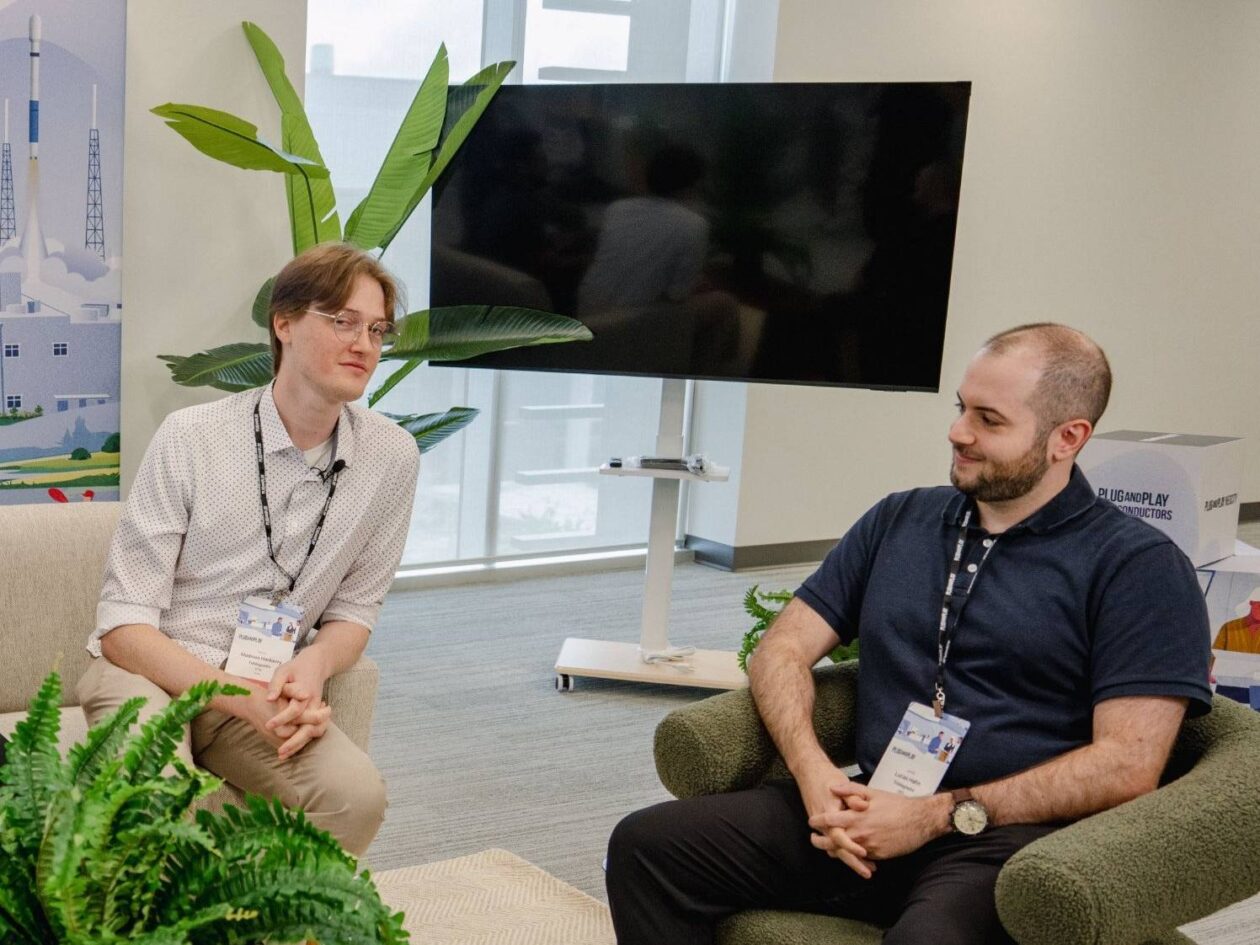
regional: A two-person Seattle startup lands $1M to reinvent
Seattle startup TriMagnetix has secured $1 million to develop semiconductor chips that consume 800 times less energy and are radiation-resistant. The two-person company, leveraging nanomagnetic technology, is targeting space applications and data centers. With new funding and key partnerships, TriMagnetix aims for commercial sales within a year.

Kojima Compares Divisive New Film 'Digger' to MGS2's Prescient Vision
Gaming icon Hideo Kojima has praised the divisive 2026 film *Digger*, drawing intriguing parallels to his own prophetic game, *Metal Gear Solid 2*. Both works, he explains, uniquely explore the dangers of misinformation and a fragmented digital reality, anxieties he shares with *Digger*'s director, Alejandro González Iñárritu.
%20102026%20top%20art%20SOURCE%20Govee.jpg)
in-depth: The Best Permanent Outdoor Lights (2026): Govee, Eufy
WIRED, a leading voice in technology journalism, has just released its updated guide for 2026 on the best permanent outdoor lights, spotlighting top contenders Govee, Eufy, and Cync. These innovative eave lights are