
Xpeng G6 Review: A Glimpse of the Future, Still Finding its Soul
The updated Xpeng G6 aims to be a true Tesla Model Y rival, showcasing rapid development with 20,000 refinements, faster charging, and a more premium interior. While it impresses with tech and ambition, it struggles with driver engagement and user experience.
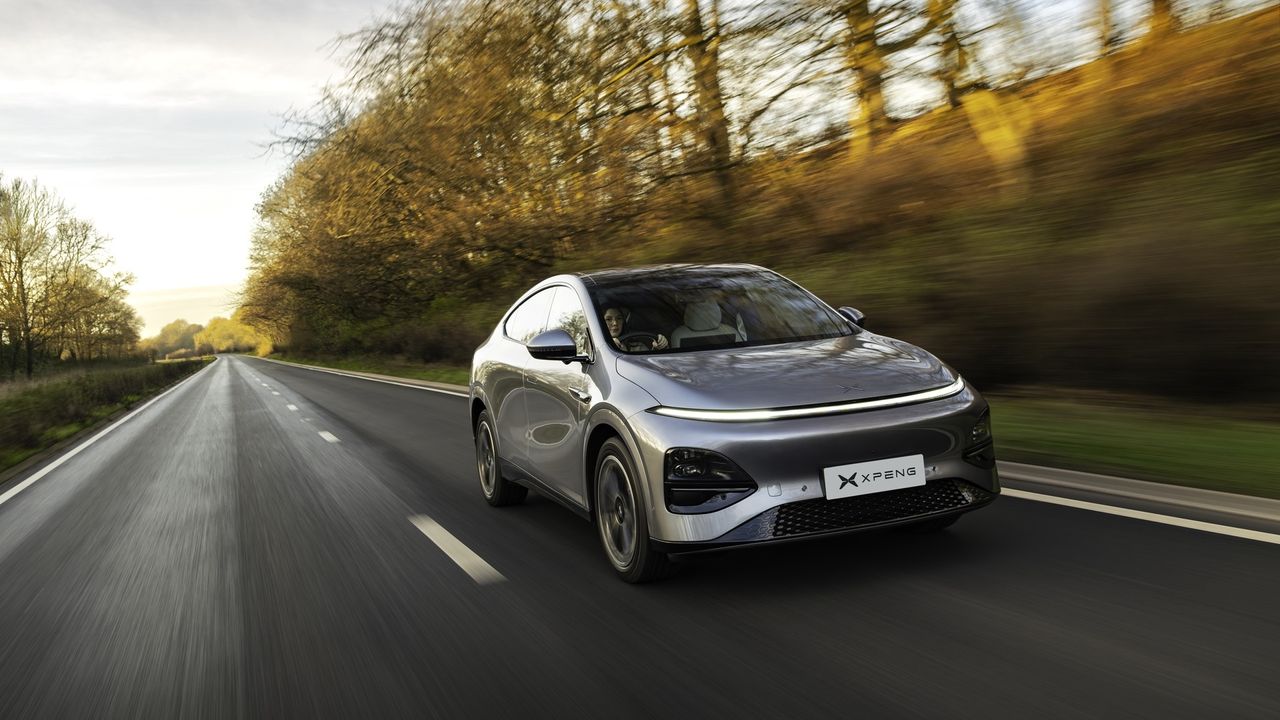
The Xpeng G6 emerges as a formidable contender in the electric SUV market, demonstrating Xpeng's aggressive ambition to not just rival, but potentially "usurp" Tesla. Having driven the latest iteration, it's clear the company has listened intently to early feedback, implementing over 20,000 incremental developments in less than a year. This rapid evolution, far exceeding traditional automotive lifecycles, speaks volumes about Xpeng's desire to shed any "Temu Tesla" comparisons and carve out a significant presence, particularly in Europe. The updated G6 boasts refreshed styling, improved performance, and enhanced interior quality, yet it still grapples with some fundamental issues that prevent it from achieving true greatness. It's a testament to rapid innovation but also a reminder that character takes time to build.
Design & Exterior
The G6, specifically the All-Wheel-Drive Performance Black Edition, presents a striking figure. It combines potent dual motors and sporty accents that allow it to compete on performance with established EV brands. The 480bhp system can propel the SUV from 0-62mph in just over four seconds, putting it squarely against models like the Tesla Model Y Performance. Visually, it features eye-catching 20-inch alloy wheels, smoked black exterior trim, and a subdued grey-tone interior upholstered in soft-touch suede, aiming for a premium, performance-oriented atmosphere. As a "tech company that also makes cars," Xpeng has incorporated a full-width front light-bar, similar to Tesla's rear design, giving it a futuristic and tech-focused appearance. However, despite these efforts, the design feels somewhat generic. While not offensive, it lacks a distinct identity, especially when compared to European brands that often infuse unique styling and heritage into their designs. The Xpeng G6, in this regard, comes across more as an appliance than a vehicle with its own personality.
Interior & Comfort
The cabin has received some of the most significant upgrades, aiming to elevate the interior ambience. The dashboard and pillars are now trimmed in a more premium leather-effect material, and ambient lighting is integrated throughout. While the steering wheel is described as "optimized," the difference isn't immediately noticeable. Space remains a strong suit, with rear occupants enjoying generous head and legroom, and the expansive glass roof contributes to an airy, spacious feel reminiscent of a Tesla. Front passengers benefit from new, luxurious seats offering heating, ventilation, and even massaging functionality – features that align with recent updates seen in Tesla's Model 3 and Model Y. These improvements collectively make the cabin a more comfortable and premium place to be, addressing initial feedback on quality.
Driving Experience & Performance
Underneath the surface, Xpeng has made considerable efforts to refine the driving dynamics, incorporating around 20,000 "intelligent refinements." These include chassis and suspension tuning specifically adapted for challenging roads, improved sound deadening, and more predictable powertrain behavior. The accelerator pedal now offers better modulation, and the firmer suspension setup enhances body control through corners. This has resulted in a noticeable improvement in noise, vibration, and harshness (NVH), particularly at highway speeds, contributing to a more refined cockpit experience. However, the driving engagement still falls short. The steering wheel continues to lack feedback, and even when firmed up via the touchscreen, it feels artificially heavy rather than connected. The "Performance" edition, while capable of impressive straight-line speed, doesn't translate into a truly engaging driving experience, raising questions about its value for money beyond sheer acceleration.
Technology & Charging
Xpeng continues to impress with its battery technology, and the updated G6 is no exception. While the previous model offered 354 miles of range, the new 80.8kWh lithium iron phosphate (LFP) battery, which eliminates the need for precious metals, sees the AWD Performance model's range settle at a still respectable 316 miles (WLTP). RWD Long Range variants achieve 326 miles. The real standout, however, is the 800V architecture, enabling ultra-rapid charging at a peak power of 451kW. This allows for a 10-80% top-up in as little as 12 minutes from compatible chargers, positioning the G6 as a leader in charging speed within its segment – a significant advantage over Tesla, which has yet to widely roll out similar ultra-rapid capabilities. The Xmart operating system also benefits from a new Qualcomm Snapdragon 8155 chipset, enhancing the infotainment system's speed and responsiveness.
The Downsides & User Experience
Despite numerous advancements, the G6 isn't without its frustrations. While the cabin quality and charging speeds are welcome, many updates haven't significantly improved the day-to-day driving or living experience. The car remains exceptionally roomy and airy, easy to operate, but struggles to evoke any emotional connection or driver engagement. The infotainment system, despite its newfound slickness, can be deeply frustrating. Basic functions, like adjusting the door mirrors, are buried within submenus, making them difficult to locate. The "Hey Xpeng" voice assistant also proved inconsistent, struggling to understand common automotive terms, requiring several attempts to reach the correct menu. The autonomous driving and parking features, while functional, lack refinement. The Xpilot Driving system can aggressively attempt to keep the car in its lane, resulting in a "jerky" sensation on highways. Similarly, while autonomous parking quickly identifies a space, its execution lacks the speed and finesse for confident use, leading the reviewer to discontinue using it. Ultimately, while tangibly better than its predecessor, the G6 retains many of its original problems. It feels like a generic, cut-price Tesla, but without the added benefit of Tesla's extensive Supercharger network. For those looking to avoid Tesla or save money, it's a perfectly acceptable option, but it still lacks a distinctive character.
Buying Recommendation
The Xpeng G6 is a compelling demonstration of rapid development and a solid option for those prioritizing ultra-fast charging, a spacious and increasingly premium interior, and strong straight-line performance. If you're seeking a high-tech EV that's comfortable for long journeys and offers impressive charging capabilities, the G6 is worth considering, especially if avoiding Tesla is a priority or budget is a key factor. However, if you crave driving engagement, a truly intuitive infotainment system, or a vehicle with distinct character and refined autonomous features, the G6 might leave you wanting more. Its generic styling and user experience quirks mean it doesn't fully "usurp" Tesla, but it certainly proves Xpeng's serious intent to compete.
FAQ
Q: Does the Xpeng G6 offer competitive range?
A: The updated Xpeng G6 AWD Performance model offers 316 miles of WLTP range, while the RWD Long Range variant achieves 326 miles. These are competitive figures, especially when considering the ultra-rapid charging capabilities.
Q: How does the Xpeng G6's charging speed compare to rivals?
A: The G6 features an 800V architecture, allowing for a peak charging power of 451kW. This enables a 10-80% charge in as little as 12 minutes, making it one of the fastest-charging cars currently available in Europe and a leader in its segment, surpassing current widely available Tesla charging speeds.
Q: Is the Xpeng G6 a good alternative to a Tesla Model Y?
A: The Xpeng G6 offers a spacious, tech-rich interior, impressive acceleration, and superior charging speeds compared to the Model Y. However, it falls short on driving engagement, intuitive infotainment, and the refinement of its autonomous features. Its design also lacks the distinct character of a Tesla. It's a strong alternative for those prioritizing charging speed and cabin comfort over driving dynamics and brand identity, or for those actively seeking to avoid Tesla.
Related articles
Android 17 QPR2 Beta 7.1: The Performance Relief You've Been Waiting
Android 17 QPR2 Beta 7.1: Finally Fixing the QPR1 Performance Woes Verdict: Android 17 QPR2 Beta 7.1 is a crucial and highly anticipated software update for Google Pixel users, specifically targeting and resolving the

DJI Solo Video Setups: Smart Choices for Lone Creators
This review delves into DJI's recommended solo video setups, highlighting the Osmo Pocket 3 Creator Combo as a top pick for its integrated camera, gimbal, and mic. It also covers stabilizers like the Osmo Mobile 8 and RS 4, and the DJI Mic Mini series for enhanced audio, providing honest pros, cons, and clear buying advice.

Ars Technica's Rocket Report: Your Essential Space Industry Briefing
Quick Verdict Ars Technica's Rocket Report, presented by veteran space reporter Stephen Clark, offers an invaluable and meticulously organized weekly (or similar frequency, implied by "Edition 9.15") digest of the most

Apple iPhone Duo: A Daring Debut with Notable Compromises
Apple's highly anticipated iPhone Duo, priced at $2,000, has gone on pre-order. While hailed as "Apple's most exciting device in a decade" for its innovative foldable design and immersive display, it comes with significant drawbacks like the absence of FaceID and a premium camera.
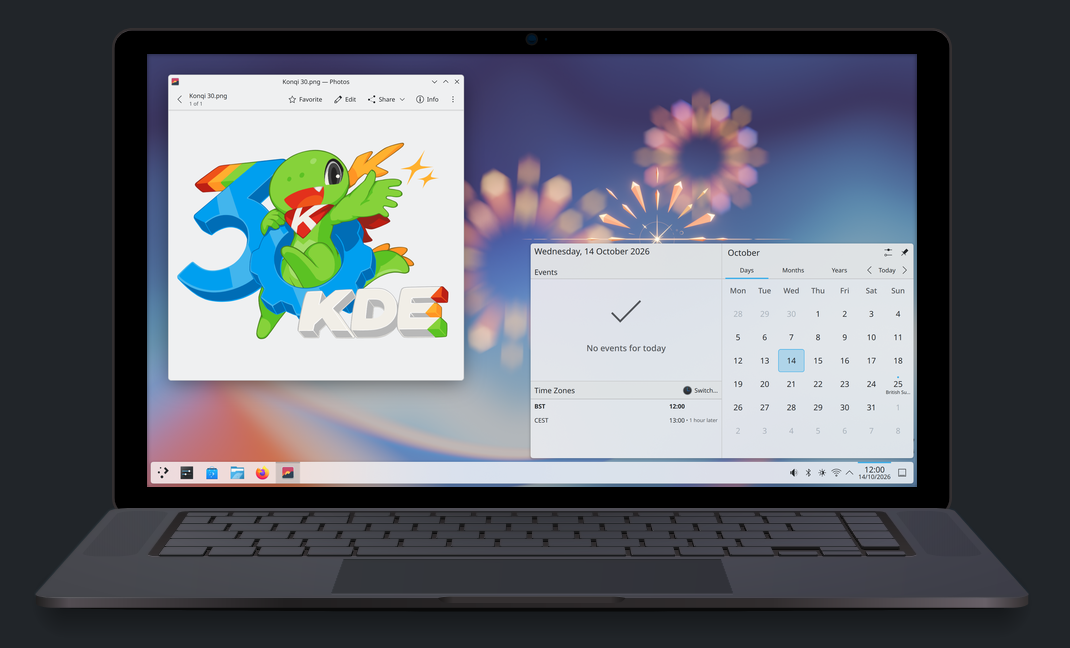
KDE Plasma 6.8: A Future-Focused 30th Anniversary Update
Quick Verdict KDE Plasma 6.8, arriving as the "30th Anniversary Edition," is a pivotal release that decisively pushes the desktop environment into the future. With a definitive farewell to native X11 sessions and a
Ephemeral PR Preview Environments on GKE: A Deep Dive
Every development team eventually grapples with the limitations of shared staging environments. The familiar scenario: multiple features deployed simultaneously, database migrations clashing, and the phrase "it works on