
Xiaomi 17 Review: Android Power, iPhone Looks
Xiaomi 17 Review: Android Power, iPhone Looks The Xiaomi 17 arrives as a new contender in the shrinking field of compact flagship Android phones. While it certainly packs a punch with top-tier performance and a
Xiaomi 17 Review: Android Power, iPhone Looks
The Xiaomi 17 arrives as a new contender in the shrinking field of compact flagship Android phones. While it certainly packs a punch with top-tier performance and a surprisingly massive battery for its size, its most striking feature is unfortunately its heavily derivative design. It's a powerful and enduring device, but its aesthetic choices and software experience leave a bitter aftertaste, positioning it as a capable alternative with notable caveats.
Design: An Unmistakable Apple Imitation
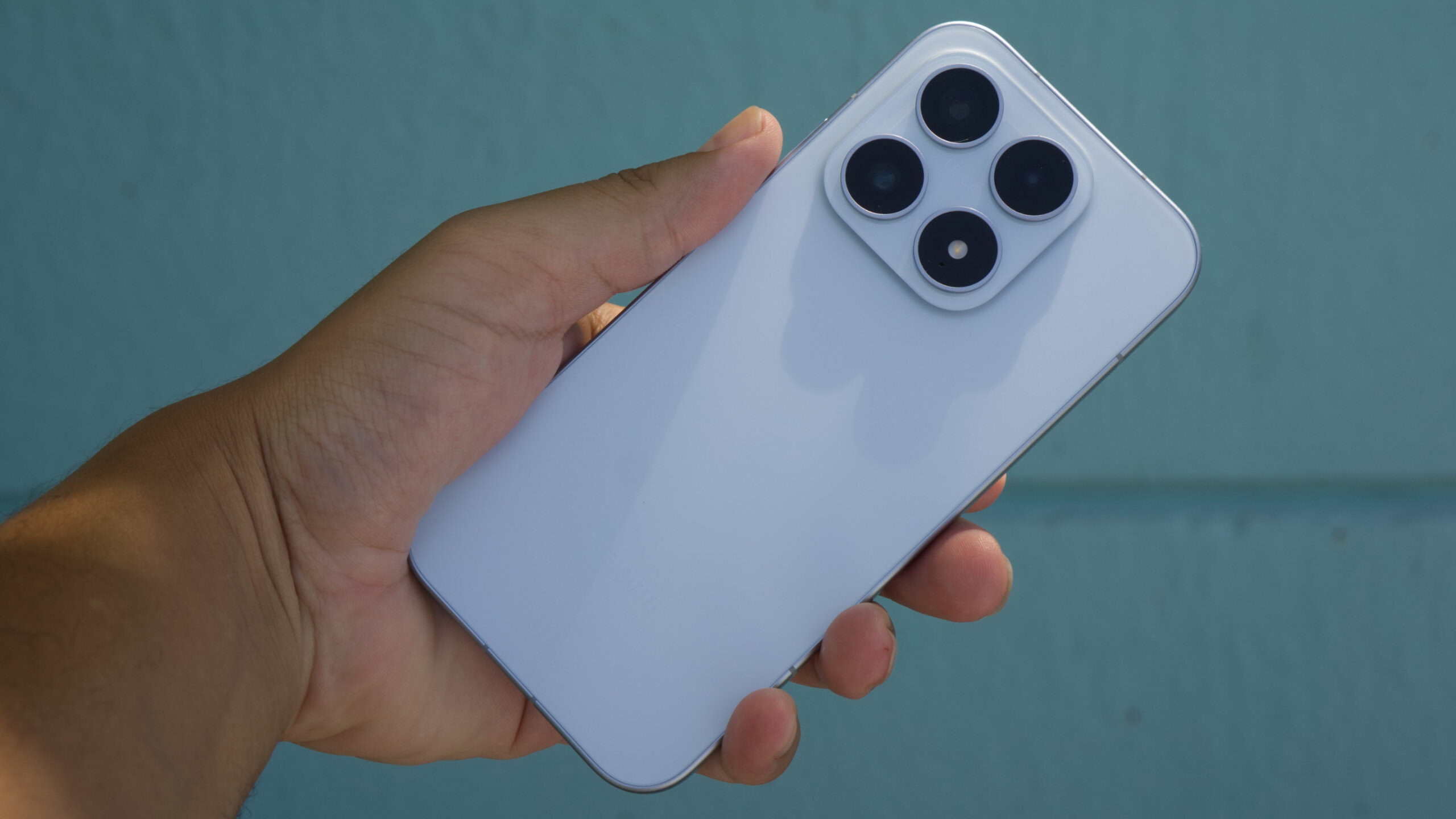
For those craving a smaller Android flagship, the Xiaomi 17 offers a reasonably compact 6.3-inch display. This makes it slightly larger than the Galaxy S26 but still smaller than the Pixel 10, a refreshing change of pace from many larger devices on the market. However, the immediate impression is dominated by an undeniable resemblance to Apple's iPhones. Xiaomi has seemingly embraced flat edges and curved corners seen across many Android OEMs, but the Xiaomi 17 takes it further. The rear camera bump, while forming a square instead of a triangle, appears strikingly similar to the iPhone 16 series, making the overall package feel distinctly unoriginal. Even the jump from the Xiaomi 15 to the Xiaomi 17 series in naming conventions seems designed to align with Apple.
Beyond this aesthetic disappointment, the build quality is solid. It features a metal frame and a matte glass back that commendably resists fingerprints. An IP68 rating ensures dust and water resistance, and the front display is protected by Xiaomi’s Shield Glass.
Performance and Endurance: A Compact Powerhouse
Under the hood, the Xiaomi 17 boasts significant upgrades, powered by the cutting-edge Snapdragon 8 Elite Gen 5 processor. While 3DMark was temporarily blocked for testing, early benchmarks hint at its prowess. Geekbench 6 scores show it maintaining a slight edge over the Dimensity 9500-equipped OPPO Find X9 Pro, though the OnePlus 15 surpasses it, likely due to a focus on sustained performance in a potentially less constrained form factor. Crucially, the Xiaomi 17 demonstrated a substantial lead over both OPPO and OnePlus in PCMark, suggesting robust system-wide performance.
In real-world use, the phone feels incredibly smooth and responsive. Navigating menus, multitasking, launching applications, and snapping photos were consistently fluid experiences. Demanding games like War Thunder Mobile and GRID Legends ran without a hitch, even with visual settings pushed higher.
Perhaps the most impressive feature for a phone of its size is the battery. The global Xiaomi 17 ships with a 6,330mAh battery—a remarkably large capacity that even surpasses the global Xiaomi 17 Ultra. To put this to the test, I used the phone extensively during a demanding day trip, starting at 2:30 AM and lasting until 7:00 PM. Tasks included calling Ubers, taking notes, listening to music, messaging, and several hours as a mobile hotspot. By the end of the day, it still had approximately 10% charge remaining, which is genuinely excellent endurance for any phone, let alone a compact one. Fast charging is also a highlight, with support for 100W wired charging via USB-PPS and 50W wireless charging.
Camera Performance: Good, But With Caveats
The Xiaomi 17 features a triple 50MP rear camera setup, comprising a 1/1.31-inch main sensor, a 2.6x telephoto lens, and an ultrawide sensor. Interestingly, on paper, this setup sees slight hardware downgrades compared to the previous Xiaomi 15, with the main camera dropping from f/1.6 to f/1.7 aperture and the ultrawide from f/2.2 to f/2.4. This echoes a similar situation seen with the OnePlus 15.
Despite these specification changes, the main camera generally produces great shots. Its relatively large sensor for 2026 delivers a pleasing level of natural bokeh without excessive sharpening. The 2.6x telephoto camera is capable, maintaining a consistent color profile with the main shooter and offering good detail and dynamic range, plus the ability to take macro shots. While a 3x or 3.5x optical zoom might have been preferred for longer reach, its performance is solid. The ultrawide camera performs well during daylight hours, though its contrast can fall short of the other lenses, and detail noticeably suffers in low-light conditions, even without pixel-peeping.
I appreciate the inclusion of Leica color profiles, which add a distinct visual flair. However, it's disappointing that Xiaomi still hasn't brought 4K/120fps video capture to its base flagship model.
Software and The Xiaomi Tax
While the hardware is generally impressive, the software experience comes with some significant drawbacks. The Xiaomi 17 is burdened with a substantial amount of bloatware, including first-party applications, numerous third-party apps like LinkedIn, Spotify, and Facebook, and over half a dozen pre-installed games. More concerningly, users will encounter advertisements within Xiaomi's own pre-installed first-party applications, which can detract from the premium feel of a flagship device.
The Competition and Verdict: Is It Worth It?
The Xiaomi 17 starts at €999 (approximately $1,181), positioning it directly against competitors like the identically priced Galaxy S26. It offers compelling performance and outstanding battery life in a compact package.
However, its value proposition is complicated by alternatives:
- Xiaomi 15: While it has an older processor and smaller battery, the rest of the package is quite similar, and it's likely available at a discounted price, offering better value.
- Samsung Galaxy S26: At a similar price, the S26 has a significantly smaller battery, less advanced camera hardware, and slower 25W charging. However, it counters with a powerful chipset, a similarly compact form factor, and a class-leading seven years of software updates, a major advantage for long-term ownership.
- POCO F8 Ultra: Priced significantly lower at €829.99 (around $980), the POCO F8 Ultra shares the same powerful chipset and a slightly larger battery than the Xiaomi 17. It misses out on the Leica camera touches and has a larger design but includes a 50MP 5x telephoto camera and even a subwoofer.
Ultimately, the Xiaomi 17 is a phone of contrasts. It excels in performance and battery life, making it a dream for those who want a compact device that lasts all day. But its uninspired, iPhone-like design and the persistent presence of bloatware and ads in a premium-priced phone are significant downsides. If you can overlook its derivative aesthetics and deal with the software's quirks, it’s a strong contender. However, the market offers compelling alternatives that might better suit different priorities, whether it's long-term software support, greater camera versatility, or simply better value for money.
Q: Is the Xiaomi 17 a good phone for its size? A: Yes, it packs impressive performance and a huge battery into a compact form factor, making it an excellent choice if you prioritize those aspects in a smaller device.
Q: Are there any major drawbacks to the Xiaomi 17? A: Its design is notably derivative of the iPhone, which might be a turn-off for some. Additionally, the software includes bloatware and ads in pre-installed apps.
Q: How does the Xiaomi 17 compare to other flagships? A: It offers strong specs similar to the Galaxy S26 but with a much larger battery and faster charging. However, competitors like the S26 offer longer software support, and the POCO F8 Ultra provides similar power for less money.
Related articles

Apple Unveils iPhone Duo: Pricey Foldable Sees Soaring Demand
Apple has officially entered the foldable smartphone arena with the long-anticipated launch of the iPhone Duo. Priced starting at a hefty $1,999, the device features a 5.4-inch outer display and a larger 7.6-inch inner
Android 17 QPR2 Beta 7.1: The Performance Relief You've Been Waiting
Android 17 QPR2 Beta 7.1: Finally Fixing the QPR1 Performance Woes Verdict: Android 17 QPR2 Beta 7.1 is a crucial and highly anticipated software update for Google Pixel users, specifically targeting and resolving the

DJI Solo Video Setups: Smart Choices for Lone Creators
This review delves into DJI's recommended solo video setups, highlighting the Osmo Pocket 3 Creator Combo as a top pick for its integrated camera, gimbal, and mic. It also covers stabilizers like the Osmo Mobile 8 and RS 4, and the DJI Mic Mini series for enhanced audio, providing honest pros, cons, and clear buying advice.

Ars Technica's Rocket Report: Your Essential Space Industry Briefing
Quick Verdict Ars Technica's Rocket Report, presented by veteran space reporter Stephen Clark, offers an invaluable and meticulously organized weekly (or similar frequency, implied by "Edition 9.15") digest of the most

Apple iPhone Duo: A Daring Debut with Notable Compromises
Apple's highly anticipated iPhone Duo, priced at $2,000, has gone on pre-order. While hailed as "Apple's most exciting device in a decade" for its innovative foldable design and immersive display, it comes with significant drawbacks like the absence of FaceID and a premium camera.

Amazon Prime Video Launches AI-Powered Prime 360 for NBA Coverage
Amazon Prime Video is elevating its NBA coverage with the introduction of Prime 360, an AI-powered replay system offering immersive, 'fly through' views of the action. Kicking off its second season, Prime Video also adds Yahoo fantasy integration and gains exclusive Eastern Conference Finals rights, expanding its tech-driven sports broadcast. The new features aim to deliver a unique and interactive viewing experience for basketball fans.