
Xbox Price Hikes in EU/UK: A Hard Pill for European Gamers
Xbox console prices in the EU and UK have seen significant increases (up to €200 / £170) as of August 1st, making entry into the Xbox ecosystem much more expensive. This review breaks down the new pricing, discusses the economic context of rising component costs, and offers a cautious buying recommendation for consumers grappling with these substantial changes.
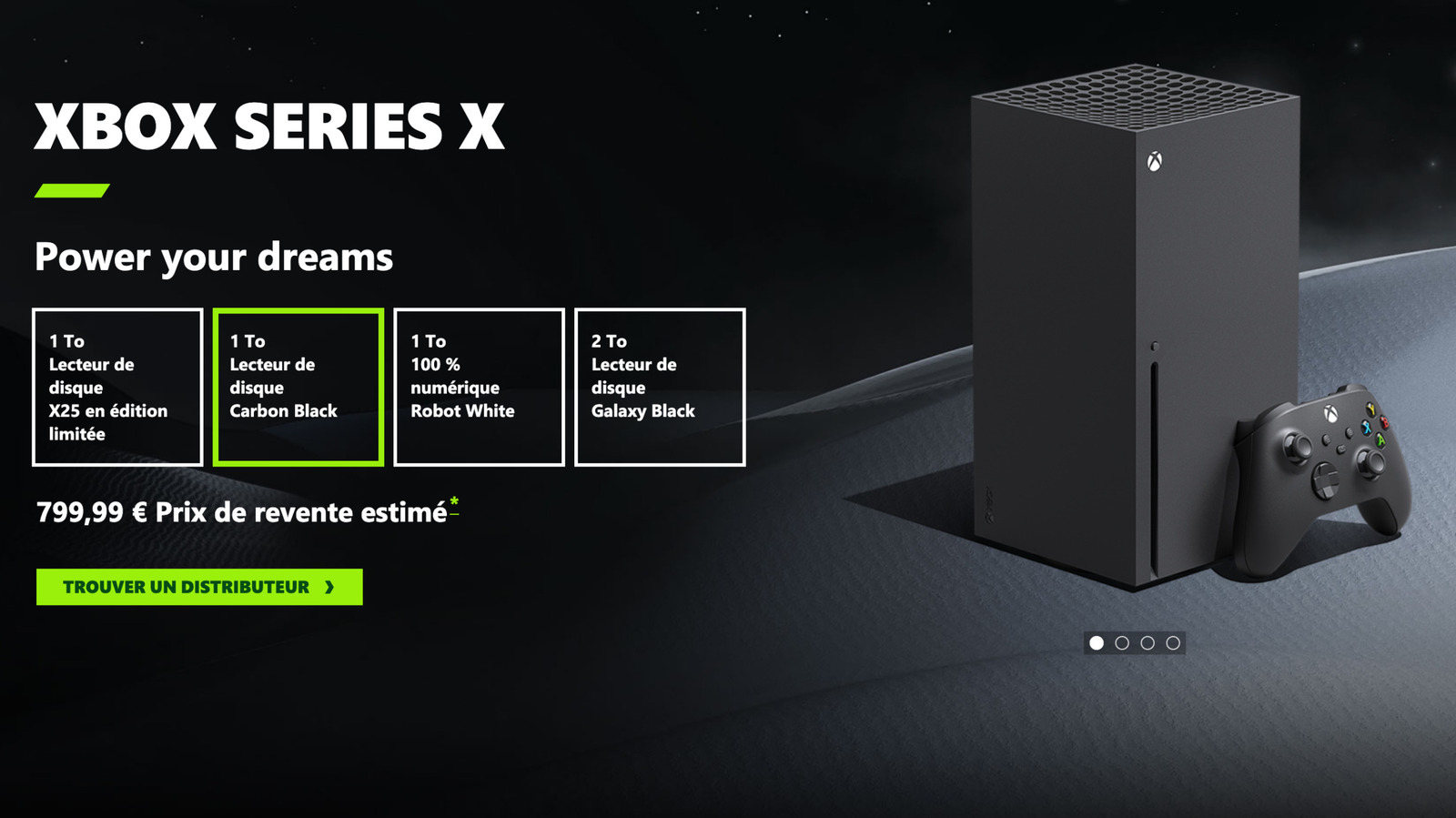
Verdict: A Costly Turn for Xbox Enthusiasts
The recent, substantial price increases for Xbox consoles in the EU and UK represent a significant blow to potential buyers across these regions. While Microsoft cites rising component costs, particularly memory, the reality for consumers is a much steeper entry barrier into the Xbox ecosystem. The value proposition has unquestionably shifted, making an Xbox purchase a more daunting investment than ever before, especially when compared to previous pricing. This move places Xbox on par with, or even above, some of its competitors' recent price adjustments, highlighting a challenging trend for gamers globally.
The Unfortunate Reality: Xbox Consoles Get Pricier
For those in Europe and the UK eyeing a new Xbox, the landscape has fundamentally changed. As of August 1st, the price tags for all Xbox Series X and Series S models have seen a considerable surge, far exceeding the increases observed in the US market earlier this year. While American consumers faced hikes of $100 to $150, EU residents are now looking at an additional €150 to €200, and UK buyers are grappling with an extra £130 to £170. This isn't a minor adjustment; it's a recalibration that demands serious consideration from anyone planning a purchase.
Let's break down the new pricing structure that has just hit the shelves, making the entry into the Xbox family considerably more expensive.
New Prices for European Union Residents:
- Xbox Series S (512GB): Now priced at €499.99
- Xbox Series S (1TB): Jumps to €599.99
- Xbox Series X Digital (no disc drive): Set at €749.99
- Xbox Series X (with disc drive): The flagship now commands €799.99
New Prices for United Kingdom Residents:
- Xbox Series S (512GB): Rises to £429.99
- Xbox Series S (1TB): Now £519.99
- Xbox Series X Digital (no disc drive): Available for £619.99
- Xbox Series X (with disc drive): The premium console now costs £669.99
To put this into perspective, the entry-level Xbox Series S (512GB) for European customers now translates to approximately $575 USD, a notable increase that certainly impacts perceived affordability. The days of the Xbox Series S being a truly budget-friendly next-gen option are becoming a distant memory, at least in these regions.
The Economic Undercurrent: Why the Change?
Microsoft's rationale for these price adjustments, as outlined in a June blog post, points to the broader economic pressures affecting the tech industry. The company explicitly mentioned anticipating further increases in storage and memory prices, suggesting that the current hikes might not even be the final word. This aligns with a larger industry trend, as Xbox isn't alone in feeling the squeeze. Both Sony and Nintendo have also announced their own price revisions recently, indicating a widespread challenge in maintaining previous price points amidst rising component costs and inflationary pressures.
From a consumer standpoint, while understanding the economic factors is important, the immediate impact is a higher price tag. The core design and build quality of the consoles remain unchanged; you're still getting the same hardware, the same processing power, and the same access to the Xbox ecosystem. However, the user experience begins long before the console is powered on, and for many, the initial hurdle of acquisition cost is now significantly higher. This shift in pricing directly influences the perceived value and accessibility of the consoles.
Impact on the Gaming Experience and Value Proposition
For existing Xbox owners, these price changes don't directly affect their current setup, but they do cast a shadow over future upgrades or the possibility of purchasing additional consoles for family members. For new buyers, the decision process becomes more complex. The Xbox Series X remains a powerful console, offering excellent performance and access to a vast library of games, particularly through Xbox Game Pass. The Series S, while less powerful, still provides a great next-gen experience at a lower (though now much higher) cost.
However, the increased price naturally prompts a re-evaluation of the value proposition. Is the Xbox Series S, at nearly €500 or £430, still the 'easy entry' into next-gen gaming it once was? For some, the answer might be a hesitant yes, given its digital-only nature and compact size. For others, the gap between the Series S and the more powerful Series X might feel less justifiable when both have seen such significant increases. The Series X, at €799.99 or £669.99, is now a substantial investment, pushing it further into the premium electronics category.
Comparing Xbox to alternatives, without specific competing price points from the source, is challenging. However, the fact that Sony's PlayStation and Nintendo have also raised prices suggests a uniform economic pressure across the gaming console market. This means while Xbox is more expensive, its competitors might not offer significantly cheaper alternatives if they're facing similar cost pressures. Consumers are now faced with a general trend of increasing console costs, rather than one specific brand hiking prices in isolation.
Our Buying Recommendation: Proceed with Caution
Given these substantial price increases, our recommendation for potential Xbox buyers in the EU and UK is to proceed with caution and consider your options carefully.
- If you absolutely need a new console now: Be prepared for the higher cost. Consider whether the digital-only Series X or the Series S truly meets your needs, or if the full Series X experience justifies the premium price. Remember that the Xbox Game Pass remains a compelling offering, potentially offsetting some of the console cost with its extensive library.
- If you're not in a rush: It might be prudent to wait. While Microsoft has indicated further RAM price hikes are expected, it's unclear if this translates to another console price increase or if it's a justification for the current ones. Waiting might reveal potential bundles, discounts, or even refurbished options down the line, though these are never guaranteed.
- Re-evaluate your budget: With the entry-level price now much higher, assess if an Xbox still fits your budget, especially when factoring in game purchases or a Game Pass subscription.
- Consider the ecosystem: Xbox's strength lies in its ecosystem, particularly Game Pass and cross-platform play. If these are paramount to your gaming experience, the higher hardware cost might still be palatable, albeit reluctantly so.
Ultimately, while the Xbox consoles themselves remain excellent pieces of hardware, these price adjustments in the EU and UK have undeniably diminished their immediate appeal. The decision to buy now hinges heavily on individual budget constraints and the urgency of wanting to jump into or upgrade your Xbox gaming experience.
FAQ
Q: Why are Xbox consoles more expensive now in the EU and UK?
A: Microsoft has cited rising component costs, particularly for storage and memory, as the primary reason for these price increases. This is part of a broader industry trend affecting other console manufacturers like Sony and Nintendo as well.
Q: How much have the prices increased for EU and UK consumers?
A: EU residents are seeing price increases of €150 to €200, while UK residents face hikes of £130 to £170, depending on the specific Xbox Series S or Series X model.
Q: Should I wait to buy an Xbox console?
A: If you are not in urgent need of a new console, waiting could be beneficial. While the source notes Microsoft anticipates further component price increases, waiting might allow for potential future sales, bundles, or refurbished options to emerge, helping to offset the current higher costs. However, there's no guarantee prices won't rise further.
Related articles
Community Fibre 8.5Gbps: UK's Fastest, But Pricey Fibre
Quick Verdict Community Fibre has just launched the UK's fastest residential internet connection, boasting an incredible 8.5Gbps (8,200Mbps) symmetrical full fibre service. It's a technical marvel, delivering speeds

Anthropic Claude Merger: Unified AI for Enhanced Productivity
Anthropic Claude Merger: The Verdict Anthropic is making a bold move, consolidating its previously distinct AI tools — Claude chat and Claude Cowork — into a single, more intuitive “all-powerful Claude.” This strategic

September Pixel Drop: Small Update, Big Convenience
Google's September 2026 Pixel Drop brings enhanced one-tap calling/messaging via VIPs widget and expanded on-device scam protection for text messages, making communication safer and faster for Pixel 6 and newer users.
Pixel 11 Pro: A Hidden Camera Gem Elevates Mobile Photography
The Pixel 11 Pro ($1,099) introduces redesigned Quick Access camera controls, offering intuitive, customizable on-the-fly adjustments like exposure and "Camera Looks." While powerful and user-friendly once enabled, Google hides them deep in settings and disables them by default, hindering discoverability. Despite this flaw, it's a significant upgrade for mobile photography enthusiasts.

Pennsylvania Measles Outbreak: A Grim Warning on Vaccine Hesitancy
This detailed analysis of the alarming Pennsylvania measles outbreak highlights four tragic fatalities, including an 18-year-old from severe neurological complications. It underscores critical public health challenges, including declining vaccination rates and federal data reporting controversies, while emphasizing the urgent need for reliable information and widespread vaccination.

US AI Data Centers: A Glimpse into Tomorrow's Power Demands
An in-depth analysis of US AI data centers' projected natural gas consumption, set to become the world's fifth-largest by 2035, highlighting environmental, economic, and infrastructure challenges.