
Wearables Market: A Tangled Web of Innovation and Litigation
The exciting wearables market is increasingly entangled in complex legal battles, from health trackers like Whoop suing competitors Bevel and Polar, to smart glasses companies accusing Meta of patent infringement. This review explores how these lawsuits could stifle innovation and impact consumer choices.
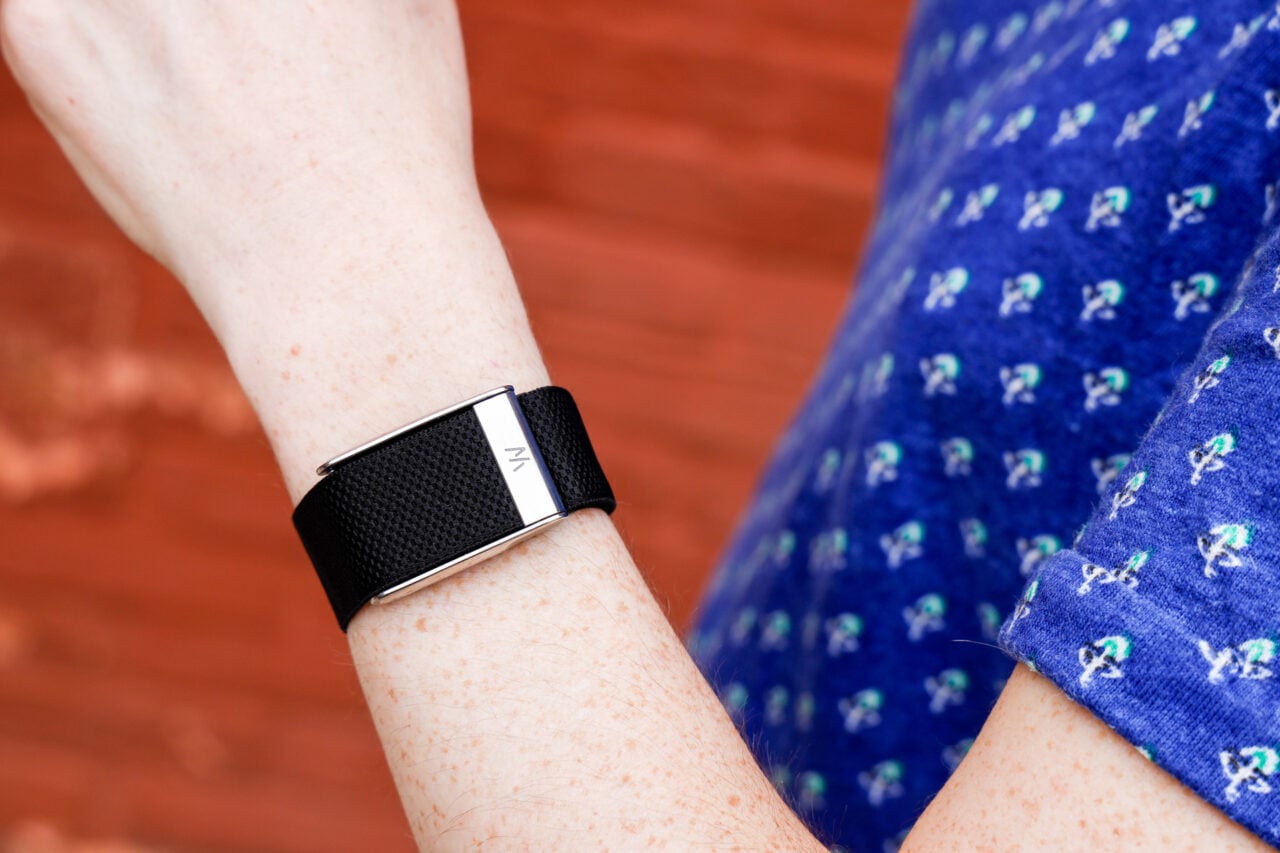
The wearables sector is undeniably one of the most dynamic and exciting frontiers in consumer technology today. From sleek smart rings and advanced fitness trackers to sophisticated smart glasses and even AI-powered pins, innovation is booming. However, beneath this surface of rapid development, an increasingly complex and concerning legal landscape is emerging, threatening to turn this vibrant space into a courtroom battleground.
Quick Verdict: A Messy Future Ahead
The wearables market, while ripe with innovation, is becoming dangerously entangled in lawsuits. Major players are aggressively protecting perceived intellectual property, potentially stifling competition and innovation from smaller startups. For consumers, this could mean fewer choices, slower progress, and uncertainty regarding the long-term viability of some promising new devices and services.
The Legal Labyrinth: A Closer Look at the Disputes
At the heart of much of this legal wrangling is Whoop, a prominent screenless health tracker company. Whoop has recently initiated lawsuits against multiple perceived competitors, indicating a clear discomfort with the rising tide of alternative solutions.
Most notably, Whoop has filed a lawsuit against Bevel, a health app designed to interpret data from various wearables, including information stored in Apple Health (where Whoop’s own data resides). While Bevel doesn't produce hardware, Whoop's claim centers on "trade dress" – a legal term referring to the distinct visual and experiential characteristics of a product that give it its unique identity. Bevel's CEO, Grey Nguyen, publicly characterized the suit as "lawfare," suggesting a multi-billion dollar company is using its substantial resources to intimidate a much smaller, 20-person team focused on making health tracking more accessible.
Whoop's litigious approach isn't limited to software. The company also sued Polar, a manufacturer of its own screenless fitness wearables, in October. Similar to the Bevel case, Whoop alleges that Polar's Loop product infringes on patents and copies core design elements. The Polar Loop offers similar tracking metrics and an app connection, but critically, it's a more budget-friendly option and doesn't demand a monthly subscription, making it a formidable challenger to Whoop's market position.
The health wearable space isn't alone in this trend. The smart glasses sector is experiencing its own wave of legal challenges, with many companies directing their accusations towards tech giant Meta. Companies like Solos allege that Meta incorporated their smart glasses technology, particularly concerning audio and processing, into its Ray-Ban-branded smart glasses. Furthermore, Perceptix Technologies claims Meta is infringing on its patents related to electromyography (EMG) devices. This is particularly relevant given Meta's Neural Band, a wrist-worn device using EMG to translate finger and hand movements into controls for its Ray-Ban Meta Display, utilizes similar technology to what Perceptix Technologies has patented.
User Experience and Market Implications: The Broader Picture
These widespread legal battles are more than just corporate squabbles; they have significant implications for consumers and the future trajectory of wearable technology. The immediate impact is the potential chilling effect on innovation. For a health-tracking startup with limited capital and resources, the threat of facing a well-funded legal team from an established player like Whoop can be a formidable deterrent. This could discourage new entrants and limit the diversity of products and services available to consumers.
Should the courts rule in favor of the plaintiffs, the consequences for the accused companies could be severe. Brands like Bevel and Polar might be forced to undertake costly and extensive product overhauls or even withdraw their offerings entirely. Such outcomes don't just harm the companies involved; they reduce consumer choice and competition, potentially leading to higher prices and slower innovation across the board.
For a behemoth like Meta, a legal setback might represent a costly inconvenience, but it's unlikely to halt their overall smart glasses ambitions. However, smaller entities like Bevel and Polar lack that same immunity, making the stakes incredibly high for them. These lawsuits are protracted affairs, often taking years to resolve, leaving the market in a state of uncertainty.
The Good, The Bad, and The Uncertain for Consumers
Pros:
- Potential for IP Protection: In theory, these lawsuits could protect genuine intellectual property, ensuring that companies that invest heavily in research and development reap the rewards and are not undermined by direct copies. This could, in turn, incentivize future innovation if intellectual property rights are clearly defined and upheld.
Cons:
- Stifled Innovation: The primary downside is the discouragement of new companies and ideas. Fear of litigation can prevent startups from taking risks, leading to a less diverse and innovative market.
- Reduced Consumer Choice: If smaller competitors are forced out or significantly alter their products, consumers will have fewer options to choose from, potentially leading to market dominance by a few large players.
- Higher Prices: Less competition can lead to higher prices as dominant companies face less pressure to offer competitive rates or features.
- Product Uncertainty: Consumers might purchase a product only for it to be legally challenged and potentially altered or discontinued in the future, creating uncertainty and dissatisfaction.
- Slower Progress: Legal battles divert resources, time, and talent away from product development and into litigation, inevitably slowing down the pace of technological advancement.
Understanding the Competing Landscape of Litigation
To better grasp the scale of the current legal climate, it's helpful to see the various parties and their claims in context:
| Plaintiff/Accused | Defendant/Accuser | Area of Focus | Allegations |
|---|---|---|---|
| Whoop | Bevel | Health Trackers (App) | Copying core "trade dress" (look and feel) of Whoop's brand. |
| Whoop | Polar | Health Trackers (Hardware) | Copying Whoop's design and patent infringement (Polar Loop). |
| Meta | Solos | Smart Glasses | Stealing smart glasses technology (audio, processing). |
| Meta | Perceptix Technologies | Smart Glasses | Infringing on patents related to electromyography (EMG) devices. |
Buying Recommendation: Proceed with Caution
Given the increasingly litigious nature of the wearables market, consumers should exercise a degree of caution. While innovation is exciting, the long-term viability of products from smaller companies or those directly competing with established giants might be uncertain.
If you're considering a new wearable, especially from a lesser-known brand or one that offers very similar functionality to a market leader, it's wise to:
- Evaluate the Company's Stability: Research the company's funding, market presence, and how long they've been operating.
- Consider Subscription Models: Be aware that subscription-based services, while offering ongoing value, tie you more closely to the company and its future. If a company is forced to cease operations or alter its service, you could lose functionality.
- Prioritize Core Needs: Focus on what core features you need. Sometimes, a simpler, more established device might be a safer bet than a bleeding-edge product embroiled in potential legal disputes.
The current climate suggests that, for companies of scale, litigation is viewed as a strategic tool – a "small price to pay" in the quest to dominate burgeoning markets. For consumers, however, this means a potentially rockier road ahead for innovation and choice.
FAQ
Q: How do these lawsuits directly affect me as a consumer?
A: These lawsuits can affect you by potentially limiting your product choices, leading to slower innovation in the market, and possibly increasing prices due to reduced competition. There's also a risk that a product you purchase might be forced to change or be discontinued if a company loses a legal battle.
Q: Should I be wary of purchasing wearables from smaller, newer brands?
A: While new brands often bring exciting innovation, the current legal climate suggests they might be more vulnerable to lawsuits from larger, established players. This could impact their long-term viability or force them to significantly alter their products. It's advisable to research a new brand's market position and consider the potential risks before committing to a purchase.
Q: What's the general outlook for innovation in the wearables space, given these legal challenges?
A: The outlook for innovation is mixed. While the market itself is still full of creative potential, the increase in lawsuits could act as a significant damper. Big companies might continue to innovate but also use legal means to protect their market share, potentially slowing down the entry of truly disruptive technologies from smaller players. Consumers might see innovation from dominant companies, but potentially less radical, diverse, and affordable options from emerging competitors.
Related articles
Android 17 QPR2 Beta 7.1: The Performance Relief You've Been Waiting
Android 17 QPR2 Beta 7.1: Finally Fixing the QPR1 Performance Woes Verdict: Android 17 QPR2 Beta 7.1 is a crucial and highly anticipated software update for Google Pixel users, specifically targeting and resolving the

DJI Solo Video Setups: Smart Choices for Lone Creators
This review delves into DJI's recommended solo video setups, highlighting the Osmo Pocket 3 Creator Combo as a top pick for its integrated camera, gimbal, and mic. It also covers stabilizers like the Osmo Mobile 8 and RS 4, and the DJI Mic Mini series for enhanced audio, providing honest pros, cons, and clear buying advice.

Ars Technica's Rocket Report: Your Essential Space Industry Briefing
Quick Verdict Ars Technica's Rocket Report, presented by veteran space reporter Stephen Clark, offers an invaluable and meticulously organized weekly (or similar frequency, implied by "Edition 9.15") digest of the most

Apple iPhone Duo: A Daring Debut with Notable Compromises
Apple's highly anticipated iPhone Duo, priced at $2,000, has gone on pre-order. While hailed as "Apple's most exciting device in a decade" for its innovative foldable design and immersive display, it comes with significant drawbacks like the absence of FaceID and a premium camera.

KDE Plasma 6.8: A Future-Focused 30th Anniversary Update
Quick Verdict KDE Plasma 6.8, arriving as the "30th Anniversary Edition," is a pivotal release that decisively pushes the desktop environment into the future. With a definitive farewell to native X11 sessions and a
Galaxy Watch One UI 9 Beta: Promising Progress, But Patience Needed
Galaxy Watch 8, Watch Ultra, and Watch 7 are receiving a new One UI 9 Watch beta build with bug fixes and a security patch. Active development signals progress, but a stable release date remains elusive.