
Unveiling the Xiaomi 17: A Real-World Camera Test in Thailand
Explore the Xiaomi 17's camera capabilities and overall performance through a rigorous real-world test in Thailand's heat, understanding its strengths and quirks.

Introduction: Your Guide to Understanding the Xiaomi 17's Real-World Performance
The Xiaomi 17 often finds itself overshadowed by its more celebrated sibling, the 17 Ultra. Yet, for many, the base model represents the practical choice, offering a compelling blend of features without the Ultra's premium price tag. This guide will walk you through the Xiaomi 17's capabilities, helping you understand its strengths, identify its quirks, and determine if it's the right fit for your daily needs and creative aspirations. We'll explore its camera performance, validated through a rigorous real-world test in Phuket, Thailand, where it faced soaring temperatures, constant GPS navigation, and over 500 photo opportunities. Prepare to discover why, despite a few specific areas for improvement, this phone truly stands out.
Prerequisites: What to Consider Before Diving In
Before exploring the Xiaomi 17, consider your priorities in a flagship smartphone. The 17 aims to compete with devices like the OPPO Find X9 and vivo X300, often at a higher price, influenced by advanced AI features. This review focuses on its performance under demanding conditions—hot climates and heavy camera usage—offering a comprehensive look at what to expect from a device designed for real life.
Evaluating the Xiaomi 17's Design and Durability
The Xiaomi 17 presents an understated yet undeniably premium aesthetic. It evokes a sense of elegance, reminiscent of what an Android phone from Apple might look like, contributing to a strong brand identity. Many users recognize it as a 'Xiaomi phone,' signifying successful brand recognition. Holding the 17 is a delight; its compact form factor, perfectly crafted corners, ideal width, and the seamless integration of its aluminum frame with the glass make it the best-feeling compact phone the reviewer experienced this year. The frosted back glass prevents slips, and the side frame maintains its color even inside a case. Tactile buttons are intuitively placed, and the blue variant offers a refreshing summer vibe.
Its camera module features individual, iPhone-esque cutouts for its four lenses (one housing the flash). While aesthetically pleasing, dust can be a minor challenge to remove from between them. The ultrasonic fingerprint scanner is conveniently located for natural thumb placement and proved reliable even with wet hands on the beach. Furthermore, the phone boasts an IP69 rating for dust and water resistance, theoretically allowing it to withstand a swim in freshwater. However, caution is advised: the rating is for freshwater, and seawater can cause irreversible damage, so avoiding ocean submersion is crucial.
Assessing the Immersive Display
True to flagship standards, the Xiaomi 17's 6.3-inch 1220 x 2656 OLED display is top-tier. It features an adaptive 120Hz refresh rate and boasts even slimmer bezels for a more immersive, premium look. The panel delivers exceptional color accuracy and vibrancy, making content consumption—like a three-hour movie flight to Thailand—an absolute pleasure, with outstanding HDR performance. Xiaomi claims a peak brightness of 3,500 nits. Although not independently tested with a light meter, real-world use under the midday sun at Phi Phi Island confirmed it's incredibly bright, ensuring texts remained legible and GPS navigation was effortless without needing to squint.
Regarding durability, an accidental chest-height drop onto a concrete floor without a case resulted in only minor damage to the frame, a surprisingly positive outcome that speaks to its robust build.
Navigating Performance and HyperOS Software
Performance is where the Xiaomi 17 truly shines. Powered by the Snapdragon 8 Elite Gen 5—the leading Android processor—paired with 12GB of LPDDR5X RAM and up to 512GB of UFS 4.1 internal storage, the phone delivers an incredibly fluid experience. It navigates the UI with unmatched speed, offering ample headroom for any task imaginable. The device runs on HyperOS 3, a highly customized Android skin that leans heavily into an iOS-like aesthetic. While visually appealing with silky smooth animations and extensive customization options, its iOS resemblance can be less flexible than other Chinese skins.
For instance, the notification shade is divided into quick controls and a separate panel, a layout that cannot be merged. Additionally, the back gesture is active within the keyboard, occasionally causing users to exit an application when attempting to delete long texts. However, HyperOS offers some standout features, such as its gorgeous and highly customizable lock screens. In 2026, AI features like object eraser, image upscaling, and inpainting are standard and function as expected. Xiaomi also commits to an impressive six years of major software updates and security patches, surpassing some competitors like vivo.
Unleashing Gaming and Benchmark Prowess
For those who demand raw power, the Xiaomi 17 does not disappoint. In Geekbench, it scored 3,415 in single-core and 10,008 in multi-core tests, outperforming rivals like the vivo X300 Pro and Find X9 by 20-30% in multi-core performance. The AnTuTu score of 3,423,349 further solidifies its lead over other Chinese flagships. This translates directly into an exceptional gaming experience. The phone maintained a consistent 120 FPS in demanding games like PUBG (BGMI) even on high settings, without any stuttering. Crucially, Xiaomi's thermal management system effectively prevented the phone from overheating during intense gaming sessions and prolonged photo capture in Thailand's sweltering summer heat.
Understanding Its Exceptional Battery Life and Charging
Despite its compact form factor, the Xiaomi 17 defies expectations regarding battery life. It houses a substantial 6,330mAh battery, which is even larger than the one found in the 17 Ultra. This results in fantastic real-world endurance. During the Thailand trip, the phone was unplugged at 5 am and used continuously throughout the day—including a three-hour movie on the flight and extensive map navigation upon arrival in Phuket—still retaining 20% charge by 3 am the next morning. For most typical users, this translates to an easy two days of usage on a single charge.
When it's time to recharge, Xiaomi provides a 100W fast charger directly in the box (a welcome inclusion unlike some competitors), capable of boosting the battery from 20% to 80% in just 30 minutes. The device also supports 50W reverse wireless charging, though this requires a specific compatible charger.
Mastering Its Cameras for Distinctive Photos (The Thailand Test)
In a competitive smartphone market, cameras are a primary differentiator, and the Xiaomi 17 aims to be a top contender. It features a versatile triple-sensor setup: a 50MP LightFusion 950 main sensor, a 50MP JN1 60mm telephoto lens, and a 50MP OV50M ultrawide lens. The core strength lies in its Leica-powered color science. The photos produced, especially with the various Leica filters, possess a unique character that sets them apart from the often-similar output of other phones today, making each image more memorable.
For those who prefer a straightforward approach, the default Leica Authentic profile delivers natural colors, expertly manages highlights and shadows, and provides crisp, detailed images with a pleasing, slightly boosted contrast. Beyond this, a wide array of filters—including Negative, Positive, Sepia, Natural, Vibrant, and Blue—encourages experimentation, allowing users to choose the style that best suits each scene. The results speak for themselves, with each photo telling a distinct story.
The 2.5x telephoto lens excels as the main portrait camera, producing images with impressive detail, excellent foreground-to-background separation, and improved natural skin tones free from artificial beautification. It's important to note that Xiaomi relies less on heavy AI processing for zoom, so images past 5x-6x magnification may appear blurry. The ultrawide lens, carried over from the previous generation, lacks autofocus for macro photography. While it performs admirably in well-lit conditions, a noticeable drop in quality occurs in low-light scenarios.
For night photography, both the main and telephoto sensors benefit from Xiaomi's refined image processing, retaining detail in shadows without introducing muddiness or noise. Videos, which can be recorded up to 8K, maintain similar detail across various lighting conditions. However, a specific bug was noted: some videos, particularly in Thailand's heat and later in India, exhibited choppiness or stuttering in the initial seconds. This issue has been reported to Xiaomi, and a fix is anticipated.
Troubleshooting & Maximizing Your Experience
While the Xiaomi 17 offers a compelling package, being aware of its quirks can help you get the most out of it:
- HyperOS UI Preferences: The iOS-like interface, particularly the divided notification shade and active back gesture in the keyboard, lacks customization options. Familiarize yourself with these defaults to avoid minor frustrations.
- Camera Video Bug: Be mindful of potential choppiness or stuttering in the first few seconds of video recordings, especially in hot conditions. Xiaomi is aware of this, so anticipate a software update.
- Ultrawide Limitations: The ultrawide lens lacks autofocus, making it unsuitable for macro photography. Its performance also degrades significantly in low light, so prioritize ample light for the best results.
- Zoom Expectation: For optimal clarity, avoid pushing digital zoom beyond 5x-6x, as the phone relies less on heavy AI post-processing in this range.
- Leica Filters: Don't hesitate to experiment with the diverse Leica filters. They are key to unlocking the unique character in your photos and finding the perfect mood for any scene.
- IP69 Rating: Remember, the IP69 rating applies only to freshwater. Keep the phone away from seawater to prevent irreparable damage.
Conclusion: Is the Xiaomi 17 Your Next Flagship?
Despite its ₹89,999 price tag, which places it above some of its direct vivo and OPPO competitors, the Xiaomi 17 delivers a truly remarkable experience. You gain access to unparalleled performance, a sophisticated and premium design, an exceptional battery life that comfortably extends to two days, and a camera system that imbues each photo with a distinctive character, moving beyond generic smartphone photography. While the camera's ultrawide performance could be improved and specific video bugs need addressing, the overall package earns a strong recommendation. The Xiaomi 17 is a powerful, elegant, and artistically capable device that proves you don't always need the 'Ultra' variant to achieve a flagship experience.
FAQ
Q: How does the Xiaomi 17's camera compare to its "Ultra" sibling?
A: While the 17 Ultra often garners more camera awards, the base Xiaomi 17 distinguishes itself with its Leica color science, providing a unique character to photos that can make them more memorable. It offers a strong photographic experience for those who prioritize distinct style without opting for the Ultra's higher cost.
Q: What about the battery life of the Xiaomi 17?
A: The Xiaomi 17 boasts an impressive 6,330mAh battery, which is even larger than the 17 Ultra's. In real-world tests, it consistently delivered two full days of usage for a typical user, even with heavy activities like long flights and extensive GPS navigation.
Q: Are there any significant software or camera issues to be aware of?
A: HyperOS 3 has some iOS-like UI elements, such as a divided notification shade and an active back gesture within the keyboard, which lack customization options. On the camera front, the ultrawide lens lacks autofocus for macro shots, and video recording experienced occasional choppiness or stuttering, especially in high heat, though a software fix for this video bug is anticipated by Xiaomi.
Related articles

DJI Solo Video Setups: Smart Choices for Lone Creators
This review delves into DJI's recommended solo video setups, highlighting the Osmo Pocket 3 Creator Combo as a top pick for its integrated camera, gimbal, and mic. It also covers stabilizers like the Osmo Mobile 8 and RS 4, and the DJI Mic Mini series for enhanced audio, providing honest pros, cons, and clear buying advice.
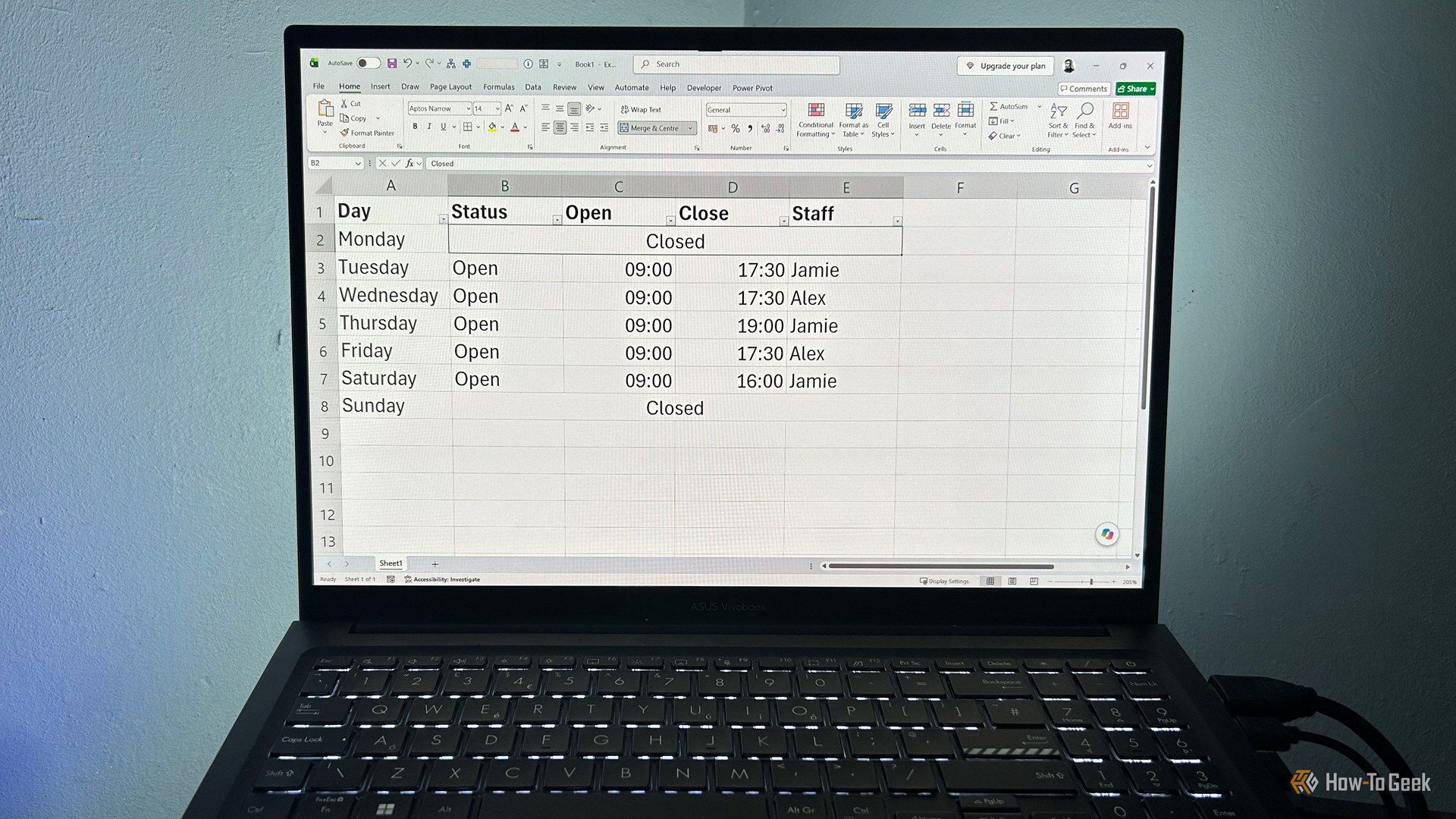
Ditch Merge & Center: The Better Way to Align Text in Excel
Learn to use Excel's "Center Across Selection" to align text across cells without merging, avoiding common data manipulation issues. This guide provides steps to utilize this newly accessible feature and add it to your Quick Access Toolbar.
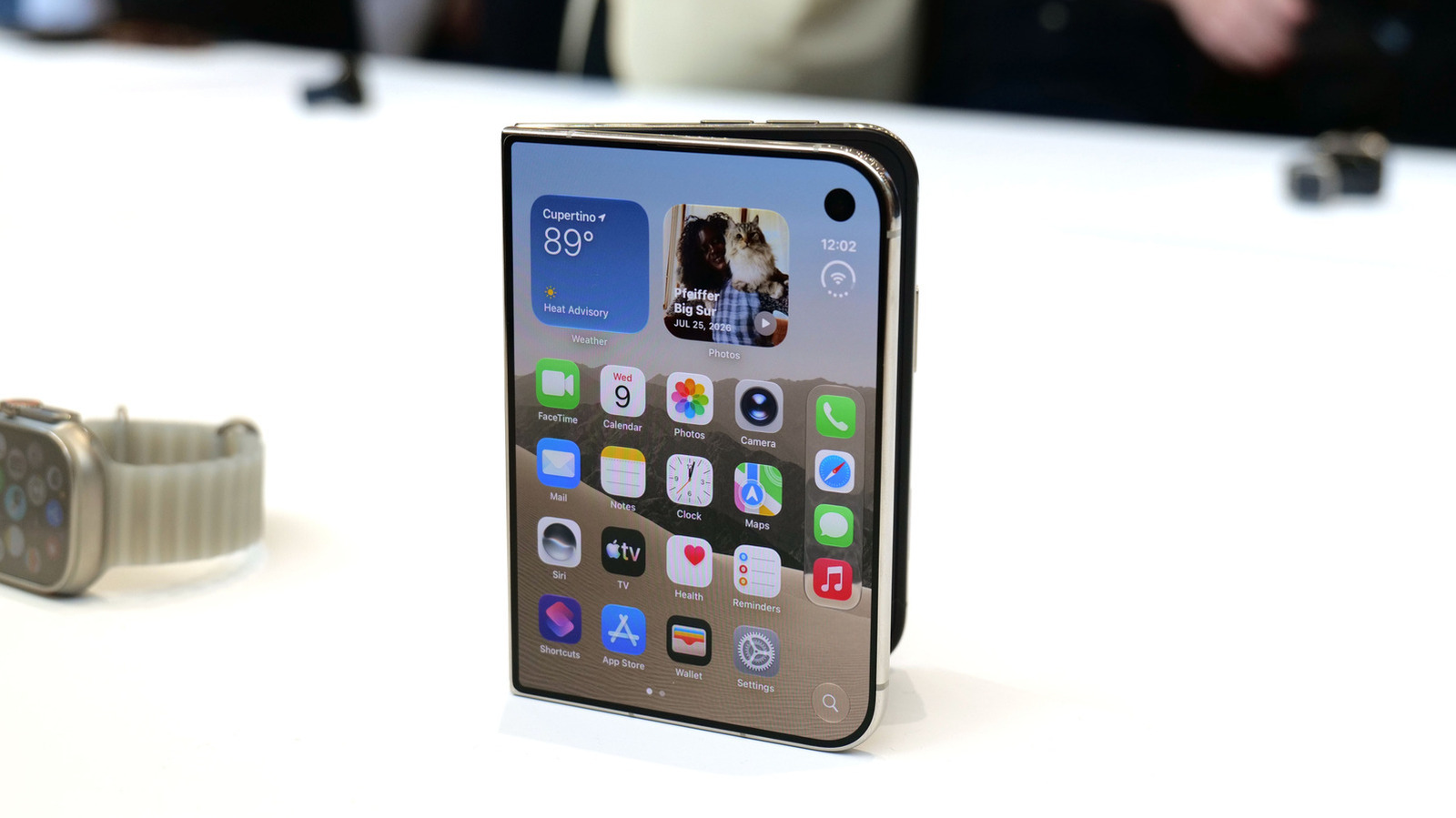
Apple iPhone Duo: A Daring Debut with Notable Compromises
Apple's highly anticipated iPhone Duo, priced at $2,000, has gone on pre-order. While hailed as "Apple's most exciting device in a decade" for its innovative foldable design and immersive display, it comes with significant drawbacks like the absence of FaceID and a premium camera.

AI's Confidence vs. Formal Methods' Rigor: Design Flaws & Verification
While AI accelerates code generation, formal methods remain critical for ensuring system correctness. Languages like TLA+ and tools like Quint enable developers to model and verify system designs before coding, catching subtle flaws. Quint makes formal methods more accessible with developer-friendly syntax and executability. This approach is vital for verifying AI-generated code through trace validation and model-based testing, ensuring reliability against real-world data.

Stop Android Auto Battery Drain: Essential Features to Disable and
Android Auto offers unparalleled convenience, bringing your phone's most useful features directly to your car's display. From navigation and calls to messages and music, it keeps you connected without distracting you

Apple’s new HomeView smart display is $10 cheaper at Amazon: latest
In a rare move for a new Apple product, the highly anticipated HomeView smart display is already available at a discount on Amazon, weeks before its official launch. Consumers can now pre-order Apple's first dedicated