
Toyota EV Shift: A Calculated Gambit
Toyota, long cautious on EVs, is now accelerating with new models and US plant investments, betting on the long game while rivals retreat, aiming to meet future US EV demand.
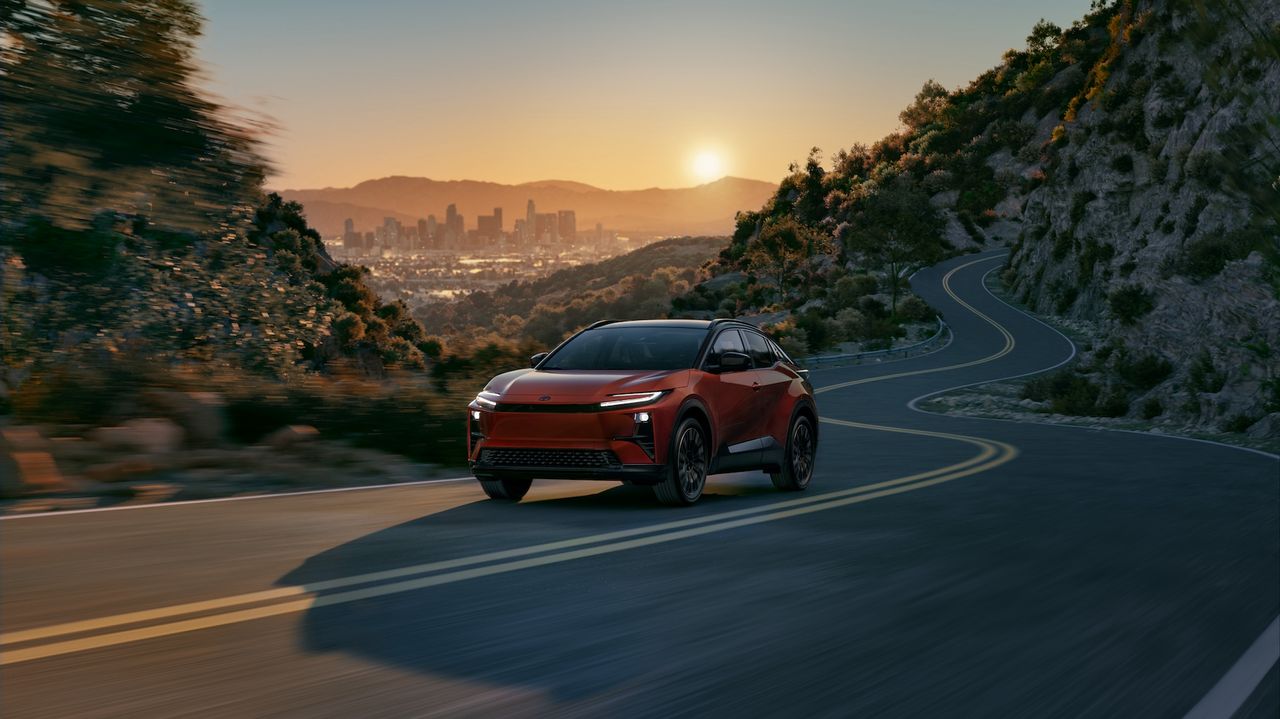
Toyota, long a hybrid pioneer but cautious on Battery Electric Vehicles (BEVs), is now making a significant strategic pivot. While many competitors hit the brakes on EV plans, Toyota is accelerating, announcing new models and substantial US manufacturing investments. This calculated "long game" approach positions them to meet anticipated surges in US EV demand, though it carries inherent risks.
The Japanese automaker commits $1 billion across its Kentucky and Indiana plants, with $800 million specifically for BEV production at its Georgetown, Kentucky facility. This is part of a larger November 2025 commitment to inject up to $10 billion into US plants over five years, signaling a serious, long-term dedication to US-based EV manufacturing.
For consumers, new options are arriving. This year, US customers can expect the compact Urban Cruiser SUV, the C-HR+, and an updated bZ4x model. A fully electric, seven-seat Highlander SUV is slated for a 2027 debut. This lineup aims to address diverse segments, broadening BEV offerings beyond the initial bZ4x. Notably, the bZ4x is already cited as the number three top-selling EV through February 2026, indicating market receptiveness to Toyota's electric ventures.
Toyota’s historical stance favored diversification, "hedging bets" with plug-in and mild hybrid options. This cautious approach now sharply contrasts with recent reversals from brands like Acura, Honda, Dodge, Kia, Hyundai, Volkswagen, and Volvo, many of whom have cancelled or delayed new US EV models citing "volatile market conditions" and "cooling demand."
For the end-user, Toyota’s strategy could mean a more stable and consistently available range of electric vehicles. While other manufacturers create gaps, Toyota actively invests to ensure future supply. This domestic production focus potentially insulates consumers from supply chain vulnerabilities and could lead to more competitive pricing over time, especially as federal incentives fade and buyers look to the pre-owned market. Toyota's general manager, Julia Rege, emphasized this: "the best strategy is to make sure that you're selling what your customers want and being prepared for the future of what customers want as well." This consumer-centric approach, meeting current demand while anticipating future shifts, bodes well for user experience in terms of choice and availability.
Pros and Cons
Pros:
- Long-Term Commitment: Substantial US manufacturing investment (up to $10 billion over five years, $800 million for Kentucky BEV) signals a serious, sustained push, building confidence in future availability and support.
- Strategic Timing: Accelerating while competitors decelerate could allow Toyota to capture market share as demand picks up, supported by a booming used EV market.
- Diversified Lineup: Multiple new models (Urban Cruiser SUV, C-HR+, updated bZ4x, 7-seat Highlander EV by 2027) cater to various consumer needs.
- Market Responsiveness: Toyota's goal to "sell what your customers want" implies a data-driven approach to meet evolving demands, especially with volatile fuel prices pushing alternative powertrains.
Cons:
- Late Mover Disadvantage: Historically slow on BEVs, Toyota plays catch-up to brands with more established EV models, potentially lacking some cutting-edge tech or mature dedicated EV platforms.
- Initial Market Uncertainty: The "long game" may lead to a slower short-term ramp-up for new models, given current "cooling demand" due to incentive cuts and tariffs.
- Limited Immediate Offerings: While new models are coming, immediate selection remains narrower compared to some competitors, though this is rapidly changing.
- Unspecified Pricing: The source lacks pricing details, a critical factor given increasing sticker prices and fading incentives.
Strategic Contrast with Alternatives
The source highlights a stark contrast between Toyota's strategy and several other major automakers. While Toyota invests billions and launches new models, brands like Acura, Honda, Dodge, Kia, Hyundai, Volkswagen, and Volvo are reportedly "pulling a U-Turn" or "cancelled or delayed plans" for new US EV introductions. This is not a comparison of specific car models but a fundamental divergence in market strategy.
Toyota banks on the eventual resurgence and sustained growth of US EV demand, spurred by volatile fuel prices and the booming used EV market. They are positioning themselves to serve this "swelling demand" by building capacity and an expanded product lineup. In essence, while others pause to re-evaluate immediate landscapes, Toyota strategically doubles down, aiming for dominance as the market matures.
Buying Recommendation
For consumers considering an electric vehicle, Toyota’s recent announcements present a compelling new chapter. If you’ve been hesitant about EVs due to range anxiety, charging, or concerns about brand reliability, Toyota’s substantial investment and reputation for dependability could be very appealing.
Recommendation: If you prioritize long-term brand reliability, a growing selection of vehicle types (especially SUVs), and significant manufacturing investment, keep a close eye on Toyota's upcoming Urban Cruiser SUV, C-HR+, and the 2027 Highlander EV. For immediate needs, the updated bZ4x is gaining traction. Toyota's measured "long game" approach, combined with its history, makes it a strong contender. However, for those seeking bleeding-edge EV technology or specific niche performance, more options might exist from brands "all-in" on EVs for longer, though those brands might also be more susceptible to market shifts.
FAQ
Q: Why is Toyota accelerating its EV plans when other brands are slowing down? A: Toyota is described as playing the "long game." While others react to "cooling demand" and "volatile market conditions" for new EVs, Toyota invests heavily now to prepare for an anticipated future surge in US EV demand, driven by factors like volatile fuel prices and the booming used EV market.
Q: What new EV models can I expect from Toyota? A: This year, US customers can expect the compact Urban Cruiser SUV, the C-HR+, and an updated bZ4x model. A new fully electric, seven-seat Highlander SUV is scheduled to debut in 2027.
Q: How much is Toyota investing in US manufacturing for EVs? A: Toyota is earmarking $800 million to prepare its Georgetown, Kentucky, plant specifically for battery electric vehicle production. This is part of a larger commitment to spend up to $10 billion across various US plants over five years.
Related articles
Android 17 QPR2 Beta 7.1: The Performance Relief You've Been Waiting
Android 17 QPR2 Beta 7.1: Finally Fixing the QPR1 Performance Woes Verdict: Android 17 QPR2 Beta 7.1 is a crucial and highly anticipated software update for Google Pixel users, specifically targeting and resolving the

DJI Solo Video Setups: Smart Choices for Lone Creators
This review delves into DJI's recommended solo video setups, highlighting the Osmo Pocket 3 Creator Combo as a top pick for its integrated camera, gimbal, and mic. It also covers stabilizers like the Osmo Mobile 8 and RS 4, and the DJI Mic Mini series for enhanced audio, providing honest pros, cons, and clear buying advice.
TCG Pocket Responds: A Much-Needed Pace Shift for Pokémon Fans
Pokémon TCG Pocket is rolling out a major update for its second anniversary, primarily addressing player concerns about overwhelming content releases by shifting to a six-week set schedule. This aims to curb player decline and improve overall engagement by giving trainers more time to collect and strategize. The update also adds new collection methods, improved deck-building features, and enhanced trading functionality.

Ars Technica's Rocket Report: Your Essential Space Industry Briefing
Quick Verdict Ars Technica's Rocket Report, presented by veteran space reporter Stephen Clark, offers an invaluable and meticulously organized weekly (or similar frequency, implied by "Edition 9.15") digest of the most

Apple iPhone Duo: A Daring Debut with Notable Compromises
Apple's highly anticipated iPhone Duo, priced at $2,000, has gone on pre-order. While hailed as "Apple's most exciting device in a decade" for its innovative foldable design and immersive display, it comes with significant drawbacks like the absence of FaceID and a premium camera.

Tesla Unveils Thruster-Equipped Roadster, 2028 Production Targeted
Tesla has unveiled its second-generation Roadster, featuring cold-gas thrusters co-developed with SpaceX, enabling it to jump and flip. The electric sports car demonstrated 0-60mph in an astonishing 0.81 seconds, with production targeted for 2028. This highly anticipated reveal also serves as a key recruitment tool for Tesla's ambitious AI and robotics initiatives.