
Steam Controller Puck: A Sizzling Safety Hazard Warning
Verdict: A Critical Safety Alert for Steam Controller Puck Owners When new tech enters the market, especially from a company like Valve known for its hardware pushes, excitement is naturally high. However, a recent
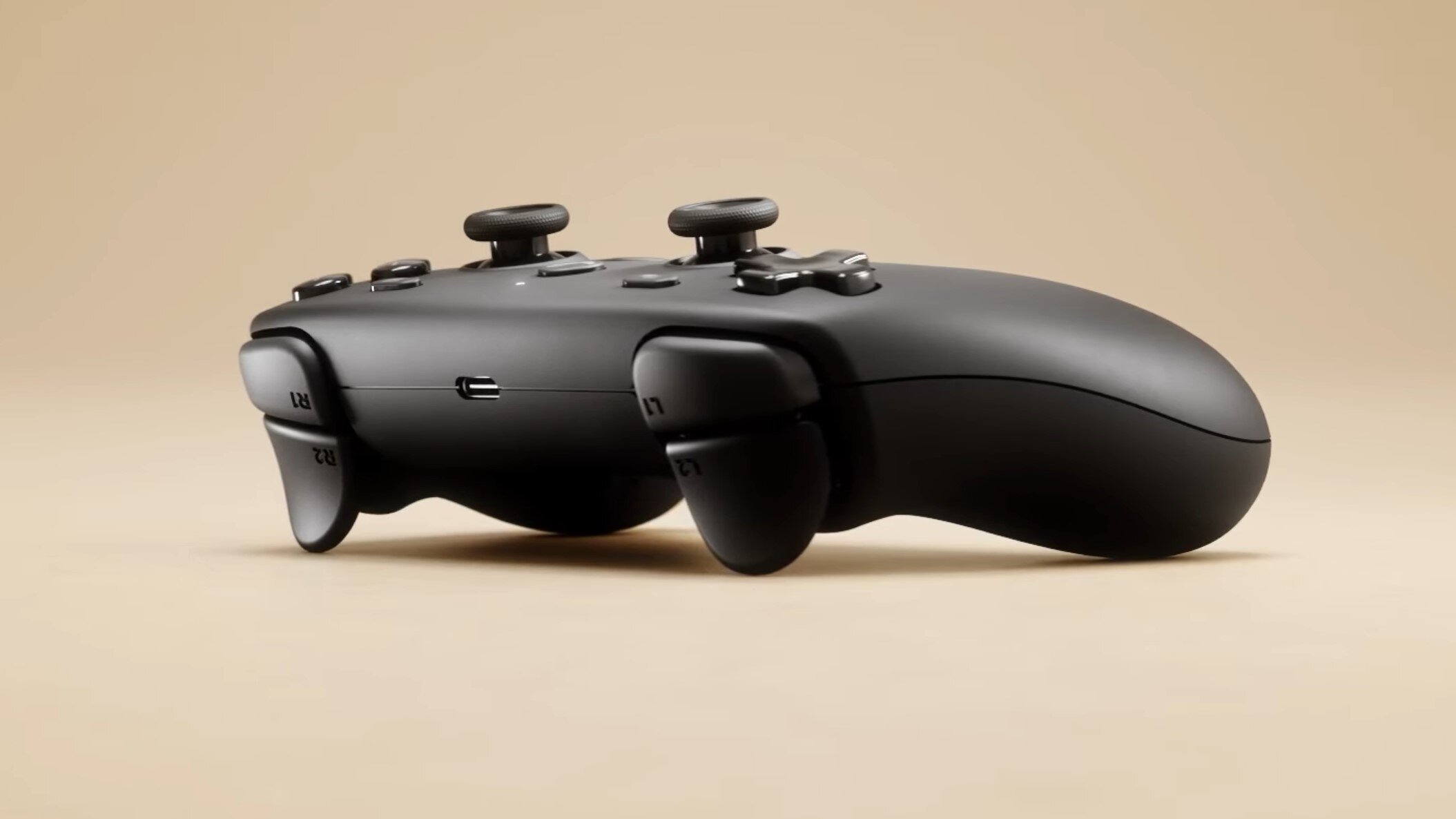
Verdict: A Critical Safety Alert for Steam Controller Puck Owners
When new tech enters the market, especially from a company like Valve known for its hardware pushes, excitement is naturally high. However, a recent incident involving the Steam Controller charging puck and a Pixel Watch band has surfaced, serving as a stark reminder that user experience extends beyond features and performance — it critically includes safety. This isn't a typical product review; it's an urgent PSA. The Steam Controller Puck, designed to power up your gamepad, harbors a serious design flaw: exposed charging pins that can lead to a dangerous short circuit if they come into contact with metallic objects. A Redditor’s near-disaster, involving a Pixel Watch 4’s metallic band, highlighted this hazard, resulting in sizzling metal and visual damage to both devices. While Valve’s manual does issue a warning, the reliance on users meticulously reading safety instructions for such a fundamental risk is concerning. This incident underscores the need for more robust, fail-safe design in consumer electronics, especially those involving power delivery. Our verdict: Exercise extreme caution and be acutely aware of the Steam Controller Puck's exposed contacts to prevent potential injury or property damage.
Unpacking the Incident: A Near-Disaster
The story unfolds from a Reddit post, detailing a chilling close call. A user was charging their Pixel Watch 4 in proximity to their Steam Controller Puck. At an "exact wrong angle," the metallic band of the smartwatch made contact with the exposed pins on the charging puck. The immediate consequence was a terrifying "sizzling" sound, indicating a direct short circuit. Fortunately, the user reacted swiftly, separating the watch band from the puck before a full-blown fire could ignite. While a blaze was averted, the incident left its mark, causing visible damage to both the charging puck and the Pixel Watch band. The user, in their account, took full responsibility for the mishap, acknowledging it as their fault. However, this incident goes beyond individual culpability, raising critical questions about product design and inherent safety.
The Steam Controller Puck: Design and Detail
Valve's Steam Controller is part of a broader hardware initiative that includes other upcoming devices like the Steam Machine and Steam Frame. The charging puck for this controller is a relatively simple device, yet its design incorporates exposed metallic pins. These pins are crucial for delivering power to the controller when it's docked or placed correctly for charging. In an ideal scenario, the controller aligns perfectly, and power flows as intended. However, the critical vulnerability lies in the fact that these pins are continuously live or easily short-circuited when a conductive path is provided. Unlike many modern charging solutions that use recessed contacts or intelligent power delivery systems requiring a handshake with the receiving device before applying full current, the Steam Controller Puck appears to provide power directly through its open contacts. This design choice, while perhaps simplifying the charging mechanism, introduces an inherent risk when metallic objects are inadvertently introduced to the charging surface.
The Pixel Watch Band's Role
The Pixel Watch 4, a wearable from Google, frequently comes with various band options, including metallic ones. These metal bands, often made from materials like stainless steel or aluminum, are highly conductive. In the reported incident, it was precisely this conductive nature that turned a seemingly innocuous accessory into a potential fire hazard. The moment the metallic band bridged the gap between the exposed pins on the Steam Controller Puck, it completed an unintended circuit, leading to the rapid flow of current and subsequent heat generation, manifesting as the "sizzling" reported by the user. This highlights that the risk isn't limited to specific metal objects; any conductive material, be it a coin, a key, or another metallic watch band, could trigger a similar dangerous reaction.
Safety Warnings: Read the Manual (Or Should You Have To?)
In fairness to Valve, the Steam Controller's user manual does contain a warning regarding metallic objects and the charging puck. It states, "Magnetic parts may attract metallic items. To reduce the potential risk of sparks and resulting property damage or possible injury, make sure that the wireless adapter and charging puck and Controller are free of metallic objects before connecting." This clearly indicates Valve's awareness of the hazard. However, the reality of consumer behavior often diverges from manufacturers' expectations. How many users genuinely read every line of a user manual for a gaming accessory? Furthermore, beyond the primary user, guests or other household members might interact with the device without any knowledge of such specific warnings. Relying solely on a manual for preventing such a significant safety risk seems inadequate in a world where intuitive and fail-safe design is increasingly expected.
A Deeper Look at Design Philosophy: Pros and Cons
Analyzing the Steam Controller Puck from a safety and user experience perspective reveals a critical design oversight.
Pros (related to its intended function, not safety):
- Simplicity of Use (for intended device): When used exclusively with the Steam Controller, the puck likely offers a straightforward and convenient charging method, allowing users to simply place the controller down to initiate power delivery.
- Dedicated Charging Solution: It provides a specific, dedicated spot for the Steam Controller, avoiding the need for cables to be constantly plugged and unplugged directly into the gamepad.
Cons (primarily safety and design):
- Exposed Live Pins: This is the most significant flaw. The metallic contacts are openly accessible, posing an immediate risk of short-circuiting with any conductive material.
- Lack of Intelligent Power Handshake: Unlike many modern charging technologies (e.g., USB-C Power Delivery or some wireless charging pads), the puck seemingly does not require a "handshake" or verification with the device before delivering power. This means it's constantly 'live' or easily triggered.
- High Risk of Accidental Short Circuit: The open design dramatically increases the probability of accidental contact with metallic objects, leading to sparks, heat, and potential damage or fire.
- Reliance on User Manual for Basic Safety: Placing the burden of preventing a fundamental safety hazard entirely on the user's diligence in reading a manual is a poor design choice, especially when more robust engineering solutions exist.
- Potential for Property Damage and Injury: The direct consequence of a short circuit can range from damage to the devices involved to, in worst-case scenarios, starting a fire and causing personal injury.
Comparison and Alternatives
In this specific context, directly comparing the Steam Controller Puck to alternative charging solutions for the Steam Controller is difficult, as the article doesn't mention any other official or widely available charging methods for the device. The puck is presented as Valve's dedicated solution. However, we can implicitly compare its design philosophy to safer charging standards. Many devices today utilize recessed or covered contacts, USB-C ports, or inductive wireless charging (like Qi) where the power transfer mechanism is inherently safer against accidental contact with metallic objects. Some charging systems even incorporate intelligent circuitry that detects if a legitimate device is present before enabling full power output. The Steam Controller Puck, with its exposed pins, falls short when measured against these safer contemporary design practices. Therefore, no comparison table is applicable here, as it's not about competing products but rather a safety design critique of a specific accessory.
Recommendation: Prioritize Vigilance and Prevention
Given the inherent risks posed by the Steam Controller Puck's exposed design, our recommendation is not a buying guide, but a crucial safety advisory. If you own a Steam Controller and its charging puck, exercise extreme caution.
- Keep it Isolated: Store and use the charging puck in an area where it is entirely isolated from other metallic objects, particularly jewelry, coins, keys, or other electronic devices with exposed metal parts (like watch bands).
- Awareness is Key: Be mindful of its presence, especially if you have children or pets who might inadvertently interact with it.
- Consider a Cover: If feasible, explore non-conductive covers or physical barriers that can shield the exposed pins when the puck is not actively charging the controller.
- Educate Household Members: Inform anyone who might use or come into contact with the device about the potential hazard.
While the Redditor took blame, this incident highlights a design that could be significantly improved for user safety. Valve, and other manufacturers, should prioritize designs that minimize such risks, moving towards 'idiot-proof' safety mechanisms rather than relying solely on user manuals.
FAQ
Q: Is the Steam Controller Puck inherently dangerous? A: The Steam Controller Puck is not inherently dangerous when used precisely as intended with the Steam Controller. However, its design featuring exposed metallic charging pins presents a significant inherent risk of short-circuiting if any other conductive metallic object comes into contact with these pins. This design choice makes it prone to accidental hazards like the one described.
Q: What steps can users take to prevent a similar incident? A: Users should store and use the Steam Controller Puck in an area completely free of other metallic objects. It's crucial to be vigilant and aware of its exposed contacts. Consider placing a non-conductive cover over the puck when it's not in use, and educate anyone in your household about the potential hazard to ensure metallic items, like watch bands or keys, are kept far away.
Q: Should Valve redesign the charging puck? A: Based on this incident and the feedback from users, a redesign of the charging puck to incorporate safer elements would be highly beneficial. Implementing features like recessed contacts, intelligent power delivery that requires a handshake with the controller, or a physical cover mechanism would significantly enhance user safety and reduce the risk of accidental short circuits, moving beyond reliance on warnings in a manual.
Related articles
Android 17 QPR2 Beta 7.1: The Performance Relief You've Been Waiting
Android 17 QPR2 Beta 7.1: Finally Fixing the QPR1 Performance Woes Verdict: Android 17 QPR2 Beta 7.1 is a crucial and highly anticipated software update for Google Pixel users, specifically targeting and resolving the

DJI Solo Video Setups: Smart Choices for Lone Creators
This review delves into DJI's recommended solo video setups, highlighting the Osmo Pocket 3 Creator Combo as a top pick for its integrated camera, gimbal, and mic. It also covers stabilizers like the Osmo Mobile 8 and RS 4, and the DJI Mic Mini series for enhanced audio, providing honest pros, cons, and clear buying advice.

Ars Technica's Rocket Report: Your Essential Space Industry Briefing
Quick Verdict Ars Technica's Rocket Report, presented by veteran space reporter Stephen Clark, offers an invaluable and meticulously organized weekly (or similar frequency, implied by "Edition 9.15") digest of the most

Apple iPhone Duo: A Daring Debut with Notable Compromises
Apple's highly anticipated iPhone Duo, priced at $2,000, has gone on pre-order. While hailed as "Apple's most exciting device in a decade" for its innovative foldable design and immersive display, it comes with significant drawbacks like the absence of FaceID and a premium camera.

KDE Plasma 6.8: A Future-Focused 30th Anniversary Update
Quick Verdict KDE Plasma 6.8, arriving as the "30th Anniversary Edition," is a pivotal release that decisively pushes the desktop environment into the future. With a definitive farewell to native X11 sessions and a
Galaxy Watch One UI 9 Beta: Promising Progress, But Patience Needed
Galaxy Watch 8, Watch Ultra, and Watch 7 are receiving a new One UI 9 Watch beta build with bug fixes and a security patch. Active development signals progress, but a stable release date remains elusive.