
startups: All 11 xAI co-founders have now reportedly left Elon Musk’s
All eleven co-founders of Elon Musk's artificial intelligence company, xAI, have reportedly departed, culminating in a complete overhaul of its founding team. This exodus follows Musk's admission that xAI's products were "not built right" and comes amidst a $250 billion acquisition by SpaceX and a highly competitive AI talent market.
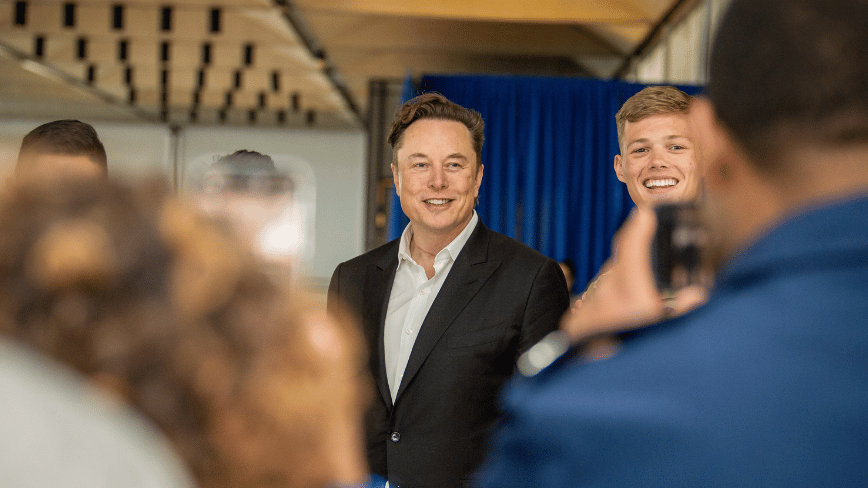
All eleven co-founders recruited by Elon Musk to establish his artificial intelligence venture, xAI, have now reportedly departed the company. This complete exodus, culminating with the recent exits of Manuel Kroiss and Ross Nordeen, marks a critical turning point for xAI. The company was valued at $250 billion during its February acquisition by SpaceX, and Musk himself recently admitted its foundational products were "not built right the first time around" and required a complete rebuild.
The departure of this entire founding cohort represents a significant blow, given the caliber of talent Musk assembled in 2023. Among them were some of the most respected researchers in the AI field, including Jimmy Ba, co-author of the highly influential 2014 Adam optimization paper, cited over 95,000 times. Igor Babuschkin, chief engineer, hailed from Google DeepMind, as did Christian Szegedy from Google. Tony Wu led the reasoning team, while others like Greg Yang, Toby Pohlen, Zihang Dai, Guodong Zhang, and Kyle Kosic brought experience from DeepMind, Google, Microsoft, and OpenAI. Their collective exit leaves a substantial void at the core of xAI's research and development efforts.
A Timeline of Departures
The steady trickle of departures transformed into a cascade in early 2026, though Christian Szegedy's exit in February 2025 offered an initial hint of underlying issues. The rapid succession began on February 10, 2026, with Tony Wu’s departure. Jimmy Ba followed suit within 24 hours, reportedly amidst internal disagreements regarding demands for enhanced model performance. By mid-March, only Kroiss and Nordeen remained; their recent exits finalize the complete turnover of the original co-founding team.
Corporate Context and Financial Challenges
This personnel upheaval coincides with major corporate restructuring around xAI. Just weeks prior, on February 2, SpaceX completed an all-stock acquisition of xAI. This monumental deal valued SpaceX at $1 trillion and xAI at $250 billion, creating a combined entity worth $1.25 trillion – the largest corporate merger by valuation in history. The acquisition aimed to unify xAI, X (formerly Twitter), and SpaceX under a single corporate umbrella, with SpaceX reportedly preparing for a potential mid-2026 IPO targeting a $1.75 trillion valuation.
Further complicating matters, Tesla had invested $2 billion in xAI's Series E funding round in January, at an approximate $230 billion valuation. This investment quickly drew scrutiny, leading to a lawsuit from Tesla shareholders accusing Musk of breaching his fiduciary duty by channeling shareholder capital into his privately held venture. The lawsuit gained momentum on March 13, when Musk publicly conceded that xAI's AI coding tools were deficient and unable to compete with established offerings like Anthropic’s Claude Code or OpenAI’s Codex, effectively admitting that the $2 billion invested by Tesla shareholders went into a company he deemed needed a complete overhaul.
The Highly Competitive AI Talent Market
Musk’s stark admission likely served as a significant catalyst for the co-founders' decisions. In the intensely competitive AI talent market of 2026, top researchers are in extremely high demand, commanding extraordinary compensation packages. Reports indicate that Meta is offering up to $300 million over four years to retain leading AI talent, while OpenAI, Google DeepMind, and Anthropic are aggressively expanding their teams. For such highly sought-after individuals, the incentive to remain with a company acknowledged by its own leader as needing fundamental rebuilding, particularly when facing organizational instability, is severely diminished. Their collective departure underscores the premium placed on top-tier AI expertise.
xAI's Remaining Assets and Future Outlook
Despite the mass exodus of its founding research team, xAI retains considerable assets. The Colossus supercomputer, with over 200,000 NVIDIA H100 GPUs, stands as one of the world's largest AI training clusters. Grok, the company’s chatbot, benefits from direct distribution through X's user base. The integration with SpaceX also provides access to capital, infrastructure, and engineering talent at a scale few AI companies can match. However, the core question remains whether infrastructure and distribution alone can suffice when the research leadership, intended to ensure product competitiveness, has entirely departed.
Musk's Leadership Pattern
The situation at xAI echoes a pattern seen across other companies helmed by Elon Musk. Twitter, for example, lost the majority of its senior leadership and roughly 80% of its workforce shortly after his 2022 acquisition. Tesla has also experienced steady attrition within its senior ranks as Musk's attention is divided among his various enterprises. His management style, while exceptionally successful in hardware engineering, enabling the rapid development of SpaceX and Tesla through high-risk tolerance and quick iteration, appears less effective in research-intensive fields. In these domains, top talent has abundant alternatives and a low tolerance for instability, suggesting xAI's challenges are fundamentally organizational rather than merely financial or infrastructural. The difficulty of rebuilding a research culture, once its creators have left, is immense, regardless of capital.
FAQ
Q: What factors led to the mass departure of xAI's co-founders?
A: The exodus accelerated in early 2026, following Elon Musk's public admission on March 13 that xAI's AI coding tools were not competitive and the underlying system needed to be rebuilt. This, coupled with the highly competitive AI talent market where top researchers command extraordinary compensation, likely diminished their incentive to remain with a company facing acknowledged product failure and organizational instability.
Q: What key assets does xAI retain despite the complete turnover of its founding research team?
A: xAI still owns the Colossus supercomputer, one of the world's largest AI training clusters with over 200,000 NVIDIA H100 GPUs. Its chatbot, Grok, also benefits from a broad distribution channel via X's user base. Furthermore, the recent acquisition by SpaceX provides access to significant capital, infrastructure, and engineering talent.
Q: How does this situation at xAI compare to Elon Musk's leadership at his other companies?
A: The xAI co-founder exodus mirrors patterns seen at Twitter, which lost much of its senior leadership and workforce post-acquisition, and Tesla, which has experienced senior-level attrition. While Musk's management excels in hardware engineering through rapid iteration and risk-taking, it appears less effective in research-driven fields where top talent prioritizes stability and has numerous alternative opportunities, indicating that xAI's core challenges are organizational.
Related articles

Apple Unveils iPhone Duo: Pricey Foldable Sees Soaring Demand
Apple has officially entered the foldable smartphone arena with the long-anticipated launch of the iPhone Duo. Priced starting at a hefty $1,999, the device features a 5.4-inch outer display and a larger 7.6-inch inner

in-depth: Chicago-Area Cops Helped HSI Spy on Minnesota Anti-ICE
Chicago-area law enforcement, including local police and HSI agents, conducted undercover surveillance on Minnesota anti-ICE activists at an April 2, 2022, talk in Chicago. This operation was part of a federal conspiracy probe into 15 Minnesota activists facing felony charges related to immigration enforcement resistance. Civil liberties advocates have condemned the surveillance as a troubling intrusion into protected political activity.

Mark Wahlberg on using AI in film ‘the right way’ and being open to
Actor Mark Wahlberg believes AI has a place in filmmaking if used responsibly for enhancement, not script generation or actor replacement. At TechCrunch Disrupt, he expressed openness to an AI likeness carrying on his legacy, managed by his family, and emphasized storytelling.
Tesla Unveils Thruster-Equipped Roadster, 2028 Production Targeted
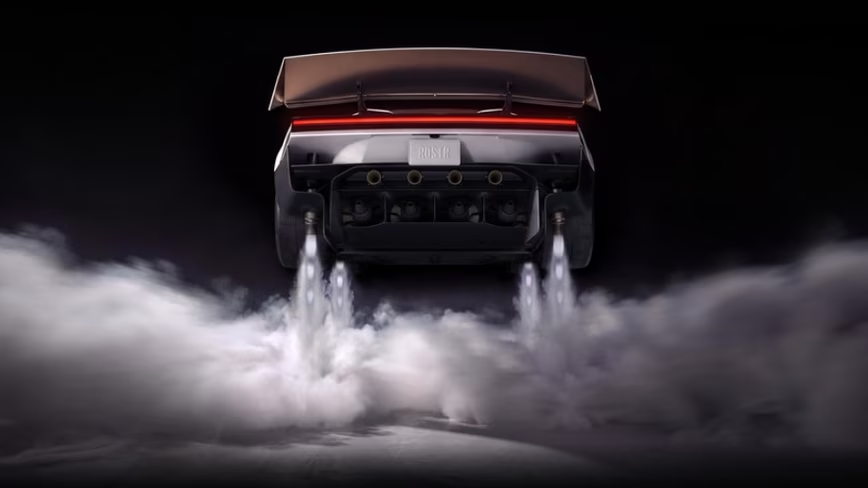
Tesla has unveiled its second-generation Roadster, featuring cold-gas thrusters co-developed with SpaceX, enabling it to jump and flip. The electric sports car demonstrated 0-60mph in an astonishing 0.81 seconds, with production targeted for 2028. This highly anticipated reveal also serves as a key recruitment tool for Tesla's ambitious AI and robotics initiatives.
Amazon Prime Video Launches AI-Powered Prime 360 for NBA Coverage
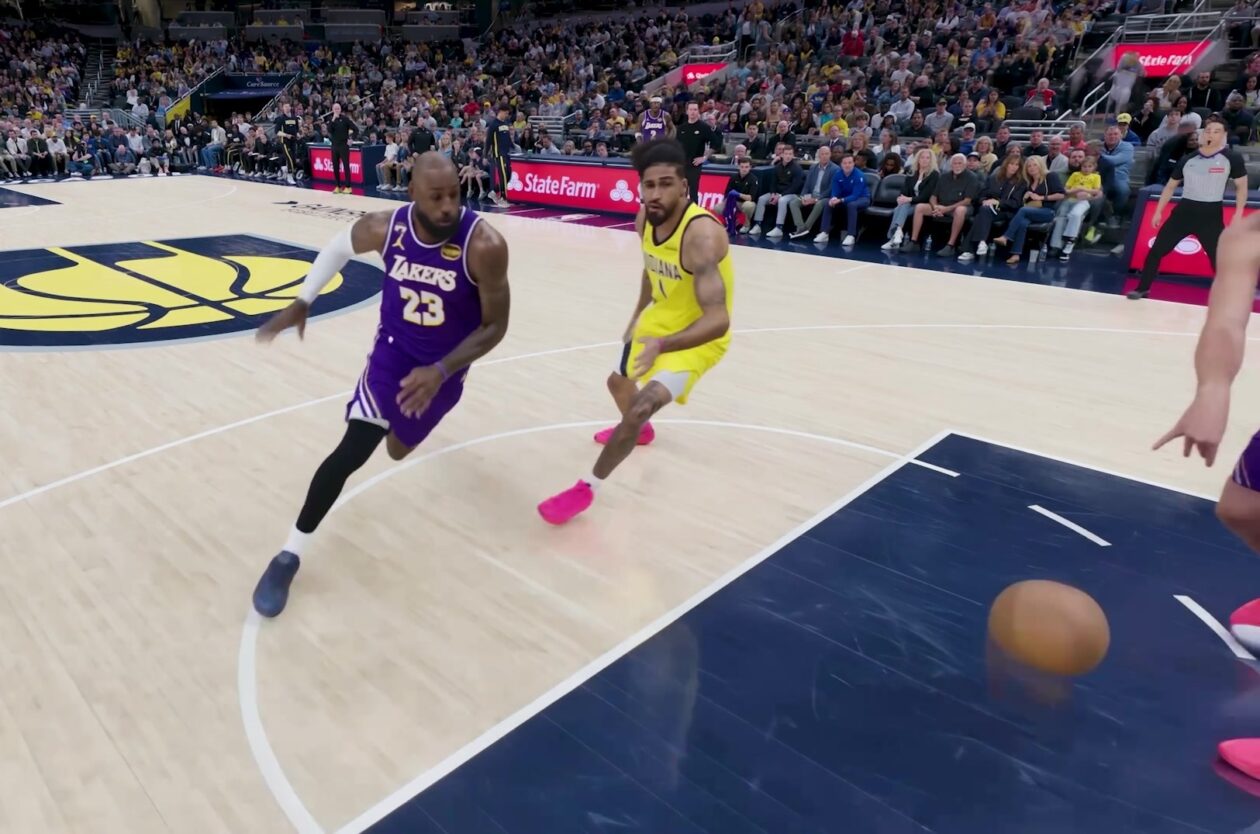
Amazon Prime Video is elevating its NBA coverage with the introduction of Prime 360, an AI-powered replay system offering immersive, 'fly through' views of the action. Kicking off its second season, Prime Video also adds Yahoo fantasy integration and gains exclusive Eastern Conference Finals rights, expanding its tech-driven sports broadcast. The new features aim to deliver a unique and interactive viewing experience for basketball fans.
regional: A two-person Seattle startup lands $1M to reinvent
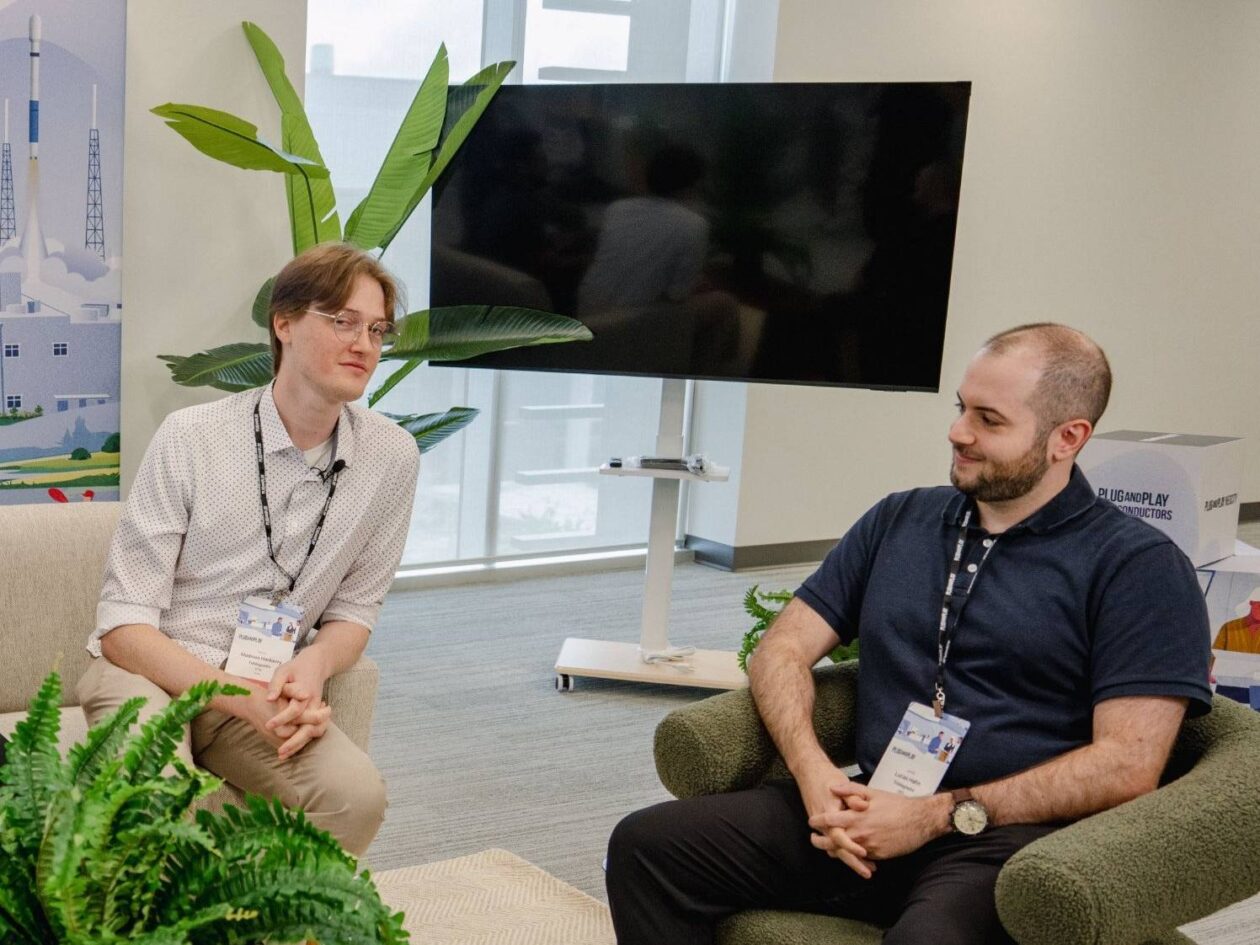
Seattle startup TriMagnetix has secured $1 million to develop semiconductor chips that consume 800 times less energy and are radiation-resistant. The two-person company, leveraging nanomagnetic technology, is targeting space applications and data centers. With new funding and key partnerships, TriMagnetix aims for commercial sales within a year.