
Starfleet Academy S3's Lost Voyager Sequel: A Deep Dive into
The cancellation of Starfleet Academy Season 3 means the loss of Robert Picardo's dream episode: a "Living Witness" sequel exploring the EMH's "daddy issues" and identity across centuries, a truly missed opportunity.
Verdict: A Galactic-Sized Missed Opportunity
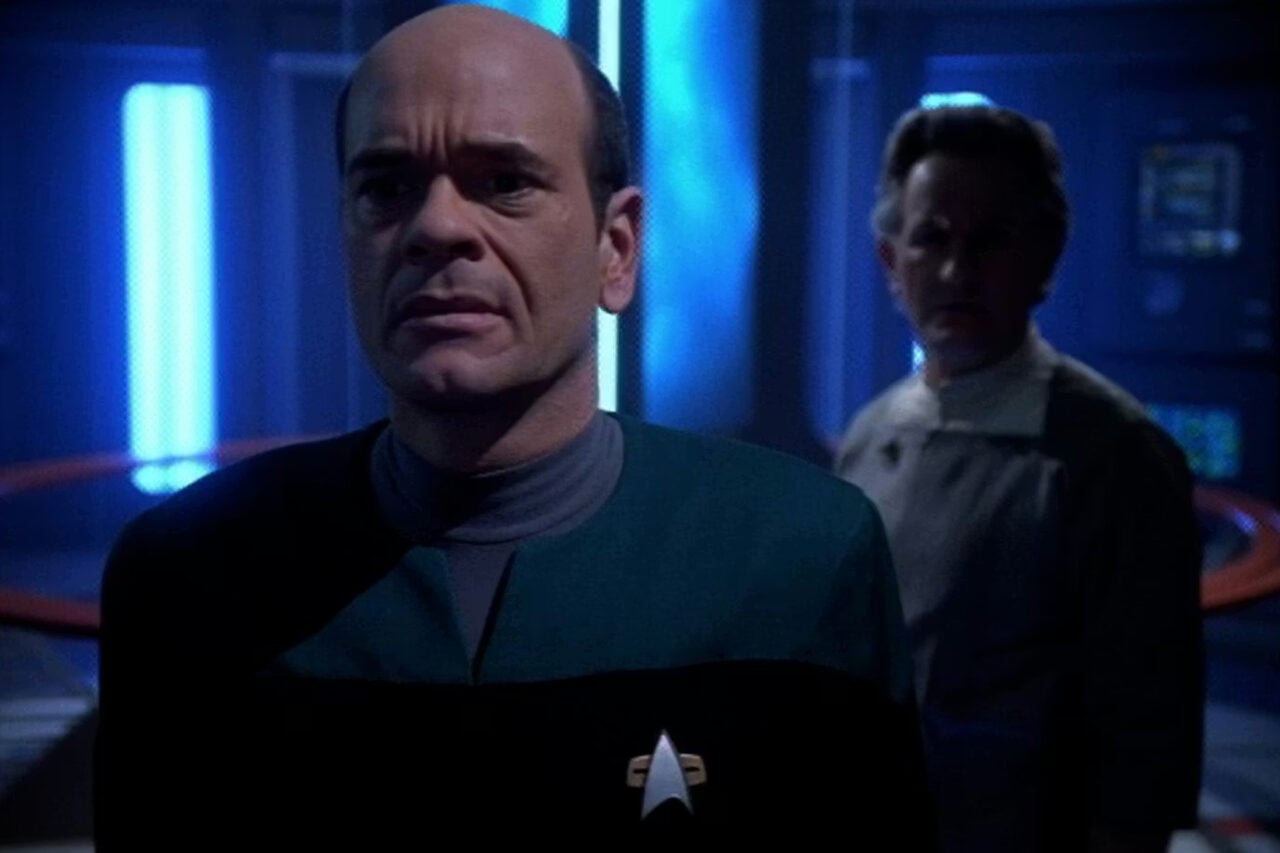
The abrupt cancellation of Starfleet Academy Season 3, much like Prodigy before it, stings deeply for Star Trek fans, but perhaps no loss feels quite as pointed as the squandered potential for a Voyager sequel centered on Robert Picardo's Emergency Medical Hologram (EMH). What could have been a brilliant, multi-layered exploration of one of the franchise's most compelling characters, building directly on the iconic "Living Witness" episode, now stands as a testament to creative ideas cut short. Robert Picardo himself reveals his ambitious vision for what would have been an unforgettable Season 3 episode, promising a character study of unprecedented depth and a treat for long-time enthusiasts.
The Setup: A Hologram Across Time
The allure of the Doctor, first introduced in Star Trek: Voyager, lies in his profound journey from a utilitarian program to a sentient being wrestling with identity, ethics, and emotion. The Season 4 Voyager episode, "Living Witness," offered a unique, time-bending glimpse into his potential future. Set centuries after Voyager's return, it depicted a backup version of the Doctor being reactivated in the 32nd century. This iteration discovered wildly inaccurate historical accounts of Voyager and dedicated himself to correcting the record, eventually uniting warring alien factions and departing the Delta Quadrant in his own vessel, aiming for Earth. This narrative thread, spanning hundreds of years and showcasing the Doctor's enduring impact, was ripe for a follow-up, especially given Starfleet Academy's own 32nd-century setting.
When Robert Picardo was confirmed to reprise his role on Starfleet Academy, fan expectations naturally soared for a "Living Witness" continuation. The timeline was perfect, and the narrative possibilities seemed endless. However, Academy's first season took a different path, opting instead for a sequel to Voyager's "Real Life," an episode where the Doctor explored the complexities of creating a holographic family. This served to forge a bond between the Doctor and one of the young cadets, Sam, offering a fresh, mentor-driven dynamic.
Picardo's Unveiled Vision: A Multi-Doctor Saga
While the "Real Life" follow-up was a valid character beat, Picardo himself championed a different direction for Season 3, one that would directly engage with "Living Witness." Speaking on the D-Con Chamber podcast after the show's cancellation, Picardo detailed his ambitious concept: an episode featuring not one, but potentially three versions of himself. The core idea involved the Starfleet Academy-era Doctor encountering his "Voyager backup" from "Living Witness" – his "old self" as he appeared at age 41. The initial dynamic would be one of conflict, with the younger Doctor (despite both programs technically being the same age) taking issue with his Starfleet Academy counterpart for having programmed aging subroutines into his appearance.
However, this initial clash would evolve into a collaborative effort. The two Doctors would be compelled to work together, bonding over their shared, complicated relationship with their creator, Lewis Zimmerman. Zimmerman, also played by Picardo in various Voyager and Deep Space Nine appearances, was the EMH's surly 'father figure.' Picardo articulated the thematic heart of the episode: "The Doctor and his backup program are two children of the same parent; one has resolved the issues, the other hasn’t, and after 800 years, those daddy issues, those parental conflicts, they don’t go away if you don’t deal with them." This concept promised a profound exploration of identity, legacy, and unresolved emotional baggage, all through the lens of a holographic being.
Analysis: Pros and Cons of a Lost Masterpiece
Pros of the Proposed "Living Witness" Sequel:
- Deep Character Exploration: Picardo's vision would have allowed for an unparalleled dive into the Doctor's psyche. Exploring "daddy issues" and the long-term impact of creation on a sentient program offers rich thematic ground for personal growth and self-discovery, even after 800 years.
- Fan Service and Continuity: Directly picking up on "Living Witness" would have been a massive payoff for long-time Voyager fans, validating a unique storyline and tying directly into established continuity in a meaningful way.
- Acting Showcase: The prospect of Robert Picardo interacting with multiple versions of himself (the younger "Living Witness" Doctor, the Starfleet Academy Doctor, and potentially even Zimmerman himself) would have been a tour de force for the actor and a visual treat for audiences.
- Unique Narrative Opportunity: The idea of two versions of the same program, one having aged and one remaining static, confronting their different paths and unresolved conflicts is a conceptually brilliant narrative device that only Star Trek could truly explore.
- Emotional Resonance: The concept of parental conflicts persisting for centuries in a holographic being adds a layer of poignant, philosophical depth, making the Doctor's struggle universally relatable despite his artificial nature.
Cons/Missed Opportunities:
- Delayed Gratification: The fact that this idea was relegated to Season 3 meant fans had to wait, and ultimately, the show's cancellation ensured it would never materialize. The initial choice to follow "Real Life" meant deferring this potentially more impactful character arc.
- Lost Crossover Potential: While Starfleet Academy aimed to forge new connections with its young cadets, the "Living Witness" sequel could have offered a compelling bridge between past Trek eras and the 32nd century in a way that directly interrogated the franchise's history.
- Unrealized Artistic Vision: For Picardo, who initially pitched the Zimmerman concept years ago on Voyager, this represented the culmination of a long-held creative desire, now tragically unrealized.
While Starfleet Academy's first season successfully used the "Real Life" follow-up to integrate the Doctor into the new series as a mentor figure to Cadet Sam, the proposed "Living Witness" sequel offered a fundamentally different, and arguably deeper, exploration of the character's internal life and long-term legacy. Both approaches had merit, but Picardo's Season 3 pitch would have been less about the Doctor's role as a teacher and more about his ongoing evolution and self-identity across the millennia.
Buying Recommendation: A Concept Worth Mourning
For any discerning Star Trek fan, especially those who appreciate deep character dives and clever continuity, Robert Picardo's proposed "Living Witness" sequel for Starfleet Academy Season 3 was an absolute must-have. This was not merely a nostalgic nod; it was a thoughtfully conceived narrative that promised to push one of Star Trek's most beloved characters into new and exciting thematic territory. It would have offered both intellectual stimulation and genuine emotional resonance, providing a rich, multi-layered experience that deserved to be seen. Its cancellation represents a significant loss for the franchise and its devoted audience.
FAQ
Q: Why was the "Living Witness" sequel so anticipated?
A: It was highly anticipated because the original Voyager episode "Living Witness" left a unique version of the Doctor activated in the 32nd century, offering a direct, time-spanning continuation for a beloved character perfectly aligned with Starfleet Academy's future setting.
Q: What made Robert Picardo's proposed episode unique?
A: Picardo's idea was unique for its potential to feature multiple versions of the Doctor, exploring complex themes of aging, self-identity, and unresolved "daddy issues" with his creator, Lewis Zimmerman, all portrayed by Picardo himself, promising a rich character study.
Q: Was there an alternative Doctor-centric episode in Starfleet Academy?
A: Yes, Starfleet Academy's first season featured a follow-up to Voyager's "Real Life" episode, which focused on the Doctor's holographic family and his new role as a mentor to Cadet Sam, serving a different narrative purpose than the proposed "Living Witness" sequel.
Related articles
Android 17 QPR2 Beta 7.1: The Performance Relief You've Been Waiting
Android 17 QPR2 Beta 7.1: Finally Fixing the QPR1 Performance Woes Verdict: Android 17 QPR2 Beta 7.1 is a crucial and highly anticipated software update for Google Pixel users, specifically targeting and resolving the

DJI Solo Video Setups: Smart Choices for Lone Creators
This review delves into DJI's recommended solo video setups, highlighting the Osmo Pocket 3 Creator Combo as a top pick for its integrated camera, gimbal, and mic. It also covers stabilizers like the Osmo Mobile 8 and RS 4, and the DJI Mic Mini series for enhanced audio, providing honest pros, cons, and clear buying advice.

Ars Technica's Rocket Report: Your Essential Space Industry Briefing
Quick Verdict Ars Technica's Rocket Report, presented by veteran space reporter Stephen Clark, offers an invaluable and meticulously organized weekly (or similar frequency, implied by "Edition 9.15") digest of the most
Apple iPhone Duo: A Daring Debut with Notable Compromises
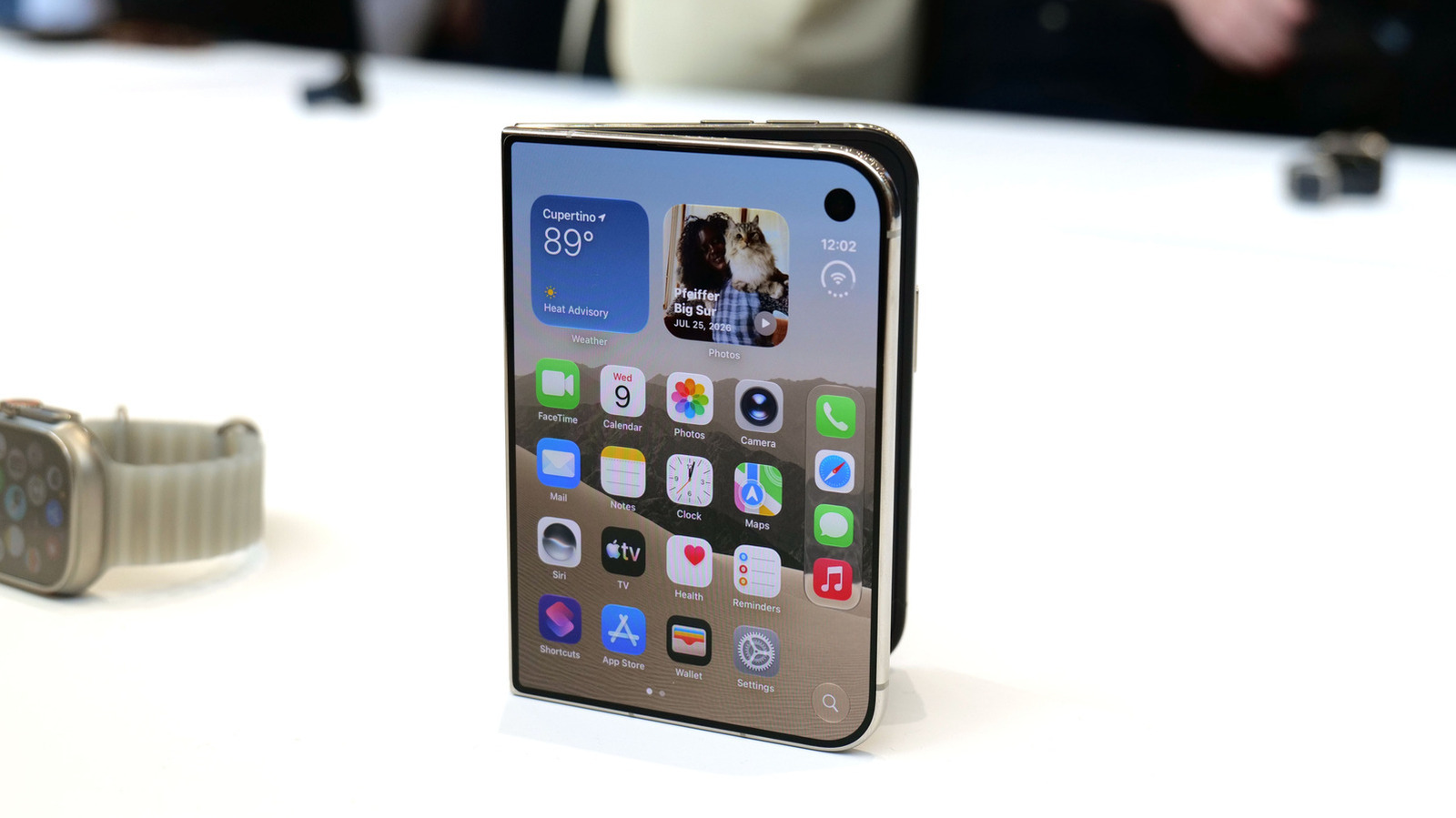
Apple's highly anticipated iPhone Duo, priced at $2,000, has gone on pre-order. While hailed as "Apple's most exciting device in a decade" for its innovative foldable design and immersive display, it comes with significant drawbacks like the absence of FaceID and a premium camera.
KDE Plasma 6.8: A Future-Focused 30th Anniversary Update
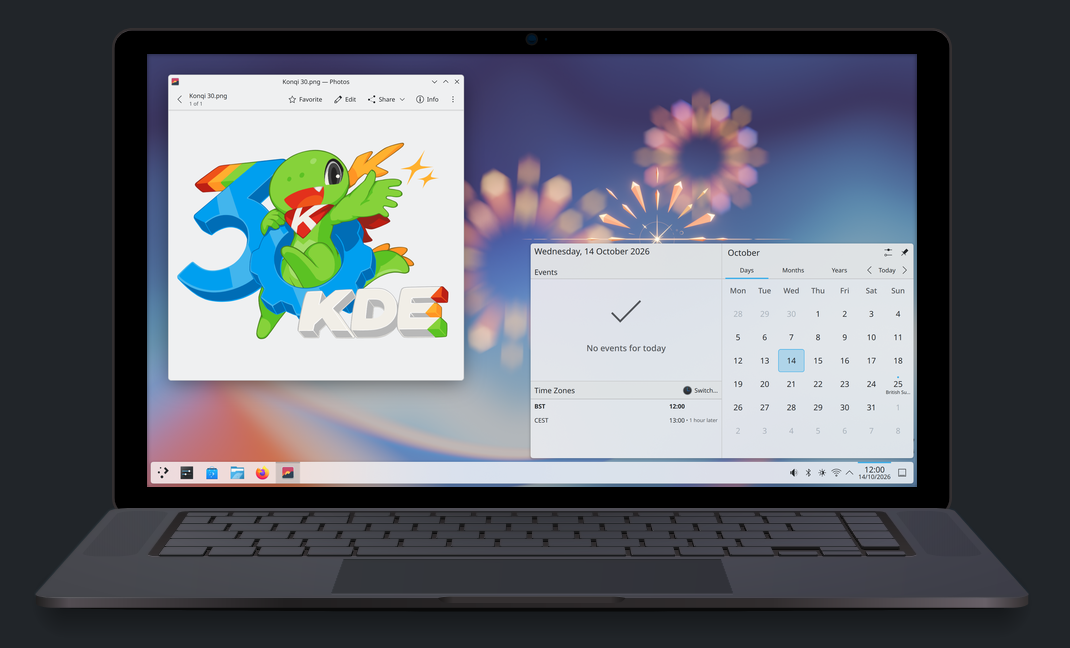
Quick Verdict KDE Plasma 6.8, arriving as the "30th Anniversary Edition," is a pivotal release that decisively pushes the desktop environment into the future. With a definitive farewell to native X11 sessions and a

Ephemeral PR Preview Environments on GKE: A Deep Dive
Every development team eventually grapples with the limitations of shared staging environments. The familiar scenario: multiple features deployed simultaneously, database migrations clashing, and the phrase "it works on