
Sony Inzone M10S II: An eSports OLED Beast with a Premium Price
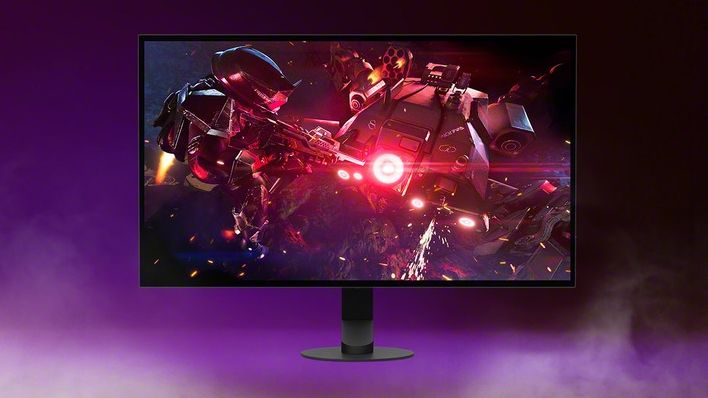
Sony Inzone M10S II: An eSports OLED Beast with a Premium Price Quick Verdict: The Sony Inzone M10S II is an uncompromising 27-inch QHD OLED gaming monitor designed squarely for professional eSports enthusiasts,
Sony Inzone M10S II: An eSports OLED Beast with a Premium Price
Quick Verdict: The Sony Inzone M10S II is an uncompromising 27-inch QHD OLED gaming monitor designed squarely for professional eSports enthusiasts, offering blistering refresh rates up to 720 Hz (at 720p) and a suite of gamer-centric enhancements. While its $1,099 price tag and late 2026 launch put it out of reach for many, serious competitors willing to pay a premium for every possible edge will find a lot to love.
Introduction
The landscape of high-performance gaming monitors is constantly evolving, with dual-mode panels becoming increasingly prevalent. Sony is making a significant play in this space with its latest offering, the Inzone M10S II. Positioned as a substantial upgrade to the existing Inzone M10S, this new monitor aims to deliver cutting-edge performance for the most demanding competitive gamers. It's clear that Sony has listened to professional feedback, integrating several features specifically requested by the eSports community. But does its impressive spec sheet justify its steep price and distant release date?
Core Specifications: Built for Speed
At its heart, the Inzone M10S II is a 27-inch QHD (2560 x 1440) monitor featuring a fourth-generation LG WOLED panel, enhanced with what Sony calls "Primary RGB Tandem technology." This foundation promises vibrant colors and true blacks inherent to OLED technology. The monitor’s native QHD resolution boasts an impressive refresh rate of 540 Hz, a notable jump from its predecessor's 480 Hz. For those prioritizing raw frame rates above all else, the M10S II offers a dual-mode option: dropping the resolution to 720p unlocks an astounding 720 Hz refresh rate. Such speeds, however, demand a high-end graphics card capable of pushing pixels at an equivalent pace. Complementing these high refresh rates is an incredibly rapid panel response time, slashed from 0.03 ms GTG (Grey-to-Grey) in the M10S to an even quicker 0.02 ms GTG, ensuring virtually no ghosting or motion blur.
Performance: Beyond Raw Numbers
Sony hasn't just focused on raw numbers; practical performance enhancements are also a core part of the Inzone M10S II. Recognizing the challenges of glare in competitive environments, Sony has upgraded the standard matte display coating with a "Super Anti-Glare Film." This aims to significantly reduce distracting reflections, a crucial factor in brightly lit gaming arenas where split-second decisions are made.
For further motion clarity, the monitor incorporates Motion Blur Reduction (MBR) with a brightness compensator. While MBR can typically dim a display, the compensator helps mitigate this effect. It's worth noting that MBR functionality is limited to a maximum refresh rate of 270 Hz at QHD resolution, which is still incredibly fast but below the panel's peak. The inclusion of Anti-VRR flicker support, particularly in the optimized 24.5-inch display resolution mode, further contributes to a smoother, more stable visual experience, especially important when frame rates fluctuate. This ensures consistency for pro-level play.
Gaming Features & User Experience Refinements
The Inzone M10S II goes beyond core display technology by incorporating specific features requested by professional gamers, directly impacting the user experience. A standout addition is the dynamic crosshair, which intelligently adjusts its color based on the background. This seemingly minor detail can be critical in fast-paced games where visibility of your reticle can mean the difference between a hit and a miss. This feature was added following direct feedback from players during the ALGS Championship, highlighting Sony's commitment to its target audience.
Another thoughtful inclusion is an improved 1080p (4:3 aspect ratio) display mode. This mode cleverly reduces the displayed panel size from 27 inches to a more focused 24.5 inches, a common preference among eSports professionals who often prefer smaller screens for easier visual scanning and reduced eye movement. Finally, acknowledging player comfort and ergonomic needs, Sony has increased the monitor's maximum tilt angle from 25 degrees to 35 degrees, another direct response to professional gamer feedback. These quality-of-life improvements demonstrate a clear understanding of the competitive gaming ecosystem.
The Price Tag and Target Audience
The Sony Inzone M10S II is slated for launch later in 2026 with an MSRP of $1,099. Let's not mince words: this is a significant investment for a 27-inch QHD monitor, even with its advanced OLED panel and features. However, Sony is not aiming this product at the mainstream consumer. This monitor is explicitly targeted at the upper echelon of the pro-gaming market – individuals and teams where every fraction of a second and every visual advantage can determine victory or defeat. For this specific demographic, such a premium price is often seen as a necessary cost for gaining a competitive edge, and they are typically willing to pay it. The distant launch date of late 2026 also means that by the time it hits shelves, the competitive landscape for monitors may have shifted, though Sony is clearly banking on the cutting-edge refresh rates and OLED panel remaining highly desirable.
Pros and Cons
Pros:
- Blazing fast 540 Hz QHD / 720 Hz 720p refresh rates.
- Near-instant 0.02 ms GTG response time.
- Vibrant and deep contrast provided by the 4th-gen LG WOLED panel.
- Enhanced Super Anti-Glare Film for competitive environments.
- Gamer-centric features like dynamic crosshair and improved 24.5-inch 4:3 mode.
- Ergonomic improvements based on pro-gamer feedback (tilt).
- Anti-VRR flicker support for a smoother experience.
Cons:
- High MSRP of $1,099 makes it a niche product.
- Late 2026 launch date means a long wait and potential for tech to evolve further.
- 720p resolution required for the maximum 720 Hz refresh rate.
- MBR caps refresh rate at 270 Hz at QHD.
- Requires a top-tier GPU to fully utilize high refresh rates.
Comparison to Alternatives
The most direct comparison for the Inzone M10S II is its predecessor, the Inzone M10S. The M10S II represents a clear and significant upgrade across several key metrics. It boosts the native QHD refresh rate from 480 Hz to 540 Hz, introduces the 720p 720 Hz dual-mode option, and improves response time from 0.03 ms to 0.02 ms. Furthermore, the M10S II features a newer fourth-generation LG WOLED panel with Primary RGB Tandem technology, an enhanced Super Anti-Glare Film, and new features like the dynamic crosshair, improved 24.5-inch 4:3 display mode, and increased tilt angle. Essentially, the M10S II isn't just a minor refresh; it's a substantially improved model, addressing many aspects critical to professional competitive gaming. While other high-refresh OLEDs exist or are on the horizon, Sony's specific feature set and extreme refresh rates position the M10S II as a highly specialized tool for eSports.
Who Should Buy This Monitor?
The Sony Inzone M10S II is unequivocally for the hardcore eSports competitor or professional gamer who demands every possible advantage and is willing to invest a significant sum to achieve it. If you participate in tournaments, stream professionally, or simply live for the competitive thrill and have a top-tier graphics card to drive these extreme frame rates, the M10S II offers a compelling package of speed, clarity, and tailored features. For the average gamer, even an enthusiast, the $1,099 price point and the specialized nature of its highest refresh rate (at 720p) might be overkill. Consider this a pro-grade instrument, not a general-purpose gaming display.
FAQ
Q: What is the main advantage of the Inzone M10S II's dual-mode refresh rate?
A: The main advantage is flexibility for eSports players. While it offers a very high 540 Hz at QHD for stunning visuals and speed, the dual-mode allows professional players to drop to 720p resolution for an even more extreme 720 Hz refresh rate, prioritizing absolute responsiveness and frame delivery in competitive scenarios where every millisecond counts.
Q: Is the $1,099 price justified for a 27-inch QHD monitor?
A: For the vast majority of consumers, $1,099 for a 27-inch QHD monitor is indeed a very high price. However, Sony is targeting a highly specific, niche market of professional eSports gamers who often view such high-performance equipment as a necessary investment to gain a competitive edge. The advanced 4th-gen OLED panel, extreme refresh rates, and tailored gamer-centric features contribute to this premium pricing.
Q: Why is the launch date so far away (late 2026)?
A: The source content does not explicitly state the reason for the late 2026 launch date. However, such a timeline often indicates that the product may still be in advanced development, or that Sony is strategically timing its release to coincide with manufacturing capabilities, market readiness, or the availability of compatible hardware (like next-generation GPUs) that can fully leverage its extreme specifications.
Related articles
Android 17 QPR2 Beta 7.1: The Performance Relief You've Been Waiting
Android 17 QPR2 Beta 7.1: Finally Fixing the QPR1 Performance Woes Verdict: Android 17 QPR2 Beta 7.1 is a crucial and highly anticipated software update for Google Pixel users, specifically targeting and resolving the

DJI Solo Video Setups: Smart Choices for Lone Creators
This review delves into DJI's recommended solo video setups, highlighting the Osmo Pocket 3 Creator Combo as a top pick for its integrated camera, gimbal, and mic. It also covers stabilizers like the Osmo Mobile 8 and RS 4, and the DJI Mic Mini series for enhanced audio, providing honest pros, cons, and clear buying advice.
Ars Technica's Rocket Report: Your Essential Space Industry Briefing
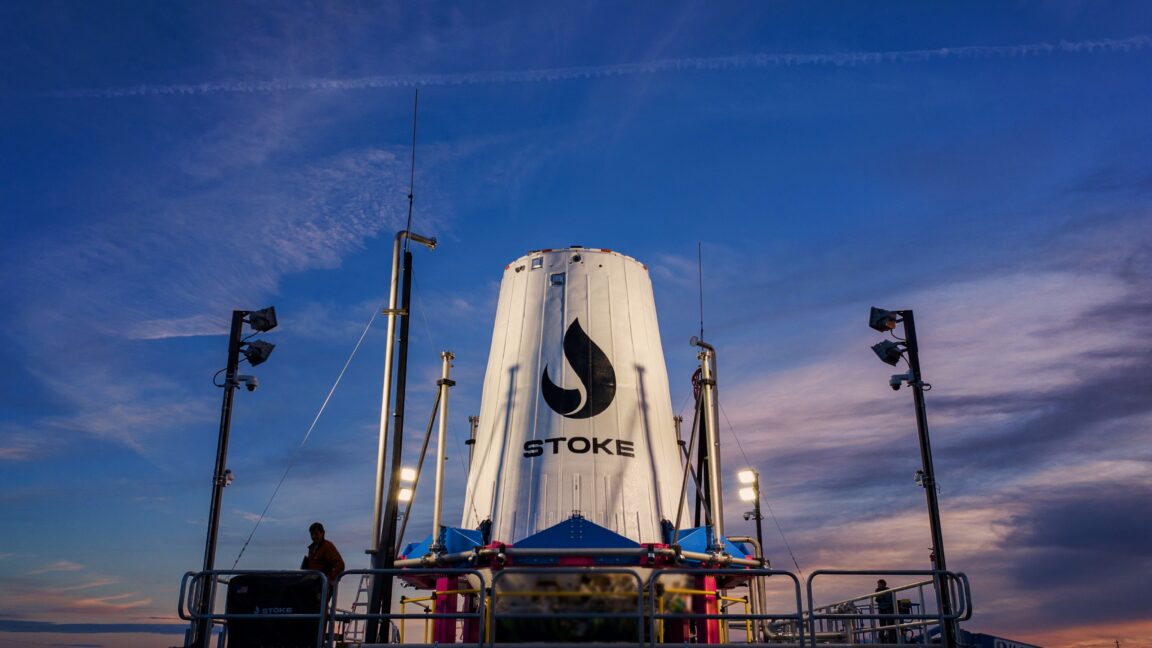
Quick Verdict Ars Technica's Rocket Report, presented by veteran space reporter Stephen Clark, offers an invaluable and meticulously organized weekly (or similar frequency, implied by "Edition 9.15") digest of the most
Apple iPhone Duo: A Daring Debut with Notable Compromises
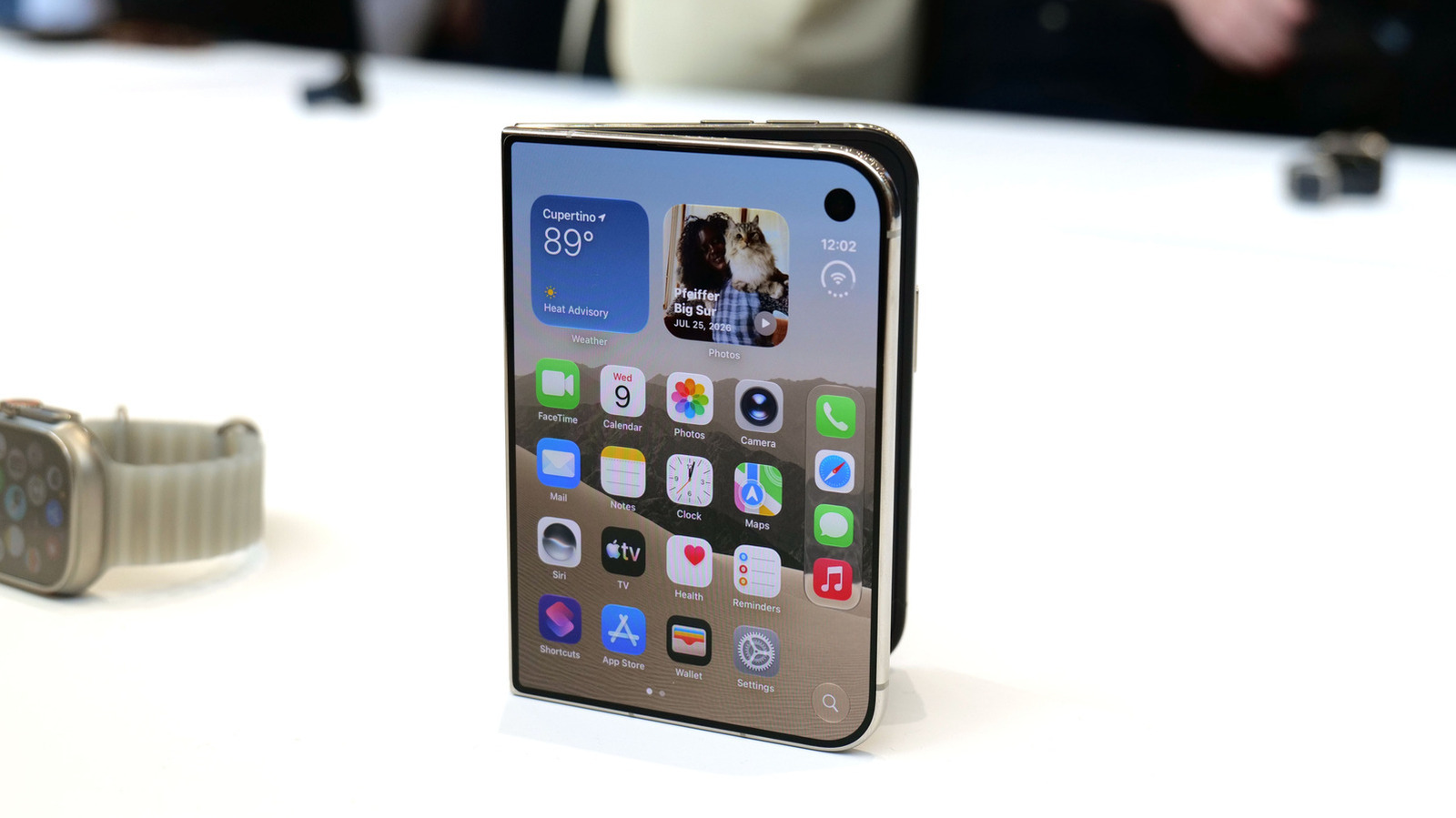
Apple's highly anticipated iPhone Duo, priced at $2,000, has gone on pre-order. While hailed as "Apple's most exciting device in a decade" for its innovative foldable design and immersive display, it comes with significant drawbacks like the absence of FaceID and a premium camera.
KDE Plasma 6.8: A Future-Focused 30th Anniversary Update
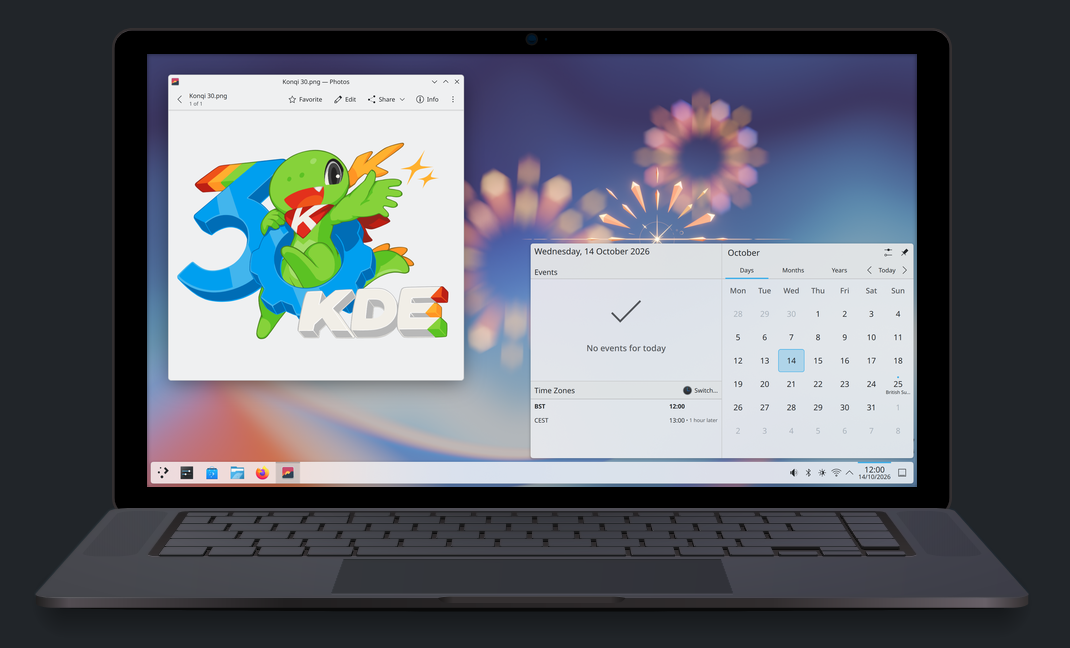
Quick Verdict KDE Plasma 6.8, arriving as the "30th Anniversary Edition," is a pivotal release that decisively pushes the desktop environment into the future. With a definitive farewell to native X11 sessions and a
Galaxy Watch One UI 9 Beta: Promising Progress, But Patience Needed
Galaxy Watch 8, Watch Ultra, and Watch 7 are receiving a new One UI 9 Watch beta build with bug fixes and a security patch. Active development signals progress, but a stable release date remains elusive.