
Shein's Everlane Acquisition Signals E-commerce Evolution
Ultrafast-fashion leader Shein has finalized its acquisition of US retailer Everlane for an estimated $100 million. This seemingly mismatched deal, combining Shein's rapid production with Everlane's "radical transparency," signals a significant strategic shift for Chinese e-commerce giants, aiming for diversified market reach and potentially new operational insights.

Ultrafast-fashion behemoth Shein has finalized its acquisition of Everlane, a prominent US clothing retailer, in a deal reportedly valued at $100 million. The move, completed on Friday, May 22, 2026, has surprised many in the industry given the stark contrast between Shein's rapid, trend-driven model and Everlane's reputation for “radical transparency” and ethical production. However, industry analysts suggest this seemingly “bizarre mismatch” is a clear indicator of the evolving strategies of Chinese e-commerce giants.
An Unlikely Pairing: Fast Fashion Meets Ethical Transparency
The acquisition brings together two companies with fundamentally different business philosophies. Shein has surged to global prominence through its highly efficient, algorithm-driven "ultrafast-fashion" model, characterized by the rapid production of vast quantities of trendy, low-cost apparel. This approach often draws scrutiny regarding its environmental impact and labor practices due to the sheer volume and speed of its operations.
In stark contrast, Everlane built its brand identity on a commitment to “radical transparency,” openly sharing details about its factories, pricing, and supply chain. The US-based retailer cultivated a customer base drawn to its promise of ethically sourced, quality basics and a more sustainable approach to fashion consumption, positioning itself at the opposite end of the spectrum from the fast-fashion industry. The reported $100 million acquisition price, while substantial, remains officially undisclosed by both parties.
Strategic Implications for Chinese E-commerce
Despite the apparent philosophical divide, the merger between Shein and Everlane signifies a calculated strategic maneuver. This move is less about merging corporate cultures and more about a broader trend observed among China's dominant e-commerce players. Acquiring an established Western brand like Everlane could offer Shein several advantages, including diversifying its customer base beyond its typical demographic of young, trend-focused buyers.
Furthermore, integrating Everlane's operations could provide Shein with invaluable insights into more transparent supply chain practices and higher-quality manufacturing standards. This knowledge transfer might enable Shein to incrementally address ongoing criticisms related to its own production methods and environmental footprint, or at least expand its portfolio to include brands that cater to different consumer values. The acquisition suggests a strategic evolution, where Chinese e-commerce giants are looking to expand their influence and market share by absorbing brands with distinct value propositions and customer loyalty, rather than solely relying on their existing fast-paced, high-volume models.
This strategic pivot underlines a shift where global e-commerce powerhouses are increasingly consolidating their positions through M&A activities that cross traditional industry divides. For Shein, Everlane represents an opportunity to tap into a segment of the market that prioritizes ethics and quality, potentially softening its image while simultaneously broadening its overall market appeal and operational capabilities. The transaction could set a precedent for future cross-cultural acquisitions in the global retail landscape as Chinese firms continue to seek pathways for diversified growth and enhanced brand perception in international markets.
FAQ
Q: What is the main news regarding Shein and Everlane?
A: Ultrafast-fashion giant Shein has finalized its acquisition of Everlane, a US clothing retailer known for its "radical transparency," in a deal reported to be worth $100 million.
Q: Why has this acquisition been described as a "bizarre mismatch"?
A: The pairing is seen as unusual because Shein is known for its high-volume, trend-driven fast fashion, while Everlane built its brand on ethical sourcing, quality, and open communication about its supply chain.
Q: What does this acquisition signify for Chinese e-commerce companies?
A: This strategic move is seen as a sign of where Chinese e-commerce giants are heading, indicating a trend towards diversifying their portfolios, reaching new customer demographics, and potentially incorporating different operational models and brand values into their expansive global operations.
Related articles

Tesla Unveils Thruster-Equipped Roadster, 2028 Production Targeted
Tesla has unveiled its second-generation Roadster, featuring cold-gas thrusters co-developed with SpaceX, enabling it to jump and flip. The electric sports car demonstrated 0-60mph in an astonishing 0.81 seconds, with production targeted for 2028. This highly anticipated reveal also serves as a key recruitment tool for Tesla's ambitious AI and robotics initiatives.

Amazon Prime Video Launches AI-Powered Prime 360 for NBA Coverage
Amazon Prime Video is elevating its NBA coverage with the introduction of Prime 360, an AI-powered replay system offering immersive, 'fly through' views of the action. Kicking off its second season, Prime Video also adds Yahoo fantasy integration and gains exclusive Eastern Conference Finals rights, expanding its tech-driven sports broadcast. The new features aim to deliver a unique and interactive viewing experience for basketball fans.
regional: A two-person Seattle startup lands $1M to reinvent
Seattle startup TriMagnetix has secured $1 million to develop semiconductor chips that consume 800 times less energy and are radiation-resistant. The two-person company, leveraging nanomagnetic technology, is targeting space applications and data centers. With new funding and key partnerships, TriMagnetix aims for commercial sales within a year.
Galaxy Watch One UI 9 Beta: Promising Progress, But Patience Needed
Galaxy Watch 8, Watch Ultra, and Watch 7 are receiving a new One UI 9 Watch beta build with bug fixes and a security patch. Active development signals progress, but a stable release date remains elusive.
%20102026%20top%20art%20SOURCE%20Govee.jpg)
in-depth: The Best Permanent Outdoor Lights (2026): Govee, Eufy
WIRED, a leading voice in technology journalism, has just released its updated guide for 2026 on the best permanent outdoor lights, spotlighting top contenders Govee, Eufy, and Cync. These innovative eave lights are
regional: ‘What is fusion?’ Helion Energy harnesses the power of
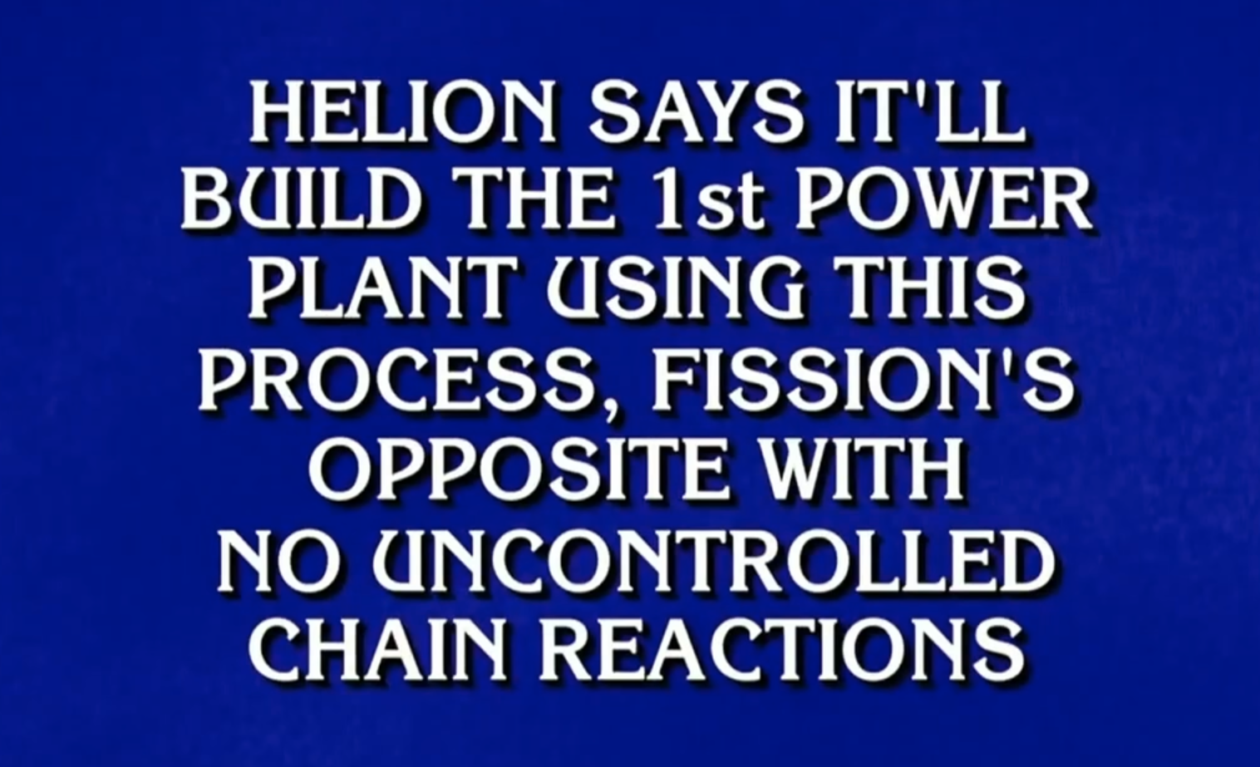
Helion Energy, the Everett-based fusion startup, gained mainstream attention this week after being featured as a clue on the popular game show "Jeopardy!". The $800 clue, part of a "Y Combinator" category, highlighted Helion's mission to build the first fusion power plant, bringing the concept of clean energy to a wider audience. CEO David Kirtley celebrated the "surreal" moment as a sign that reliable clean power is becoming more accessible.