
Samsung Galaxy Z Fold 8 Ultra Review: Refined but Not Revolutionary
Introduction & Quick Verdict Samsung's approach to its flagship foldable series this year is a bit of a split personality. We have the standard Galaxy Z Fold 8, which sports an entirely new, wider design aimed at
Introduction & Quick Verdict
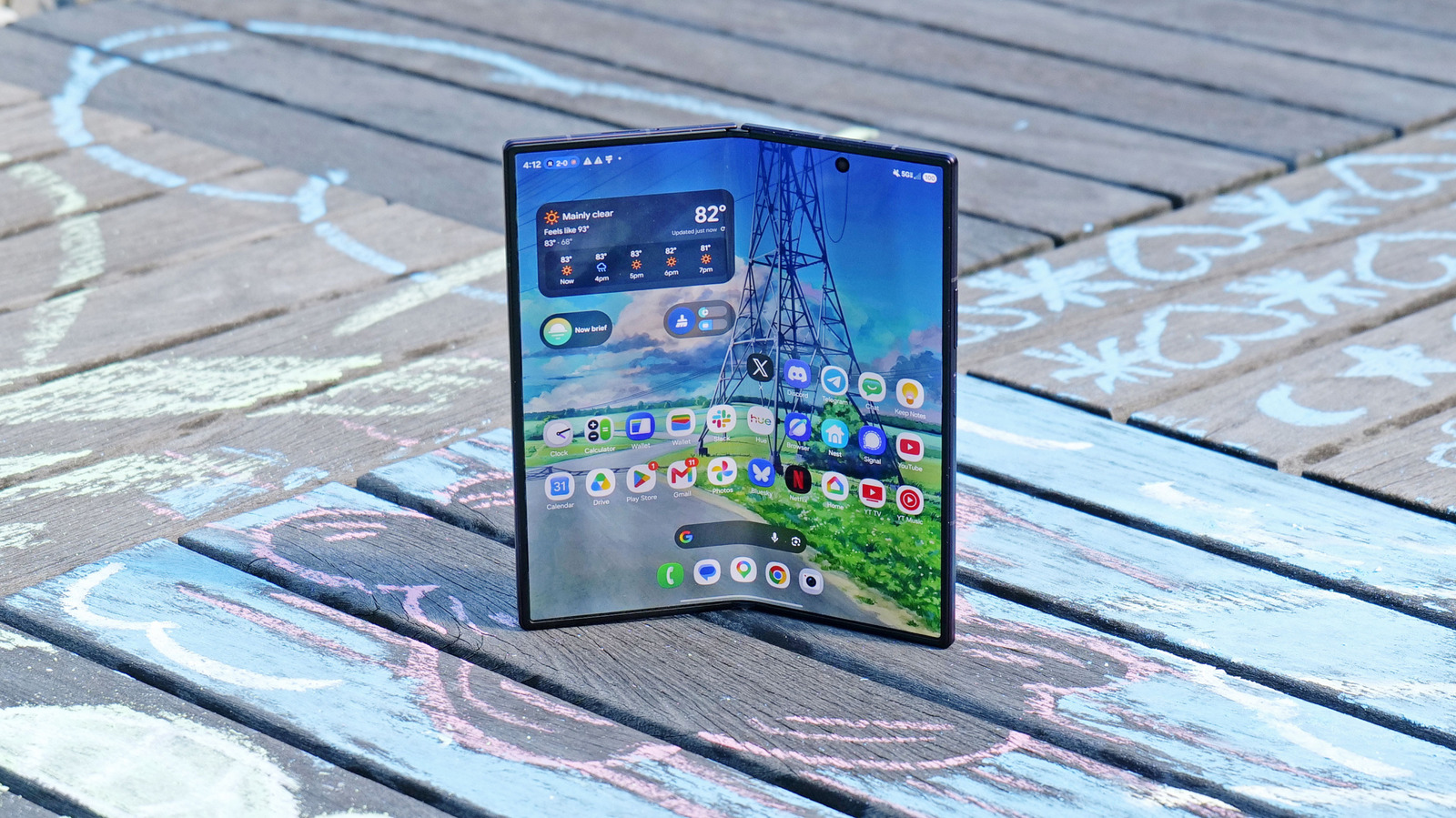
Samsung's approach to its flagship foldable series this year is a bit of a split personality. We have the standard Galaxy Z Fold 8, which sports an entirely new, wider design aimed at maximizing content consumption, and then there's the subject of today's review: the Galaxy Z Fold 8 Ultra. Despite its 'Ultra' moniker, this device largely retains the familiar build and productivity focus of its predecessor. While it brings a suite of welcome upgrades, from brighter screens and a faster processor to significantly improved battery life, the overall impression is one of refinement rather than radical change. It's a fantastic foldable, earning a solid 8.8/10, but it doesn't quite deliver the 'ultra' overhaul some might expect from its elevated branding.
Design & Durability: Familiar Form, Subtle Improvements
On the surface, the Z Fold 8 Ultra is almost indistinguishable from last year's model. It measures an identical 8.9mm thick when closed and weighs the same 7.58 ounces, maintaining its IP48 rating for dust and water resistance. However, Samsung has introduced a few subtle, yet meaningful, tweaks. When unfolded, the Ultra is infinitesimally thinner at 4.1mm, making it technically Samsung's slimmest foldable to date. More impactful are the tapered edges, which genuinely make the phone easier to open, and a new titanium alloy layer beneath the flexible display. This addition enhances rigidity and, crucially, minimizes the appearance of the central crease. While a faint groove still exists, it's so subtle that it's unlikely to bother most users.
The aesthetic largely carries over, with a familiar side-mounted fingerprint scanner, a removable SIM tray, and the same matte Gorilla Glass Victus 2 on the rear panel. It's a design language we've come to know well, focusing on a premium, understated look.
Displays: Brighter, Sharper, Still Vivid
The Z Fold 8 Ultra continues to impress with its dual AMOLED panels. The 6.5-inch cover screen and the flexible 8-inch main display are both stunning, offering vibrant colors and a smooth 120Hz refresh rate. The main screen sees a small bump in resolution, moving from 1,968 x 2,184 to 2,256 x 2,504, enhancing sharpness. A more noticeable improvement is the increase in peak brightness to a dazzling 3,000 nits, up from 2,600 nits, making both screens incredibly easy to view even in direct sunlight. Samsung also added an anti-reflective coating to the interior display, which is a thoughtful touch for those who frequently use the larger screen in various lighting conditions. However, the nearly square aspect ratio of the main display still leads to significant letterboxing when watching movies or TV shows, which feels like a missed opportunity for an 'Ultra' device positioned for media consumption.
Performance: Uncompromised Powerhouse
Under the hood, the Galaxy Z Fold 8 Ultra is a beast, powered by the latest Snapdragon Elite Gen 5 for Galaxy chip, paired with up to 16GB of RAM and 1TB of storage. This configuration delivers class-leading performance, effortlessly handling demanding games and complex multitasking scenarios with ease. Whether you're running two apps side-by-side or pushing the graphical limits of mobile titles, the Ultra performs flawlessly. However, it's important to note that the base Galaxy Z Fold 8 comes equipped with the exact same processor and memory specifications, meaning there's no performance advantage to opting for the more expensive Ultra model in terms of raw speed. For heavy multitaskers, though, the Ultra's slightly taller screens do provide a bit more vertical real estate, which can be beneficial for reading and scrolling without UI elements getting in the way.
Camera System: Where the Ultra Shines (Mostly)
One of the most compelling reasons to choose the Z Fold 8 Ultra over its standard sibling is its superior camera array. Unlike the base model, the Ultra retains a comprehensive triple-camera setup on the rear. It boasts a high-resolution 200-megapixel main sensor, a dedicated 10-megapixel telephoto lens offering a true 3x optical zoom, and a new 50-megapixel ultra-wide sensor. The 3x optical zoom is a significant advantage for photographers, providing superior reach and detail compared to the digital enhancement the standard Z Fold 8 relies on. Images captured by the Ultra are consistently top-notch, with excellent quality in both bright and low-light conditions. While the new 50MP ultra-wide does offer a touch more sharpness for expansive shots, the difference is often only noticeable upon close inspection. For those who prioritize photography, the Ultra delivers, though purists might still lean towards Google's Pixel phones for their slightly more detailed and true-to-life image processing.
Battery Life & Charging: A Significant Leap
Battery life has received a substantial upgrade on the Z Fold 8 Ultra, a welcome change for any foldable user. The capacity has been boosted from 4,400mAh to a generous 5,000mAh, thanks to a new silicon carbon cell. The real-world results are impressive: on our local video rundown test, the Ultra lasted an incredible 32 hours and 11 minutes when utilizing its smaller exterior display. This makes it one of the longest-lasting phones we've tested and a significant improvement over the Z Fold 7 (26:22) and even the base Z Fold 8 (28:14). Charging speeds have also seen a boost, with wired charging now reaching 45 watts (up from 25 watts) and wireless charging hitting 25 watts. A minor drawback, however, is the continued absence of a built-in magnetic ring for Qi2 accessories, meaning you'll need a compatible case if you want to take advantage of magnetic charging pads and other accessories.
Galaxy Z Fold 8 Ultra vs. Z Fold 8 Base Model
For those weighing their options between Samsung's two flagship foldables, here’s a quick comparison:
| Feature | Galaxy Z Fold 8 Ultra | Galaxy Z Fold 8 Base |
|---|---|---|
| Design Focus | Productivity, familiar build | Content consumption, wider design |
| Processor | Snapdragon Elite Gen 5 | Snapdragon Elite Gen 5 |
| Main Camera | 200MP, 10MP 3x Telephoto, 50MP Ultra-wide | Fewer details provided, relies on digital zoom |
| Battery Life (Video Rundown) | 32h 11m | 28h 14m |
| Price | $2,100 | $1,900 |
| Multitasking | Enhanced by vertical screen height | Less ideal due to wider aspect |
| Media Consumption | Letterboxing for movies/shows | Maximized for movies/shows |
Verdict & Recommendation
The Samsung Galaxy Z Fold 8 Ultra is undeniably an excellent foldable, representing a thoughtful refinement of its predecessor. It packs class-leading performance, brilliantly bright displays, a versatile camera system, and significantly improved battery life into a familiar, premium chassis. However, its lack of significant design innovation and the existence of a compelling, cheaper base model prevent it from truly living up to the 'Ultra' designation.
My primary wish for a truly 'Ultra' foldable from Samsung would be a device that combines the wider chassis of the base Z Fold 8 with the Ultra's superior triple camera setup, and an even larger main display (perhaps around 8.4 inches). This would strike a better balance between productivity and media consumption, truly differentiating it.
Starting at $2,100, a $200 premium over the base model, the Ultra's value proposition needs careful consideration. If you're a serious multitasker who benefits from the slightly taller screen, or if a dedicated 3x optical zoom lens is non-negotiable for your photography, then the Z Fold 8 Ultra is the clear choice. For most other users, particularly those prioritizing media consumption and who are less concerned about the advanced camera array, the regular Galaxy Z Fold 8 remains the more compelling and cost-effective option this generation. Owners of the Z Fold 7 will find nice upgrades here, but perhaps not enough to justify an immediate leap.
FAQ
Q: Is the Samsung Galaxy Z Fold 8 Ultra worth its $2,100 price tag? A: The Z Fold 8 Ultra is a premium device with class-leading performance, an excellent camera system, and superb battery life. However, its design is largely unchanged from its predecessor, and many core specs are shared with the cheaper base Z Fold 8. It's worth it for heavy multitaskers and photography enthusiasts who will utilize the dedicated zoom lens, but others might find the base model a better value.
Q: How does the Z Fold 8 Ultra compare to the regular Z Fold 8? A: The Ultra offers a traditional productivity-focused design with a triple rear camera setup (including 3x optical zoom) and significantly better battery life. The base Z Fold 8 features an all-new wider design optimized for content consumption, but sacrifices the dedicated zoom camera and has shorter battery endurance. Both share the same powerful Snapdragon Elite Gen 5 processor.
Q: Should I upgrade to the Z Fold 8 Ultra if I own a previous Z Fold model? A: If you own a Z Fold 7, you'll appreciate the brighter screens, faster performance, easier opening, and notably longer battery life of the Ultra. However, the design is very similar. If these improvements are critical to your daily use, an upgrade could be worthwhile. For older models, the improvements will be even more pronounced and likely justify the upgrade.
Related articles

CNET's NYT Connections: Sports Edition Hints & Answers (Sept. 18)
CNET's NYT Connections: Sports Edition Hints & Answers (Sept. 18) Review: A Clear Victory Quick Verdict: CNET's daily guide for the NYT Connections: Sports Edition puzzle offers a clear, well-structured, and invaluable
Your Galaxy's Always-On Display Draining Battery? Schedule a Hidden
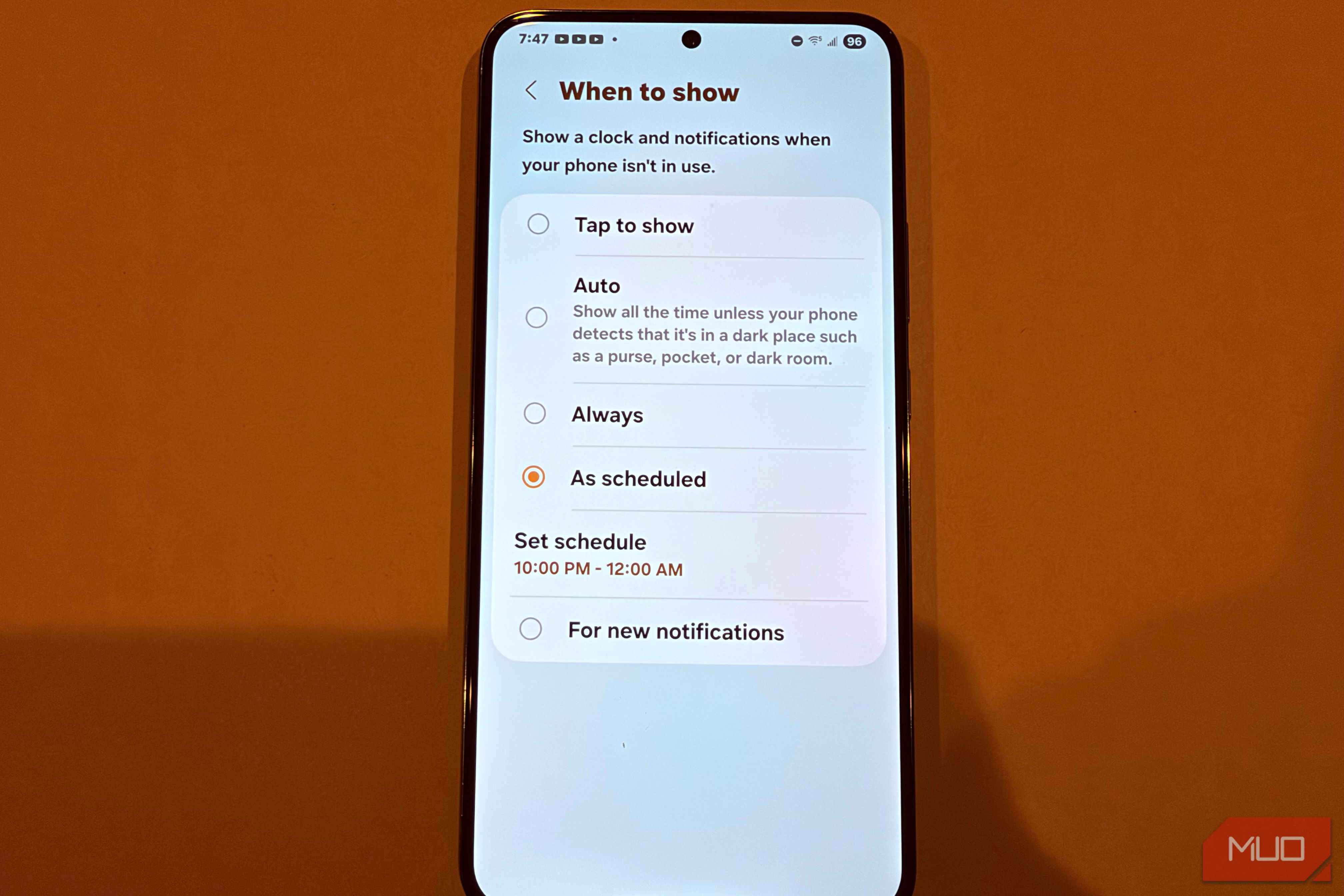
Reclaim Your Battery: Schedule Your Galaxy's Always-On Display Your Samsung Galaxy's Always-On Display (AOD) is a handy feature, showing you the time and notifications at a glance. However, keeping it active all day can
Community Fibre 8.5Gbps: UK's Fastest, But Pricey Fibre
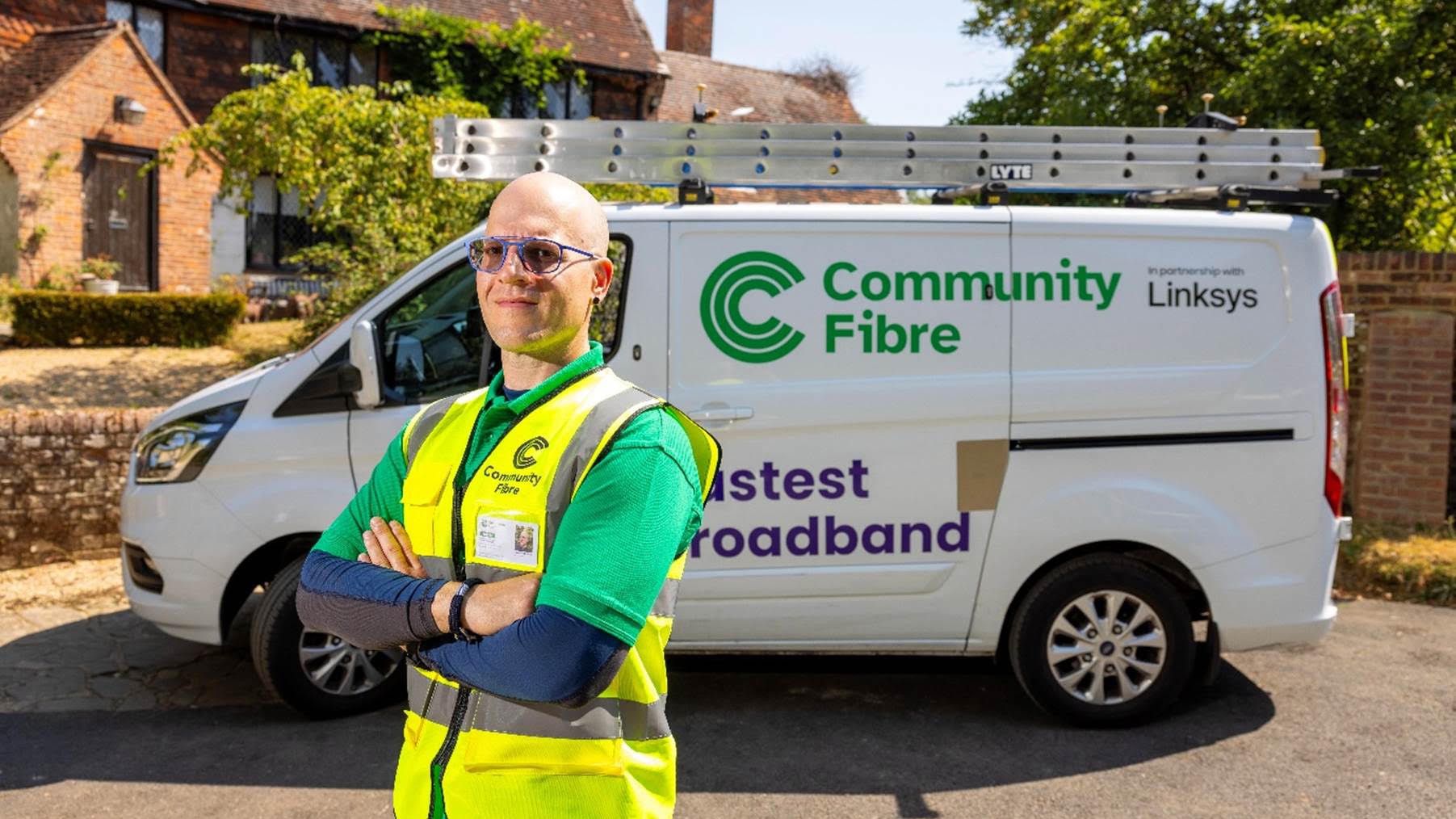
Quick Verdict Community Fibre has just launched the UK's fastest residential internet connection, boasting an incredible 8.5Gbps (8,200Mbps) symmetrical full fibre service. It's a technical marvel, delivering speeds

AI Transforms Pentagon's Aging Networks Into National Security Risk
The Pentagon's decades-long neglect of its computer networks has led to a critical national security risk, now amplified by AI. Adversaries are using advanced AI to exploit these aging systems, leading to a tenfold increase in zero-day vulnerabilities. Military leaders acknowledge the peril, signaling an urgent shift in priorities.

How to Choose the Best Smart Speaker in 2026 - Find Your Perfect Match
This guide helps you choose the best smart speaker in 2026 by evaluating your ecosystem, prioritizing features, and reviewing top Amazon, Google, Apple, and portable options. Learn to pick a device that integrates seamlessly and enhances your smart home.

Anthropic Claude Merger: Unified AI for Enhanced Productivity
Anthropic Claude Merger: The Verdict Anthropic is making a bold move, consolidating its previously distinct AI tools — Claude chat and Claude Cowork — into a single, more intuitive “all-powerful Claude.” This strategic