
Robot Vacuums: The Reality Behind the 'Effortless' Clean
A robot vacuum, on paper, promises a dream: hands-free cleaning, more free time, and a perpetually tidy home. The allure is strong – who wouldn't want fewer chores? However, after spending considerable time evaluating
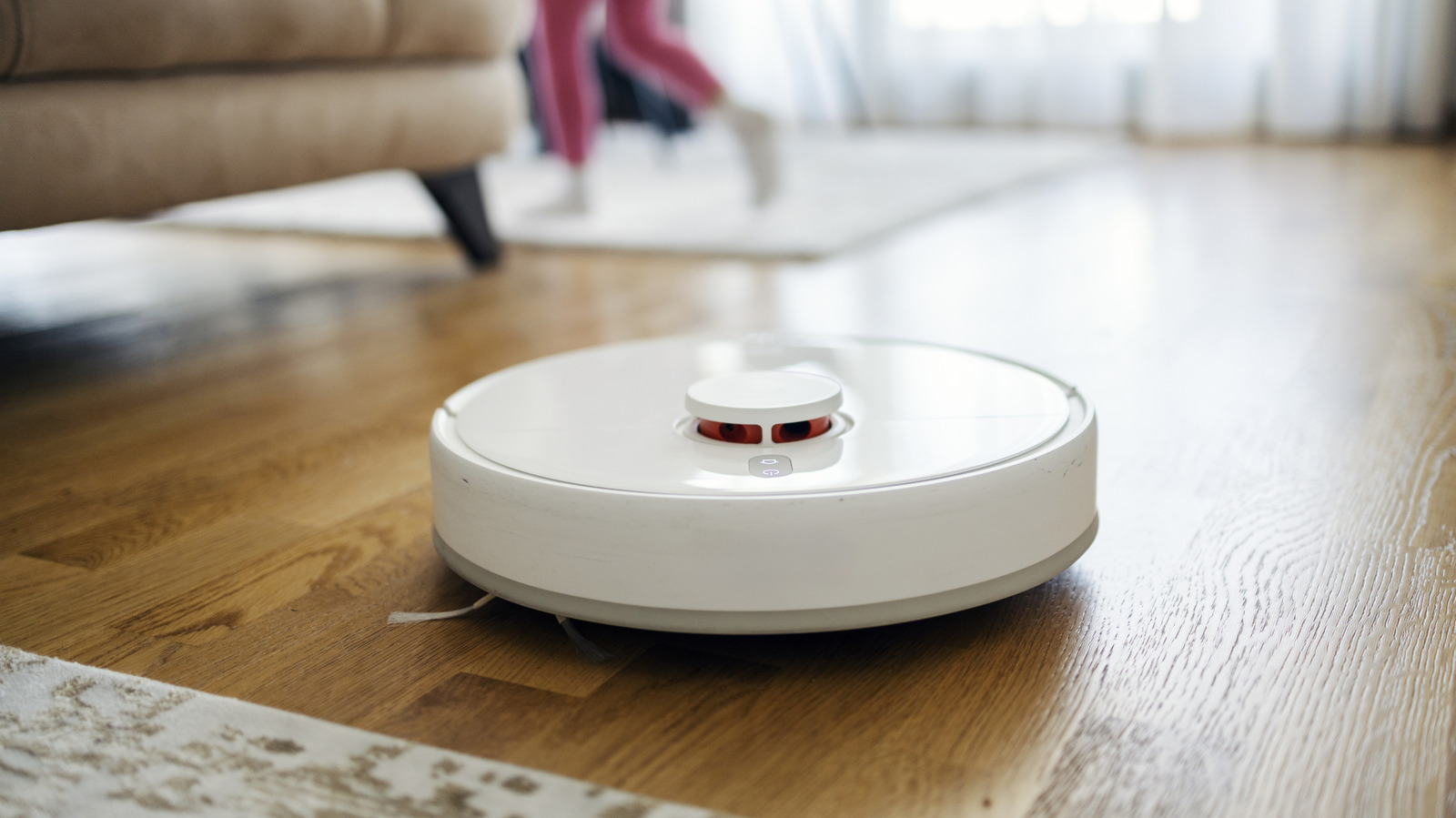
A robot vacuum, on paper, promises a dream: hands-free cleaning, more free time, and a perpetually tidy home. The allure is strong – who wouldn't want fewer chores? However, after spending considerable time evaluating various models, from budget-friendly options to high-end, feature-packed units, it's clear that the reality isn't quite as seamless as the marketing suggests. While they certainly offer a level of convenience, robot vacuums are far from a set-it-and-forget-it solution and come with a significant number of caveats you need to understand before making an investment. They are, at best, a helpful assistant for light maintenance, not a complete replacement for traditional cleaning methods.
The Hidden Chore: Pre-Clean Preparation
One of the most significant assumptions people make about robot vacuums is that they'll simply navigate your home and clean without intervention. This is a common misconception. Unlike a human cleaner who can effortlessly move a stray sock or a charging cable, most robot vacuums lack this dexterity. The vast majority don't have arms, meaning anything left on the floor becomes an obstacle. This isn't just about large pieces of furniture; it includes everyday items like children's toys, loose charging cables, or even unfortunate pet messes that can be disastrously spread across your floors.
While even basic models will redirect upon encountering an obstacle (often via bump sensors), this can lead to inefficient cleaning patterns, repeatedly hitting barriers, and missing spots. More advanced units leverage infrared or LiDAR sensors and even AI cameras for better navigation, allowing them to identify and attempt to route around problems. However, even these sophisticated machines struggle with certain common hazards. Loose cables, for instance, are notorious for wrapping around brushes or wheels, bringing the cleaning cycle to a halt. Small items like socks can get sucked in, and lightweight rugs might be bunched up or dragged, rendering the area uncleansed. So, despite their supposed independence, you'll still need to perform a 'pre-clean' sweep of your floors to ensure a successful run, making the initial time-saving proposition somewhat diminished.
Cleaning Capabilities: Not a One-Size-Fits-All Solution
Robot vacuums are not universally effective across all floor types and dirt conditions. They excel at picking up surface debris and crumbs from hard floors, but their performance diminishes significantly when faced with more challenging scenarios. Deep cleaning thick carpets, for example, is where many robot vacuums fall short. Traditional upright vacuums feature powerful, agitated floorheads designed to lift embedded dirt from carpet fibers, a capability often beyond the reach of a smaller robot vacuum's brush design. Simply looking at an advertised suction figure doesn't tell the whole story of how well it can truly clean.
Furthermore, homes rarely have perfectly flat, uniform floor surfaces. Transitions between different materials like tiles, wood, and carpets, or even slightly raised rug edges, can become literal roadblocks. If the vacuum gets stuck, its suction power becomes irrelevant. The circular design of most robot vacuums also presents a perennial problem: corners. While side brushes help pull in some dirt, and a few premium models offer extending brushes, tight corners and edges remain largely untouched, requiring a traditional vacuum to finish the job. Stairs and upholstery are also completely out of reach for current-generation robot vacuums (though prototypes for stair-climbing models exist, they're not consumer-ready). Essentially, robot vacuums are best seen as a tool for maintaining a baseline level of cleanliness between more thorough, manual vacuuming sessions.
The Price of Convenience: Features and Cost
The perceived simplicity of a robot vacuum often belies its complex pricing structure. The more features you desire, the steeper the cost. Basic models, costing less than $100, can handle fundamental dust and crumb collection on easy surfaces, though their robustness and navigation are often questionable. Step up to mid-range models, like the iRobot Roomba 105 Combo (around $300), and you get features like mopping and a self-emptying dock, offering a notable increase in convenience.
The premium segment, however, can reach astonishing prices. A model like the Dreame X60 Max Ultra Complete, priced around $1,700, includes advanced functionalities such as automatic mop washing with hot water and retractable navigation sensors for better access under low furniture. These features enhance autonomy, but the cost becomes a significant barrier. Considering that even these high-end models may not completely eliminate the need for occasional manual cleaning with a traditional vacuum and mop, the investment requires careful consideration of your budget versus the practical benefits.
Ongoing Responsibility: Maintenance and Upkeep
While robot vacuums automate the act of sweeping, they don't eliminate all your cleaning duties. Unless you have a self-emptying dock, you'll be emptying the onboard dustbin regularly – potentially daily if you have pets or a particularly dusty home. These bins are often small and quickly fill up, leading to reduced cleaning performance. Even self-emptying docks simply transfer dirt into a larger bag that still needs manual replacement and disposal.
Beyond emptying, regular maintenance is crucial for optimal performance and longevity. Brushes will inevitably get tangled with hair, requiring frequent cleaning, and filters need periodic cleaning and replacement. Neglecting these tasks can lead to decreased suction, poor navigation, or even a completely inoperable unit. For mopping robot vacuums, the responsibilities extend to refilling water tanks and cleaning or replacing dirty mop pads, depending on the dock's capabilities. The dream of a fully autonomous cleaner is tempered by the reality that you're still the primary caretaker of the robot itself.
In conclusion, robot vacuums are a compelling piece of smart home technology, offering a welcome reprieve from daily vacuuming for many. However, it's vital to enter this market with realistic expectations. They are not a magic bullet that will make your upright vacuum cleaner obsolete. Instead, they are supplementary devices that require preparation, understanding of their limitations on various surfaces, a willingness to invest significantly for advanced features, and a commitment to ongoing maintenance. If you're looking for a perfect, hands-off cleaning solution, you'll likely find yourself disappointed. But if you see them as a helpful aid for light, consistent cleaning, and are prepared to manage their quirks, a robot vacuum can indeed reduce your overall chore burden.
FAQ
Q: Can a robot vacuum entirely replace my traditional upright vacuum? A: No, not yet. Robot vacuums are excellent for daily maintenance and picking up surface debris, especially on hard floors. However, they struggle with deep carpet cleaning, tight corners, stairs, and upholstery, which still require the power and flexibility of a traditional vacuum.
Q: Are expensive robot vacuums truly worth the higher price tag? A: More expensive models generally offer superior navigation (e.g., LiDAR, AI cameras), better obstacle avoidance, and advanced features like self-emptying docks and integrated mopping. While these features significantly enhance convenience, you need to weigh the substantial cost against how much value those specific capabilities add to your unique home and cleaning routine.
Q: Do robot vacuums require a lot of maintenance? A: Yes, they do require regular maintenance. You'll need to frequently empty dustbins (even with self-emptying docks, the main bag needs replacement), clean tangled hair from brushes, and replace filters. Mopping functions also add tasks like refilling water tanks and cleaning mop pads. Neglecting maintenance will lead to decreased performance and a shorter lifespan for the device.
Related articles
Android 17 QPR2 Beta 7.1: The Performance Relief You've Been Waiting
Android 17 QPR2 Beta 7.1: Finally Fixing the QPR1 Performance Woes Verdict: Android 17 QPR2 Beta 7.1 is a crucial and highly anticipated software update for Google Pixel users, specifically targeting and resolving the

DJI Solo Video Setups: Smart Choices for Lone Creators
This review delves into DJI's recommended solo video setups, highlighting the Osmo Pocket 3 Creator Combo as a top pick for its integrated camera, gimbal, and mic. It also covers stabilizers like the Osmo Mobile 8 and RS 4, and the DJI Mic Mini series for enhanced audio, providing honest pros, cons, and clear buying advice.

Ars Technica's Rocket Report: Your Essential Space Industry Briefing
Quick Verdict Ars Technica's Rocket Report, presented by veteran space reporter Stephen Clark, offers an invaluable and meticulously organized weekly (or similar frequency, implied by "Edition 9.15") digest of the most

Apple iPhone Duo: A Daring Debut with Notable Compromises
Apple's highly anticipated iPhone Duo, priced at $2,000, has gone on pre-order. While hailed as "Apple's most exciting device in a decade" for its innovative foldable design and immersive display, it comes with significant drawbacks like the absence of FaceID and a premium camera.

Tesla Unveils Thruster-Equipped Roadster, 2028 Production Targeted
Tesla has unveiled its second-generation Roadster, featuring cold-gas thrusters co-developed with SpaceX, enabling it to jump and flip. The electric sports car demonstrated 0-60mph in an astonishing 0.81 seconds, with production targeted for 2028. This highly anticipated reveal also serves as a key recruitment tool for Tesla's ambitious AI and robotics initiatives.

KDE Plasma 6.8: A Future-Focused 30th Anniversary Update
Quick Verdict KDE Plasma 6.8, arriving as the "30th Anniversary Edition," is a pivotal release that decisively pushes the desktop environment into the future. With a definitive farewell to native X11 sessions and a