
regional: New tax incentives give Washington’s sustainable aviation
Washington state has triggered new tax incentives for sustainable aviation fuel (SAF) by reaching an annual production capacity of 20 million gallons. Starting January 1st, a $1 to $2 per gallon tax credit will boost producers, aiming to position the state as a leader in lower-carbon jet fuel and accelerate aviation decarbonization.
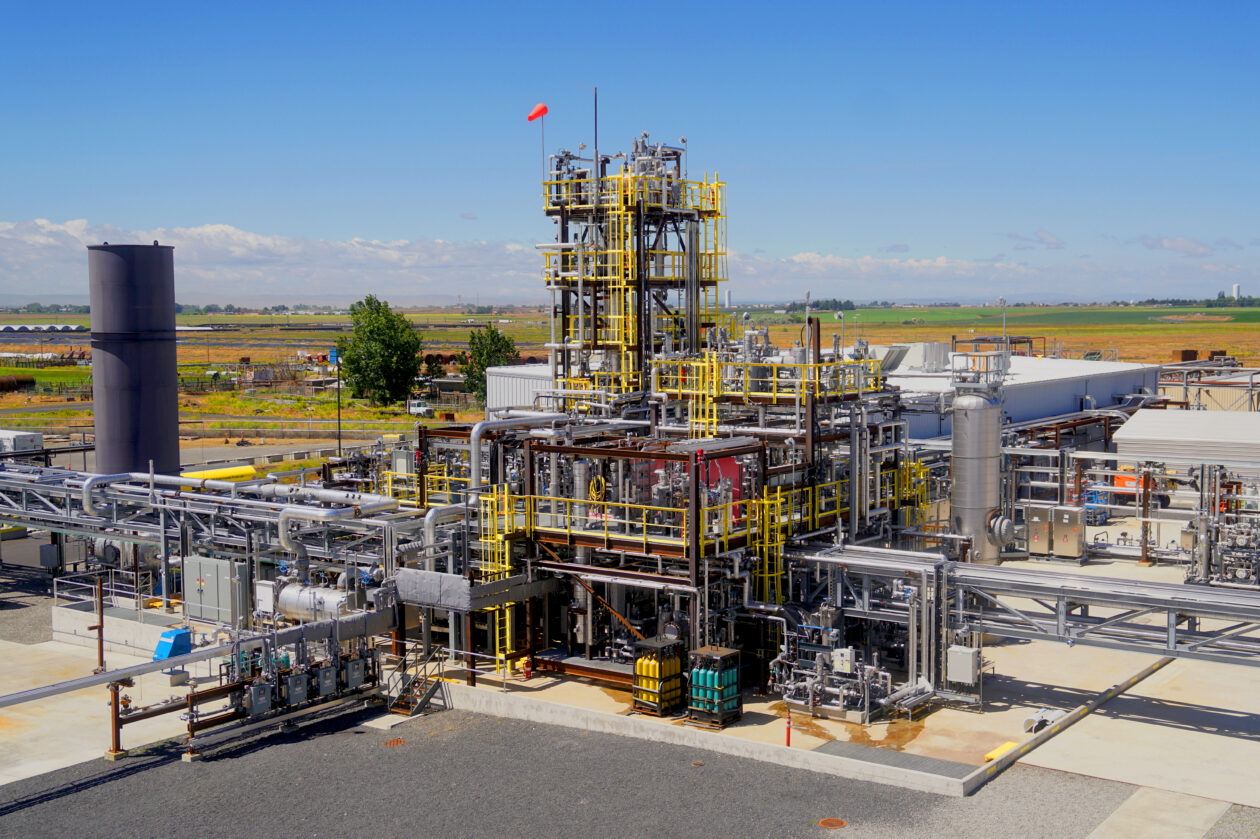
Washington State Unlocks Key Incentives for Sustainable Aviation Fuel Industry
Washington state has reached a pivotal milestone in its bid to become a major hub for sustainable aviation fuel (SAF), triggering significant tax incentives set to take effect on January 1st. Governor Bob Ferguson announced Friday that the state has achieved the capacity to produce at least 20 million gallons of SAF annually, a threshold that unlocks a crucial tax credit starting at $1 per gallon for qualifying low-carbon fuels. This strategic move aims to accelerate the adoption and production of cleaner jet fuel, positioning Washington as a leader in aviation decarbonization.
Unlocking Green Fuel Incentives
The newly triggered tax credit offers a powerful financial incentive for SAF producers. While the base credit is $1 per gallon, it can increase to as much as $2 for fuels that achieve greater emissions reductions, specifically those at least 50% below conventional jet fuel. Phillips 66’s Ferndale refinery alone confirmed capacity to meet the 20-million-gallon annual benchmark, a measure of potential, not actual output.
Why SAF Matters
Sustainable aviation fuel (SAF) is a promising near-term option for cutting aviation emissions, blendable with conventional jet fuel in existing aircraft. However, it remains more expensive and production volumes are far below industry needs. Jake Gentry, executive director of the Cascadia Sustainable Aviation Accelerator, remarked that the incentive is the "final element needed to really unleash the tidal wave of opportunity," given Washington's unique assets. The accelerator, launched in January, fosters the Pacific Northwest's SAF industry by connecting producers with financing, feedstock supplies, and customers.
Washington's Growing SAF Ecosystem
SAF can be produced from diverse sources like used cooking oil, agricultural waste, and captured carbon. Unlike petroleum-based fuels, SAF recycles carbon already in circulation, providing significant climate benefits.
Washington is home to innovative producers. Twelve, a startup in Moses Lake, opened its AirPlant One facility last year, commercially producing SAF from captured carbon dioxide and water. This technology could create the most climate-friendly SAF, potentially unlocking the largest state tax credits. CEO Nicholas Flanders called the announcement "an extraordinary signal of support." AirPlant One produces up to 50,000 gallons per year; a much larger AirPlant Two is in development, targeting tens of millions annually.
Dutch-owned SkyNRG is constructing a SAF facility in Walla Walla. Targeting commercial operations by 2030, this plant plans to use renewable natural gas from landfills and dairy waste as feedstock.
Navigating the Market Landscape
While Washington's capacity is a step forward, it remains below larger facilities like Diamond Green Diesel's Texas plant (235 million gallons annual capacity). The state also competes with other states (Illinois, Minnesota, Nebraska) offering SAF incentives. Furthermore, a federal credit was recently reduced from $1.75 to $1 per gallon, underscoring state-level support's importance.
Despite these challenges, Washington touts several unique advantages. Historically affordable hydroelectric power, while facing growing demand, attracts climate tech companies. Crucially, Washington stands out as the only state offering both a SAF tax credit and a clean fuel standard. This dual approach enhances economic viability, providing tax benefits and allowing producers to sell credits to other fuel suppliers meeting state emissions targets. Additionally, the Cascadia accelerator collaborates with Washington State University to develop regional feedstock supplies, including waste from logging and agriculture, further bolstering the local supply chain.
A Vision for Sustainable Aviation
Governor Ferguson underscored the state's commitment, stating, "Between our long history of aviation innovation, our intentional investments into the sector and our climate-forward policies, we’re making sure Washington is the best state in the country to produce sustainable aviation fuels." This combination positions Washington to be a leader in the global shift towards a more sustainable aviation future.
FAQ
Q: What is Sustainable Aviation Fuel (SAF)?
A: SAF is a low-carbon jet fuel alternative made from renewable sources like agricultural waste or captured carbon. It can be blended with conventional jet fuel and reduces emissions by recycling carbon already in circulation.
Q: How do Washington's new tax incentives for SAF work?
A: Starting January 1st, Washington offers a tax credit of $1 to $2 per gallon for qualifying SAF produced in the state. This incentive was triggered by meeting a 20-million-gallon annual SAF production capacity threshold.
Q: What unique advantages does Washington offer for SAF production?
A: Washington combines a new SAF tax credit with an existing clean fuel standard. It also benefits from affordable hydroelectric power and a strong ecosystem, including the Cascadia Sustainable Aviation Accelerator, to support the industry.
Related articles

Nvidia CEO Jensen Huang resigns amid spy, affair scandals: CEO
Nvidia CEO and co-founder Jensen Huang has resigned, effective immediately, following reports of two extramarital affairs: one with an alleged Chinese spy and another with a subordinate executive. CFO Colette Kress has been appointed interim CEO as the board initiates a search for a permanent replacement. Huang's departure marks the end of a 33-year tenure at the helm of the AI chip giant.

Jensen Huang's Crisis Deepens Amid Ouster Reports and Second Affair
Nvidia CEO Jensen Huang is facing potential ouster amid revelations of two alleged extramarital affairs—one with a suspected Chinese spy, Alice Huang, and another with Nvidia VP Kimberly Powell. The scandal, which has caused Nvidia's stock to drop, has triggered national security concerns and a congressional inquiry into his ties to Chinese intelligence assets.

Jensen Huang accused of having another affair — with an Nvidia exec
Nvidia CEO Jensen Huang faces new accusations of an affair with a direct report, Kimberly Powell, escalating a crisis already simmering from his admitted affair with an alleged Chinese spy. These revelations prompted the Wall Street Journal to report that Nvidia's board is preparing to oust Huang, who co-founded the company in 1993, as congressional pressure and internal investigations intensify.

AI-Powered "Microduck" Butler Signals Robotics' Future
WIRED Senior Writer Will Knight has unveiled a novel AI-powered "Microduck" robot, developed with an OpenAI model, designed to be a cat butler. This small, duck-like automaton represents a significant step in robotics, showcasing how advanced AI can be used to train specialized robots, potentially through virtual simulations, for practical and interactive roles in everyday life. The project highlights a future where AI-driven training simplifies robot development and expands their integration into our homes.

Seattle VC Firm Ascend Closes $17M Fund for Physical AI, Hardware
Seattle-based VC firm Ascend has successfully closed its $17 million third fund, overcoming a tough fundraising environment. The fund will strategically invest in early-stage "physical AI" and hardware startups across robotics, defense, and energy, tapping into what it calls Seattle’s "Third Act" of innovation. This significant raise includes its first institutional investor, FirstLook Partners.

policy: State Dept. official took Mediterranean trip paid for by tech
A preliminary financial disclosure reveals State Department official Sarah B. Rogers took an $11,900 Mediterranean vacation paid for by Stripe co-founder Patrick Collison. This news sparks ethical concerns regarding gifts from powerful tech figures to government officials, highlighting the growing scrutiny of such relationships and transparency in public service.