
ReFrame: An Open-Source EPaper Camera for Deliberate Photography
Reclaiming Intentionality in Digital Photography In an era of ubiquitous digital photography, developers often reflect on the paradox of endless captures diluting the significance of each frame. reFrame, an experimental
Reclaiming Intentionality in Digital Photography
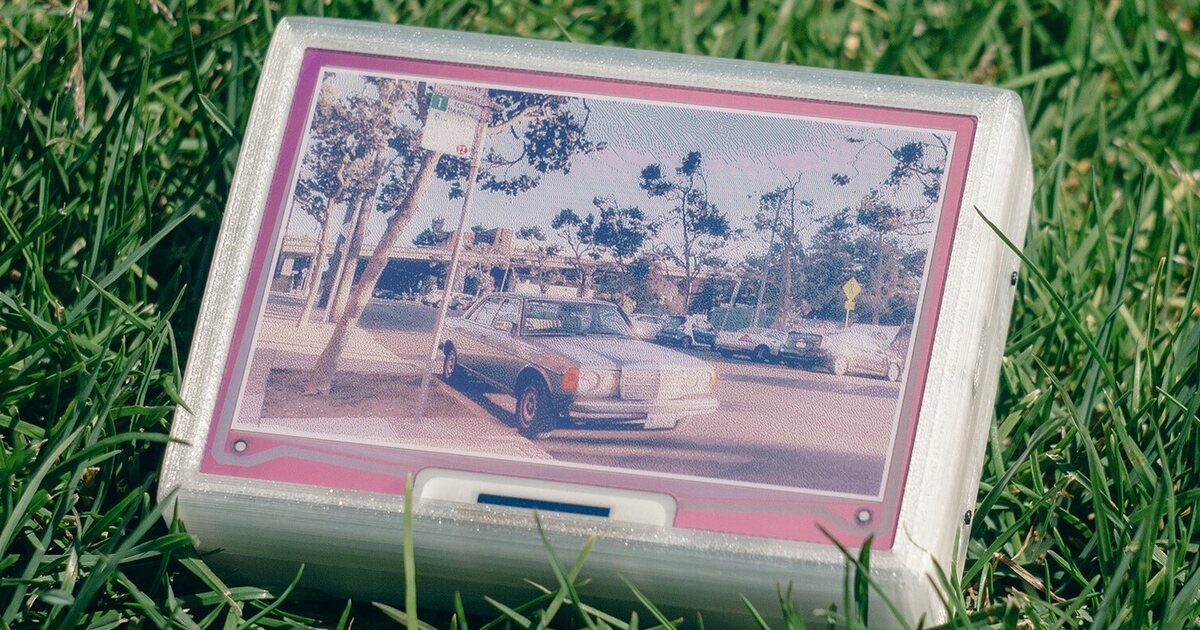
In an era of ubiquitous digital photography, developers often reflect on the paradox of endless captures diluting the significance of each frame. reFrame, an experimental camera, directly challenges this by merging open-source hardware with ePaper technology to foster deliberate, memorable photography. Designed to capture and display one photo at a time, reFrame inherently promotes intentionality, a philosophy deeply woven into its technical design, especially its unique display.
The Unique Canvas: ePaper and Dithering
reFrame's most striking feature is its color ePaper display, which operates with six distinct pigments. This presents a unique technical challenge for image rendering, as reFrame must faithfully represent the world's colors on a limited palette. It achieves this through a sophisticated dithering process. Before display, images undergo a computational transformation, reducing colors to the six-pigment capability while simulating a broader range via patterns. The aesthetic outcome is a captivating blend reminiscent of newspaper halftones and old video games—a deliberate artistic choice, not just a technical compromise.
The Digital Polaroid Experience
The processing, by design, isn't instantaneous. After the shutter press, colors gradually manifest, mirroring a Polaroid's development, taking about 15 seconds. This delay stems from ePaper technology's reliance on electrical charges to physically move ink particles. For developers, this constraint becomes an opportunity to craft an engaging UX, transforming a hardware limitation into a core product charm.
Persistence and Purpose: Beyond the Shutter
ePaper's inherent memory is a key advantage: an image, once rendered, persists indefinitely on screen, even when powered off, consuming no energy. This 'always-on' characteristic means a new photo is the only way to clear the display, reinforcing reFrame's deliberate approach. When idle, reFrame functions as a unique desk photo frame. The last dithered image becomes a tangible, static reminder, showcasing innovative use of low-power displays for both active creation and passive art display.
Under the Hood: An Open-Source Invitation
For technically curious developers and DIY enthusiasts, reFrame is an exemplary open-source project. Its hardware and software designs are freely available, inviting modification and customization. This transparency fosters a community of builders, aligning with the creator's vision.
The camera's internal architecture is built entirely from off-the-shelf components, making it accessible for anyone looking to assemble their own. The core components include:
- Raspberry Pi Zero: Serving as the brain, handling image processing, camera control, and managing the ePaper display.
- Pi Camera 3: The imaging sensor responsible for capturing the raw photographic data.
- 4-inch eInk Spectra 6 color display: The distinctive output device, defining reFrame's visual style and user experience.
- Battery: Providing portable power for the embedded system.
The availability of detailed guides and resources on GitHub transforms reFrame from a mere concept into a tangible build project. This not only democratizes access to specialized hardware but also provides an invaluable learning opportunity for developers keen on embedded systems, low-power computing, and custom device fabrication.
Data Preservation: Digital Beyond the Ink
While the ePaper display offers a unique experience, reFrame prioritizes digital preservation. Every photo is saved digitally, including both the original full-color capture and its dithered ePaper rendition. These files are accessible via a web dashboard (likely hosted on the Raspberry Pi), allowing users to download and manage their images. This hybrid approach blends the ePaper's analog-like experience with digital archiving convenience, ensuring deliberate frames are both enjoyed and securely stored.
Practical Takeaways for Developers
reFrame provides several compelling lessons for developers:
- Embracing Constraints: It demonstrates how technical limitations (e.g., ePaper's refresh rate, color palette) can become defining features, fostering creativity and unique UX.
- Open Source Power: An excellent example of how open-source hardware/software empowers individuals to build, learn, and innovate.
- Embedded Systems & IoT: A practical case study for physical computing enthusiasts, integrating off-the-shelf components into an aesthetic device.
- Image Processing: The dithering algorithm offers insights into adapting rich visual data for constrained display environments.
Ultimately, reFrame is a testament to thoughtful design and open collaboration, showing that prioritizing experience can lead to impactful innovation.
FAQ
Q: How are photos stored and retrieved from reFrame?
A: Photos taken with reFrame are saved digitally on the device. Both the original full-color image and its dithered ePaper rendition are stored. Users can access and download these files via a web dashboard, providing a digital backup of every frame.
Q: What specific ePaper display technology is used in reFrame?
A: reFrame utilizes a 4-inch eInk Spectra 6 color display. This display type is characterized by its six pigments, which necessitates the unique dithering process to render images on its limited color palette.
Q: Given its open-source nature, what are the primary hardware components required to build a reFrame?
A: The core components for building reFrame are a Raspberry Pi Zero, a Pi Camera 3 module, the aforementioned 4-inch eInk Spectra 6 color display, and a battery for power. All components are off-the-shelf, making the project accessible for DIY enthusiasts.
Related articles

AI's Impact on Malware Detection: Next-Gen Protection Deep Dive
The landscape of cybersecurity has transformed dramatically. Gone are the days when a simple virus attached itself to a file, easily quarantined by an antivirus scanner. Today, malware is sophisticated, multifaceted,
Pixel Connectivity: Battery Drain, Not Data Speed, Is the Real
Google's Pixel series has consistently offered a compelling Android experience, often earning a spot on recommendation lists for its clean software and camera prowess. However, a recurring shadow has loomed over the

AI Cybersecurity: The Perpetual Cat and Mouse Game
In the rapidly evolving digital landscape, the interplay between artificial intelligence and cybersecurity has created a dynamic, ceaseless challenge—a true cat and mouse game. AI is not merely a tool for defense; it's
Unofficial Sony Headphone PC Apps: Ditch Your Phone, Take Control
Tired of Sony's mobile app? These unofficial, open-source PC tools like Sony Device Center and SonyBridge offer desktop control over your Sony headphones' ANC, EQ, and more. A convenient, albeit unofficial, solution for Windows, Linux, and Mac users looking to ditch their phone for audio adjustments.

Learningto/Pass: Free, AI-Powered Interview Prep for Developers
Landing a role at a top-tier tech company often hinges on mastering complex data structures and algorithms, coupled with a solid grasp of system design. The problem for many aspiring software developers is that quality
iPhone 18 Pro Camera Controls: A Long-Awaited Leap
Apple's iPhone 18 Pro finally introduces advanced manual camera controls like shutter speed, white balance, aperture, and a physical variable aperture. These long-awaited features, common on Android for years, empower enthusiast photographers, though casual users may stick to point-and-shoot.