
Proton Drive: The Privacy-Focused Google Alternative
Proton Drive review: A compelling, privacy-focused alternative to Google Drive, Photos, and Docs, offering end-to-end encryption and a unified experience, despite lacking Google's AI-powered conveniences and offering less free storage.
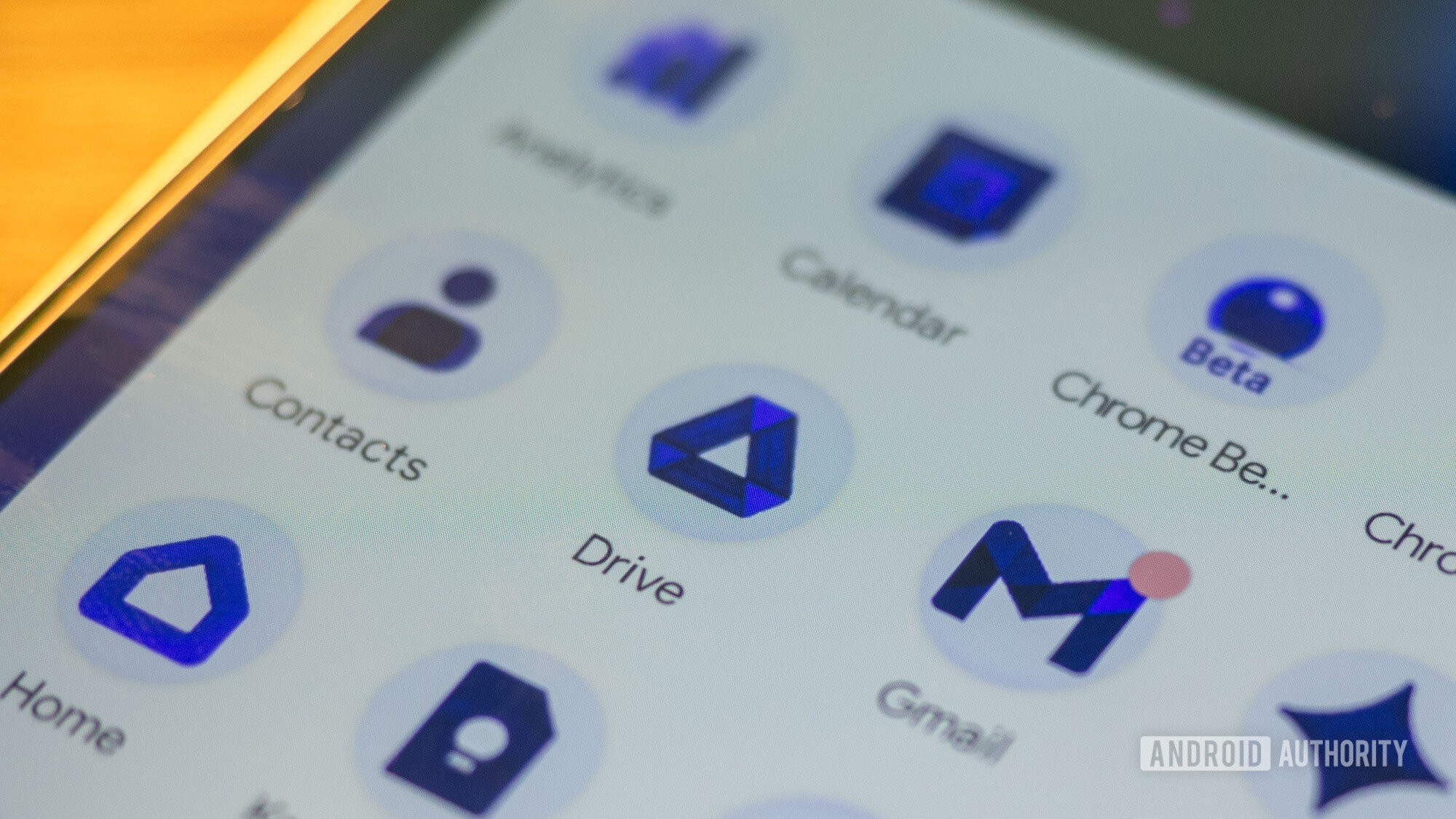
After a decade with Google Drive and Photos, a growing desire for digital privacy led me to disentangle from Google's ecosystem. I found a compelling solution in Proton Drive, a privacy-focused application that merges the functionalities of Google Drive, Photos, and Docs into one secure platform. While it presents some trade-offs in convenience, for those prioritizing security and control over their data, Proton Drive offers a robust and satisfying alternative.
The Imperative of Privacy: Why I Made the Switch
The primary reason for migrating to Proton Drive is a strong commitment to personal privacy. While Google’s apps offer security against malicious actors, my apprehension stems from their fundamental lack of end-to-end encryption (E2EE) for consumer accounts. This means Google technically could access all my data—documents, images, emails, notes, and AI conversations. Furthermore, Google typically complies with government data requests, an unsettling thought.
Proton Drive fundamentally shifts this dynamic. The Swiss-based company provides true E2EE, ensuring only I, the user, can access my content. Proton doesn't hold decryption keys, making them unable to view my files. Consequently, any governmental data request would yield only undecipherable information, reinforcing my control over sensitive data.
Another significant concern is pervasive AI. While I trust Google employees aren't sifting through my photos, AI systems like Gemini routinely scan every image, email, and document by default to power features like natural language search. The idea of AI continuously analyzing my digital life, classifying and labeling my data, is deeply uncomfortable. Proton Drive has no such practices; no AI scans documents, and no employees access files by default. This commitment to privacy by design offers unparalleled peace of mind for confidential business documents and personal thoughts.
A Streamlined Experience with Proton Drive
Beyond privacy, Proton Drive introduces design choices and features that often enhance the user experience over Google’s offerings.
A notable improvement is unified data management. Proton Drive consolidates all uploaded files, documents created in Proton Docs, and backed-up photos into a single, cohesive interface. This contrasts with Google’s model, where Photos is distinct and images aren't natively integrated into Drive. For me, having all important digital assets accessible from one application is a significant convenience.
Proton Docs, in particular, is a pleasant surprise. As a professional writer, I found this alternative more than capable. Its design is remarkably cleaner and simpler than Google Docs, without compromising essential formatting. Google Docs often feels cluttered with its extensive menu bar, ribbon, and Workspace shortcuts. Proton’s minimalist philosophy shines, prioritizing writing with only vital formatting options and a perfectly formatted page from the outset.
Photo management is intuitive, allowing easy album creation and sorting by type (videos, photos, screenshots). The app also offers interface customization via themes and includes a dedicated "Shared" tab for centralized shared files. Overall, Proton Drive feels less cluttered and remarkably user-friendly, though not without limitations.
The Trade-Offs: Where Proton Drive Falls Short
Proton Drive's fierce dedication to privacy inevitably means missing many convenience features common in Google Drive and Photos. The advanced, AI-powered tools are absent.
- Limited Search: Search is basic; no "beach" or specific person searches, as this requires AI scanning, which Proton opposes.
- No Photo Editing: Unlike Google Photos, Proton Drive lacks built-in editing tools like Magic Eraser.
- No AI Integration: There’s no equivalent to Gemini’s document summarization.
- Security Vault: While privacy is inherent, a "Locked Folder" for sensitive images is missing.
- UI Aesthetics: The UI might appear "old-school."
- Performance: Loading files or images occasionally takes slightly longer than Google Drive.
- Pricing & Storage: The free tier offers 5GB (vs. Google's 15GB). The 200GB plan costs $4.99/month, $2 more than Google One's comparable tier.
These omissions highlight the core dilemma: absolute privacy versus convenience. Google offers a feature-rich, modern ecosystem; Proton champions uncompromising privacy, even if it means foregoing some advanced functionalities.
Proton Drive vs. Google Ecosystem: A Feature Comparison
To help in your decision-making, here’s a direct comparison of key aspects between Proton Drive and Google’s suite (Drive, Photos, Docs):
| Feature | Proton Drive | Google Drive/Photos/Docs |
|---|---|---|
| Primary Focus | Privacy & Security (E2EE) | Features & Convenience (AI) |
| End-to-End Encryption | Yes (for consumer accounts) | No (for consumer accounts) |
| AI Data Scanning | No (by design) | Yes (for features like search) |
| File Consolidation | All files, docs, photos in one app | Separate apps (Drive, Photos) |
| Docs Editor Design | Minimalist, clean, essential | Cluttered, feature-rich |
| Advanced Search | Basic (no content/object search) | Advanced (AI-powered) |
| Photo Editing Tools | None | Yes (Magic Eraser, etc.) |
| Free Storage | 5GB | 15GB |
| 200GB Plan Price (Mo.) | $4.99 | $2.99 (Google One) |
The Verdict: Who Should Switch to Proton Drive?
Ultimately, the choice between Proton Drive and Google’s services hinges on your priorities. If absolute privacy is paramount, and you're uncomfortable with companies or AI analyzing your data, Proton Drive is a compelling solution. For my workflow, its unified file management and minimalist Proton Docs even offer a superior experience. The peace of mind from knowing my data is genuinely secure is a compromise I’m willing to make, despite sacrificing some AI-powered conveniences.
However, if you heavily rely on advanced AI features for search, editing, or summarization, and you generally trust Google with your data, migrating might feel like a step backward. It's a clear trade-off: unparalleled privacy versus unparalleled convenience.
For me, reclaiming my digital footprint has just begun. Proton's extensive ecosystem, including Proton Calendar, Mail, Pass, and VPN, promises further steps towards a more private digital existence.
FAQ
Q: Is Proton Drive a direct feature-for-feature replacement for Google Drive, Photos, and Docs?
A: While Proton Drive successfully integrates the core functionalities of these Google services into one privacy-focused app, it intentionally omits many of Google's AI-powered convenience features, such as advanced image search, photo editing tools, and AI summarization, due to its commitment to end-to-end encryption and user privacy. It's a trade-off.
Q: Is Proton Drive more expensive than Google's offerings?
A: Generally, yes. Proton Drive's free tier provides 5GB of storage compared to Google's 15GB. For paid plans, a 200GB Proton Drive subscription costs $4.99 per month, which is $2 more than Google One's equivalent storage tier.
Q: Who would benefit most from switching to Proton Drive?
A: Proton Drive is ideal for individuals who prioritize absolute digital privacy, desire end-to-end encryption for all their cloud files and documents, want to avoid AI scanning of their personal data, and are willing to accept a more minimalist feature set in exchange for enhanced security and peace of mind.
Related articles
Android 17 QPR2 Beta 7.1: The Performance Relief You've Been Waiting
Android 17 QPR2 Beta 7.1: Finally Fixing the QPR1 Performance Woes Verdict: Android 17 QPR2 Beta 7.1 is a crucial and highly anticipated software update for Google Pixel users, specifically targeting and resolving the

DJI Solo Video Setups: Smart Choices for Lone Creators
This review delves into DJI's recommended solo video setups, highlighting the Osmo Pocket 3 Creator Combo as a top pick for its integrated camera, gimbal, and mic. It also covers stabilizers like the Osmo Mobile 8 and RS 4, and the DJI Mic Mini series for enhanced audio, providing honest pros, cons, and clear buying advice.

Ars Technica's Rocket Report: Your Essential Space Industry Briefing
Quick Verdict Ars Technica's Rocket Report, presented by veteran space reporter Stephen Clark, offers an invaluable and meticulously organized weekly (or similar frequency, implied by "Edition 9.15") digest of the most
Apple iPhone Duo: A Daring Debut with Notable Compromises
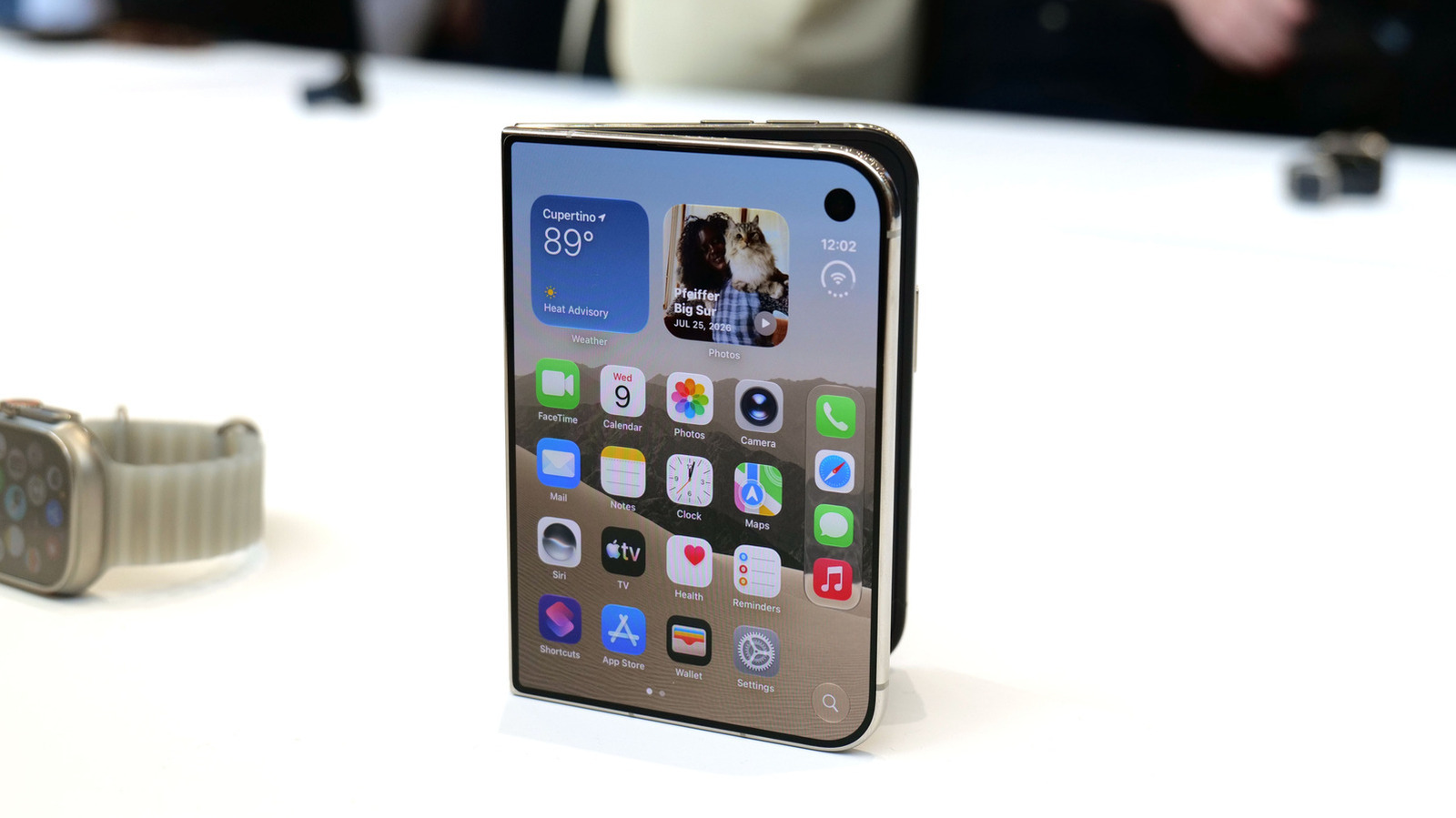
Apple's highly anticipated iPhone Duo, priced at $2,000, has gone on pre-order. While hailed as "Apple's most exciting device in a decade" for its innovative foldable design and immersive display, it comes with significant drawbacks like the absence of FaceID and a premium camera.

Amazon Prime Video Launches AI-Powered Prime 360 for NBA Coverage
Amazon Prime Video is elevating its NBA coverage with the introduction of Prime 360, an AI-powered replay system offering immersive, 'fly through' views of the action. Kicking off its second season, Prime Video also adds Yahoo fantasy integration and gains exclusive Eastern Conference Finals rights, expanding its tech-driven sports broadcast. The new features aim to deliver a unique and interactive viewing experience for basketball fans.
KDE Plasma 6.8: A Future-Focused 30th Anniversary Update
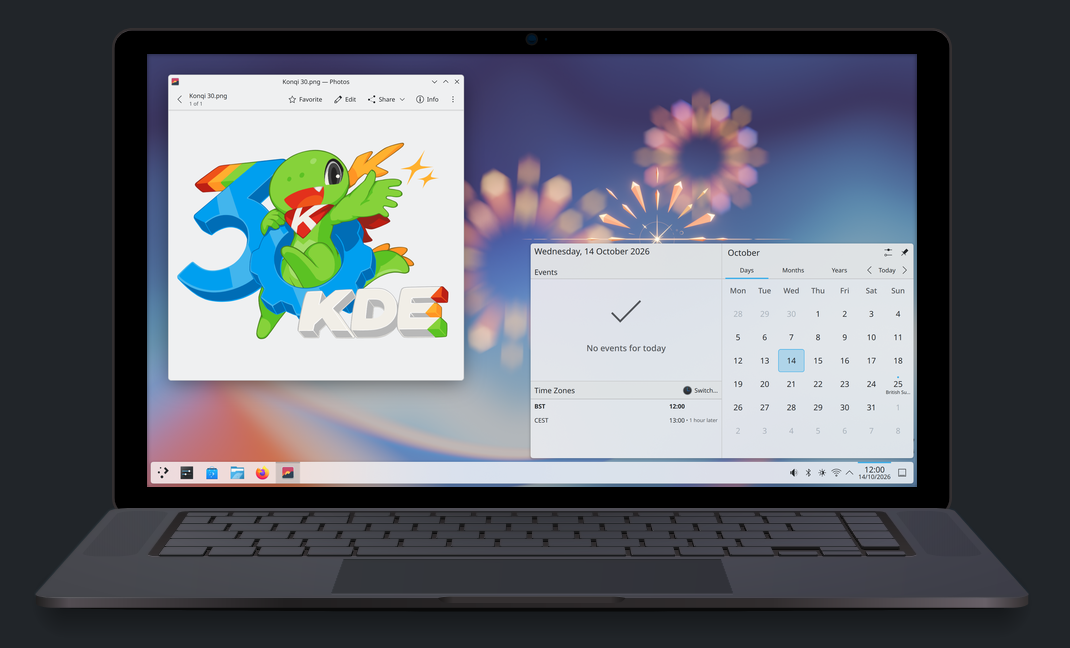
Quick Verdict KDE Plasma 6.8, arriving as the "30th Anniversary Edition," is a pivotal release that decisively pushes the desktop environment into the future. With a definitive farewell to native X11 sessions and a