
Projector Brightness Levels: The Truth Behind the Lumens Hype
Projectors have evolved dramatically, moving beyond dedicated home theaters into everyday living spaces. With portable designs, lifestyle-oriented models, and ultra-short-throw setups increasingly serving as TV
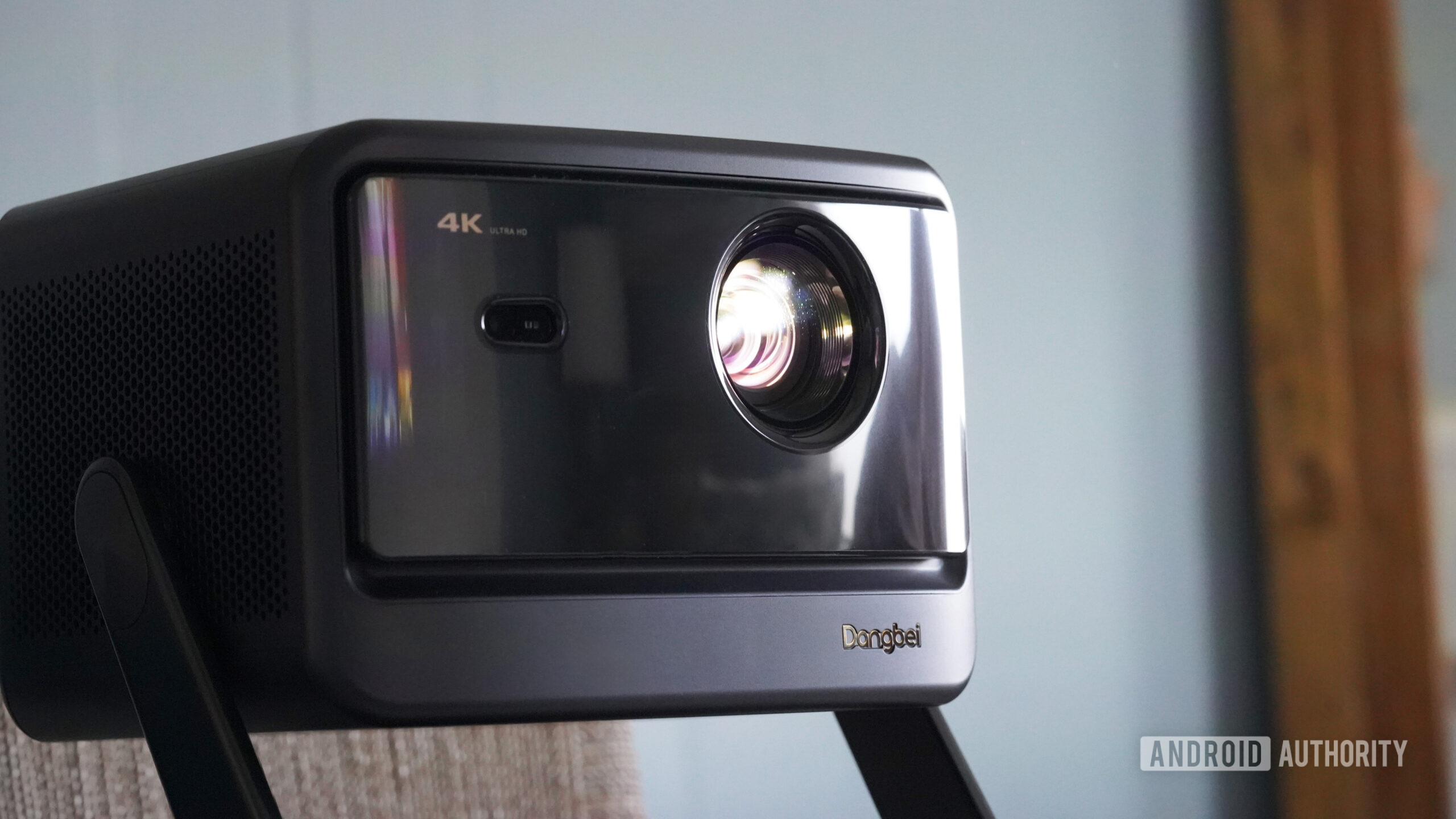
Projectors have evolved dramatically, moving beyond dedicated home theaters into everyday living spaces. With portable designs, lifestyle-oriented models, and ultra-short-throw setups increasingly serving as TV replacements, one specification has consistently seen an upward trend: brightness. On paper, a higher lumen count promises a superior, more usable image, especially in rooms that aren't perfectly dark. However, for the majority of users, once a certain baseline brightness is met, the leap from a moderately bright projector to an extremely bright one often doesn't enhance the viewing experience as much as the impressive numbers suggest. This review aims to dissect why chasing the highest lumen count isn't always the upgrade it appears to be, offering an honest, detailed analysis for prospective buyers.
Quick Verdict
Don't fall solely for the lumen hype. While brightness is undoubtedly a factor, its importance is often overstated by marketing, especially for casual users in typical viewing environments. Beyond a certain threshold, additional lumens offer diminishing returns. For a truly impactful image, factors like contrast, your viewing environment, and crucially, your screen choice, will often deliver a more significant improvement than simply pushing for the highest brightness number. Reserve the chase for peak lumens for very specific, demanding use cases.
The Lumens Lure: What the Specs Don't Tell You
The confusion around projector brightness often begins with the spec sheet itself. Even when manufacturers adhere to standardized measurements such as ANSI or ISO lumens, these figures are typically captured under highly controlled laboratory conditions. These ideal environments rarely mirror the dynamic, varied settings in which a projector is actually used in a home. To complicate matters further, some brands opt for less clearly defined or proprietary metrics, which only compounds the inconsistency across the market. The practical consequence of this varied approach is that two projectors, despite boasting similar brightness ratings on paper, can exhibit noticeably different image quality and perceived brightness once you set them up in your own space.
Real-World Impact: Your Room's Role
Your viewing environment plays the most significant role in how a projector's brightness translates into a visible image. If you're fortunate enough to watch content in a thoroughly darkened room, you'll quickly encounter diminishing returns on brightness. In such conditions, adding more lumens past a certain point will not alter the perceived image quality as dramatically as the numerical increase might imply. Ambient light, however, is a much larger variable for everyday projector use. It's common for projector marketing to showcase scenarios involving massive images projected in brightly lit rooms. Yet, the reality for most home setups is far more modest, typically involving screen sizes ranging from 80 to 120 inches, and usually with at least some degree of light control (e.g., curtains, blinds). Under these common conditions, a mid-range brightness projector is frequently more than adequate.
That said, brightness does gain considerable importance if your intention is to use a projector as a primary TV replacement in a living room, where daylight is a constant presence. In these situations, higher lumen output becomes critical to prevent the image from appearing washed out and lacking vibrancy when natural light enters the room.
Beyond Brightness: Where True Image Quality Lies
While brightness is a measurable quantity of light output, it's far from the sole determinant of a truly great projected image. Other elements contribute significantly more to the overall visual experience.
Screen Choice is Paramount
Many users underestimate the profound impact their screen choice has on perceived brightness and image quality. Upgrading your screen can often yield more noticeable improvements than upgrading your projector's brightness. For instance, an ambient light-rejecting (ALR) screen can dramatically enhance both perceived brightness and contrast without requiring you to change your projector unit at all. While ALR screens can be a considerable investment, even a simple switch from projecting directly onto a wall to using a basic matte white screen can visibly tighten up the image. This change alone can be as impactful as moving up an entire tier in projector brightness, offering a cost-effective path to a better viewing experience.
Contrast: The Unsung Hero
Brightness tells you the sheer amount of light a projector can emit, but contrast is what truly shapes how good your image ultimately looks. The interplay between deep, inky blacks and brilliant highlights is what creates a sense of depth, texture, and fine detail within the image. Conversely, poor contrast, even in a very bright picture, will leave the image looking flat and lifeless. Take, for example, a film like Dune: Part Two, which I often use for testing. Its shadowed interior scenes and sun-drenched desert vistas are designed to feel dramatically different. However, without robust contrast, these distinct visual environments would unfortunately blend into a dull, sandy middle ground, losing their intended impact. For the vast majority of setups, investing in a projector with better contrast will go much further in elevating your viewing experience than simply adding a bump in brightness.
Marketing vs. Reality: Peak Brightness Isn't Constant
Finally, it’s crucial to understand that the headline lumen number prominently displayed on a projector's spec sheet is typically a 'best-case scenario' figure. In real-world operation, projectors are designed to balance a multitude of factors, including brightness, color accuracy, operational noise, and internal heat generation. Consequently, the picture modes that deliver the most aesthetically pleasing and color-accurate images often do not run at the projector's absolute maximum brightness. Furthermore, even when a projector is operating at its peak brightness, that level isn't always sustained evenly across all types of content or throughout the entire viewing session.
Pros and Cons of Chasing High Lumens
While this review highlights the often-overstated importance of lumens for general use, brightness is not irrelevant. It absolutely plays a critical role in certain scenarios.
Pros (When High Lumens Do Matter):
- Bright Viewing Environments: If your primary viewing space consistently has significant ambient light, higher lumens are essential to combat washout and maintain image visibility.
- Very Large Screen Sizes: Projecting an image onto an exceptionally large screen (e.g., 150 inches or more) naturally diffuses light over a greater area, making higher brightness necessary to achieve adequate illumination.
- Outdoor Use: For outdoor movie nights or events, where light control is minimal to non-existent, a very bright projector is a must-have.
- Dedicated Home Theaters (for Cinephiles): For enthusiasts creating a truly cinematic experience in a perfectly light-controlled room, higher brightness can offer greater dynamic range and punch, especially with HDR content.
Cons (For Most Everyday Users):
- Diminishing Returns: For typical screen sizes and rooms with some light control, the visual improvement from incrementally higher lumens beyond a certain point becomes negligible.
- Higher Cost Without Proportional Benefit: Projectors with significantly higher lumen counts often come with a substantial price premium, which for many users, doesn't translate into a proportionally better viewing experience.
- Distraction from More Important Factors: Focusing exclusively on lumens can lead buyers to overlook critical elements like contrast ratio, color accuracy, and screen technology, which have a greater impact on perceived image quality.
- Misleading Marketing: The emphasis on peak brightness can create unrealistic expectations about real-world performance.
Buying Recommendation
When shopping for a projector, avoid getting tunnel vision solely on the lumen count. Instead, adopt a more holistic approach. First, realistically assess your primary viewing environment: How much ambient light will typically be present? What screen size are you aiming for? Then, prioritize contrast. A projector with an excellent contrast ratio will deliver a more engaging, detailed, and vibrant image than one that is simply brighter but lacks depth. Invest in a quality screen, particularly an ALR screen if you anticipate significant ambient light. For most casual shoppers or those setting up a projector in a room with some light control, a mid-range brightness projector (e.g., 2,000-3,000 ANSI lumens, depending on screen size and room lighting) will likely offer a fantastic experience without the unnecessary expense of chasing the highest numbers. Reserve the pursuit of ultra-high lumens for genuinely demanding scenarios where brightness is unequivocally the primary bottleneck.
FAQ
Q: Does brightness never matter for projectors?
A: No, that's not accurate. Brightness absolutely matters in specific scenarios, such as when projecting onto very large screens, using the projector outdoors, or replacing a TV in a brightly lit living room during the day. For these demanding situations, higher lumens are crucial to combat ambient light and ensure a visible, punchy image. However, for typical indoor use in a room with some light control, the impact of extreme brightness levels diminishes significantly past a certain point.
Q: What's the most important factor for overall image quality if not just brightness?
A: While brightness contributes, contrast is arguably the most crucial factor for overall image quality. A high contrast ratio allows for deep blacks and bright whites, creating depth, detail, and a more dynamic, visually engaging picture. A projector with excellent contrast will make content look significantly better, even if its peak brightness isn't the absolute highest on the market.
Q: Is an expensive screen really worth it?
A: Yes, in many cases, investing in a good screen, particularly an ambient light-rejecting (ALR) screen, can be more impactful than simply buying a brighter projector. An ALR screen can dramatically improve perceived brightness and contrast by reflecting projector light back to the viewer while rejecting ambient light from other directions. Even a basic matte white screen is a significant upgrade over projecting onto a bare wall, offering a noticeable improvement in image quality. Consider your screen as an integral part of your projection system, not just an accessory.
Related articles
Android 17 QPR2 Beta 7.1: The Performance Relief You've Been Waiting
Android 17 QPR2 Beta 7.1: Finally Fixing the QPR1 Performance Woes Verdict: Android 17 QPR2 Beta 7.1 is a crucial and highly anticipated software update for Google Pixel users, specifically targeting and resolving the

"thegentlemanpervert": A Catastrophic Failure in Digital Ethics and
"thegentlemanpervert" review: An AI CSAM production and distribution operation, led by a NJ prosecutor, proved to be an absolute and catastrophic failure, resulting in felony charges and a stark warning about digital culpability.

DJI Solo Video Setups: Smart Choices for Lone Creators
This review delves into DJI's recommended solo video setups, highlighting the Osmo Pocket 3 Creator Combo as a top pick for its integrated camera, gimbal, and mic. It also covers stabilizers like the Osmo Mobile 8 and RS 4, and the DJI Mic Mini series for enhanced audio, providing honest pros, cons, and clear buying advice.

Ars Technica's Rocket Report: Your Essential Space Industry Briefing
Quick Verdict Ars Technica's Rocket Report, presented by veteran space reporter Stephen Clark, offers an invaluable and meticulously organized weekly (or similar frequency, implied by "Edition 9.15") digest of the most
Apple iPhone Duo: A Daring Debut with Notable Compromises
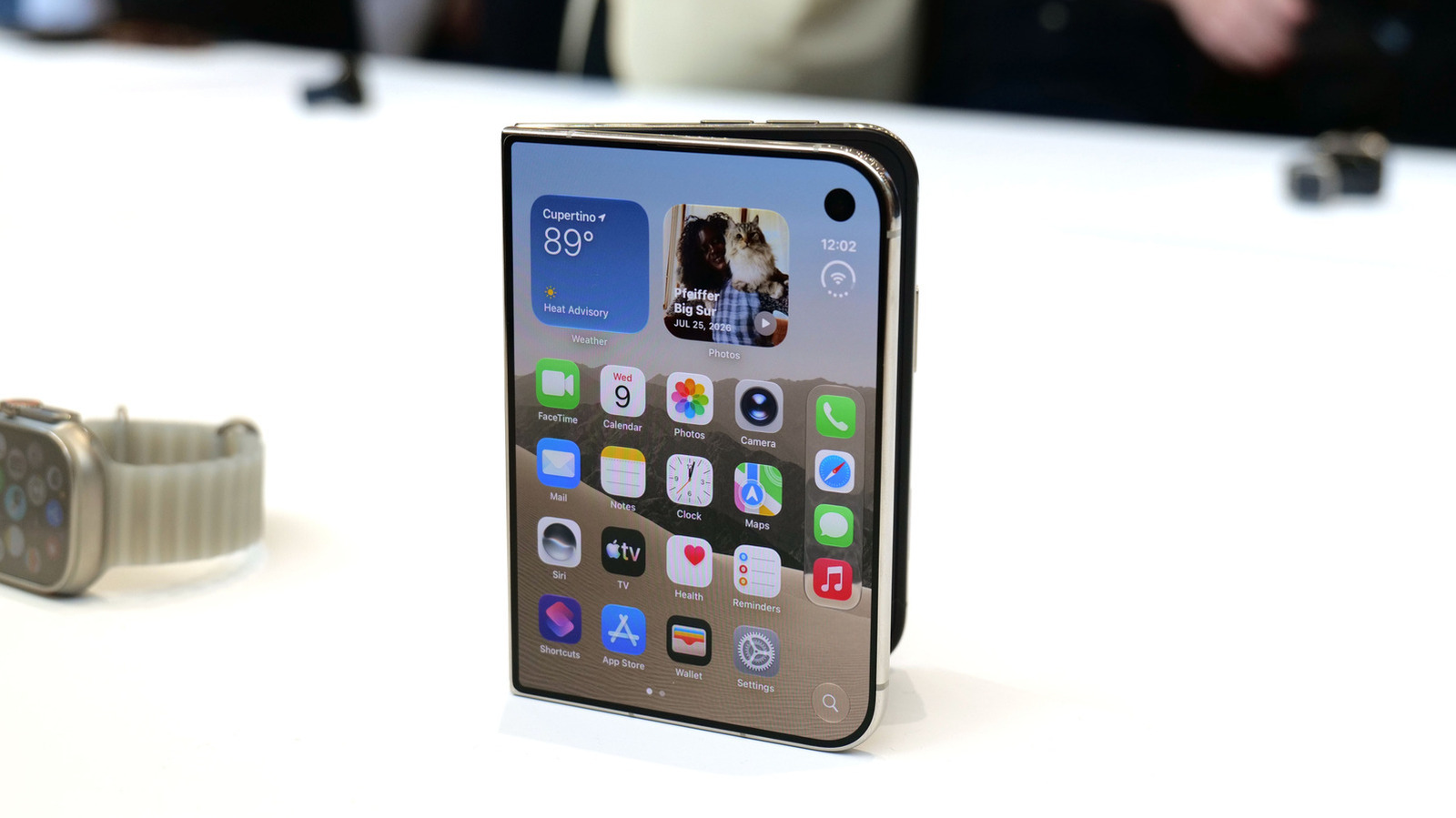
Apple's highly anticipated iPhone Duo, priced at $2,000, has gone on pre-order. While hailed as "Apple's most exciting device in a decade" for its innovative foldable design and immersive display, it comes with significant drawbacks like the absence of FaceID and a premium camera.
KDE Plasma 6.8: A Future-Focused 30th Anniversary Update
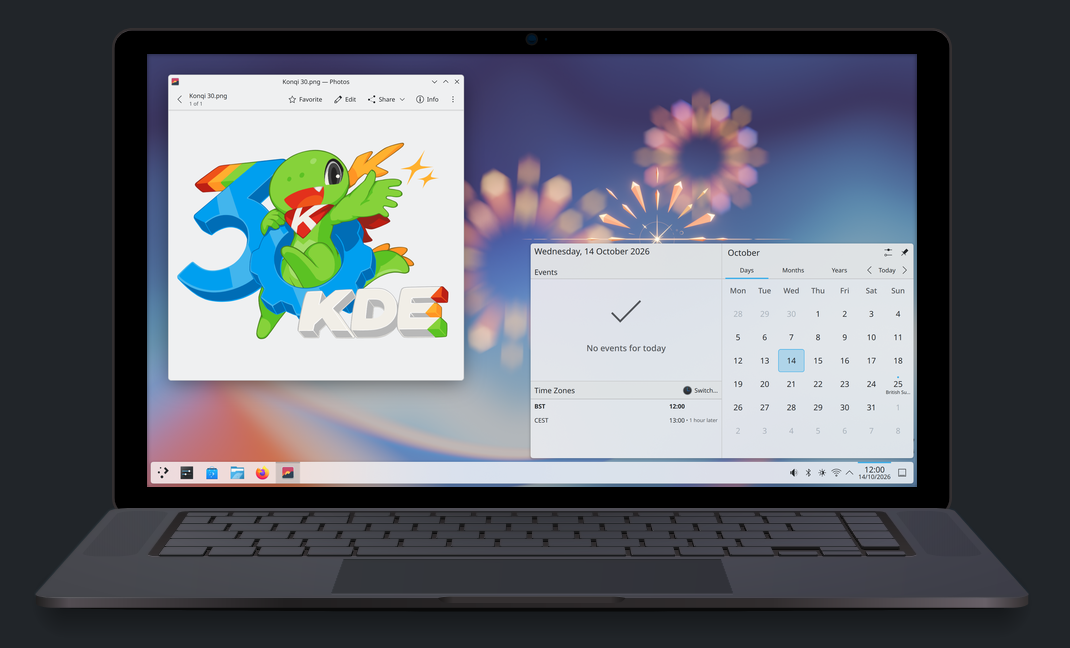
Quick Verdict KDE Plasma 6.8, arriving as the "30th Anniversary Edition," is a pivotal release that decisively pushes the desktop environment into the future. With a definitive farewell to native X11 sessions and a