
Project Ethos Shifts Gears: Layoffs & a Bold New Vision for 2K's F2P
2K's 31st Union studio has undergone layoffs for its free-to-play shooter Project Ethos, while announcing a significant pivot to a "skill-based PVP roguelike experience." This change aims to streamline development and introduce a "more distinctive, fantasy-like visual identity" after a lukewarm initial reception.
Well, gamers, grab a seat because we've got some significant news stirring in the world of free-to-play shooters. 2K's 31st Union studio, the team behind the highly anticipated Project Ethos, has undergone a substantial restructure, including staff layoffs. While any news of job cuts is tough, the studio is simultaneously hinting at a massive pivot for the game, promising a "new direction and focus" that could transform it into something truly different.
Project Ethos has been on our radar for a while, originally pegged as a 'roguelike hero shooter.' Now, it seems 2K and 31st Union are taking a sharper turn, aiming to make their mark in the competitive F2P landscape with what they're calling a "skill-based PVP roguelike experience." It's a bold move, especially in a market that's seen its fair share of hero shooter hopefuls rise and fall. Let's dive into what this means for the game and its future.
Behind the Scenes at 31st Union: Why the Cuts?
The news of layoffs comes from an internal memo penned by studio head Ben Brinkman, which 2K later confirmed. Brinkman explained that these difficult decisions were made to "scale back our team to better align with where we are in development," emphasizing a need to "work more quickly and nimbly." While the exact number of roles affected wasn't disclosed, it's clear the studio is streamlining its operations. Brinkman, who took the helm at 31st Union six months after the departure of former studio head Michael Condrey, expressed unwavering confidence despite the challenges, stating he's "never been more confident in the future of our game, this team, and the commitment and investment Take-Two and 2K leadership continue to show." It's a tough pill for the affected staff, but from a strategic standpoint, the studio is clearly trying to sharpen its focus.
From Hero Shooter to PvP Roguelike: A Radical Redesign
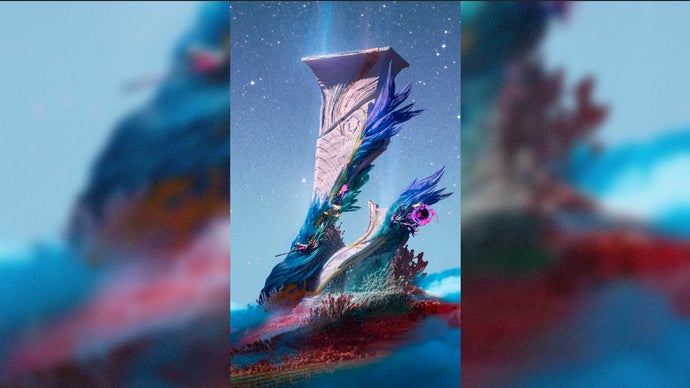
The most intriguing part of this announcement is the game's apparent metamorphosis. Project Ethos was initially introduced in 2024 as a "roguelike hero shooter," a concept that, while popular, has faced immense competition. Now, the description has evolved to a "skill-based PVP roguelike experience." This subtle yet significant change suggests a deeper emphasis on player skill, potentially less on hero-specific abilities, and a renewed focus on the core roguelike mechanics within its player-versus-player framework. Accompanying this reveal, 2K shared new concept art hinting at a "more distinctive, fantasy-like visual identity," moving away from its original "Fortnite-esque appearance." This could mean a unique aesthetic that helps it stand out from the crowded field of cartoonish F2P titles, embracing something more visually striking and perhaps darker or more stylized.
A Rocky Road So Far: Early Reception and Leadership Changes
Project Ethos hasn't had the smoothest journey since its inception. 31st Union was formed in 2019, a period when the hero shooter genre was still riding high. However, by the time Project Ethos was announced in 2024, the landscape had shifted, with high-profile titles like Sony's Concord facing a challenging market. Project Ethos itself received a "lukewarm response" at its debut, which was reportedly a factor in the departure of then-studio head Michael Condrey, formerly of Call of Duty studio Sledgehammer Games. Ben Brinkman stepped in six months later, tasked with guiding the project through its difficulties. This history underscores the pressure on the team and the importance of this current pivot in securing the game's viability and success.
2K's Enduring Belief: Confidence in the Face of Change
Despite the recent layoffs and the game's turbulent development, it seems publisher Take-Two (2K's parent company) remains committed to Project Ethos. The game has consistently appeared on Take-Two's financial reports as an upcoming title. CEO Strauss Zelnick previously championed the game, describing Take-Two's release schedule as "the most robust lineup I've ever been able to talk about in advance." This continued inclusion and leadership's vocal confidence, especially Brinkman's recent statement, suggest that the new direction isn't a last-ditch effort, but rather a calculated strategy backed by the publisher's belief in the project's potential. They're investing in making sure this new vision can truly thrive.
What Does This Mean for Players? Our Take
For us, the players, this news is a mixed bag, but potentially a very exciting one. The layoffs are, without question, tough news for the individuals affected, highlighting the volatile nature of game development. However, the shift in game direction and visual identity could be exactly what Project Ethos needs to find its niche. Moving towards a 'skill-based PVP roguelike' might indicate deeper, more rewarding gameplay loops and less reliance on the often-formulaic hero shooter tropes. If they nail the roguelike progression and a distinct fantasy aesthetic, Project Ethos could carve out a unique space. We're keeping our eyes peeled for more details and hoping this new vision truly delivers an engaging and challenging experience.
FAQ
Q: What kind of game is Project Ethos now?
A: Project Ethos is now described as a "skill-based PVP roguelike experience," shifting from its original concept as a "roguelike hero shooter." It aims to be challenging and thrilling for players.
Q: Who is developing Project Ethos?
A: Project Ethos is being developed by 31st Union, a studio under the 2K Games umbrella. Ben Brinkman is currently the studio head.
Q: Is Project Ethos still going to be free-to-play?
A: Yes, the game is still confirmed as a free-to-play shooter. No information regarding specific platforms or a release date has been provided yet.
Related articles

TCG Pocket Responds: A Much-Needed Pace Shift for Pokémon Fans
Pokémon TCG Pocket is rolling out a major update for its second anniversary, primarily addressing player concerns about overwhelming content releases by shifting to a six-week set schedule. This aims to curb player decline and improve overall engagement by giving trainers more time to collect and strategize. The update also adds new collection methods, improved deck-building features, and enhanced trading functionality.

Kojima Compares Divisive New Film 'Digger' to MGS2's Prescient Vision
Gaming icon Hideo Kojima has praised the divisive 2026 film *Digger*, drawing intriguing parallels to his own prophetic game, *Metal Gear Solid 2*. Both works, he explains, uniquely explore the dangers of misinformation and a fragmented digital reality, anxieties he shares with *Digger*'s director, Alejandro González Iñárritu.

Ubisoft Proposes German Studio Workforce Reduction Amidst
Ubisoft is planning a voluntary departure program for about 100 employees across its Düsseldorf, Berlin, and Mainz studios in Germany. This move is part of a larger, ongoing cost-reduction and restructuring effort by the publisher, aiming to better position its studios for future projects.

TGS 2026: These Forward-Looking Cosplays Are Already Living in the
Tokyo Game Show 2026 showcased incredible cosplay, with many fans embodying characters from unreleased games like *Blast Blade* and *Mononoke No Kuni*. This gallery highlights the community's foresight, alongside debut *Palworld* cosplay and refreshed takes on classics. It’s a testament to the passion that brings gaming's future to life.

Netflix is laying off around 1,000 employees: Layoffs — Key Details
Netflix is laying off approximately 1,000 employees, or six percent of its global workforce, in its largest-ever job cut. This move targets product, tech, HR, and legal teams to reduce costs and re-prioritize investments despite recent financial growth.

Beyond the Bugs: Conquering Studio Headaches in Indie Dev
This guide, part three in a series on running an indie studio, tackles the crucial but often overlooked aspect of dealing with non-development related issues. It introduces creating a shared 'studio backlog' for collective problems and using the IDS (Identify, Discuss, Solve) framework to address them constructively. The core message is to build powerful habits that keep studios from getting quietly derailed by lingering challenges.