
Pressure Washer Buying Guide: Avoid These 5 Common Mistakes
The Verdict: Smart Pressure Washing Starts Before You Buy Pressure washers are invaluable tools for home maintenance, capable of making quick work of stubborn grime and dirt. However, the path to sparkling surfaces is
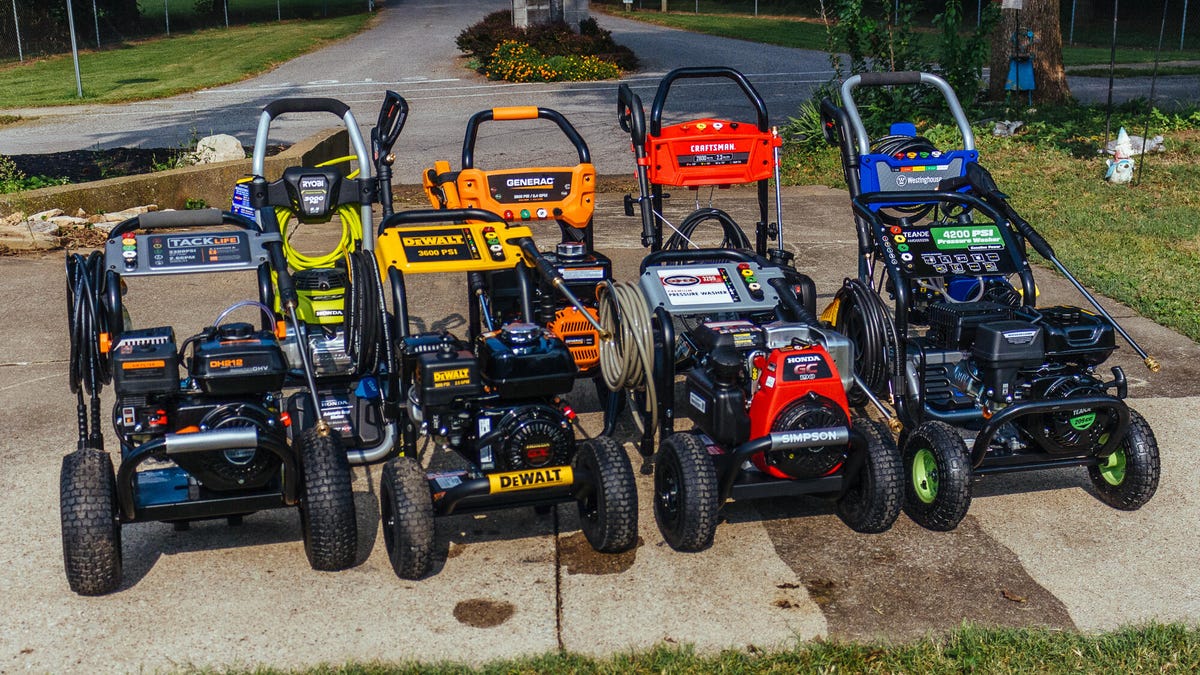
The Verdict: Smart Pressure Washing Starts Before You Buy
Pressure washers are invaluable tools for home maintenance, capable of making quick work of stubborn grime and dirt. However, the path to sparkling surfaces is paved with potential pitfalls if you don't approach your purchase and usage thoughtfully. This guide, drawing on CNET's expert analysis, highlights five critical mistakes buyers often make, from choosing the wrong power level to neglecting vital safety precautions. Understanding these errors can save you significant time, money, and property damage, ensuring you harness the true potential of your pressure washer safely and effectively.
Key Considerations Before You Power Up
Pressure washers are a fantastic force multiplier for cleaning around the home, especially outdoors. They can tackle everything from muddy patios to grimy siding, but their effectiveness and safety hinge on making informed decisions. Many users, particularly first-timers, fall into common traps when selecting and operating these powerful machines. By addressing these oversights, you can ensure your investment pays off, rather than leading to frustration or damage.
Mistake 1: Prioritizing PSI Over Balanced Cleaning Power
It’s natural to think that more power equals better cleaning, but focusing solely on Pounds per Square Inch (PSI) is a common misstep. True cleaning performance comes from a careful balance of PSI (the force of the water) and Gallons Per Minute (GPM, the volume of water). An oversized machine can be overkill, potentially damaging delicate surfaces like siding, decks, or even your vehicle's paintwork.
The Right Approach: Assess your primary cleaning tasks. For lighter jobs such as cleaning patios, outdoor furniture, and removing light grime, an electric unit offering 1,500–2,000 PSI combined with 1.2–1.8 GPM is often sufficient. CNET points to models like the Karcher K1800PS Cube as an excellent example for these needs. If you’re facing heavier-duty cleaning challenges, like ingrained dirt on concrete or tougher stains, aim for a model with 2,800–3,500 PSI and 2.3–3.0 GPM, such as the DeWalt DWPW3000. Matching the power to the task prevents damage and ensures efficiency.
Mistake 2: Always Cranking to Max Power or Misjudging Distance
The allure of maximum power is strong – who wouldn't want to finish a job faster? However, using your pressure washer at its highest setting or too close to a surface can be incredibly destructive. The closer the nozzle is to the surface, the more intense the pressure, magnifying the risk of stripping paint, gouging wood, or eroding masonry.
The Right Approach: Think of your pressure washer as a precision tool. Invest time in understanding the proper tips, angles, and distances for different applications. Always start further away from the surface and gradually move closer until you achieve the desired cleaning effect. A simple test on an inconspicuous spot can prevent irreversible damage. This nuanced approach improves user experience and protects your property.
Mistake 3: Choosing the Wrong Nozzle for the Job
Pressure washers typically come with an array of color-coded nozzles, each designed for a specific spray pattern and intensity. Using the incorrect nozzle is a quick way to cause damage or simply be ineffective. Each color signifies a different fan degree, dictating how concentrated or broad the water stream will be.
The Right Approach: Familiarize yourself with the nozzle spectrum:
- 0-degree (Red): This nozzle delivers an extremely intense, pinpoint stream. It's suitable only for hard, flat surfaces like heavily stained concrete or stone, and should be used with extreme caution as it can easily damage wood, paint, and softer materials.
- 15-degree (Yellow): A powerful, narrow fan ideal for surface preparation, stripping paint, or removing deep-seated grime from tough surfaces. Use with care.
- 25-degree (Green): This wider fan offers a versatile, all-purpose cleaning experience. It's a safer choice for general cleaning tasks on decks, patios, driveways, and siding.
- 40-degree (White): The widest and gentlest fan, perfect for delicate surfaces such as vehicles, windows, and outdoor furniture where less aggressive cleaning is needed.
- Soap Nozzle (Black): This low-pressure nozzle is designed to mix detergent with water, allowing for effective soap application before you switch to a cleaning nozzle for rinsing. Always apply detergent first, then switch.
As a general rule, always start with a wider fan (like green or white) and only move to a narrower, more powerful one if the task demands it.
Mistake 4: Neglecting Proper Maintenance
A pressure washer is a significant investment, and like any powerful machine, it requires regular care to perform optimally and last. Many users mistakenly assume these units are maintenance-free, leading to premature wear and potential breakdowns.
The Right Approach: Proactive maintenance ensures longevity and consistent performance:
- Fuel and Oil (Gas Models): Regularly check and change the fuel and oil according to the manufacturer’s guidelines.
- Hoses and Nozzles: Inspect hoses for kinks or leaks, and clear nozzles of any clogs or debris before each use.
- Water Filter: Clean or replace the water filter to protect the pump from sediment.
- Winterizing: This is crucial for models stored in cold climates. Flush out all remaining water and add a pump protector to prevent freezing damage.
- Storage: Store your pressure washer in a dry, protected environment away from extreme temperatures.
Mistake 5: Overlooking Essential Safety Precautions
The sheer power of a pressure washer is its greatest asset, but also its greatest hazard. Underestimating its force can lead to serious injury, property damage, or even electrical shock (with electric models). The high-pressure stream can cut skin, propel debris at high speeds, and cause falls if not handled properly.
The Right Approach: Safety should always be your top priority:
- Personal Protective Equipment (PPE): Always wear safety glasses, sturdy gloves, and closed-toe shoes to protect yourself from ricocheting debris and the powerful spray.
- Clear Surroundings: Before starting, ensure the area is clear of people, pets, and any fragile items that could be damaged or propelled.
- Electrical Safety (Electric Models): Always connect electric pressure washers to a Ground Fault Circuit Interrupter (GFCI) outlet to prevent electrical shock.
- Ventilation (Gas Models): Operate gas pressure washers in well-ventilated outdoor areas to avoid carbon monoxide buildup.
- Nozzle Security: Ensure nozzles are securely attached before turning on the machine.
- Firm Grip: Always maintain a firm grip on the spray gun to control kickback.
- Never Point: Never point the spray gun at yourself, other people, or animals.
- Read the Manual: Always consult your specific pressure washer’s manual for detailed operating and safety instructions.
Buying Recommendation
Choosing and using a pressure washer effectively is less about brute force and more about informed technique. By avoiding these five common mistakes – minding the balance of PSI and GPM, mastering distance and settings, selecting the correct nozzle, diligently maintaining your machine, and prioritizing safety – you'll unlock the full potential of this powerful cleaning tool. Your property will thank you, and you'll enjoy a safer, more efficient cleaning experience. Take the time to research your needs, understand your machine, and always put safety first.
FAQ
Q: How do I know if I need a gas or electric pressure washer?
A: The choice depends on your cleaning tasks. Electric pressure washers are generally lighter-duty (1,500-2,000 PSI) and ideal for smaller jobs like washing cars, patio furniture, and light grime. They are quieter, require less maintenance, and are emission-free. Gas pressure washers offer higher power (2,800-3,500+ PSI) and are better suited for heavy-duty tasks such as cleaning large driveways, stripping paint, or tackling stubborn stains on durable surfaces, but they require more maintenance and ventilation.
Q: Can a pressure washer damage my home's siding or deck?
A: Yes, absolutely. Using too much pressure, an incorrect nozzle, or holding the nozzle too close to the surface can cause significant damage, including stripping paint, gouging wood, forcing water behind siding, or even creating permanent marks. Always start with a lower pressure, a wider fan nozzle (like 40-degree or 25-degree), and a greater distance from the surface, gradually adjusting as needed. Testing on an inconspicuous area is highly recommended.
Q: What is the most important spec to consider when buying a pressure washer?
A: While PSI (Pounds per Square Inch) indicates raw power, the most important specification is the cleaning unit (CU), which is calculated by multiplying PSI by GPM (Gallons Per Minute). This gives a more accurate representation of a pressure washer's overall cleaning capability, combining both force and water volume. A balanced CU ensures efficient and effective cleaning without being overly aggressive for your intended uses. For example, a unit with 2000 PSI and 1.2 GPM (2400 CU) is well-suited for general home cleaning.
Related articles
Android 17 QPR2 Beta 7.1: The Performance Relief You've Been Waiting
Android 17 QPR2 Beta 7.1: Finally Fixing the QPR1 Performance Woes Verdict: Android 17 QPR2 Beta 7.1 is a crucial and highly anticipated software update for Google Pixel users, specifically targeting and resolving the

DJI Solo Video Setups: Smart Choices for Lone Creators
This review delves into DJI's recommended solo video setups, highlighting the Osmo Pocket 3 Creator Combo as a top pick for its integrated camera, gimbal, and mic. It also covers stabilizers like the Osmo Mobile 8 and RS 4, and the DJI Mic Mini series for enhanced audio, providing honest pros, cons, and clear buying advice.
Ditch Merge & Center: The Better Way to Align Text in Excel
Learn to use Excel's "Center Across Selection" to align text across cells without merging, avoiding common data manipulation issues. This guide provides steps to utilize this newly accessible feature and add it to your Quick Access Toolbar.

Ars Technica's Rocket Report: Your Essential Space Industry Briefing
Quick Verdict Ars Technica's Rocket Report, presented by veteran space reporter Stephen Clark, offers an invaluable and meticulously organized weekly (or similar frequency, implied by "Edition 9.15") digest of the most

Apple iPhone Duo: A Daring Debut with Notable Compromises
Apple's highly anticipated iPhone Duo, priced at $2,000, has gone on pre-order. While hailed as "Apple's most exciting device in a decade" for its innovative foldable design and immersive display, it comes with significant drawbacks like the absence of FaceID and a premium camera.

KDE Plasma 6.8: A Future-Focused 30th Anniversary Update
Quick Verdict KDE Plasma 6.8, arriving as the "30th Anniversary Edition," is a pivotal release that decisively pushes the desktop environment into the future. With a definitive farewell to native X11 sessions and a