
Pixel Tensor G5 Gaming Power: Fans Weigh In
A new survey reveals that while a third of Pixel fans are put off by the Tensor G5's lackluster gaming and heavy multitasking performance, a significant majority prioritize the overall 'Pixel experience' and AI features, finding the chip 'good enough' for daily use. Longevity and overheating remain key concerns for some.
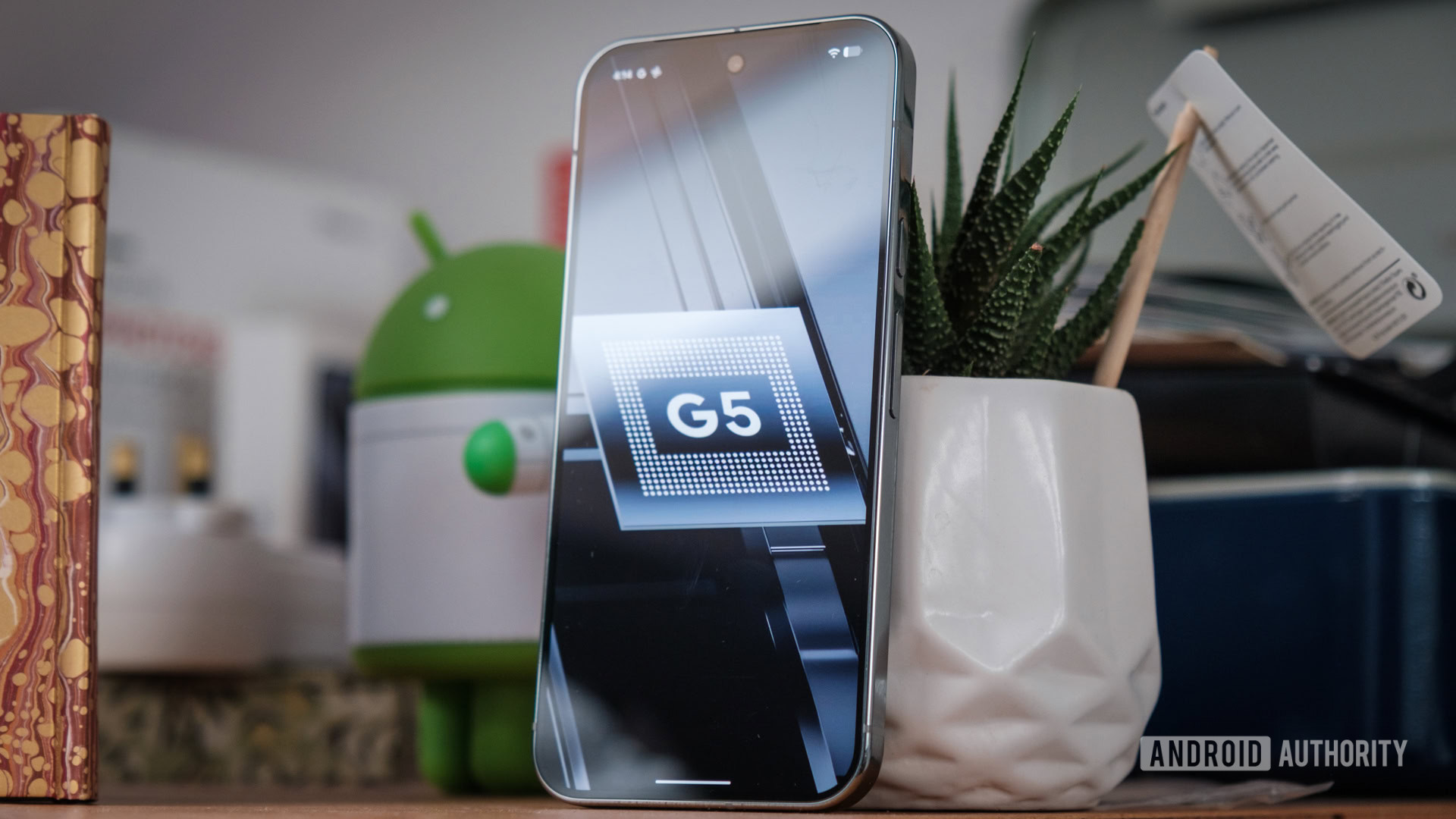
Quick Verdict: Pixel Performance – A Divided Loyalty
Google's Tensor G5 chip has once again stirred the pot, with a recent survey revealing a clear split among Pixel fans regarding its gaming and general performance. While a significant majority (62.7%) of 6,310 voters prioritize the overall "Pixel experience," AI features, and software cohesion over raw horsepower, a substantial third (34.6%) are genuinely put off by the lackluster performance, citing concerns about demanding tasks, device longevity, and persistent issues like overheating and poor battery life. The verdict is clear: for many, the Pixel's unique strengths outweigh its silicon shortcomings, but for a growing segment, "good enough" might not be good enough in the long run.
Introduction: The Tensor G5 Performance Debate
Google's Tensor chips have always championed AI and smart features, often at the expense of raw computational muscle. This strategic choice is now under intense scrutiny, particularly as the 2026 flagship landscape sees competitors push the boundaries of performance with 'Ultra' devices. Our recent analysis comparing the Pixel 10 Pro XL's Tensor G5 against the Snapdragon 8 Elite Gen 5, found in the Xiaomi 17 Ultra, starkly illustrated this disparity, especially in graphically intensive tasks like mobile gaming. To gauge the real-world impact of this performance gap, we polled our readership, asking if the Tensor G5's struggles would deter them from purchasing a Google Pixel flagship. The results offer a compelling look into the evolving priorities of smartphone users.
The Numbers Speak: A Community Divided
Our comprehensive poll garnered 6,310 votes, providing valuable insight into consumer sentiment. The findings were revealing:
- 34.6% (2,183 voters): This segment reported that the Pixel's performance shortcomings were a significant deterrent to buying Google's flagship device.
- 62.7% (3,954 voters): A clear majority stated that the performance delta did not influence their purchase decision.
- 2.7% (173 voters): A small minority indicated they wouldn't buy a Pixel regardless of its performance.
Despite technical benchmarks showing rival chips delivering double the performance in popular games such as Genshin Impact or Asphalt Legends, the overwhelming sentiment from the majority suggests that these deficits are not deal-breakers. The divide highlights a fascinating tension between raw specifications and the holistic user experience.
Performance Snapshot: Tensor G5 vs. Snapdragon 8 Elite Gen 5
To understand the context of the survey, it's essential to highlight the observed performance differences:
| Feature | Tensor G5 (Pixel 10 Pro XL) | Snapdragon 8 Elite Gen 5 (Xiaomi 17 Ultra) |
|---|---|---|
| Gaming Performance (COD Mobile) | Struggles to maintain 90fps | Easily maintains 120fps |
| Demanding Titles (e.g., Genshin Impact, Asphalt Legends) | Significantly lower (rivals double) | Superior performance |
| Power Consumption | Draws more power | More efficient |
| Overheating/Battery Life | Users report overheating, bad battery life | Implied better efficiency |
The "Pixel Experience": Why Most Users Don't Mind
For the substantial majority of Pixel users, the appeal lies beyond benchmark scores. Comments from readers frequently emphasized the "Pixel experience" – a blend of cohesive software, intuitive interface, and exclusive features that collectively outweigh the need for bleeding-edge processing power. As reader pjauger noted, for 98% of users, the phone primarily handles normal apps and web browsing, which the Pixel 9 Pro performs perfectly adequately. The tight integration of Google's AI, a core Tensor strength, is often cited as a crucial differentiator.
Many see their Pixel not as a gaming console but as a sophisticated smart assistant that doubles as a phone. For these users, the primary functions—photography, unique AI tools, and a fluid software experience—are paramount. As long as the device functions smoothly for everyday tasks and casual gaming, and ideally avoids overheating (a point of contention, especially with the March 2026 Pixel Feature Drop), the lower GPU performance ceiling is an acceptable trade-off. Reader Jim Vlahos articulated this, stating his indifference to raw Tensor performance, instead prioritizing better power efficiency and less overheating. He pointed out that performance issues are mainly noticeable during benchmarks, video exports, and high-end gaming, which are not his primary use cases.
Real-World Challenges: When "Good Enough" Isn't Enough
Despite the majority's satisfaction, a significant portion of readers expressed genuine concerns. For these users, the inability of Google's flagships to match competitors at a premium price point is a considerable drawback. As mobile games evolve and general app demands increase, the line between "good enough" and inadequate becomes increasingly thin.
The concerns extend beyond gaming. Reader Rashid Gattis highlighted performance issues encountered during heavy multitasking for gig work. Running Amazon Flex, Google Maps, Android Auto, YouTube Music, and a mileage tracker simultaneously on his Pixel 10 Pro XL pushes the device to its limits. He expressed a clear need for a flagship with more "headroom" for such demanding, real-world scenarios, doubting a Snapdragon equivalent would face the same struggles.
Device longevity is another major worry. Reader maxmousee, while not entirely deterred, fears his Pixel will age poorly compared to other flagships. He believes that a 10% performance difference is acceptable, but the current disparity is not, especially for a full-priced device. This sentiment points to a desire for future-proofing, where current performance limitations could translate into significant slowdowns within three years.
Compounding these performance concerns are persistent issues with power efficiency. Several users, including Jim Vlahos, reported bad battery life and frequent overheating on their Pixel 10 Pro, which not only impacts daily usability but also accelerates battery degradation.
The Road Ahead for Google's Tensor
Early whispers about the Tensor G6 suggest it might remain in a similar performance bracket, potentially widening the gap further as Qualcomm pushes ahead with its "Pro Snapdragon" chips. This trajectory poses a significant challenge for Google. If it aims to attract power users and serious mobile gamers—a segment traditionally loyal to Snapdragon-powered devices—it will need to fundamentally reassess its hardware strategy. The current approach, while appealing to a large base focused on the "Pixel experience," risks alienating a market segment that demands uncompromising performance and longevity from their premium devices.
Verdict & Recommendation
The survey paints a picture of a Google Pixel ecosystem with a strong, loyal user base that values its unique software and AI experience above raw performance numbers. If you are a casual smartphone user whose primary activities include browsing, social media, photography, and light casual gaming, and you highly value Google's AI features and the overall "Pixel experience," then a Tensor-powered Pixel flagship remains a compelling choice. You're likely among the majority who find its current performance "good enough."
However, if you are a heavy mobile gamer, a demanding multitasker (especially with professional or gig-economy apps), or someone who expects several years of top-tier performance from a flagship device, then the current Tensor G5, and potentially future iterations based on early rumors, might leave you wanting. Concerns over overheating, battery life, and long-term performance degradation are valid for this user profile. For you, alternatives featuring Snapdragon 8 Elite Gen 5 or similar high-end chips would likely offer a more satisfying experience, ensuring ample headroom for the most demanding tasks and greater confidence in the device's longevity.
FAQ
Q: Does the Tensor G5's gaming performance truly matter to most Pixel users?
A: According to the survey, no. A significant majority of 62.7% of Pixel users indicated that the performance gap, particularly in gaming, does not deter them from purchasing a Pixel flagship. They prioritize the overall "Pixel experience," AI features, and software cohesion.
Q: What are the main concerns for Pixel users who are put off by the Tensor G5's performance?
A: The primary concerns include the device's inability to handle heavy multitasking effectively, fears about its longevity and how it will age compared to competitors, and ongoing issues with overheating and poor battery life. They feel the current performance isn't acceptable for a full-price flagship.
Q: Will future Tensor chips likely address these performance concerns?
A: Early rumors suggest that the Tensor G6 might remain in a similar performance bracket as the G5. This indicates that Google's strategy of prioritizing AI and smart features over raw computational power may continue, potentially widening the performance gap with rival Snapdragon chips.
Related articles

TCG Pocket Responds: A Much-Needed Pace Shift for Pokémon Fans
Pokémon TCG Pocket is rolling out a major update for its second anniversary, primarily addressing player concerns about overwhelming content releases by shifting to a six-week set schedule. This aims to curb player decline and improve overall engagement by giving trainers more time to collect and strategize. The update also adds new collection methods, improved deck-building features, and enhanced trading functionality.
Ars Technica's Rocket Report: Your Essential Space Industry Briefing
Quick Verdict Ars Technica's Rocket Report, presented by veteran space reporter Stephen Clark, offers an invaluable and meticulously organized weekly (or similar frequency, implied by "Edition 9.15") digest of the most
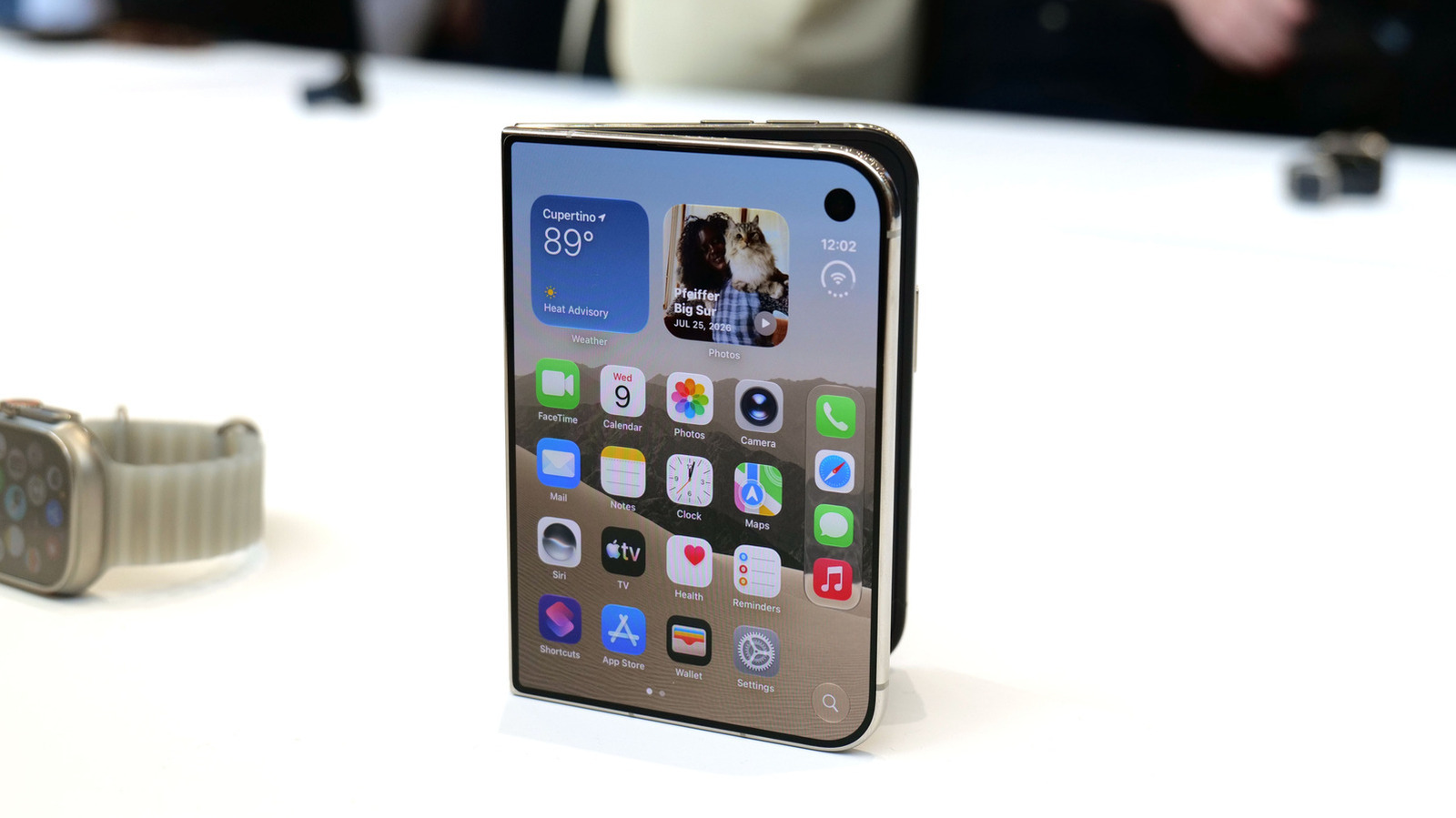
Apple iPhone Duo: A Daring Debut with Notable Compromises
Apple's highly anticipated iPhone Duo, priced at $2,000, has gone on pre-order. While hailed as "Apple's most exciting device in a decade" for its innovative foldable design and immersive display, it comes with significant drawbacks like the absence of FaceID and a premium camera.
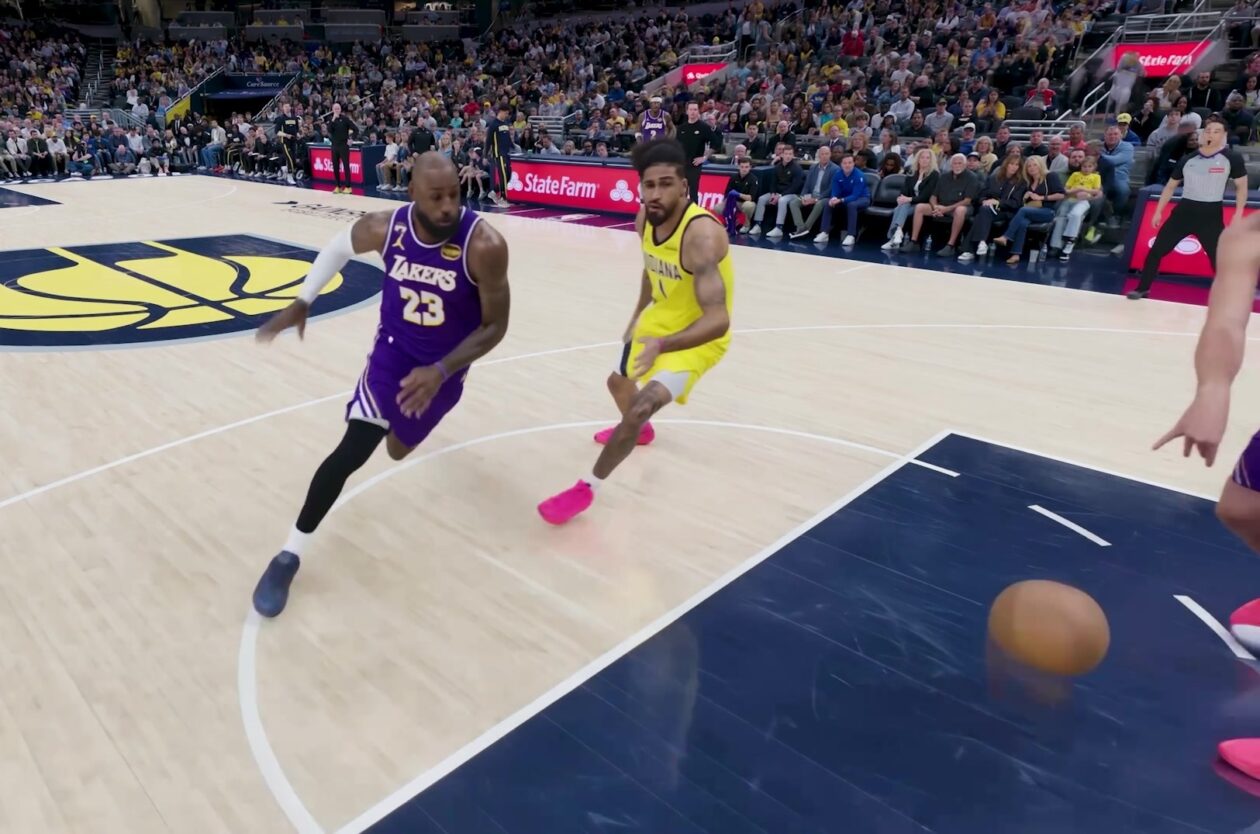
Amazon Prime Video Launches AI-Powered Prime 360 for NBA Coverage
Amazon Prime Video is elevating its NBA coverage with the introduction of Prime 360, an AI-powered replay system offering immersive, 'fly through' views of the action. Kicking off its second season, Prime Video also adds Yahoo fantasy integration and gains exclusive Eastern Conference Finals rights, expanding its tech-driven sports broadcast. The new features aim to deliver a unique and interactive viewing experience for basketball fans.
KDE Plasma 6.8: A Future-Focused 30th Anniversary Update
Quick Verdict KDE Plasma 6.8, arriving as the "30th Anniversary Edition," is a pivotal release that decisively pushes the desktop environment into the future. With a definitive farewell to native X11 sessions and a

Kojima Compares Divisive New Film 'Digger' to MGS2's Prescient Vision
Gaming icon Hideo Kojima has praised the divisive 2026 film *Digger*, drawing intriguing parallels to his own prophetic game, *Metal Gear Solid 2*. Both works, he explains, uniquely explore the dangers of misinformation and a fragmented digital reality, anxieties he shares with *Digger*'s director, Alejandro González Iñárritu.