
Pixel 11 Pro XL Renders: Early Glimpse at Google's Next Big Phone
Pixel 11 Pro XL renders reveal a new monochromatic camera bar design and subtle size tweaks. While a Tensor G6 chip is expected, the design might be an iterative refresh rather than a radical change. We break down the early pros, cons, and buying recommendations.
Quick Verdict
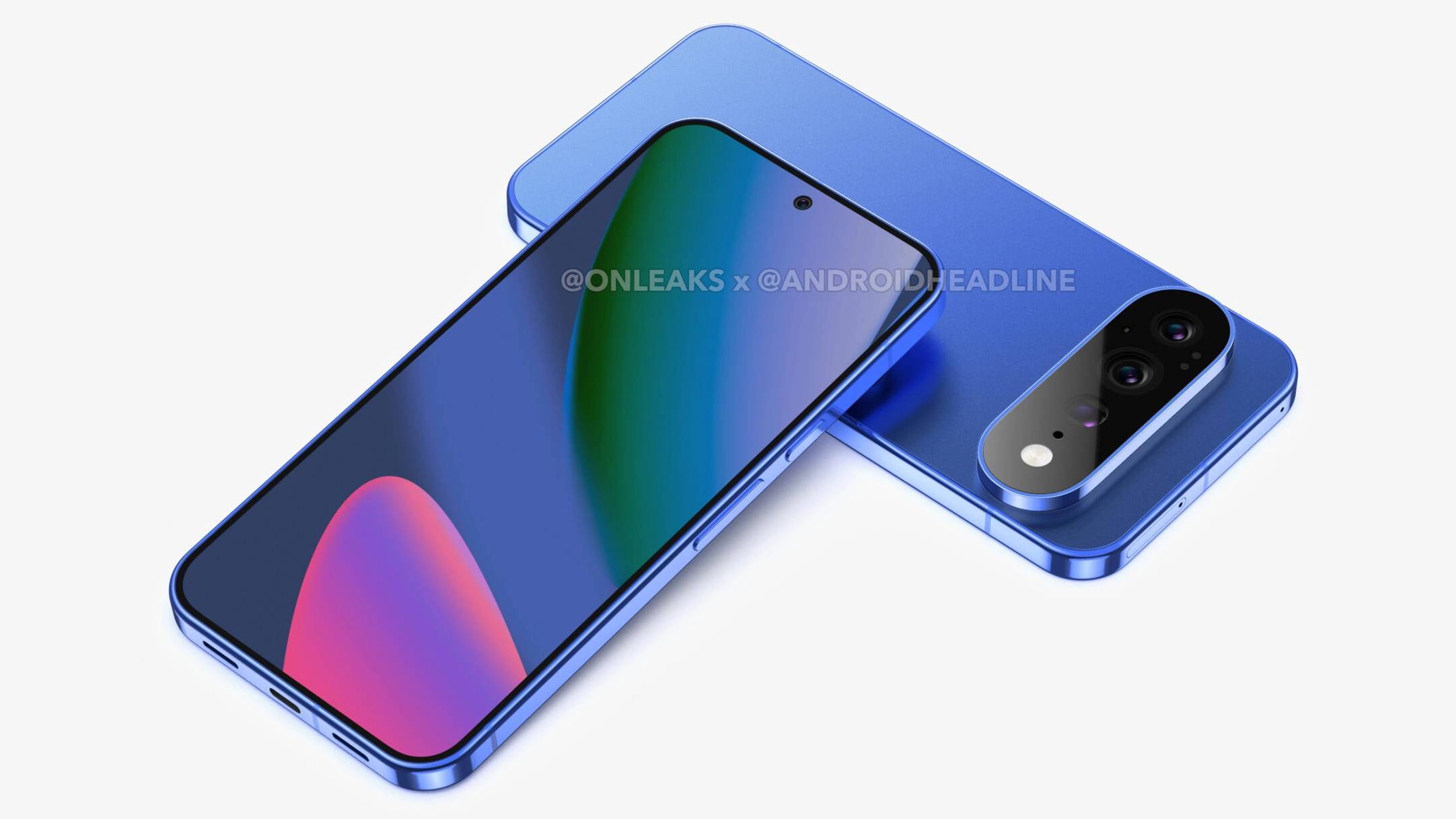
Google's Pixel 11 Pro XL is starting to take shape, at least in the digital realm. Fresh CAD renders offer an intriguing, albeit unofficial, look at what could be Google's next flagship phablet. The most prominent change appears to be a significant redesign of the camera bar, moving away from the familiar two-tone oval in favor of a new monochromatic aesthetic. While these early glimpses hint at a familiar screen size and a likely Tensor G6 chip, they also suggest only minor dimensional adjustments and potentially the removal of the infrared thermometer. As always with pre-release renders, take the fine details with a grain of salt, but the overall shape and direction seem clear: refinement over revolution.
Design & Build: A Monochromatic Makeover
The most striking revelation from the newly published Pixel 11 Pro XL CAD renders is undoubtedly the phone's anticipated camera bar design. Google appears to be moving away from the distinctive two-tone oval that has graced recent Pixel flagships. Instead, the Pixel 11 Pro XL is depicted with a sleek, monochromatic camera bar. This shift could signify a more unified and streamlined aesthetic, potentially appealing to users seeking a less visually complex rear panel. While design is subjective, this change represents the most significant external alteration highlighted by the renders.
Beyond the camera bar, the renders also suggest another notable change: the potential removal of the infrared thermometer. This feature, present in previous models, might be dropped from the Pixel 11 Pro XL. It's important to note, however, that while the renders depict this absence, the source content expresses some curiosity about the certainty of such a detail from CAD renders, suggesting it might be a design element prone to guesswork rather than precise measurement data. Potential buyers who valued this specific utility should keep an eye on official announcements for confirmation.
In terms of physical dimensions, the Pixel 11 Pro XL is reportedly set to measure 162.7 x 76.5 x 8.5mm. For context, this makes it ever-so-slightly smaller than its immediate predecessor. However, the difference is likely minimal, to the point where it might not be noticeable in daily use. This suggests Google is comfortable with the current ergonomic footprint of its largest Pixel phone, focusing on subtle refinements rather than a dramatic resizing. Accompanying these dimensions is the expectation that Google will retain the expansive 6.8-inch AMOLED display, ensuring a consistent viewing experience for large-screen enthusiasts.
One intriguing point raised by the source material is a poll question asking, "Are you underwhelmed by the design of the Pixel 11 series?" This indicates that despite the camera bar redesign, there might be a segment of the audience hoping for more radical aesthetic changes. While a refreshed look is present, it might not be enough to satisfy everyone yearning for a complete visual overhaul.
Under the Hood: Anticipated Performance & Familiar Territory
While the renders primarily focus on external design, there are some insights into the expected internal hardware, albeit less detailed. The inclusion of a Tensor G6 chip is practically a certainty for the Pixel 11 Pro XL. This next-generation Google-designed silicon will undoubtedly power the device, promising advancements in AI capabilities, computational photography, and overall system performance. As has been the trend with Pixel devices, the Tensor chip is a core component that defines much of the user experience.
Regarding RAM and storage configurations, the renders don't offer specific details. The source content mentions the "usual amount of uncertainty surrounding RAM and storage that everyone seems to be going through in 2026," but reassuringly adds, "there’s no evidence of any big shake-up here." This suggests that while exact figures aren't known, users can likely expect configurations in line with current high-end smartphone offerings, designed to handle demanding applications and multitasking without issue. Those hoping for a revolutionary jump in base storage or RAM might need to temper expectations based on these early insights.
Pros and Cons (Based on Renders/Leaks)
Based on the current CAD renders and accompanying information, here's a balanced look at the potential advantages and disadvantages of the Pixel 11 Pro XL:
Pros:
- Refreshed Camera Bar Design: The move to a monochromatic camera bar offers a cleaner, more streamlined aesthetic, potentially appealing to users looking for a subtle yet distinct visual update.
- Next-Gen Tensor G6 Chip: A guaranteed upgrade to Google's custom silicon promises enhanced performance, improved AI capabilities, and continued excellence in computational photography.
- Familiar Large Display: Retaining the 6.8-inch AMOLED screen ensures a consistent, immersive viewing experience for media consumption, gaming, and productivity.
- Slightly More Compact Dimensions: While minor, the reported ever-so-slightly smaller footprint could contribute to a marginally improved feel in hand, even if not overtly noticeable.
Cons:
- Potentially Underwhelming Design Change: The poll from the source content suggests the new design, while different, might not be transformative enough for some users craving a more radical visual evolution.
- Loss of Infrared Thermometer: If accurate, the removal of this feature could be a drawback for users who found it useful or are accustomed to its presence on previous models.
- Lack of Major Hardware Shakes-Up: Beyond the expected Tensor chip upgrade, there's no indication of revolutionary changes to RAM or storage, or other hardware components, suggesting a more iterative update.
- Details Subject to Change: Being based on CAD renders, specific styling, material finishes, and smaller design elements (like the thermometer's presence) are still subject to interpretation and potential changes before official launch.
Buying Recommendation
Given that the Pixel 11 Pro XL is still several months away from official launch, and our insights are based on unofficial renders, any buying recommendation comes with significant caveats. However, based on what we've seen, here's our early advice:
-
Who should consider waiting for the Pixel 11 Pro XL? If you're a current Pixel user looking for the absolute latest in Google's Tensor chip technology, desire a large, high-quality display, and appreciate the anticipated refreshed camera bar design, then the Pixel 11 Pro XL will likely be a strong contender. It appears to offer a refined iteration of Google's flagship experience. Those who value cutting-edge computational photography and a pure Android experience should definitely keep it on their radar.
-
Who might want to hold off or look elsewhere? If you're hoping for a dramatic overhaul in design, significant leaps in RAM or storage configurations, or if the infrared thermometer was a crucial feature for you, then it might be wise to await the official announcement for more concrete details. Furthermore, if the current design, even with the new camera bar, feels "underwhelming" to you based on these early images, exploring other large-screen flagships might be a better use of your time.
Ultimately, the Pixel 11 Pro XL, in its rendered form, presents itself as an evolution rather than a revolution. It appears to build upon Google's established strengths with a fresh aesthetic touch. We'll need to wait for the official reveal to see if the full package lives up to the promise.
FAQ
Q: Is the design shown in these renders final for the Pixel 11 Pro XL?
A: While CAD renders are typically based on detailed measurements and are generally accurate for a device's shape and size, specific styling details, color choices, and the inclusion or exclusion of minor features (like an infrared thermometer) can sometimes involve guesswork and may differ in the final production model.
Q: Will the Pixel 11 Pro XL be significantly smaller than its predecessor?
A: The reported dimensions indicate the Pixel 11 Pro XL will be ever-so-slightly smaller than the previous generation. However, this difference is likely minimal and probably not enough to be noticeably different during everyday use.
Q: When can we expect the Pixel 11 series to be officially announced?
A: Google traditionally launches its new Pixel flagship phones in August. Based on this established pattern, it's likely we'll see the official debut of the Pixel 11 series, including the Pixel 11 Pro XL, around that time.
Related articles
Android 17 QPR2 Beta 7.1: The Performance Relief You've Been Waiting
Android 17 QPR2 Beta 7.1: Finally Fixing the QPR1 Performance Woes Verdict: Android 17 QPR2 Beta 7.1 is a crucial and highly anticipated software update for Google Pixel users, specifically targeting and resolving the

DJI Solo Video Setups: Smart Choices for Lone Creators
This review delves into DJI's recommended solo video setups, highlighting the Osmo Pocket 3 Creator Combo as a top pick for its integrated camera, gimbal, and mic. It also covers stabilizers like the Osmo Mobile 8 and RS 4, and the DJI Mic Mini series for enhanced audio, providing honest pros, cons, and clear buying advice.

Ars Technica's Rocket Report: Your Essential Space Industry Briefing
Quick Verdict Ars Technica's Rocket Report, presented by veteran space reporter Stephen Clark, offers an invaluable and meticulously organized weekly (or similar frequency, implied by "Edition 9.15") digest of the most

Apple iPhone Duo: A Daring Debut with Notable Compromises
Apple's highly anticipated iPhone Duo, priced at $2,000, has gone on pre-order. While hailed as "Apple's most exciting device in a decade" for its innovative foldable design and immersive display, it comes with significant drawbacks like the absence of FaceID and a premium camera.
KDE Plasma 6.8: A Future-Focused 30th Anniversary Update
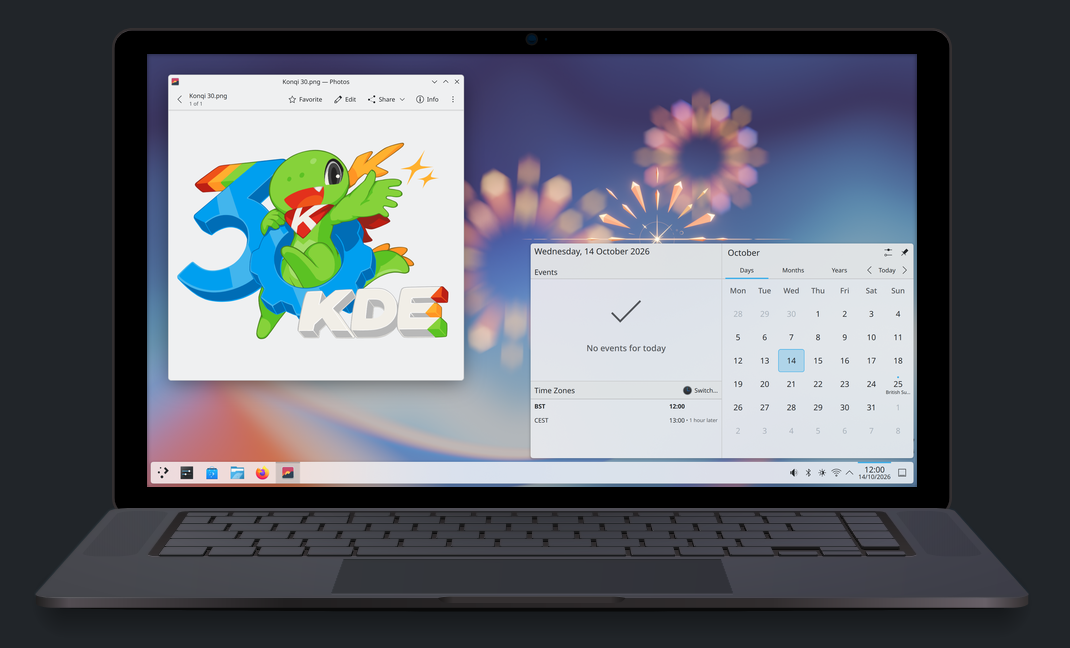
Quick Verdict KDE Plasma 6.8, arriving as the "30th Anniversary Edition," is a pivotal release that decisively pushes the desktop environment into the future. With a definitive farewell to native X11 sessions and a
Galaxy Watch One UI 9 Beta: Promising Progress, But Patience Needed
Galaxy Watch 8, Watch Ultra, and Watch 7 are receiving a new One UI 9 Watch beta build with bug fixes and a security patch. Active development signals progress, but a stable release date remains elusive.