
Pixel 11: A Security Step Back for Privacy Advocates
Pixel 11: The Verdict on Security and Custom ROMs Quick Verdict: The Google Pixel 11 series marks a significant regression for privacy and security enthusiasts. The confirmed omission of Arm's Memory Tagging Extensions
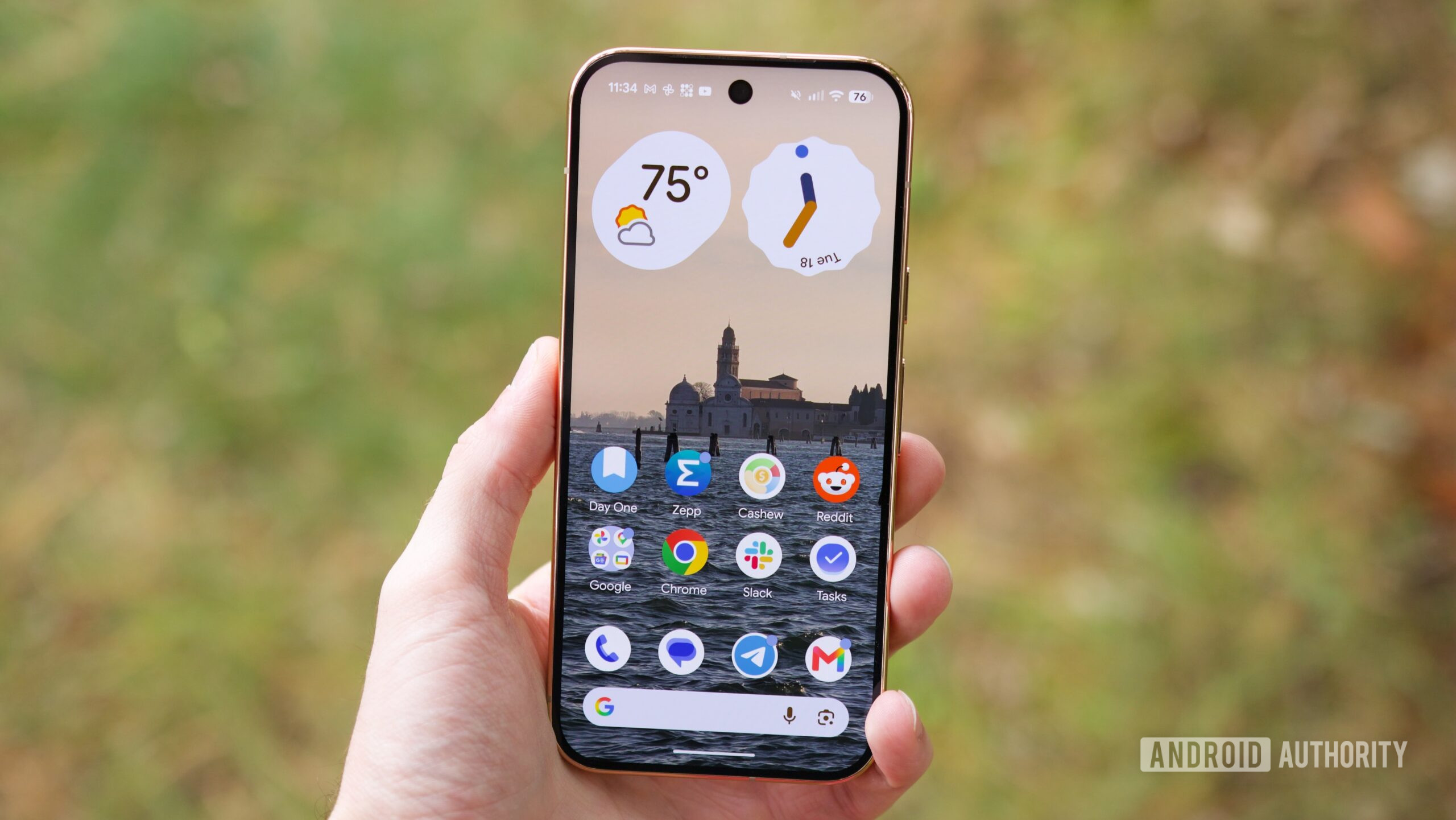
Pixel 11: The Verdict on Security and Custom ROMs
Quick Verdict: The Google Pixel 11 series marks a significant regression for privacy and security enthusiasts. The confirmed omission of Arm's Memory Tagging Extensions (MTE) makes the Pixel 11 unsuitable for GrapheneOS, a leading secure custom ROM. While Google introduces other security upgrades, this particular cut is a major blow, suggesting a prioritization of cost-saving or performance over robust memory safety. For those seeking the pinnacle of Android security via GrapheneOS, the Pixel 11 is a device to avoid; previous Pixel generations or alternative brands like Motorola are now the recommended path.
Unpacking the Pixel 11's Security Conundrum
Google's Pixel lineup has often been a favorite among developers and users keen on custom ROMs, particularly GrapheneOS, renowned for its hardened security and privacy features. However, the latest Pixel 11 series, with an MSRP starting at $899, has hit a major roadblock in this regard. The GrapheneOS development team has announced they are unable to complete a port for the Pixel 11, citing the lack of support for Arm hardware memory tagging extensions (MTE) across its software, firmware, and almost certainly, its hardware.
This isn't a minor detail. MTE is an opt-in security feature designed to protect against memory-safety bugs – vulnerabilities that Google itself stated accounted for over 60% of "high severity" security issues in 2022. Pixels from the 8 series onward, including the Pixel 9 and Pixel 10, have all supported MTE. Its presence allowed GrapheneOS to utilize it extensively across the entire base operating system, only temporarily disabling it for specific device processes or offering a per-app toggle for incompatible applications. The GrapheneOS team explicitly states that Google may have dropped this crucial feature to "save money," which, if true, represents a concerning trade-off.
The Impact on User Experience and Security
For the average user, the absence of MTE might not immediately register. It was an opt-in feature, often enabled via Android’s Advanced Protection Mode, and it came with the trade-off of potentially slower device performance for certain applications. However, for those who prioritize the most robust security possible, especially power users and privacy advocates who opt for custom ROMs like GrapheneOS, this is a dealbreaker. GrapheneOS built its enhanced security model on the foundation MTE provided. Without it, the very core of their hardened OS cannot be realized on the Pixel 11.
The GrapheneOS team has been unequivocal in their recommendations: they strongly advise against purchasing Pixel 11 devices for anyone hoping to run their custom ROM. They suggest that older Pixel models (Pixel 8, 9, 10) offer superior security for their OS. This stance isn't just a technical challenge; it's a stark warning to a segment of Google's user base who relied on Pixels for their custom ROM compatibility and security features.
Pixel 11: Other Security Enhancements
To be fair to the Pixel 11, the article does acknowledge that the series isn't entirely devoid of security advancements. Google has incorporated post-quantum secure verified boot, a switch from Samsung IMS to AOSP IMS (IP multimedia subsystem), and the inclusion of the Titan M3 chip. These are notable improvements that contribute to the device's overall security posture. However, for the specific and critical domain of memory safety, and for the viability of advanced custom security ROMs, these enhancements apparently don't compensate for the MTE omission.
It's a curious decision, particularly as Google has often championed security as a core tenet of the Pixel experience. The GrapheneOS team's pivot to potentially focusing entirely on upcoming Motorola devices underscores the severity of this change for the custom ROM community. There is a glimmer of hope that the Pixel 11a might include MTE if it shares more in common with the Pixel 10 generation, but leaked specs suggesting it could use the Pixel 11’s chipset temper that optimism.
Alternatives for the Security-Conscious
For users who were eyeing the Pixel 11 specifically for its potential to run GrapheneOS and benefit from MTE, the message is clear: look elsewhere.
Pixel 8, Pixel 9, Pixel 10 Series: These older generations still offer MTE support, making them the current go-to for GrapheneOS users who wish to stick with the Pixel ecosystem. You might miss out on the latest performance bumps or camera features, but for pure security and privacy through GrapheneOS, they are superior choices.
*
Upcoming Motorola Devices: The GrapheneOS team explicitly mentioned shifting their focus "entirely to the upcoming Motorola devices." While specifics aren't yet available, this indicates Motorola could become a new stronghold for secure custom ROM development, offering a potential future alternative for those disillusioned by Google's decision.
Buying Recommendation: A Niche Warning
If you are a mainstream user who simply uses your Pixel out of the box with Google's default Android, this MTE omission might not directly affect your buying decision. The Pixel 11 still offers other security features and will likely deliver a solid user experience. However, if your primary interest in a Pixel 11 was to run GrapheneOS, or if you are highly security-conscious and believe in the importance of fundamental hardware-backed memory safety features, then the Pixel 11 series is a definitive NO. Google's apparent decision to cut MTE to "save money" raises questions about its long-term commitment to leading-edge hardware security in all its forms. For now, the path to a truly hardened Android experience through GrapheneOS lies with older Pixels or potentially new Motorola hardware.
FAQ
Q: What is MTE and why is its absence in the Pixel 11 a problem? A: MTE stands for Memory Tagging Extensions, an Arm hardware feature designed to prevent memory-safety bugs, which are a common source of high-severity security vulnerabilities. Its absence is a problem because custom ROMs like GrapheneOS leverage MTE extensively to provide a significantly hardened and more secure operating system. Without it, GrapheneOS cannot achieve its intended level of protection on the Pixel 11, leading the developers to abandon support for the series.
Q: Are there any alternatives to the Pixel 11 for GrapheneOS users? A: Yes, the GrapheneOS team recommends older Pixel models, specifically the Pixel 8, Pixel 9, and Pixel 10 series, as they still support MTE. Additionally, the GrapheneOS developers are considering shifting their focus to upcoming Motorola devices, suggesting these could become a viable alternative for users seeking a highly secure custom ROM experience in the future.
Q: Does the Pixel 11 have any security features? A: Yes, the Pixel 11 series does include other notable security upgrades. These include post-quantum secure verified boot, a shift from Samsung IMS to AOSP IMS, and the presence of the Titan M3 chip. While these contribute to overall device security, they are not sufficient to enable GrapheneOS's full suite of memory safety protections that rely on MTE.
Related articles
Android 17 QPR2 Beta 7.1: The Performance Relief You've Been Waiting
Android 17 QPR2 Beta 7.1: Finally Fixing the QPR1 Performance Woes Verdict: Android 17 QPR2 Beta 7.1 is a crucial and highly anticipated software update for Google Pixel users, specifically targeting and resolving the

DJI Solo Video Setups: Smart Choices for Lone Creators
This review delves into DJI's recommended solo video setups, highlighting the Osmo Pocket 3 Creator Combo as a top pick for its integrated camera, gimbal, and mic. It also covers stabilizers like the Osmo Mobile 8 and RS 4, and the DJI Mic Mini series for enhanced audio, providing honest pros, cons, and clear buying advice.

in-depth: Chicago-Area Cops Helped HSI Spy on Minnesota Anti-ICE
Chicago-area law enforcement, including local police and HSI agents, conducted undercover surveillance on Minnesota anti-ICE activists at an April 2, 2022, talk in Chicago. This operation was part of a federal conspiracy probe into 15 Minnesota activists facing felony charges related to immigration enforcement resistance. Civil liberties advocates have condemned the surveillance as a troubling intrusion into protected political activity.

Ditch Merge & Center: The Better Way to Align Text in Excel
Learn to use Excel's "Center Across Selection" to align text across cells without merging, avoiding common data manipulation issues. This guide provides steps to utilize this newly accessible feature and add it to your Quick Access Toolbar.

Ars Technica's Rocket Report: Your Essential Space Industry Briefing
Quick Verdict Ars Technica's Rocket Report, presented by veteran space reporter Stephen Clark, offers an invaluable and meticulously organized weekly (or similar frequency, implied by "Edition 9.15") digest of the most

Apple iPhone Duo: A Daring Debut with Notable Compromises
Apple's highly anticipated iPhone Duo, priced at $2,000, has gone on pre-order. While hailed as "Apple's most exciting device in a decade" for its innovative foldable design and immersive display, it comes with significant drawbacks like the absence of FaceID and a premium camera.