
Oura Ring: A Proactive Health Companion
Oura Ring review: More than just sleep tracking, this smart ring is proving its worth as an early warning system for serious health issues like lymphoma, alongside unique insights into cardiovascular age, all from your finger.

Quick Verdict
For those seeking a subtle, comfortable wearable that transcends basic fitness tracking, the Oura Ring stands out as a genuinely proactive health tool. Its ability to flag subtle physiological shifts, leading to early detection of serious conditions like lymphoma and appendicitis, or even just prompting crucial rest, makes it far more than just a sleep tracker. While it operates in a wellness capacity rather than as a diagnostic device, its underlying data and insights into metrics like cardiovascular age offer a compelling glimpse into the future of preventative health.
Introduction: The Finger on the Pulse of Health
The Oura Ring has solidified its position as the market leader in smart rings, commanding an impressive 74% share of the category, according to Omdia's November 2025 report. For many, it's become synonymous with continuous health monitoring. After extensive personal use, a conversation with Dr. Ricky Bloomfield, Oura's Chief Medical Officer, revealed just how much untapped potential lies within this discreet device. Bloomfield, a former physician and Apple Health executive, joined Oura in 2025 to bridge the gap between raw data and actionable health insights. His insights underscore the ring's capacity to move beyond casual tracking into genuinely life-impacting health intelligence.
Key Features and User Experience
Symptom Radar: Your Body's Early Warning System
One of the Oura Ring's most impactful features is its Symptom Radar. This vitals dashboard acts as a personal "check engine light," alerting users when their physiological data deviates from their individual baseline. As Dr. Bloomfield explains, for many, this objective confirmation is crucial. It provides the nudge needed to prioritize rest or investigate potential issues before they become severe. For the reviewer, it serves as a vital counterpoint to the tendency to push through illness, promoting faster recovery.
The genesis of Symptom Radar is rooted in the 2020 COVID-19 pandemic. Oura collaborated with the University of California, San Francisco, on the TemPredict study, demonstrating the ring's ability to predict COVID-19 onset nearly three days before traditional testing. However, transforming this into a consumer-facing, disease-specific detection tool would have entangled Oura in a lengthy and complex FDA approval process. The company ingeniously pivoted, releasing Symptom Radar as a broad wellness tool that flags general deviations from baseline vitals, encouraging users to consult their doctors rather than offering specific diagnoses. This move allowed Oura to deliver a highly useful feature to consumers without regulatory delays.
Remarkably, this non-specific alert system has yielded unforeseen and significant health discoveries. Dr. Bloomfield revealed multiple instances where Symptom Radar alerts led to the diagnosis of lymphoma in young women experiencing only vague symptoms. While the ring didn't diagnose the cancer, its persistent signals prompted these women to seek medical attention sooner, potentially improving their outcomes. Similar patterns have been observed with appendicitis, where alerts spurred timely medical intervention, preventing ruptures. Beyond serious illness, some users have even noticed patterns indicating early pregnancy, highlighting the ring's capacity for subtle, yet revealing, data interpretation by individuals.
Looking ahead, Oura is actively exploring condition-specific alerts through initiatives like Oura Labs, which is conducting a clinical study on detecting high blood pressure. This pathway, involving FDA submission once sufficient data is gathered, mirrors strategies employed by companies like Apple for features such as ECG. Oura is also investing in women's health studies through Oura Labs, with a focus on cycle tracking and reproductive health, signaling a future where more targeted health insights become available.
The Power of the Finger: Why Location Matters
After years of evaluating wrist-based wearables, the notion that a smaller ring could gather equally (or more) reliable data from a finger might seem counterintuitive. However, Dr. Bloomfield clarifies that the finger is, in fact, an optimal location for biometric data collection. The presence of digital arteries along the underside of the finger provides a superior site for measuring physiological signals. This advantage is particularly pronounced during sleep, where minimal movement ensures a much more accurate signal, including crucial temperature data vital for women's health features like cycle tracking and fertile window prediction. Unlike wrist devices that can be bulky and require frequent charging, the Oura Ring's subtle design and impressive seven-day battery life make it comfortable for continuous 24/7 wear, especially during sleep—the most data-rich period. While users can choose to wear the ring only at night, foregoing daytime stress and activity tracking, they will still capture their most critical sleep data.
Unlocking Deeper Insights: Cardiovascular Age
Beyond immediate alerts, the Oura Ring offers powerful long-term health metrics. One such underutilized feature is cardiovascular age, a measurement of heart health over time, expressed as how much younger or older your heart appears compared to your actual age. Dr. Bloomfield notes its motivational power, citing Oura employees who, upon seeing an older cardiovascular age, were prompted to adopt consistent exercise routines, subsequently witnessing improvements in their scores. This metric measures pulse wave velocity, which indicates arterial stiffness—a key marker of overall cardiovascular health. Stiffer arteries correlate with an older cardiovascular age, while more elastic ones suggest the opposite. Accessible under the "My Health" tab and requiring at least 14 days of data within a 30-day period, this feature offers a surprisingly accurate reflection of physical activity levels and a tangible way to track positive changes over time.
Pros and Cons
Pros:
- Early Warning System: Symptom Radar's ability to flag subtle deviations has led to the early detection of serious conditions like lymphoma and appendicitis, enabling timely medical intervention.
- Superior Data Accuracy (Finger-based): The ring's placement on the finger provides more accurate biometric data, especially during sleep, for metrics like heart rate and temperature.
- Exceptional Comfort and Battery Life: Its subtle design and 7-day battery life facilitate comfortable 24/7 wear, ensuring consistent data collection without frequent interruptions for charging.
- Proactive Health Insights: Features like Cardiovascular Age offer a long-term view of health, motivating positive behavioral changes.
- Future Potential: Oura is actively pursuing FDA-approved, condition-specific alerts and expanding into critical areas like women's health.
- Increasing Accessibility: Partnerships with insurance providers like Essence Healthcare indicate a future where wearables become a covered benefit, expanding access to preventative health tools.
Cons:
- Non-Diagnostic (Currently): Symptom Radar does not provide specific diagnoses, serving as a wellness tool to prompt user action and doctor consultation rather than medical advice.
- Requires Consistent Wear: Full benefits, including daytime stress tracking and activity scores, require continuous wear, though sleep-only tracking is viable.
- Premium Price Point: At around $300, the ring is an investment that may be out of reach for some consumers.
- Feature Discoverability: Valuable insights like Cardiovascular Age can be difficult to locate within the app, potentially leading to underutilization.
Buying Recommendation
The Oura Ring is an excellent investment for individuals committed to proactive health management and interested in understanding their body's signals on a deeper level. If you're looking for a comfortable, unobtrusive wearable that provides not just fitness metrics but potentially life-saving early health indicators, Oura stands out. Its unique finger-based tracking excels in accuracy, particularly for sleep and temperature, and features like Symptom Radar and Cardiovascular Age offer truly valuable insights beyond what typical fitness trackers provide. While it comes at a premium price and requires user engagement to uncover its full potential, the Oura Ring represents a significant step towards a more preventative healthcare future. If you value continuous, accurate health data and are willing to act on its insights, the Oura Ring is highly recommended.
FAQ
Q: Can the Oura Ring diagnose medical conditions?
A: No, the Oura Ring is not a medical device and cannot diagnose conditions like lymphoma or appendicitis. Its Symptom Radar feature flags deviations from your personal physiological baseline, prompting you to consult a doctor if something seems amiss. It acts as an early warning system, encouraging professional medical evaluation rather than providing a diagnosis itself.
Q: Is the Oura Ring better than a smartwatch for health tracking?
A: For certain metrics, particularly those gathered during sleep, the Oura Ring's finger-based tracking can offer superior accuracy due to the presence of digital arteries and less movement. Its discreet design and long battery life also make it more comfortable for continuous wear, especially at night. Smartwatches often offer a wider range of smart features and activity tracking, but for core biometric data and subtle health insights, the Oura Ring provides a compelling alternative.
Q: Do I need to wear the Oura Ring all the time to get value from it?
A: While consistent 24/7 wear unlocks the full suite of features, including daytime stress and activity scores, wearing the Oura Ring primarily during sleep is still a legitimate and beneficial strategy. You will capture your most data-rich window for recovery, temperature trends, and sleep insights, which are crucial for features like Symptom Radar and cycle tracking.
Related articles

Apple Unveils iPhone Duo: Pricey Foldable Sees Soaring Demand
Apple has officially entered the foldable smartphone arena with the long-anticipated launch of the iPhone Duo. Priced starting at a hefty $1,999, the device features a 5.4-inch outer display and a larger 7.6-inch inner
Android 17 QPR2 Beta 7.1: The Performance Relief You've Been Waiting
Android 17 QPR2 Beta 7.1: Finally Fixing the QPR1 Performance Woes Verdict: Android 17 QPR2 Beta 7.1 is a crucial and highly anticipated software update for Google Pixel users, specifically targeting and resolving the

DJI Solo Video Setups: Smart Choices for Lone Creators
This review delves into DJI's recommended solo video setups, highlighting the Osmo Pocket 3 Creator Combo as a top pick for its integrated camera, gimbal, and mic. It also covers stabilizers like the Osmo Mobile 8 and RS 4, and the DJI Mic Mini series for enhanced audio, providing honest pros, cons, and clear buying advice.

Ars Technica's Rocket Report: Your Essential Space Industry Briefing
Quick Verdict Ars Technica's Rocket Report, presented by veteran space reporter Stephen Clark, offers an invaluable and meticulously organized weekly (or similar frequency, implied by "Edition 9.15") digest of the most
Apple iPhone Duo: A Daring Debut with Notable Compromises
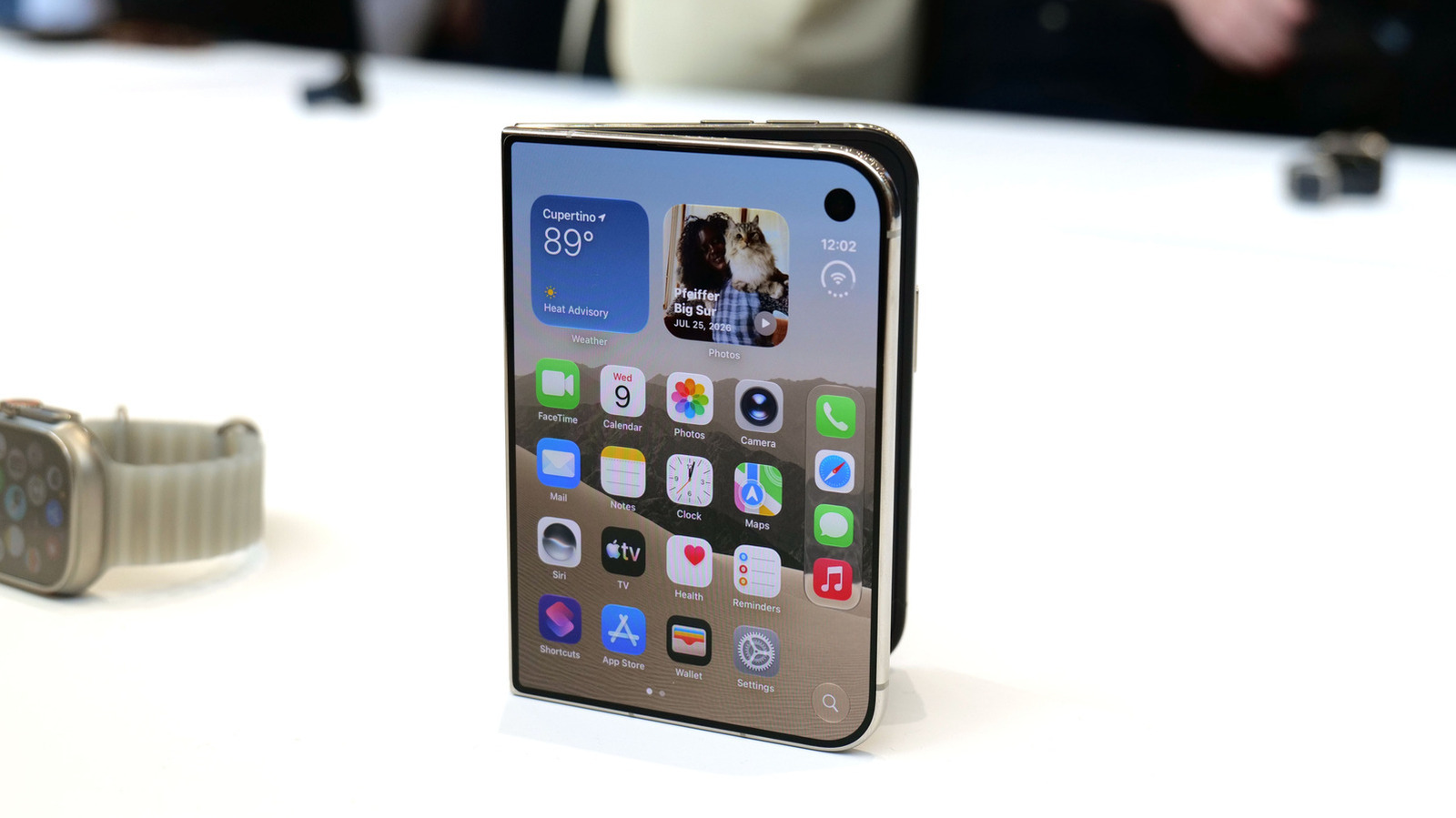
Apple's highly anticipated iPhone Duo, priced at $2,000, has gone on pre-order. While hailed as "Apple's most exciting device in a decade" for its innovative foldable design and immersive display, it comes with significant drawbacks like the absence of FaceID and a premium camera.

Tesla Unveils Thruster-Equipped Roadster, 2028 Production Targeted
Tesla has unveiled its second-generation Roadster, featuring cold-gas thrusters co-developed with SpaceX, enabling it to jump and flip. The electric sports car demonstrated 0-60mph in an astonishing 0.81 seconds, with production targeted for 2028. This highly anticipated reveal also serves as a key recruitment tool for Tesla's ambitious AI and robotics initiatives.