
Nothing CEO Says Mysterious AI Device Drops Next Month
Nothing CEO Carl Pei announced that the company's mysterious "AI-native product," described as a screenless, non-app productivity tool, will launch in December. The move signals Nothing's entry into the AI hardware market with an unconventional approach, diverging from common wearable trends.
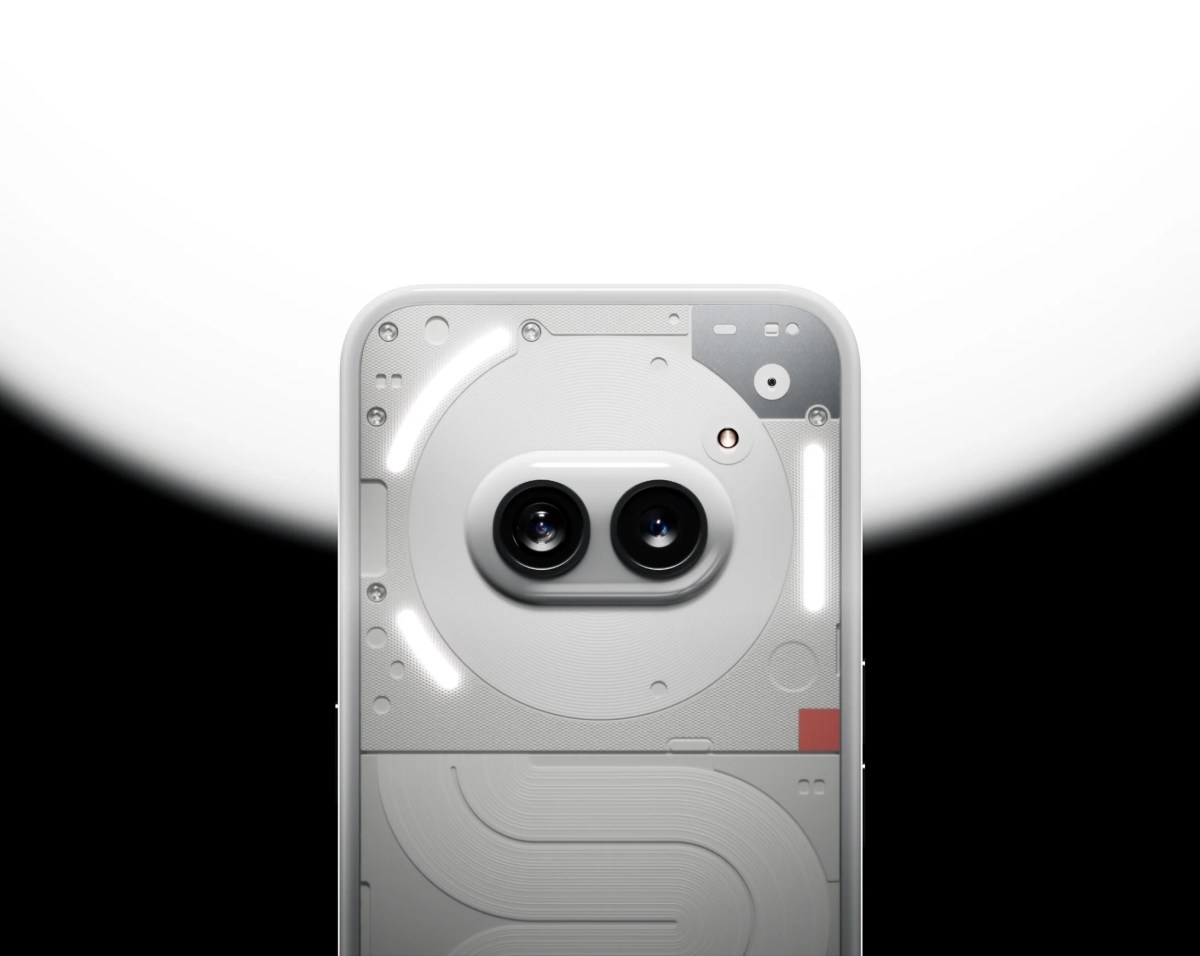
London, UK – Nothing CEO Carl Pei has announced that the company's much-anticipated "AI-native product" will ship in December, sparking fresh speculation about the mysterious device. The smartphone startup, known for its distinctive Nothing Phone lineup, is venturing into the AI hardware space with a product Pei describes as a screenless, non-app "productivity tool."
Pei shared the news via a post on X (formerly Twitter) on November 4, 2026, revealing tantalizing details while maintaining an air of secrecy. He noted that the device is "a tool, but one built with the personality and care that have come to define a Nothing product." This statement aligns with Nothing's history of focusing on unique design and user experience.
The most intriguing aspects of Pei's tease are what the device is not. He explicitly stated, "It has no new screen, and it couldn’t have been an app." This immediately differentiates Nothing’s offering from traditional smart devices and software solutions, positioning it as a novel form factor in the rapidly evolving AI landscape.
Charting a Different Course in AI Hardware
For some time, Carl Pei has been hinting at an AI-first device, with earlier reports suggesting the company was exploring AI-linked smart glasses and earbuds with integrated AI capabilities. However, Pei’s latest comments appear to distance the upcoming product from these common wearable categories, indicating a different strategic direction.
In his X post, Pei critiqued the broader industry's current approach to AI hardware. "The whole industry is hunting for its iPhone moment: the pendant, the pin, the glasses, the companion, some magical consumer device that makes AI part of everyone’s life," he wrote. Pei then added a telling remark: "I admire the boldness, but I read this moment differently."
This suggests Nothing is aiming for an innovative concept that eschews existing paradigms of AI wearables and companions. By emphasizing its nature as a "productivity tool" without a screen, Nothing appears to be exploring a more subtle, integrated approach to making AI a practical part of daily life, rather than creating another attention-grabbing gadget.
Nothing's Track Record and Market Anticipation
Nothing has built a reputation for disrupting the consumer electronics market with products like the Nothing Phone, which features a distinctive transparent design and Glyph Interface. This track record suggests that their foray into AI hardware will likely involve unconventional design and functionality, designed to stand out in a crowded market.
The decision to develop an "AI-native" device underscores a growing trend across the tech industry, where companies are increasingly looking to embed artificial intelligence directly into hardware, moving beyond smartphone apps. While many players are focused on personal assistants and augmented reality glasses, Nothing seems poised to carve out a unique niche.
As December approaches, the tech community is eagerly awaiting further announcements from Nothing. While a firm release date has yet to be disclosed, Pei's latest update confirms the imminent arrival of a product that could redefine expectations for AI hardware. The company's commitment to delivering a tool that prioritizes "personality and care" alongside AI functionality could offer a fresh perspective on how users interact with artificial intelligence.
FAQ
Q: What exactly is Nothing's AI-first device?
A: Based on CEO Carl Pei's description, it is a screenless, non-app "AI-native product" designed as a "productivity tool." Its exact form remains a mystery, though Pei has indicated it will not follow the common trend of AI wearables like smart glasses or pendants.
Q: When is Nothing's AI-first device expected to be released?
A: Nothing CEO Carl Pei announced on November 4, 2026, that the device is scheduled to ship in December 2026. A specific launch date has not yet been publicly provided.
Q: How does this new device compare to previous AI hardware rumors from Nothing?
A: Nothing had previously indicated plans for AI-linked smart glasses and earbuds. However, Carl Pei's recent statements emphasize that the upcoming device will not have a new screen and is not an app, suggesting it diverges from typical wearable forms and offers a distinct approach to AI integration.
Related articles

Nvidia CEO Jensen Huang resigns amid spy, affair scandals: CEO
Nvidia CEO and co-founder Jensen Huang has resigned, effective immediately, following reports of two extramarital affairs: one with an alleged Chinese spy and another with a subordinate executive. CFO Colette Kress has been appointed interim CEO as the board initiates a search for a permanent replacement. Huang's departure marks the end of a 33-year tenure at the helm of the AI chip giant.

Jensen Huang's Crisis Deepens Amid Ouster Reports and Second Affair
Nvidia CEO Jensen Huang is facing potential ouster amid revelations of two alleged extramarital affairs—one with a suspected Chinese spy, Alice Huang, and another with Nvidia VP Kimberly Powell. The scandal, which has caused Nvidia's stock to drop, has triggered national security concerns and a congressional inquiry into his ties to Chinese intelligence assets.

Jensen Huang accused of having another affair — with an Nvidia exec
Nvidia CEO Jensen Huang faces new accusations of an affair with a direct report, Kimberly Powell, escalating a crisis already simmering from his admitted affair with an alleged Chinese spy. These revelations prompted the Wall Street Journal to report that Nvidia's board is preparing to oust Huang, who co-founded the company in 1993, as congressional pressure and internal investigations intensify.

AI-Powered "Microduck" Butler Signals Robotics' Future
WIRED Senior Writer Will Knight has unveiled a novel AI-powered "Microduck" robot, developed with an OpenAI model, designed to be a cat butler. This small, duck-like automaton represents a significant step in robotics, showcasing how advanced AI can be used to train specialized robots, potentially through virtual simulations, for practical and interactive roles in everyday life. The project highlights a future where AI-driven training simplifies robot development and expands their integration into our homes.

Seattle VC Firm Ascend Closes $17M Fund for Physical AI, Hardware
Seattle-based VC firm Ascend has successfully closed its $17 million third fund, overcoming a tough fundraising environment. The fund will strategically invest in early-stage "physical AI" and hardware startups across robotics, defense, and energy, tapping into what it calls Seattle’s "Third Act" of innovation. This significant raise includes its first institutional investor, FirstLook Partners.

policy: State Dept. official took Mediterranean trip paid for by tech
A preliminary financial disclosure reveals State Department official Sarah B. Rogers took an $11,900 Mediterranean vacation paid for by Stripe co-founder Patrick Collison. This news sparks ethical concerns regarding gifts from powerful tech figures to government officials, highlighting the growing scrutiny of such relationships and transparency in public service.