
Next-Gen E-readers: Finally a Compelling Upgrade Story
For years, the humble e-reader has been a steadfast companion, lauded for its exceptional battery life, paper-like display, and the blissful absence of distractions. It has excelled at its core mission: reading books.
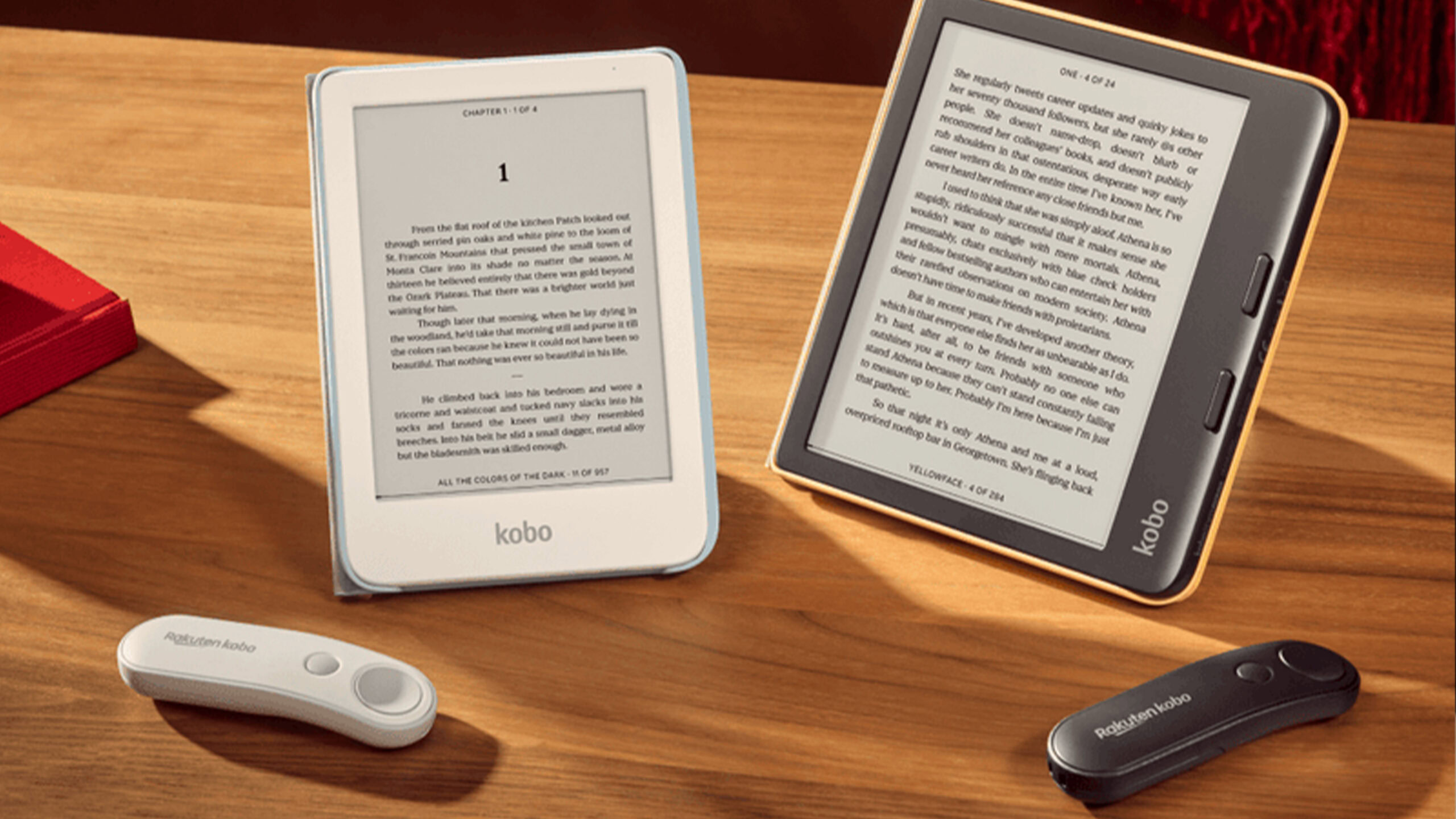
For years, the humble e-reader has been a steadfast companion, lauded for its exceptional battery life, paper-like display, and the blissful absence of distractions. It has excelled at its core mission: reading books. However, in an age where every gadget seems to be getting smarter, e-readers have largely remained technologically stagnant, making an upgrade feel more like a lateral move than a true leap forward. That narrative is poised for a significant shift, thanks to a deepening collaboration between E Ink and MediaTek.
Quick Verdict
These aren't specific products you can buy today, but rather a preview of the next generation of e-readers. The partnership between E Ink and MediaTek is set to inject much-needed intelligence and vibrant color into the category. With new MediaTek chips offering dedicated on-device AI capabilities like translation, transcription, and document summarization, alongside E Ink's improved color display technologies promising smoother refresh rates and richer hues, future e-readers are finally offering compelling reasons to upgrade. While they won't replace your tablet, they will evolve from simple book readers into sophisticated productivity and note-taking tools, making them far more versatile for students and professionals alike.
The Heart of the Innovation: AI-Powered Chips and Enhanced Displays
At Computex 2026, E Ink unveiled a strengthened partnership with MediaTek, signaling a new era for ePaper devices. The core of this revolution lies in MediaTek's new MT8115 and MT8126 processors, specifically engineered for ePaper products. Unlike the more basic chips found in most current e-readers, these new SoCs (Systems-on-Chip) integrate dedicated AI hardware. This isn't just about faster page turns; it's about enabling complex, on-device artificial intelligence tasks without relying on cloud processing, which could have implications for privacy and responsiveness.
Complementing these intelligent processors are significant advancements in E Ink's display technology. The new platform will support both E Ink’s Gallery and Kaleido color ePaper solutions. While color e-readers have existed for some time, they've often been criticized for their slow refresh rates, muted colors, and noticeable ghosting. The promise here is a substantial upgrade: smoother screen updates, more vibrant and richer colors, and a significant reduction in ghosting. This is crucial for content beyond monochrome text, like comics, graphic novels, digital magazines, and educational textbooks rich with illustrations.
Anticipated User Experience: E-readers as Productivity Hubs
Imagine an e-reader that not only displays text but actively helps you process it. The on-device AI capabilities unlocked by MediaTek's new chips are genuinely transformative. For instance, the ability to translate foreign-language content in real-time as you read could be invaluable for language learners or those engaging with international literature. Transcription features mean you could record a lecture or meeting directly on your e-reader and have it converted into organized, searchable text – a game-changer for students or professionals in meetings. The thought of instantly generating a concise summary of a lengthy research paper or a detailed report before a critical meeting could dramatically streamline workflows.
These features move e-readers beyond being mere content consumption devices. They position them as active productivity tools, capable of handling demanding tasks traditionally reserved for tablets or laptops. For those buried under PDFs, reports, and academic papers, the prospect of an e-paper device that can digest and summarize information on demand is incredibly appealing. Furthermore, the capacity to convert voice notes into structured text could revolutionize how individuals capture thoughts and ideas, turning a quick spoken memo into actionable text.
Beyond AI, the display enhancements will fundamentally improve the reading experience for color content. Comics and graphic novels, which often suffer on current color e-readers due to dull colors and slow responsiveness, should become far more enjoyable. Textbooks, with their intricate diagrams and colorful illustrations, will benefit immensely from richer colors and clearer presentation. The support for larger displays, up to 13.3 inches at 300 PPI, also opens doors for more immersive reading and note-taking experiences, pushing e-readers closer to the functionality of digital paper notebooks.
Pros and Cons
Pros:
- On-device AI Processing: Offers advanced features like translation, transcription, and summarization without constant cloud connectivity, potentially enhancing privacy and speed.
- Significant Productivity Boost: Transforms e-readers from simple reading devices into powerful tools for students and professionals for note-taking, research, and information processing.
- Dramatically Improved Color E-Paper: Promises richer colors, smoother refresh rates, and reduced ghosting, making comics, magazines, and textbooks genuinely enjoyable.
- Larger Display Support: Up to 13.3 inches at 300 PPI will enhance the experience for large-format content and detailed note-taking.
- Maintains Core E-reader Benefits: Future devices are expected to retain the long battery life, paper-like reading comfort, and distraction-free nature of current e-readers.
Cons:
- Availability: These are future upgrades; no specific products are available for purchase yet, requiring consumers to wait.
- Not a Tablet Replacement: While more capable, these e-readers are explicitly stated not to be "tablet killers," meaning they won't offer the same multimedia capabilities or app ecosystem.
- Color E-Paper Still Trails Traditional Displays: Despite significant improvements, color e-paper is unlikely to fully match the vibrant, instantaneous refresh rates of OLED or LCD screens found in tablets.
- Initial Product Uncertainty: The first devices are expected from Linfiny, an E Ink subsidiary, which might mean a niche market entry before wider adoption by mainstream brands.
Comparison to Alternatives
Given that these are upcoming technologies rather than specific products, a direct product comparison table isn't feasible. However, we can compare the potential of these next-gen e-readers against existing categories:
-
Against Current E-readers: The difference is stark. Current e-readers are largely single-purpose devices focused on monochrome text. The next-gen models represent a monumental leap in functionality, integrating advanced AI and vastly superior color displays. If you’re considering upgrading from an older e-reader, the new features offer a truly compelling reason to do so.
-
Against Tablets: Traditional tablets excel in multimedia, gaming, and a vast app ecosystem. They offer brilliant, high-refresh-rate color screens. However, they are often prone to distractions, have shorter battery lives, and can cause eye strain during extended reading. The new e-readers will carve out a distinct niche: a highly capable productivity device that prioritizes reading comfort, battery life, and focused work, bridging the gap between traditional e-readers and tablets without directly competing on all fronts. They offer an alternative for those who need focused work and reading without the full baggage of a tablet.
Buying Recommendation
If you're an avid reader, a student, or a professional who frequently deals with documents and academic papers, and you've been on the fence about upgrading your e-reader, this is the news you've been waiting for. While you can't buy these devices today, the announced partnership signals that truly innovative e-readers are on the horizon. Do not rush into buying a current-generation e-reader if the features discussed – on-device AI for productivity and significantly improved color displays – appeal to you. It would be wise to hold off and observe the market as these new E Ink and MediaTek-powered devices begin to emerge, especially those from Linfiny, E Ink's subsidiary. These upcoming models promise to be far more than just better book readers; they could redefine what an e-reader can do.
FAQ
Q: When can I expect to buy e-readers with these new features?
A: The announcement indicates that the first products utilizing this new E Ink and MediaTek platform are expected to come from Linfiny, E Ink's subsidiary. While a specific release date for consumer availability hasn't been provided, it's generally safe to assume that cutting-edge technology like this will begin appearing in products within the next year or two following its announcement at Computex 2026.
Q: Will these new e-readers completely replace my tablet?
A: No, the source explicitly states that this technology "won't suddenly turn e-readers into tablet killers." While these new e-readers will be significantly more capable, particularly in productivity and note-taking, they are still designed around the core e-paper experience. Tablets will continue to offer superior performance for multimedia consumption, gaming, and access to a broad app ecosystem. The new e-readers aim to be a powerful complement, especially for focused reading and work, rather than a direct replacement for all tablet functions.
Q: How much better will the color e-paper displays really be?
A: The new MediaTek platform is designed to support E Ink's Gallery and Kaleido color display technologies with promises of smoother screen updates, richer colors, and reduced ghosting. While specific metrics aren't provided, this suggests a noticeable improvement over current color e-readers, making content like comics, magazines, and textbooks far more enjoyable and readable. However, it's important to manage expectations; while much improved, they are still e-paper displays and are unlikely to match the vividness and instantaneous refresh rates of traditional LCD or OLED screens found in phones and tablets.
Related articles
Android 17 QPR2 Beta 7.1: The Performance Relief You've Been Waiting
Android 17 QPR2 Beta 7.1: Finally Fixing the QPR1 Performance Woes Verdict: Android 17 QPR2 Beta 7.1 is a crucial and highly anticipated software update for Google Pixel users, specifically targeting and resolving the

DJI Solo Video Setups: Smart Choices for Lone Creators
This review delves into DJI's recommended solo video setups, highlighting the Osmo Pocket 3 Creator Combo as a top pick for its integrated camera, gimbal, and mic. It also covers stabilizers like the Osmo Mobile 8 and RS 4, and the DJI Mic Mini series for enhanced audio, providing honest pros, cons, and clear buying advice.

Mark Wahlberg on using AI in film ‘the right way’ and being open to
Actor Mark Wahlberg believes AI has a place in filmmaking if used responsibly for enhancement, not script generation or actor replacement. At TechCrunch Disrupt, he expressed openness to an AI likeness carrying on his legacy, managed by his family, and emphasized storytelling.

Ars Technica's Rocket Report: Your Essential Space Industry Briefing
Quick Verdict Ars Technica's Rocket Report, presented by veteran space reporter Stephen Clark, offers an invaluable and meticulously organized weekly (or similar frequency, implied by "Edition 9.15") digest of the most
Apple iPhone Duo: A Daring Debut with Notable Compromises
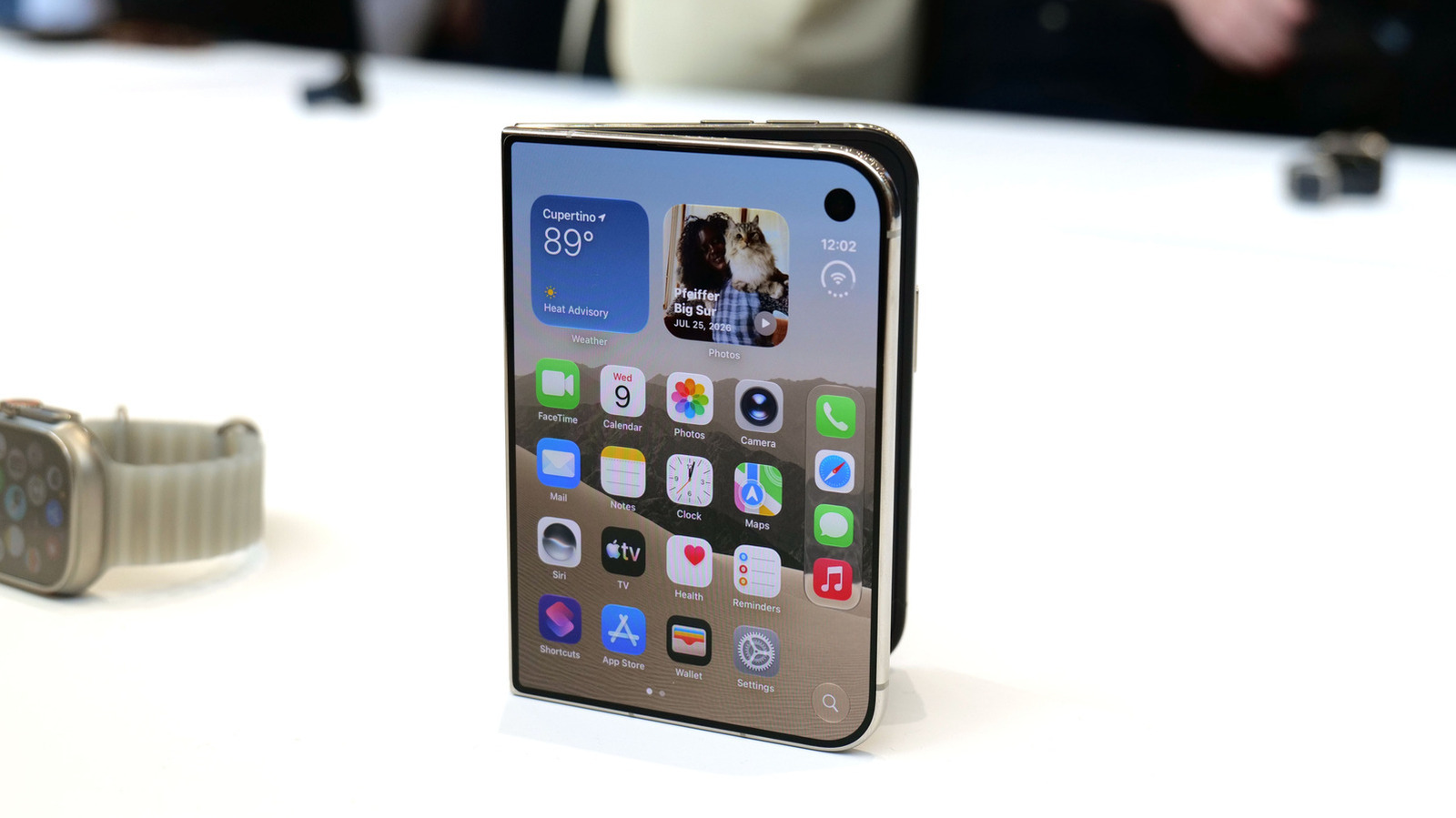
Apple's highly anticipated iPhone Duo, priced at $2,000, has gone on pre-order. While hailed as "Apple's most exciting device in a decade" for its innovative foldable design and immersive display, it comes with significant drawbacks like the absence of FaceID and a premium camera.
KDE Plasma 6.8: A Future-Focused 30th Anniversary Update
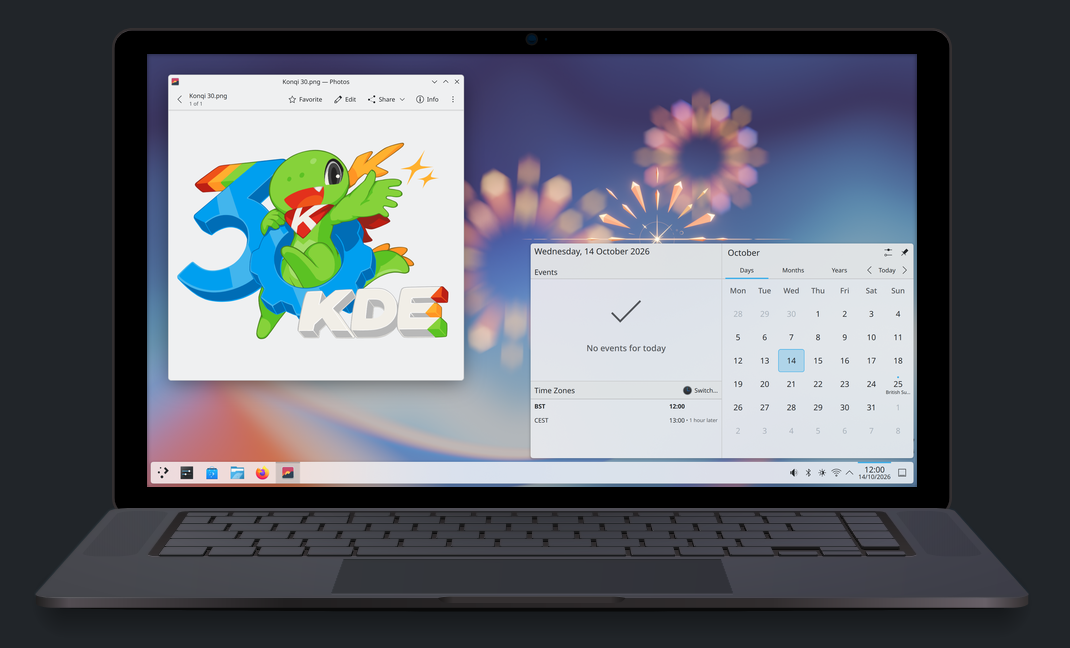
Quick Verdict KDE Plasma 6.8, arriving as the "30th Anniversary Edition," is a pivotal release that decisively pushes the desktop environment into the future. With a definitive farewell to native X11 sessions and a