
New 'Ex-Elon' ETFs Let Investors Skip Musk's Companies
New York-based investment firm Subversive ETFs has filed with the SEC to launch two novel “Ex-Elon” exchange-traded funds (ETFs), offering investors a mechanism to track major market indexes while intentionally

New York-based investment firm Subversive ETFs has filed with the SEC to launch two novel “Ex-Elon” exchange-traded funds (ETFs), offering investors a mechanism to track major market indexes while intentionally excluding companies founded, controlled, or led by Elon Musk. These actively managed funds, the Nasdaq-100 Ex-Elon Enterprises ETF (QQNE) and the S&P 500 Ex-Elon Enterprises ETF (SPNE), are slated for launch around September 21, 2026.
The creation of these funds was directly prompted by the fast-tracked inclusion of SpaceX into the Nasdaq-100 index. This move meant that passive investors in index-tracking funds were automatically forced to hold shares in the rocket firm, irrespective of their individual investment preferences or ethical considerations.
A New Option for Discerning Investors
The QQNE and SPNE funds are designed to mirror the performance of their respective benchmark indexes—the Nasdaq-100 and S&P 500—but specifically screen out companies associated with Elon Musk. Currently, this primarily applies to Tesla and SpaceX, which are publicly traded. Other Musk ventures, such as Neuralink and The Boring Company, are not yet publicly listed, but the exclusion criteria could extend to them if they were to go public, or even to OpenAI, which Musk co-founded, should it eventually list on an exchange.
These funds operate under an active management strategy, meaning they aim to allocate at least 80% of their assets to components of the chosen index, minus the stipulated exclusions. This active approach differentiates them from traditional passive index trackers, and typically involves higher management fees.
The Catalyst: SpaceX's Index Inclusion
The immediate impetus for Subversive ETFs’ filing was SpaceX’s rapid entry into the Nasdaq-100. A recent rule adjustment allowing mega-cap companies to join major indexes quickly after public listing meant that a significant volume of index-tracking assets—potentially hundreds of billions—would automatically acquire SpaceX stock.
This dynamic has drawn criticism from some analysts, who have characterized it as a “wealth transfer” to existing shareholders. For many investors, this automatic inclusion became a point of contention, leading to a demand for alternatives that align with their investment philosophy.
Why Opt Out of Elon?
Investors may choose to avoid Musk’s companies for various reasons. Some have expressed concerns over SpaceX’s governance structure, where Musk retains dominant voting control. Others question the valuation of his enterprises, believing they may be overvalued. Notably, a Danish pension fund has already taken a stance, blacklisting SpaceX due to similar governance and valuation concerns.
While these “Ex-Elon” funds offer a way to avoid exposure, it's important for investors to recognize that screening out a company is not a neutral act. While it might have shielded investors from SpaceX’s nearly 7% dip on its first day in the Nasdaq-100, it also means foregoing any potential gains from these companies, which have historically generated significant wealth for early investors.
These funds mark a growing trend within the investment landscape towards values- and politics-driven investing. The ultimate success of these “single-person exclusion screen” tickers will depend on how many savers actively choose to route their investments through this particular filter.
For investors seeking the broad market exposure of benchmark indexes without the direct involvement in Elon Musk’s corporate ecosystem, these new ETFs offer a distinct, albeit actively managed, option.
FAQ
Q: What are the new “Ex-Elon” ETFs?
A: Subversive ETFs has filed for two new funds: the Nasdaq-100 Ex-Elon Enterprises ETF (QQNE) and the S&P 500 Ex-Elon Enterprises ETF (SPNE). These ETFs track their respective indexes but exclude companies founded, controlled, or led by Elon Musk, such as Tesla and SpaceX.
Q: Why were these “Ex-Elon” ETFs created?
A: The funds were created in response to SpaceX’s fast-tracked inclusion into the Nasdaq-100, which forced many passive investors to hold its stock. This move highlighted a demand from investors who wished to track broad market performance while avoiding companies associated with Elon Musk, due to reasons like governance concerns, valuation questions, or personal investment philosophies.
Q: What are the potential implications for investors using these funds?
A: Investing in “Ex-Elon” ETFs allows investors to align their portfolios with specific ethical or valuation-based preferences. However, as actively managed funds, they typically carry higher fees than passive index trackers. While they might help avoid drops in excluded stocks, they also mean missing out on potential gains from those companies, requiring investors to make an active, rather than neutral, investment choice.
Related articles

Tesla Unveils Thruster-Equipped Roadster, 2028 Production Targeted
Tesla has unveiled its second-generation Roadster, featuring cold-gas thrusters co-developed with SpaceX, enabling it to jump and flip. The electric sports car demonstrated 0-60mph in an astonishing 0.81 seconds, with production targeted for 2028. This highly anticipated reveal also serves as a key recruitment tool for Tesla's ambitious AI and robotics initiatives.

Amazon Prime Video Launches AI-Powered Prime 360 for NBA Coverage
Amazon Prime Video is elevating its NBA coverage with the introduction of Prime 360, an AI-powered replay system offering immersive, 'fly through' views of the action. Kicking off its second season, Prime Video also adds Yahoo fantasy integration and gains exclusive Eastern Conference Finals rights, expanding its tech-driven sports broadcast. The new features aim to deliver a unique and interactive viewing experience for basketball fans.

regional: A two-person Seattle startup lands $1M to reinvent
Seattle startup TriMagnetix has secured $1 million to develop semiconductor chips that consume 800 times less energy and are radiation-resistant. The two-person company, leveraging nanomagnetic technology, is targeting space applications and data centers. With new funding and key partnerships, TriMagnetix aims for commercial sales within a year.
%20102026%20top%20art%20SOURCE%20Govee.jpg)
in-depth: The Best Permanent Outdoor Lights (2026): Govee, Eufy
WIRED, a leading voice in technology journalism, has just released its updated guide for 2026 on the best permanent outdoor lights, spotlighting top contenders Govee, Eufy, and Cync. These innovative eave lights are
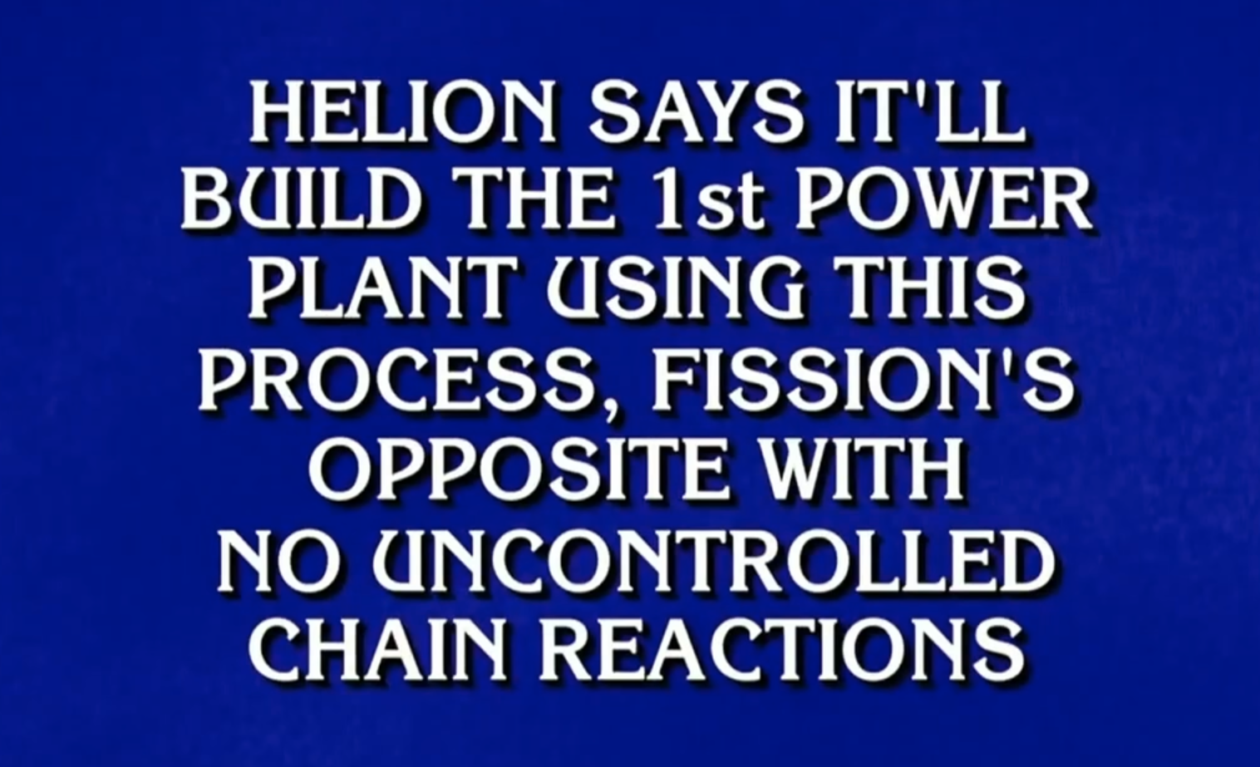
regional: ‘What is fusion?’ Helion Energy harnesses the power of
Helion Energy, the Everett-based fusion startup, gained mainstream attention this week after being featured as a clue on the popular game show "Jeopardy!". The $800 clue, part of a "Y Combinator" category, highlighted Helion's mission to build the first fusion power plant, bringing the concept of clean energy to a wider audience. CEO David Kirtley celebrated the "surreal" moment as a sign that reliable clean power is becoming more accessible.

Apple’s new HomeView smart display is $10 cheaper at Amazon: latest
In a rare move for a new Apple product, the highly anticipated HomeView smart display is already available at a discount on Amazon, weeks before its official launch. Consumers can now pre-order Apple's first dedicated