
Netflix AI Voice: Gene Wilder's Digital Echo in Willy Wonka
Quick Verdict Netflix's decision to use ElevenLabs' AI to recreate Gene Wilder's iconic voice for a new Charlie and the Chocolate Factory-inspired reality show is a tech-forward move that sparks both curiosity and
Quick Verdict
Netflix's decision to use ElevenLabs' AI to recreate Gene Wilder's iconic voice for a new Charlie and the Chocolate Factory-inspired reality show is a tech-forward move that sparks both curiosity and ethical debate. While the recreation reportedly captures Wilder's essence with the approval of his estate, the experience itself is described as 'eerie,' raising fundamental questions about authenticity, artistic integrity, and the future of performance in the age of artificial intelligence. It's a calculated gamble that feels more like a marketing stunt than a magical innovation.
The Digital Golden Ticket: What Netflix Did
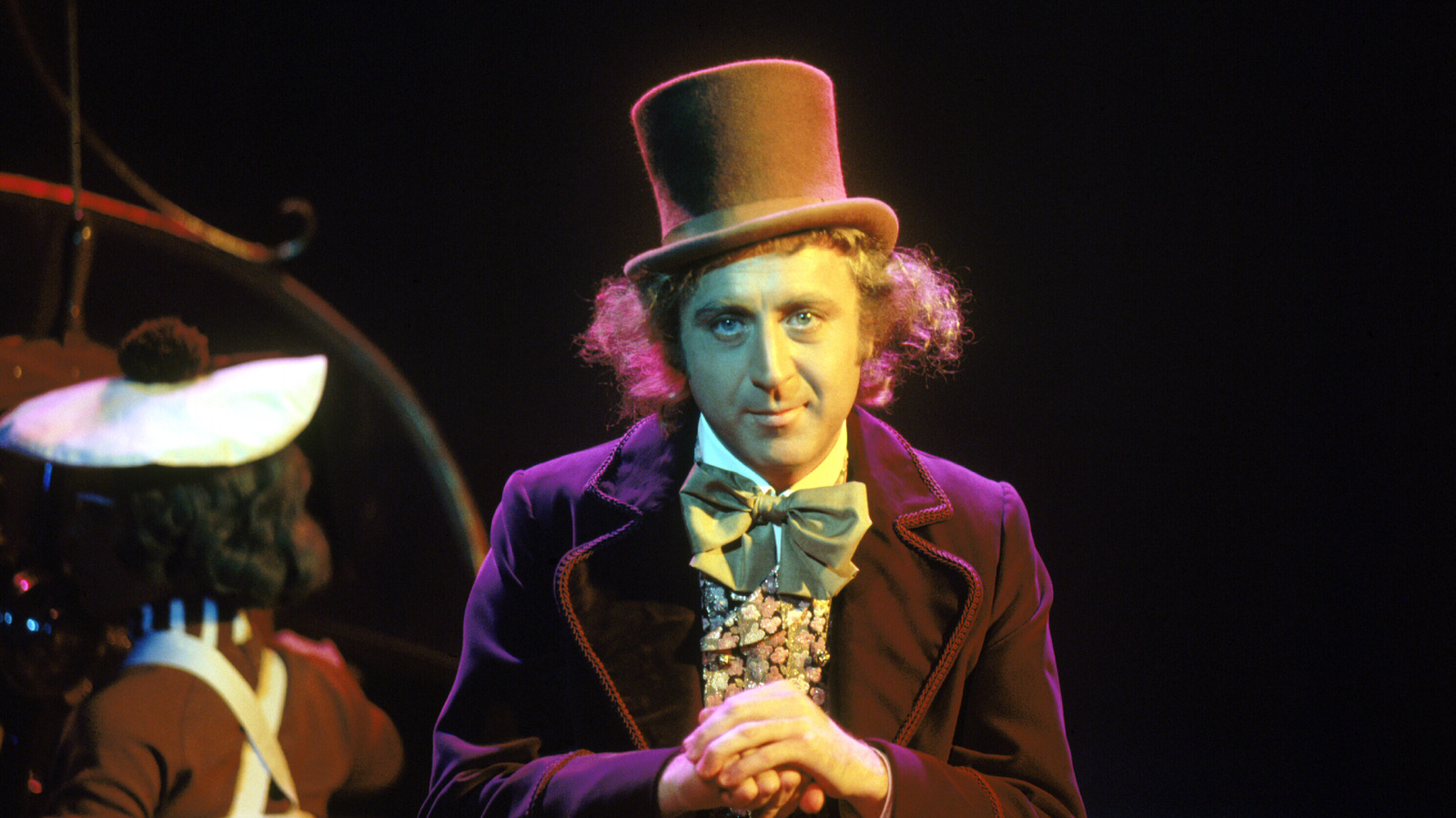
Netflix has stepped into the burgeoning, often controversial, world of artificial intelligence in entertainment by employing AI to generate the voice of the late Gene Wilder. This digital resurrection is slated for an upcoming unscripted reality series, drawing its inspiration from Roald Dahl's timeless novel, Charlie and the Chocolate Factory, and specifically referencing the beloved 1971 film adaptation where Wilder famously portrayed Willy Wonka. The technology behind this vocal recreation comes from ElevenLabs, a notable player in the AI voice synthesis space. The AI-generated voice will narrate various challenges within the competition program, aiming to infuse the show with the whimsical yet chaotic spirit of Wilder’s iconic chocolatier.
User Experience: An Eerie Familiarity
Initial reports suggest that the AI-generated voice, featured in the show's trailer, indeed manages to emulate Wilder's distinctive portrayal of Willy Wonka. On a purely technical level, the AI appears to have successfully captured the vocal nuances that made his performance so memorable. However, the experience for viewers is immediately complicated. There's a palpable sense of unease described – an 'eerie' quality to hearing that familiar voice narrating scenes that feel like a generic 'production exec's idea of whimsy.' It suggests a disconnect between the deeply human, expressive performance of the original actor and the synthesized imitation applied to new, potentially less inspired, content. The very familiarity becomes unsettling when divorced from the original context and creative intent.
Ethical Landscape: A Minimum of Decency
Perhaps the most crucial detail in this implementation is the ethical framework surrounding it. Netflix and ElevenLabs did not proceed without proper authorization; the recreation was undertaken in collaboration with Gene Wilder's estate and secured the explicit approval of his wife. This move is presented as the 'bare minimum of common decency' when recreating a deceased performer, and it absolutely is. In an industry increasingly grappling with AI's potential to exploit likenesses without consent, obtaining full permission from the legal and personal representatives of a deceased artist sets a vital precedent. While it addresses the legal and ethical ownership, it doesn't entirely mitigate the artistic or philosophical questions that arise from such a creation.
The Puzzling 'Why': Gimmick or Genuine?
Despite the technical achievement and the ethical clearances, the fundamental question remains: why? From a reviewer's perspective, the immediate reaction tends towards skepticism. This application of AI is seen as potentially serving two primary purposes: firstly, as a 'stunt to draw attention,' leveraging the beloved actor's legacy for promotional buzz. Secondly, and more critically, it could be interpreted as a means to 'avoid paying a real actor to do a similar job.'
This raises significant concerns within the entertainment industry, particularly for voice actors and performers who rely on new opportunities. While Gene Wilder’s portrayal of Willy Wonka was undeniably iconic, the character originated in a book and is inherently 'ripe for re-interpretation by other performers.' The decision to digitally replicate a past performance, rather than fostering a new one, might indicate a prioritization of novelty and cost-efficiency over artistic innovation and human talent. It begs the question of whether this use of AI represents a genuine tribute or a calculated, commercial shortcut.
Indeed, the sentiment 'So much for magic' encapsulated by the source piece perfectly captures the potential downside. The genuine magic of human performance, with its spontaneity, nuance, and the unique imprint of a living artist, risks being diminished when replaced by a meticulously constructed digital echo. Even if the AI voice is technically perfect, it might inherently lack the soul and improvisation that made Wilder's Wonka truly special.
Recommendation: Proceed with Caution and Criticality
For viewers contemplating this new Netflix reality show, the AI-generated Gene Wilder voice is undeniably a significant talking point. If you approach this simply as a technological novelty or a nostalgic trip, you might find it intriguing. The successful mimicry of Wilder's voice could provide a layer of thematic continuity for fans of the original film. However, if you value artistic originality, human performance, or are concerned about the broader implications of AI in creative fields, this aspect of the show might be a considerable detractor.
This isn't a traditional 'product' to buy, but a feature of a streaming service's content. As such, the recommendation hinges on what you, as a consumer, prioritize. While Netflix has taken the necessary steps for legal and ethical approval, the artistic choice to digitally clone a deceased actor's voice, when the character could be re-interpreted, is a contentious one. It's an experiment that highlights both the incredible capabilities of AI and the profound ethical and artistic dilemmas it presents. Watch it if you're curious about AI's frontier in entertainment, but keep a critical eye on whether it enhances the 'magic' or merely mimics it.
FAQ
Q: Was Gene Wilder's family involved in the decision to use his AI voice?
A: Yes, Netflix collaborated with Gene Wilder's estate and received explicit approval from his wife for the use of his AI-generated voice in the new reality show.
Q: How accurate is the AI recreation of Gene Wilder's voice?
A: According to the source, the AI-generated voice in the show's trailer 'does sound like his take on Willy Wonka,' indicating a high degree of fidelity to the original actor's vocal performance.
Q: What are some of the main concerns raised by this use of AI in entertainment?
A: Key concerns include the 'eerie' nature of the experience for viewers, the perception that it serves as a marketing 'stunt' or a way to avoid hiring living actors, and the potential for such technology to diminish the artistic value of new interpretations and the 'magic' of human performance.
Related articles
Android 17 QPR2 Beta 7.1: The Performance Relief You've Been Waiting
Android 17 QPR2 Beta 7.1: Finally Fixing the QPR1 Performance Woes Verdict: Android 17 QPR2 Beta 7.1 is a crucial and highly anticipated software update for Google Pixel users, specifically targeting and resolving the

DJI Solo Video Setups: Smart Choices for Lone Creators
This review delves into DJI's recommended solo video setups, highlighting the Osmo Pocket 3 Creator Combo as a top pick for its integrated camera, gimbal, and mic. It also covers stabilizers like the Osmo Mobile 8 and RS 4, and the DJI Mic Mini series for enhanced audio, providing honest pros, cons, and clear buying advice.

Mark Wahlberg on using AI in film ‘the right way’ and being open to
Actor Mark Wahlberg believes AI has a place in filmmaking if used responsibly for enhancement, not script generation or actor replacement. At TechCrunch Disrupt, he expressed openness to an AI likeness carrying on his legacy, managed by his family, and emphasized storytelling.

Ars Technica's Rocket Report: Your Essential Space Industry Briefing
Quick Verdict Ars Technica's Rocket Report, presented by veteran space reporter Stephen Clark, offers an invaluable and meticulously organized weekly (or similar frequency, implied by "Edition 9.15") digest of the most
Apple iPhone Duo: A Daring Debut with Notable Compromises
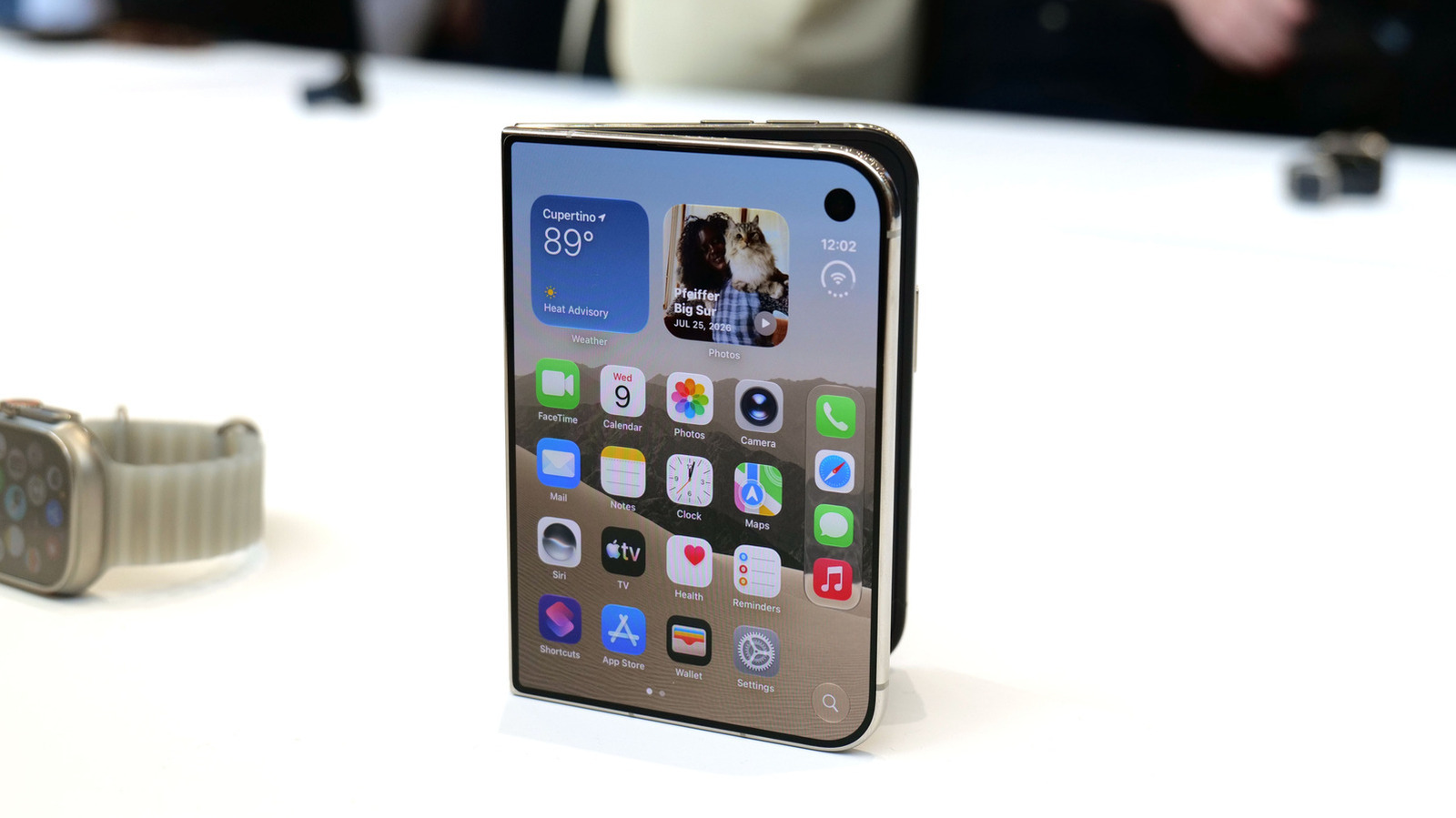
Apple's highly anticipated iPhone Duo, priced at $2,000, has gone on pre-order. While hailed as "Apple's most exciting device in a decade" for its innovative foldable design and immersive display, it comes with significant drawbacks like the absence of FaceID and a premium camera.
Tesla Unveils Thruster-Equipped Roadster, 2028 Production Targeted
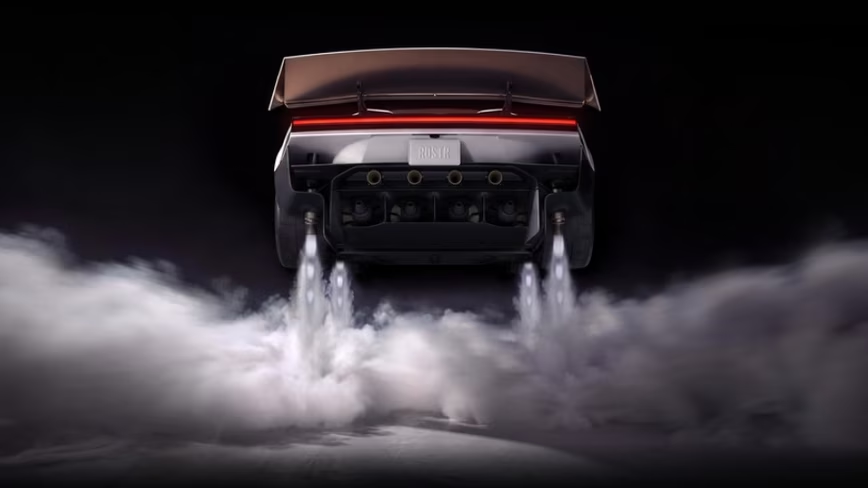
Tesla has unveiled its second-generation Roadster, featuring cold-gas thrusters co-developed with SpaceX, enabling it to jump and flip. The electric sports car demonstrated 0-60mph in an astonishing 0.81 seconds, with production targeted for 2028. This highly anticipated reveal also serves as a key recruitment tool for Tesla's ambitious AI and robotics initiatives.