
NASA's Perseverance Rover: A Martian Marathon Machine
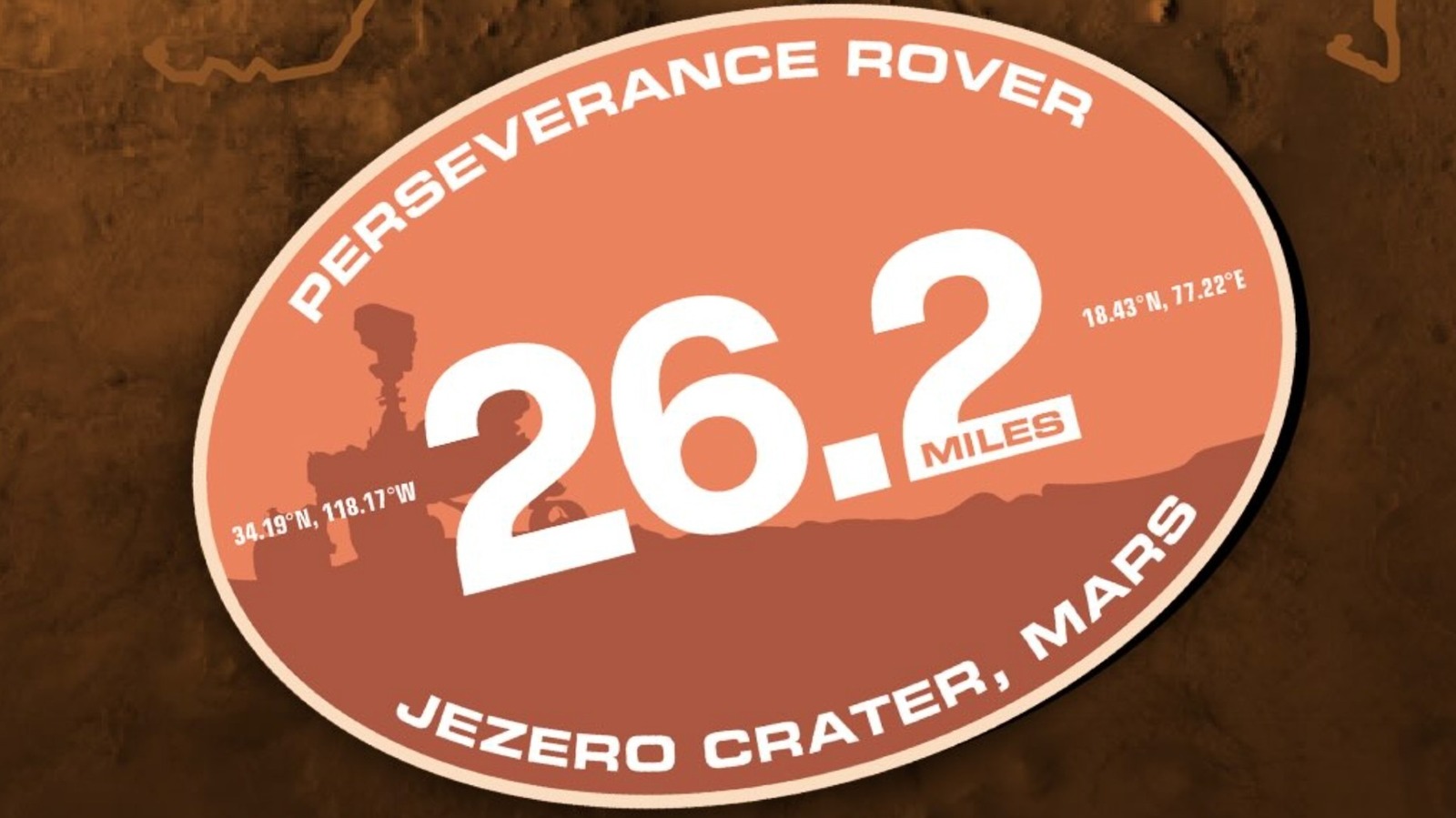
NASA's Perseverance rover has completed a marathon on Mars in just five years, showcasing incredible endurance and efficiency. At 0.1 mph, it's a slow but meticulous explorer, outperforming its predecessors like Opportunity and Curiosity in terms of ground covered over time, while making pivotal scientific discoveries.
Verdict: A Titan of Martian Exploration
NASA's Perseverance rover isn't just a piece of hardware; it's a testament to engineering endurance and scientific ambition. Achieving the extraordinary feat of traversing a full marathon (26.2 miles) on the rugged, alien landscape of Mars in just five years is nothing short of revolutionary. While its top speed might seem glacial by Earth standards, its operational efficiency, scientific output, and sheer durability make it an unparalleled explorer, setting new benchmarks for robotic planetary missions. For any entity requiring a long-term, high-stakes exploratory vehicle in extreme environments, Perseverance demonstrates an almost flawless execution of its core mission.
Introduction to the Martian Maverick
Since its landing five years ago, the Perseverance rover has been a star performer on the red planet. We’re not talking about your average consumer gadget here; this is a highly specialized, nuclear-powered robotic geologist designed to operate in one of the harshest environments imaginable. The recent announcement from NASA that Perseverance has covered 26.2 miles, the equivalent of a marathon, on Mars on June 14th, 2026, solidifies its position as a remarkable engineering marvel. This achievement not only highlights its robust construction and sophisticated navigation but also accelerates our understanding of Mars, potentially unlocking secrets about ancient life.
Key Performance and Specifications
Perseverance’s primary function is exploration and scientific discovery, and its travel milestone is a critical indicator of its performance. Clocking in 26.2 miles in five years might sound modest when you consider that its top speed is a mere 0.1 mph, even under optimal conditions. However, this isn't a race; it's a meticulously planned scientific expedition across unforgiving terrain. The rover's mission is focused on exploring the Jezero Crater, an area of significant scientific interest due to its geological history. It has already yielded significant findings, including the remnants of an ancient lake and possible signs of ancient life, directly linking its mobility to its scientific success. Its ability to navigate and collect data over such an extended period and distance underscores its robust power systems and operational efficiency.
Design, Build Quality, and Operational Experience
From an engineering perspective, Perseverance is built like a tank. Operating for five years on Mars, enduring extreme temperature fluctuations, radiation, and challenging topography, speaks volumes about its build quality. Its design allows it to methodically traverse craters, rocks, and dust, a feat that would quickly incapacitate lesser machines. The fact that it maintains functionality and continues to send back vital data, including striking selfies from its western excursion, demonstrates a high level of system integrity and data transmission reliability.
For the human operators back on Earth, the "user experience" of managing Perseverance is about precision, remote control, and maximizing scientific return. The rover's autonomous navigation capabilities, even at low speeds, reduce the workload and increase efficiency for the JPL team. Its instruments, though not detailed in this particular report, are implicitly performing as intended to enable its discoveries. The longevity and consistent performance, culminating in the marathon milestone, reflect a superior operational experience, allowing scientists to focus on data analysis rather than troubleshooting.
Pros and Cons
Pros:
- Exceptional Durability and Longevity: Five years of continuous operation on Mars with significant distance covered is outstanding.
- Accelerated Exploration: Covered a marathon distance significantly faster than its predecessor, Opportunity, showcasing improved design and efficiency.
- Significant Scientific Returns: Already identifying remnants of an ancient lake and potential signs of ancient life.
- Robust Navigation: Successfully traverses challenging Martian terrain, exemplified by its journey across Jezero Crater.
- Reliable Data Transmission: Continues to send back valuable images and scientific data to Earth.
Cons:
- Limited Speed: A top speed of 0.1 mph means that exploration, while thorough, is inherently slow. This is a necessary compromise for precision and durability but means long-distance objectives take significant time.
- Remote Operation Dependency: Requires complex and delayed remote control from Earth, which can limit instantaneous decision-making.
Comparison to Alternatives
Perseverance isn't the only rover to grace the Martian surface, but it stands out in terms of its efficiency in covering ground. Let's look at how it compares to its esteemed predecessors:
| Feature | NASA Perseverance | NASA Opportunity | NASA Curiosity |
|---|---|---|---|
| Mission Start (Approx.) | 2021 (Landed 5 years ago) | 2004 | 2012 |
| Marathon (26.2 mi) Achieved | 5 years | 11 years, 2 months | Not yet (23+ miles total to date) |
| Current Distance Traveled | 26.2+ miles | 26.2+ miles (until end of mission) | 23+ miles |
| Max Speed (Approx.) | 0.1 mph (under best conditions) | Not specified, but slower efficiency | Not specified, but slower overall pace |
| Primary Mission Goal | Seek ancient life, collect samples | Search for water history | Investigate habitability, geology |
| Status | Active, exploring Jezero Crater | Mission ended (2018) | Active, exploring Gale Crater |
Perseverance clearly demonstrates a significant leap in operational efficiency. It achieved the marathon milestone in less than half the time Opportunity did. While Curiosity, launched earlier, has yet to reach the marathon mark, Perseverance's performance indicates advancements in navigation, power management, and overall vehicle design that allow for more rapid, yet still meticulous, surface coverage. This increased efficiency translates directly to more scientific data acquired in a shorter timeframe, making it a superior platform for current and future Martian exploration.
Buying Recommendation
For any space agency or scientific organization seeking a top-tier robotic explorer capable of sustained, high-value missions in extreme off-world environments, the underlying technology and operational model of NASA's Perseverance rover come with a strong recommendation. Its proven durability, advanced navigation, and demonstrated ability to make significant scientific discoveries while covering substantial ground make it an excellent investment. While the cost is astronomical and the development cycle long, the return on investment in terms of scientific knowledge and human understanding of the universe is invaluable. If you're planning a multi-year expedition to a celestial body, Perseverance offers a blueprint for success that is hard to beat.
FAQ
Q: What is the significance of Perseverance completing a marathon on Mars? A: Achieving a marathon distance (26.2 miles) on Mars signifies exceptional endurance and operational efficiency for a robotic explorer. It demonstrates the rover's robust design, advanced navigation capabilities, and the success of its mission management, allowing it to explore a vast area and conduct extensive scientific investigations over an extended period.
Q: How does Perseverance's travel speed compare to other rovers? A: Perseverance's top speed is approximately 0.1 mph. While seemingly slow, this is a deliberate speed for navigating complex terrain. It achieved its marathon milestone in 5 years, which is significantly faster than the Opportunity rover, which took 11 years and 2 months to cover the same distance, indicating a major improvement in overall travel efficiency and operational planning.
Q: What kind of discoveries has Perseverance made during its travels? A: During its exploration, Perseverance has traversed intriguing ancient terrain to the west of Jezero Crater. It has discovered remnants of an ancient lake, providing strong evidence of past water activity on Mars, and has identified possible signs of ancient life, which are critical findings in the search for extraterrestrial biosignatures.
Related articles
Android 17 QPR2 Beta 7.1: The Performance Relief You've Been Waiting
Android 17 QPR2 Beta 7.1: Finally Fixing the QPR1 Performance Woes Verdict: Android 17 QPR2 Beta 7.1 is a crucial and highly anticipated software update for Google Pixel users, specifically targeting and resolving the

DJI Solo Video Setups: Smart Choices for Lone Creators
This review delves into DJI's recommended solo video setups, highlighting the Osmo Pocket 3 Creator Combo as a top pick for its integrated camera, gimbal, and mic. It also covers stabilizers like the Osmo Mobile 8 and RS 4, and the DJI Mic Mini series for enhanced audio, providing honest pros, cons, and clear buying advice.
Ars Technica's Rocket Report: Your Essential Space Industry Briefing
Quick Verdict Ars Technica's Rocket Report, presented by veteran space reporter Stephen Clark, offers an invaluable and meticulously organized weekly (or similar frequency, implied by "Edition 9.15") digest of the most

Apple iPhone Duo: A Daring Debut with Notable Compromises
Apple's highly anticipated iPhone Duo, priced at $2,000, has gone on pre-order. While hailed as "Apple's most exciting device in a decade" for its innovative foldable design and immersive display, it comes with significant drawbacks like the absence of FaceID and a premium camera.
KDE Plasma 6.8: A Future-Focused 30th Anniversary Update
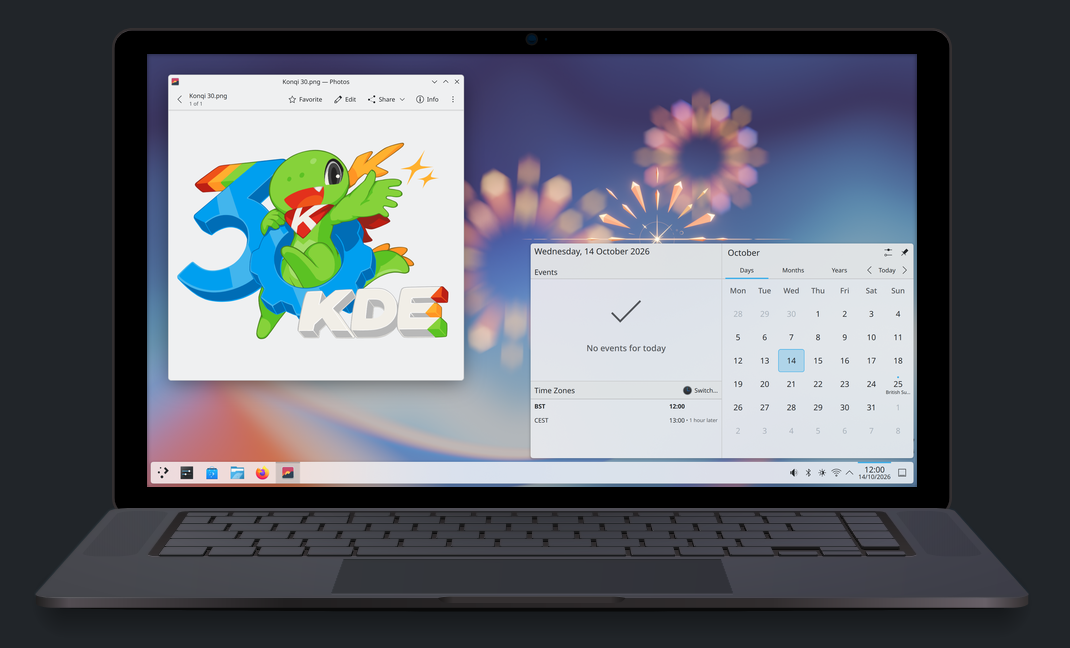
Quick Verdict KDE Plasma 6.8, arriving as the "30th Anniversary Edition," is a pivotal release that decisively pushes the desktop environment into the future. With a definitive farewell to native X11 sessions and a
Galaxy Watch One UI 9 Beta: Promising Progress, But Patience Needed
Galaxy Watch 8, Watch Ultra, and Watch 7 are receiving a new One UI 9 Watch beta build with bug fixes and a security patch. Active development signals progress, but a stable release date remains elusive.