
Musk Unveils Ambitious Chip Manufacturing Plans for Tesla, SpaceX
Elon Musk has unveiled plans for a new chip manufacturing facility, dubbed "Terafab," in Austin, Texas. The initiative, driven by perceived semiconductor shortages for Tesla and SpaceX's AI and robotics needs, aims to produce chips supporting vast computing power on Earth and in space. While ambitious, the announcement lacks a timeline, and analysts note Musk's history of overpromising on complex projects.

AUSTIN, TX – Elon Musk, CEO of Tesla and SpaceX, has revealed ambitious plans to establish a dedicated chip manufacturing facility, dubbed "Terafab," in Austin, Texas. The project aims to address the escalating demand for semiconductors crucial to his companies' advancements in artificial intelligence and robotics, a need Musk claims current manufacturers cannot meet.
Musk disclosed the initiative at an event in downtown Austin on Saturday night, with visuals suggesting the facility will be strategically located near Tesla's existing headquarters and gigafactory. This move signals a significant vertical integration effort for the tech mogul's enterprises, particularly as they push the boundaries of AI-driven technologies.
The rationale behind the Terafab, according to Musk, stems from a perceived bottleneck in semiconductor supply. "We either build the Terafab or we don't have the chips, and we need the chips, so we build the Terafab," he stated, emphasizing the critical nature of the endeavor for his vision for Tesla and SpaceX.
The proposed facility is envisioned to produce chips capable of supporting immense computing power. On Earth, the goal is to achieve an annual output of 100 to 200 gigawatts of computing power. Even more ambitiously, Musk outlined plans for a terawatt of computing power to be manufactured for use in space, potentially hinting at future orbital data centers or advanced space-based AI systems.
While the announcement highlights Musk's characteristic large-scale ambitions, a detailed timeline for the Terafab's construction or operational readiness was not provided. This lack of specifics, coupled with Musk's background primarily outside of semiconductor manufacturing, has led to some skepticism within the industry.
Indeed, observers note that Musk has a documented history of setting aggressive goals and timelines that have often faced significant delays or remained unfulfilled. Past pronouncements regarding Tesla's self-driving capabilities, the rollout of the Cybertruck, or the performance of the Dojo supercomputer serve as precedents that temper immediate expectations for such a complex undertaking as chip fabrication.
The venture into chip manufacturing represents a bold leap, moving beyond design into the capital-intensive and highly specialized field of fabrication. Success would grant Tesla and SpaceX unprecedented control over their supply chain and enable custom chip designs optimized for their specific AI and robotics requirements. However, the inherent challenges of establishing and scaling a world-class semiconductor foundry are considerable, even for a company as resource-rich as Tesla or SpaceX.
The implications of a successful Terafab could be profound, not only for Musk's ecosystem but potentially for the broader semiconductor industry. It could alleviate future supply chain vulnerabilities for his companies and accelerate innovation in their respective sectors. Conversely, if the project struggles to materialize, it could add to the list of Musk's unfulfilled promises and raise questions about the practical limits of ambitious vertical integration.
FAQ
Q: What is the main reason Elon Musk is pursuing chip manufacturing?
A: Elon Musk stated that current semiconductor manufacturers are not producing chips quickly enough to meet the artificial intelligence and robotics needs of his companies, Tesla and SpaceX.
Q: Where will the new chip manufacturing facility, "Terafab," be located?
A: The Terafab facility is planned for Austin, Texas, with a suggested location near Tesla's existing headquarters and gigafactory.
Q: What are the computing power goals for the chips to be manufactured by Terafab?
A: The Terafab aims to manufacture chips capable of supporting 100 to 200 gigawatts of computing power per year on Earth, along with a terawatt of computing power specifically for use in space.
Related articles

Apple Unveils iPhone Duo: Pricey Foldable Sees Soaring Demand
Apple has officially entered the foldable smartphone arena with the long-anticipated launch of the iPhone Duo. Priced starting at a hefty $1,999, the device features a 5.4-inch outer display and a larger 7.6-inch inner

in-depth: Chicago-Area Cops Helped HSI Spy on Minnesota Anti-ICE
Chicago-area law enforcement, including local police and HSI agents, conducted undercover surveillance on Minnesota anti-ICE activists at an April 2, 2022, talk in Chicago. This operation was part of a federal conspiracy probe into 15 Minnesota activists facing felony charges related to immigration enforcement resistance. Civil liberties advocates have condemned the surveillance as a troubling intrusion into protected political activity.

Mark Wahlberg on using AI in film ‘the right way’ and being open to
Actor Mark Wahlberg believes AI has a place in filmmaking if used responsibly for enhancement, not script generation or actor replacement. At TechCrunch Disrupt, he expressed openness to an AI likeness carrying on his legacy, managed by his family, and emphasized storytelling.
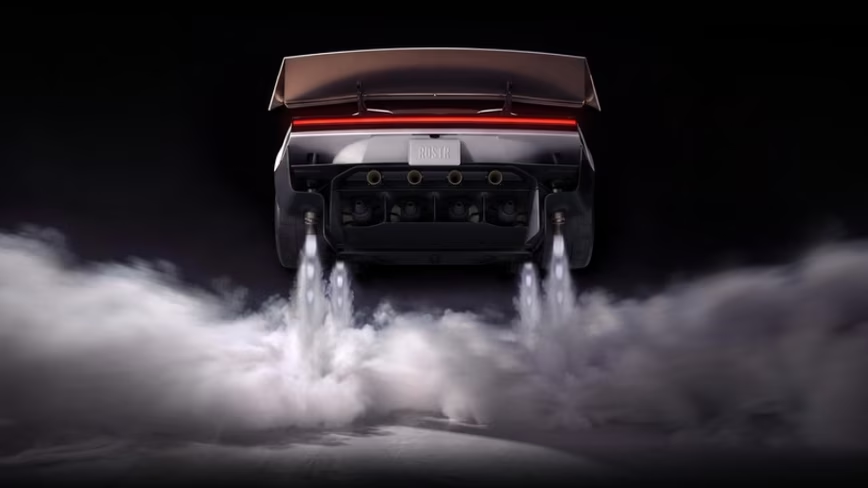
Tesla Unveils Thruster-Equipped Roadster, 2028 Production Targeted
Tesla has unveiled its second-generation Roadster, featuring cold-gas thrusters co-developed with SpaceX, enabling it to jump and flip. The electric sports car demonstrated 0-60mph in an astonishing 0.81 seconds, with production targeted for 2028. This highly anticipated reveal also serves as a key recruitment tool for Tesla's ambitious AI and robotics initiatives.

Amazon Prime Video Launches AI-Powered Prime 360 for NBA Coverage
Amazon Prime Video is elevating its NBA coverage with the introduction of Prime 360, an AI-powered replay system offering immersive, 'fly through' views of the action. Kicking off its second season, Prime Video also adds Yahoo fantasy integration and gains exclusive Eastern Conference Finals rights, expanding its tech-driven sports broadcast. The new features aim to deliver a unique and interactive viewing experience for basketball fans.
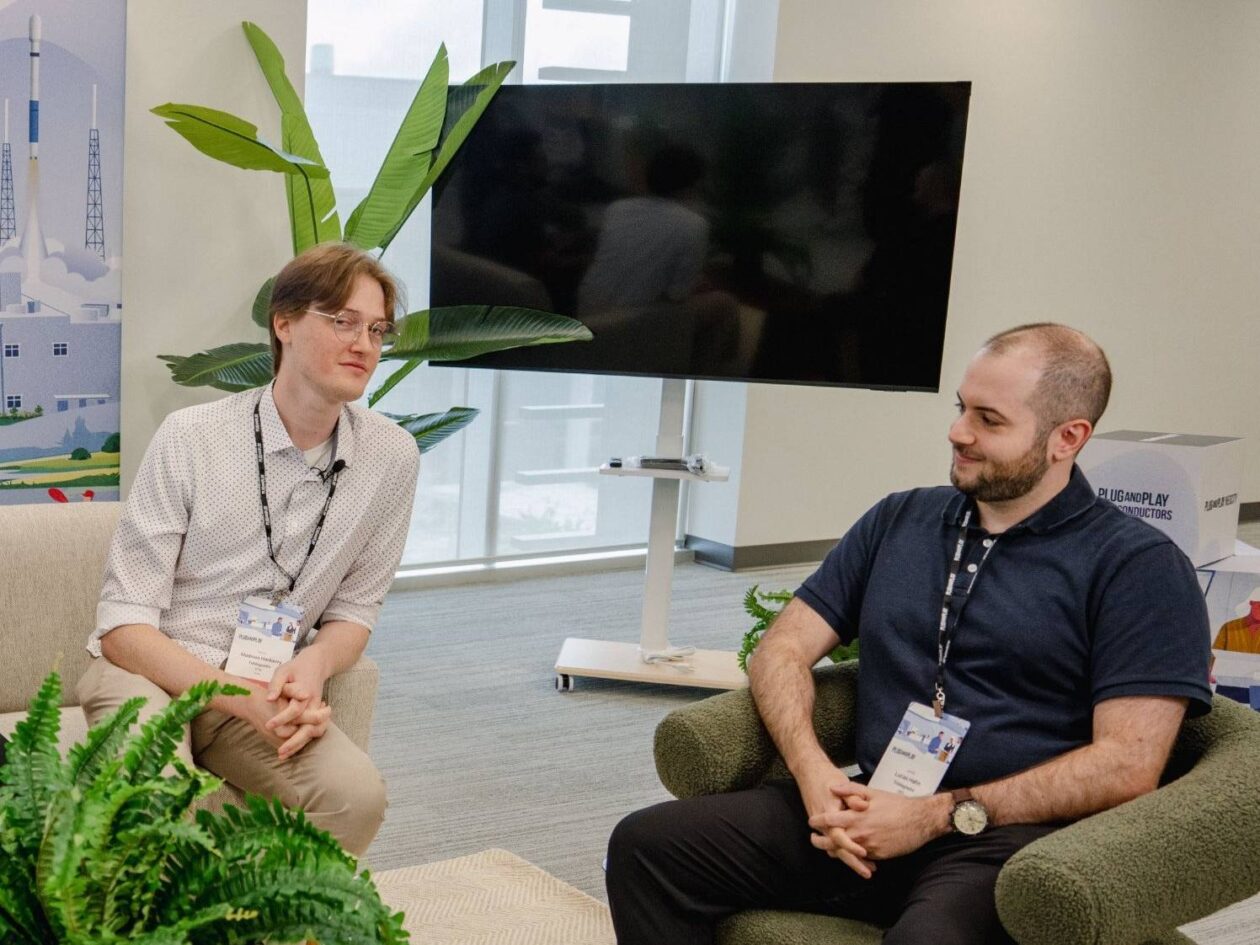
regional: A two-person Seattle startup lands $1M to reinvent
Seattle startup TriMagnetix has secured $1 million to develop semiconductor chips that consume 800 times less energy and are radiation-resistant. The two-person company, leveraging nanomagnetic technology, is targeting space applications and data centers. With new funding and key partnerships, TriMagnetix aims for commercial sales within a year.