
Motorola GrapheneOS Phones: A Privacy-Focused Future
Quick Verdict Motorola’s recent announcement of a partnership with the GrapheneOS Foundation to deliver GrapheneOS-powered phones starting in 2027 is a significant development for privacy and open-source advocates.

Quick Verdict
Motorola’s recent announcement of a partnership with the GrapheneOS Foundation to deliver GrapheneOS-powered phones starting in 2027 is a significant development for privacy and open-source advocates. While the wait is long, this collaboration marks the first time a major smartphone manufacturer will preinstall a genuinely privacy-focused, open-source operating system on its devices. This move has the potential to shake up a market long dominated by Android and iOS, offering a compelling alternative for those who prioritize security and user control. However, it's not without its challenges, including concerns over Motorola's Chinese ownership and the lengthy timeline before these phones hit the market.
The Promise of Privacy: What GrapheneOS Brings
At its core, GrapheneOS is an Android fork built on the Android Open Source Project (AOSP), designed from the ground up with enhanced privacy and security in mind. Founded as a non-profit in 2014, GrapheneOS distinguishes itself through features like fortified app sandboxes, which isolate applications to prevent them from accessing sensitive data or other apps without explicit permission. It also offers granular toggles for network and sensor access, giving users greater control over what information their apps can collect.
The operating system incorporates its own security-hardened browser, Vanadium, and provides access to its GrapheneOS App Store for additional software. For users looking for broader application support, it also integrates with popular non-Google affiliated stores such as F-Droid and Obtainium. Crucially, GrapheneOS can run most Google Play applications, albeit with an important distinction: these apps are installed via the GrapheneOS App Store and operate within a strict sandbox environment, further bolstering security and privacy by limiting their potential impact on the wider system. The OS uses a mix of permissive open-source licenses, primarily the MIT license for its own code, while retaining original licenses for AOSP and GPLv2 for the Linux kernel portions.
The Motorola Partnership: A Game Changer?
Announced at Mobile World Congress (MWC), the collaboration between Motorola (a Lenovo company) and the GrapheneOS Foundation is groundbreaking. Until now, the only official way to experience GrapheneOS has been to install it on a Google Pixel phone yourself – a process the Foundation's developers strongly recommend over using third-party sellers. The developers claim their "web installer is easy to use," but it still requires technical comfort.
Motorola’s commitment to preinstalling GrapheneOS on future flagship devices, such as the Motorola Signature, Razr Fold, and Razr Ultra lines, starting in 2027, signifies a major shift. This partnership involves co-development of hardware that will meet strict GrapheneOS standards, including features like memory tagging and a commitment to multi-year updates, promising a tightly integrated and secure experience. It's important to note that Motorola views this not as a replacement for Android but rather as an “added new era of smartphone security,” suggesting it will exist alongside their traditional Android offerings. This move is significant because it represents the first time a major OEM will release a viable, independent, and open-source smartphone in this manner.
Key Features and User Experience
The core user experience on Motorola's GrapheneOS phones will revolve around unparalleled privacy and security controls. Users can expect a system where app permissions are more transparent and restrictive by default, with features like fortified sandboxing ensuring applications can only access what's absolutely necessary. The inclusion of the Vanadium browser points to a focus on secure web browsing, and the support for multiple app stores (GrapheneOS App Store, F-Droid, Obtainium) offers flexibility in app sourcing, reducing reliance on single ecosystems.
While GrapheneOS is known for running most Google Play apps, their sandboxed execution means users can enjoy a wide range of popular software without compromising the operating system's fundamental privacy principles. The co-developed hardware, featuring memory tagging and guaranteed multi-year updates, indicates a long-term commitment to security and performance, ensuring the devices remain protected and up-to-date for an extended period. This integrated hardware-software approach is expected to deliver a smoother and more robust experience than simply installing GrapheneOS on existing, non-optimized hardware.
The Pros: What We're Excited About
- Mainstream Validation for Privacy OS: This partnership elevates GrapheneOS from a niche, DIY solution to a professionally integrated offering from a major OEM, validating the demand for privacy-focused devices.
- Enhanced Privacy and Security: GrapheneOS offers significant privacy enhancements over stock Android, including fortified app sandboxes, fine-grained control over network and sensor access, and a security-hardened browser.
- Open-Source Principles: The open-source nature of GrapheneOS fosters transparency and community scrutiny, which can lead to more robust security. It caters to a segment of users who value user control and freedom over closed platforms.
- Hardware Co-development: Motorola's commitment to co-developing hardware to GrapheneOS standards, including memory tagging and multi-year updates, promises a highly optimized and secure device that will receive sustained support.
- App Compatibility: The ability to run most Google Play applications within a secure sandbox means users won't have to sacrifice access to essential apps for privacy.
- Market Disruption Potential: As one contributor noted, the market is "beyond ripe for a good shake-up." This initiative could carve out a significant share for Motorola among the privacy-conscious, pushing other OEMs to consider similar offerings.
The Cons: Realistic Concerns
- Long Waiting Period: The 2027 release date is a considerable wait. In the fast-evolving tech landscape, three years is a long time, and user priorities or technological advancements could shift significantly.
- Chinese Ownership Concerns: A notable concern raised by some users is Motorola's parent company, Lenovo, being a Chinese business. Despite GrapheneOS being open source, some users worry about potential security implications or supply chain vulnerabilities related to the hardware manufacturer's origin.
- Niche Appeal vs. Mass Market: While the partnership is a win for the "small, but vocal, minority" desiring independent, open-source smartphones, it remains to be seen if it will truly "gobble up a good chunk of market share" or largely serve its existing niche.
- Not a Full Platform Switch: Motorola describes the partnership as an “added new era of smartphone security,” rather than a full platform switch. This might temper expectations for those hoping for a complete migration away from the Android ecosystem on all Motorola devices.
Alternatives in the Privacy Phone Space
For those seeking alternatives to mainstream Android and iOS, several options exist, though none currently come with the backing of a major OEM like Motorola. Operating systems such as e/OS and the Free Software Foundation's (FSF) LibrePhone represent other efforts to provide independent, privacy-focused mobile experiences. However, these often require users to install them on compatible hardware themselves or purchase from smaller, specialized vendors, which can deter less tech-savvy individuals. The FSF's LibrePhone is even described as a "long game" in development.
Currently, the most common way to use GrapheneOS is by installing it on a Google Pixel phone. GrapheneOS developers recommend users buy a late-model Pixel and install the OS themselves, stating their web installer is easy to use, rather than relying on third-party sellers who offer pre-installed versions. Motorola's entry into this space with factory-installed GrapheneOS on new, co-developed hardware fundamentally differentiates it from these existing alternatives, offering an out-of-the-box solution with integrated hardware and software support from a well-known brand.
Buying Recommendation
For privacy advocates, open-source enthusiasts, and those deeply concerned about data collection by major tech companies, the upcoming Motorola GrapheneOS phones are undoubtedly a product to watch. The promise of an OEM-supported, privacy-hardened operating system on flagship hardware is a significant step forward for user control and digital freedom. If you're currently considering installing GrapheneOS on a Pixel or exploring other niche privacy phones, waiting to see how Motorola's offering develops could be a worthwhile strategy, given the integrated hardware and support.
However, if the 2027 timeline feels too distant, or if concerns about Motorola's Chinese ownership weigh heavily on you, you might explore existing options like DIY GrapheneOS installation on a Google Pixel or other alternative OS projects. For the vast majority of smartphone users happy with their current Android or iPhone experience, this product likely won't be a primary consideration. But for the dedicated minority, Motorola is preparing to deliver something truly unique. We’ll be keenly observing its development and look forward to getting hands-on with the first models.
FAQ
Q: When will Motorola's GrapheneOS phones be available?
A: Motorola plans to release its first GrapheneOS phones in 2027.
Q: Can I use my existing Google Play apps on GrapheneOS?
A: Yes, GrapheneOS supports most Google Play applications. These programs run in a sandbox for better security and privacy and are installed via the GrapheneOS App Store, rather than Google Play directly.
Q: Are there security concerns due to Motorola's ownership?
A: Some users have expressed concerns regarding the security of GrapheneOS phones, given that Motorola's parent company, Lenovo, is a Chinese business. These concerns are part of ongoing discussions around the partnership.
Related articles
Android 17 QPR2 Beta 7.1: The Performance Relief You've Been Waiting
Android 17 QPR2 Beta 7.1: Finally Fixing the QPR1 Performance Woes Verdict: Android 17 QPR2 Beta 7.1 is a crucial and highly anticipated software update for Google Pixel users, specifically targeting and resolving the

DJI Solo Video Setups: Smart Choices for Lone Creators
This review delves into DJI's recommended solo video setups, highlighting the Osmo Pocket 3 Creator Combo as a top pick for its integrated camera, gimbal, and mic. It also covers stabilizers like the Osmo Mobile 8 and RS 4, and the DJI Mic Mini series for enhanced audio, providing honest pros, cons, and clear buying advice.

Ars Technica's Rocket Report: Your Essential Space Industry Briefing
Quick Verdict Ars Technica's Rocket Report, presented by veteran space reporter Stephen Clark, offers an invaluable and meticulously organized weekly (or similar frequency, implied by "Edition 9.15") digest of the most
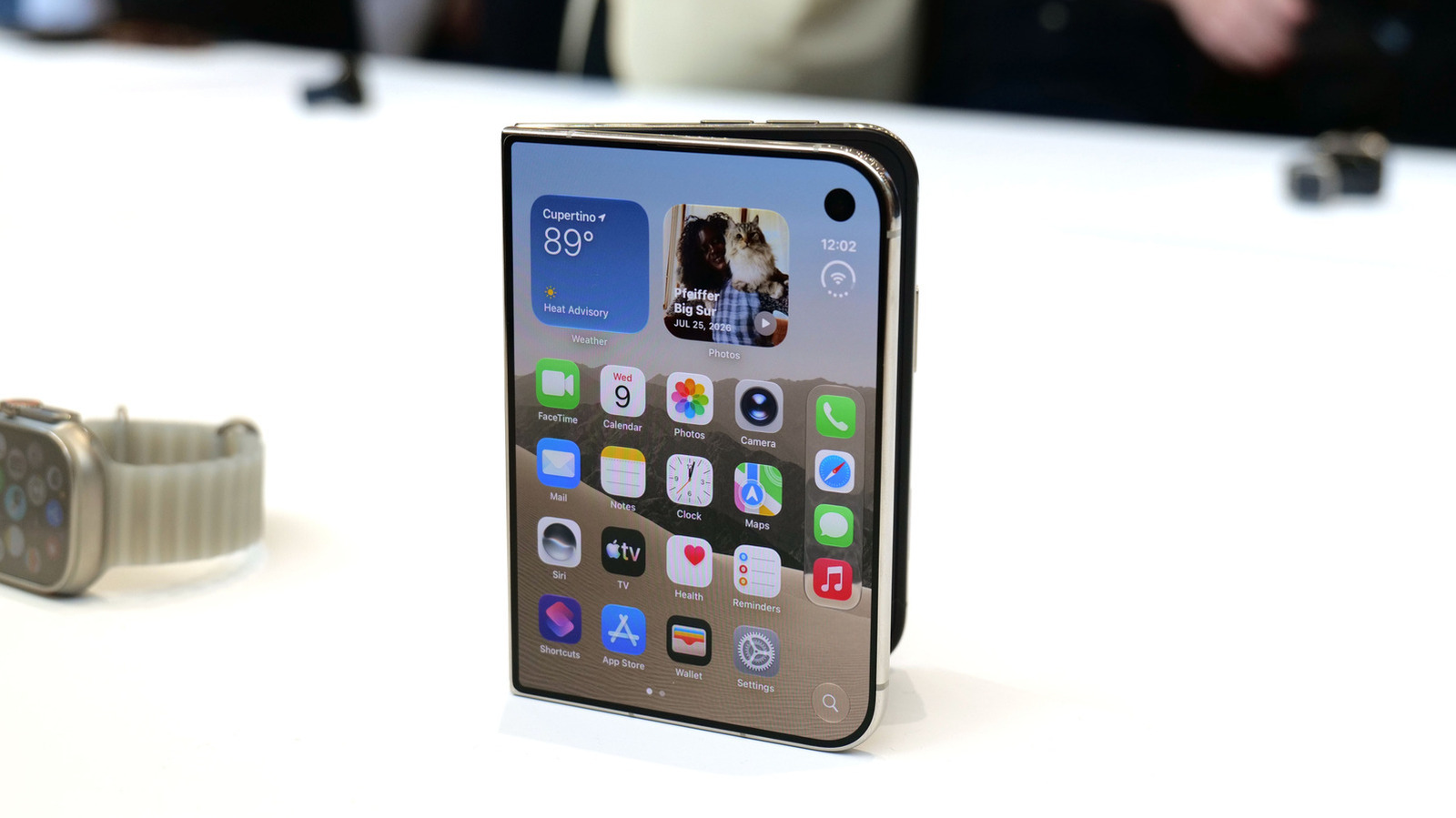
Apple iPhone Duo: A Daring Debut with Notable Compromises
Apple's highly anticipated iPhone Duo, priced at $2,000, has gone on pre-order. While hailed as "Apple's most exciting device in a decade" for its innovative foldable design and immersive display, it comes with significant drawbacks like the absence of FaceID and a premium camera.
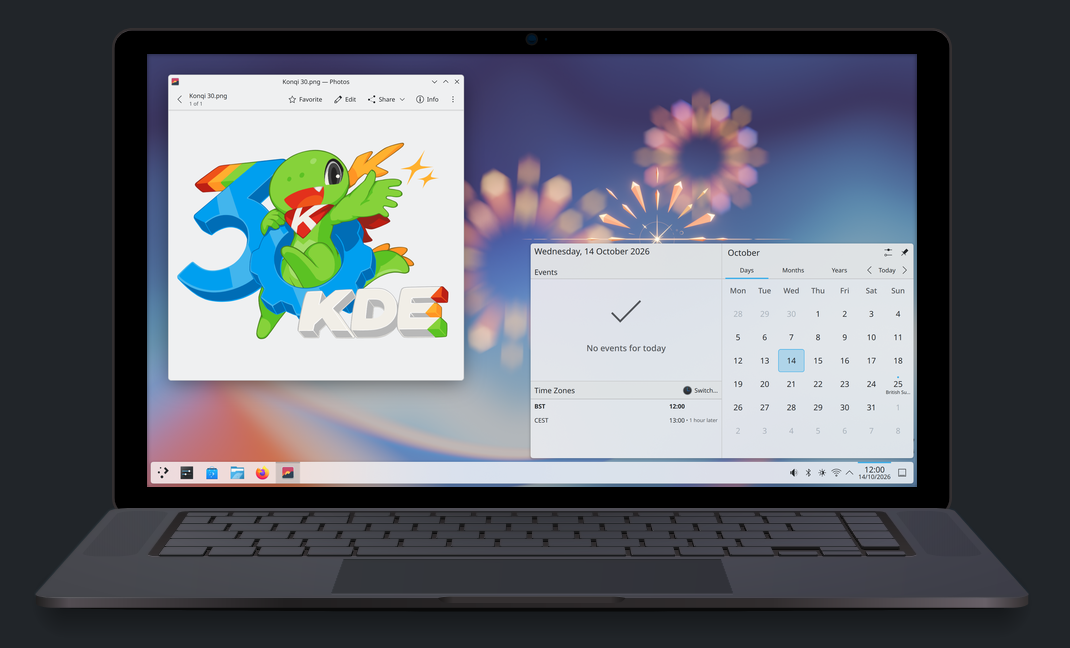
KDE Plasma 6.8: A Future-Focused 30th Anniversary Update
Quick Verdict KDE Plasma 6.8, arriving as the "30th Anniversary Edition," is a pivotal release that decisively pushes the desktop environment into the future. With a definitive farewell to native X11 sessions and a
Galaxy Watch One UI 9 Beta: Promising Progress, But Patience Needed
Galaxy Watch 8, Watch Ultra, and Watch 7 are receiving a new One UI 9 Watch beta build with bug fixes and a security patch. Active development signals progress, but a stable release date remains elusive.