
Mortal Shell 2: This Soulslike is F***ing Metal, and I Love It
Mortal Shell 2 doubles down on its predecessor's grim atmosphere, delivering a sprawling Soulslike experience that redefines 'metal' in gaming. With unique shell mechanics and bold combat changes like no stamina bar, it's an unforgettable, visceral journey despite minor grind issues.
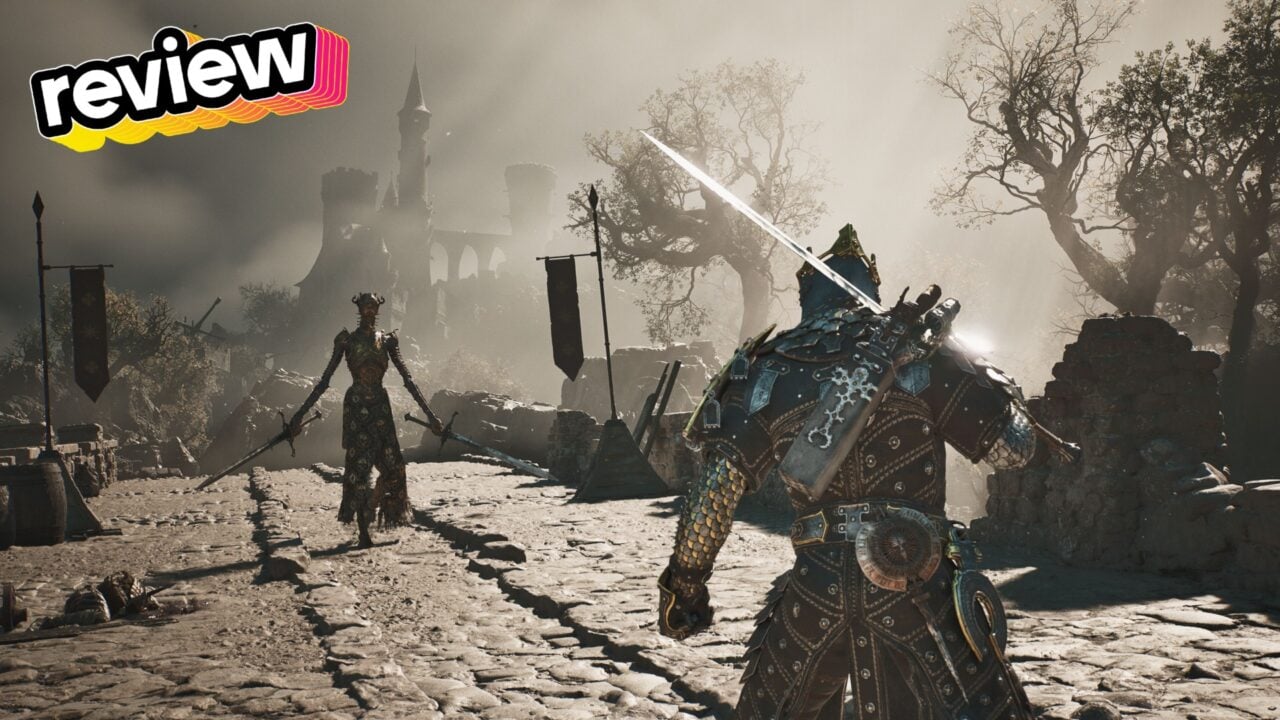
Alright, fellow travelers of the bleak and beautiful, let's talk cults. You know, the robed fanatics, the twisted beliefs, the impending cosmic horror? Mortal Shell II kicks off with this exact vibe, immediately signaling to the devoted Soulslike faithful that they’ve found their new home. And spoiler alert: it doesn't stop with just one cult. Cold Symmetry, the masterminds behind the original 2020 hit, are back, and they've dialed everything up to eleven. Preorder early access starts August 17 on PS5, Xbox Series X/S, and PC (which is where I played about 40 hours of this monster, completing the main campaign and delving into dozens of dungeons).
But here’s the real kicker, the thought that gnawed at me through every desolate landscape and brutal boss fight: Mortal Shell II isn’t just "dark fantasy" metal. It’s fucking metal metal. Forget the usual genre tropes; this game embodies the spirit of a forgotten, crumbling 19th-century mansion constantly under a biblical thunderstorm. It’s a visual and atmospheric symphony that demands to be experienced in a dark room, perhaps with some large candles lit, truly embracing its oppressive embrace.
A World Forged in Shadows (and Double Bass)
The visual artistry on display in Mortal Shell II is nothing short of breathtaking in its grimness. Every frame feels painstakingly crafted by hands that understand the desperate longing for eternal cloudy skies. This isn't just about skeletons and impalement; it’s a living, breathing album cover, conjuring hellscapes straight out of a Wayne Barlowe painting. The mood here isn’t just thick; it drips with the viscosity of freshly spilled blood. And honestly? I'm buying every single drop. The vistas alone are worth the price of admission, inspiring awe even as they promise torment.
Unlike its predecessor, which thrived on its compact nature, Mortal Shell II is a sprawling beast. The open environment is littered with secrets: new shells, powerful weapons, bespoke mini-dungeons, and Tarstones to augment your character. While the main goal is to collect a series of MacGuffins, the real joy is in the exploration. Should you venture up that winding hillside to confront a bell-wearing snail, or dare to use that strange warp point to face the enigmatic knife lady? The game thrives on these choices, on the urge to uncover every hidden answer. Nearly every checkpoint reveals a small dungeon, often not just skill checks but clever brain teasers, generously rewarding thorough searching with forging materials and experience dumps.
Shell Shocked: Core Mechanics & Combat Without Limits
The core hook of the Mortal Shell series returns: the "shells." These are essentially unique character classes, each with distinct abilities, that you can swap out at rest locations. This system allows for significant build variety and adapting to different combat scenarios. But beyond the shells, Mortal Shell II introduces perhaps its most controversial design decision: the complete elimination of the stamina meter.
Yes, you read that right. In Mortal Shell II, you can attack, run, and dodge with impunity. Initially, I, like many Soulslike purists, turned my nose up at this. It felt like removing a fundamental genre pillar. However, after dozens of hours and countless enemy encounters, I came around. This bold move shifts the combat focus from meticulous stamina management to the weightiness of movement, spacing, and well-timed aggression. While I don't want this for all Soulslikes, for Mortal Shell II's lumbering protagonists and its unique rhythm, it feels like the right call.
For those who find the genre's demanding combat unpalatable, Cold Symmetry offers an elegant solution early on: the Slayer Seal. This defensive implement provides buffs, enhances stagger damage for special attacks, and even heals you. It's a well-implemented "easy mode" that still requires engagement with the game's combat principles, rather than simply dialing down enemy stats. This combination of stamina-free movement, diverse shells, and personal augmentations allows Mortal Shell II to elegantly straddle the line between traditional Soulslike and more high-flying action game. Find the right set of abilities and weapons, and you might even find yourself practically musou-ing through certain environments – a surprisingly satisfying sensation.
Forging Your Fate (and Facing the Grind)
Character building in Mortal Shell II is robust and less predictable than linear stat increases. Each shell boasts its own varied skill trees, unlocking alongside a mix of satisfying and occasionally shrug-worthy narrative beats. While I found the game to be less challenging overall than some of its genre peers (though this is ripe for post-launch balancing), there's a harder "Night Mode" if you crave more punishment and additional content. However, not all is perfect in this hellish paradise. By the mid-game, the scarcity of upgrade materials and currency for your Tarstones became noticeable, forcing me into some forced grinding sessions to progress my character builds.
Verdict: Embrace the Viscosity
Forget the minutiae of specific builds or the precise patterns of minor bosses for a moment. While there's a deep system to explore, the true reward of Mortal Shell II is the experience itself. It's the palpable sense of place, the suffocating tone, and the sheer presence of a world so unapologetically, aggressively metal that it might just be conjuring something from a nether dimension with too many consonants to feasibly pronounce. Despite the occasional grind or environmental hiccup, this game utterly consumes you. The cult, indeed, is satisfied. Go play it. Just make sure to turn out the lights.
FAQ
Q: Is Mortal Shell 2 truly an "easy mode" Soulslike due to the lack of stamina?
A: Not entirely. While the absence of a stamina bar allows for more aggressive actions, the combat still demands careful movement and spacing. The early-game Slayer Seal item can provide a more forgiving experience with buffs and healing, but you still need to learn enemy patterns and engage on the game's terms.
Q: How does Mortal Shell 2 compare to the first game?
A: The sequel retains the core "shells" mechanic but is a significantly more sprawling experience than its tighter, more compact predecessor. It offers a much larger open environment with more areas to explore, weapons to find, and character build options through Tarstones and varied shell skill trees.
Q: What are the main downsides to Mortal Shell 2?
A: The review noted a scarcity of upgrade materials and currency in the mid-game, which can lead to a feeling of grind for character progression. Additionally, players might occasionally encounter issues with getting stuck in the environment. While overall less challenging than some Soulslikes, a harder difficulty mode is available.
Related articles

TCG Pocket Responds: A Much-Needed Pace Shift for Pokémon Fans
Pokémon TCG Pocket is rolling out a major update for its second anniversary, primarily addressing player concerns about overwhelming content releases by shifting to a six-week set schedule. This aims to curb player decline and improve overall engagement by giving trainers more time to collect and strategize. The update also adds new collection methods, improved deck-building features, and enhanced trading functionality.

Kojima Compares Divisive New Film 'Digger' to MGS2's Prescient Vision
Gaming icon Hideo Kojima has praised the divisive 2026 film *Digger*, drawing intriguing parallels to his own prophetic game, *Metal Gear Solid 2*. Both works, he explains, uniquely explore the dangers of misinformation and a fragmented digital reality, anxieties he shares with *Digger*'s director, Alejandro González Iñárritu.

Ubisoft Proposes German Studio Workforce Reduction Amidst
Ubisoft is planning a voluntary departure program for about 100 employees across its Düsseldorf, Berlin, and Mainz studios in Germany. This move is part of a larger, ongoing cost-reduction and restructuring effort by the publisher, aiming to better position its studios for future projects.

TGS 2026: These Forward-Looking Cosplays Are Already Living in the
Tokyo Game Show 2026 showcased incredible cosplay, with many fans embodying characters from unreleased games like *Blast Blade* and *Mononoke No Kuni*. This gallery highlights the community's foresight, alongside debut *Palworld* cosplay and refreshed takes on classics. It’s a testament to the passion that brings gaming's future to life.

Beyond the Bugs: Conquering Studio Headaches in Indie Dev
This guide, part three in a series on running an indie studio, tackles the crucial but often overlooked aspect of dealing with non-development related issues. It introduces creating a shared 'studio backlog' for collective problems and using the IDS (Identify, Discuss, Solve) framework to address them constructively. The core message is to build powerful habits that keep studios from getting quietly derailed by lingering challenges.

Reclaim Your Attention: A Guide to Managing Phone Use
Are you feeling constantly tethered to your smartphone, losing precious moments with loved ones or struggling to focus on important tasks? You're not alone. In today's digital age, our phones, with their cleverly