
Minions & Monsters: Pierre Coffin's Return to the Yellow Peril
Pierre Coffin, the creative force behind the Minions, initially walked away from directing the films after *Despicable Me 3*. He reveals that a compelling monster movie pitch from Illumination CEO Chris Meledandri, set in 1920s Hollywood, was the "magic" that lured him back to direct *Minions & Monsters*. The film promises classic silent film spoofs and a fresh take on the yellow crew's antics.
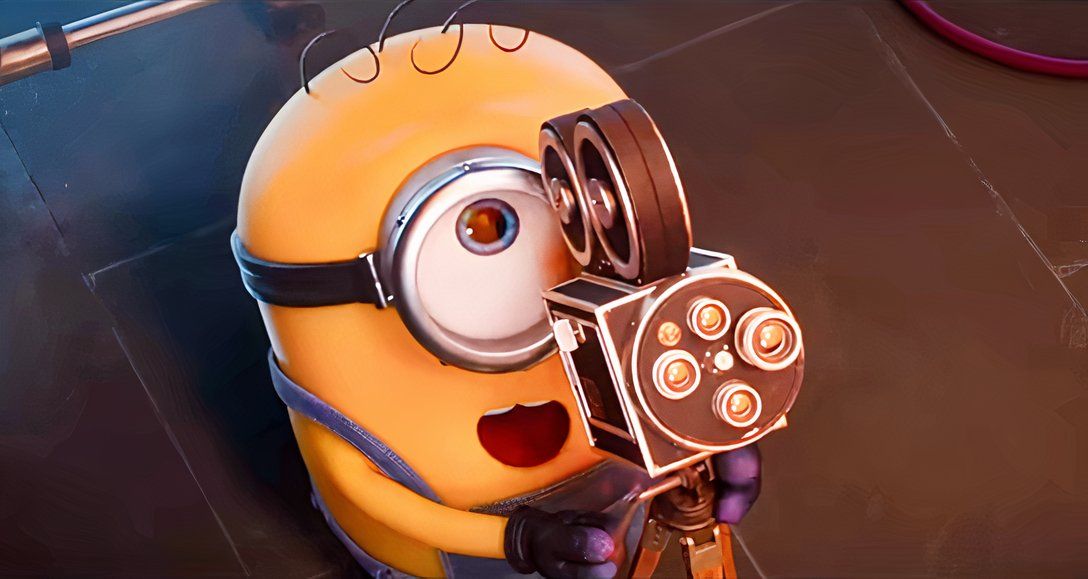
Pierre Coffin, the unmistakable voice behind every single Minion and a directorial force for most of their big-screen adventures, had seemingly hung up his megaphone on the franchise. After helming three Despicable Me films and the first Minions prequel, he felt his journey with the banana-loving chaos agents was complete. But as any true fan knows, the Minion-verse has a way of pulling you back in. His recent comeback for Minions & Monsters surprised many, and Polygon recently got the scoop straight from Coffin himself on what it took to lure him back to direct the latest installment.
The Siren Call of a Monster Movie
Coffin openly admits he was ready to move on. "I did not want to go back to the Minion world anymore," he confessed, feeling he'd exhausted his creative wellspring for the diminutive yellow creatures after his "trilogy and prequel." He continued to voice them for Despicable Me 4 and Minions: The Rise of Gru, but the director's chair remained empty. That is, until Illumination founder and CEO Chris Meledandri made a "out of the blue" phone call. Knowing Coffin’s reluctance, Meledandri prefaced his pitch with, "Okay, you're going to say no, but I have this idea that maybe will inspire you." And inspire it did. The core concept? A Minion who dreams of making a monster movie, leading to a real monster coming to life, turning on the Minions, and threatening to destroy everything. It was a fresh enough hook to get Coffin's creative gears turning once more.
Time-Traveling to Tinseltown's Genesis
One of Coffin's initial concerns was fitting this new narrative into the already extensive Minions timeline, which spans from the dawn of time right up to Gru's early days. The solution came in the form of introducing separate Minion tribes, offering a flexible way to place the story wherever it felt most impactful and amusing. This flexibility led to an inspired choice for the setting: 1920s Hollywood, the burgeoning era of motion pictures. Coffin saw this as a perfect backdrop to explore the industry's origins and inject some playful commentary. "If they're making a movie, it'd be super cool to place it at a moment in time where the movies sort of became this industry," he explained, hinting at sly nods to iconic directors and producers of the era.
Silent Film Stars, Minion Mishaps, and the Sound Barrier
The 1920s setting allowed Coffin and his team to weave in delightful homages to the silent film era's biggest legends. Imagine Buster Keaton's house falling over, Harold Lloyd dangling from a clock, or Charlie Chaplin caught in the gears of Modern Times – but with a Minion twist, as Coffin suggests it's all "the Minions' fault." However, one historical event posed a creative challenge: the arrival of sound, which famously ended many silent stars' careers. Coffin initially hesitated, wary of repeating familiar tropes seen in films like Singin' in the Rain or The Artist. Meledandri, however, pushed for its inclusion, arguing that movie buffs would expect it. His directive? "Let's put our twist on it. How are the Minions going to screw up the invention of sound in their own way?" The ingenious answer: the Minions simply couldn't be understood, making them obsolete in the talkies.
A Cinematic Canvas of Chaos
This particular narrative hurdle led to some of the film's most entertaining sequences. Coffin had a blast envisioning which classic film lines the Minions would inevitably butcher. Fans can look forward to seeing the yellow crew attempting (and failing) to deliver lines from noir films reminiscent of Humphrey Bogart and Lauren Bacall, alongside spoofs of popular war pictures of the time. Perhaps the most anticipated gag involves a Minion struggling with the iconic "Rosebud" from Citizen Kane. These humorous nods to cinematic history, combined with the central monster movie premise, promised a uniquely Minion-esque take on Hollywood's golden age.
The Magic Behind the Mayhem
While the initial spark came from Meledandri's "magic" pitch, Coffin emphasized that the ideas truly "coagulated" through a collaborative process involving himself, Meledandri, and co-screenwriter Brian Lynch. This shared vision allowed the various "building blocks" of the story – the 1920s setting, the monster movie concept, the silent film gags – to fall perfectly into place. For Coffin, returning to the director's chair for Minions & Monsters wasn't just another job; it was a genuine creative resurgence. He found the development of the film genuinely "magic," suggesting that fans are in for a ride that benefits from a director who's not just back, but genuinely re-energized and inspired.
Conclusion: A Fresh Reel for the Yellow Crew
Minions & Monsters clearly isn't just another Minions film; it's a meticulously crafted homage to cinema's past, infused with the signature chaotic energy these characters are known for. Pierre Coffin's return isn't just a win for the franchise; it’s a testament to a compelling concept that reignited his passion. For those who thought they'd seen it all from the Minions, this dive into 1920s Hollywood, complete with monster movie antics and silent film send-ups, promises a surprisingly fresh and hilarious adventure. Expect plenty of "Banana!" but in a whole new, old-school context.
FAQ
Q: Why did Pierre Coffin initially step away from directing Minions films?
A: After directing the first three Despicable Me movies and the first Minions film, Coffin felt he had explored all he could with the characters, completing what he considered his "trilogy and prequel."
Q: What was the specific pitch that convinced Coffin to return for Minions & Monsters?
A: Producer Chris Meledandri pitched the idea of a Minion wanting to make a monster movie, where the monster eventually comes to life, turns on the Minions, and threatens Earth, forcing them to fix their mess.
Q: How does Minions & Monsters incorporate the silent film era into its plot?
A: The movie is set in 1920s Hollywood, allowing the Minions to be involved in the early days of filmmaking, spoofing iconic silent film stars and directors. A key plot point involves the arrival of sound in film, which renders the Minions unable to secure acting jobs because no one can understand what they're saying.
Related articles
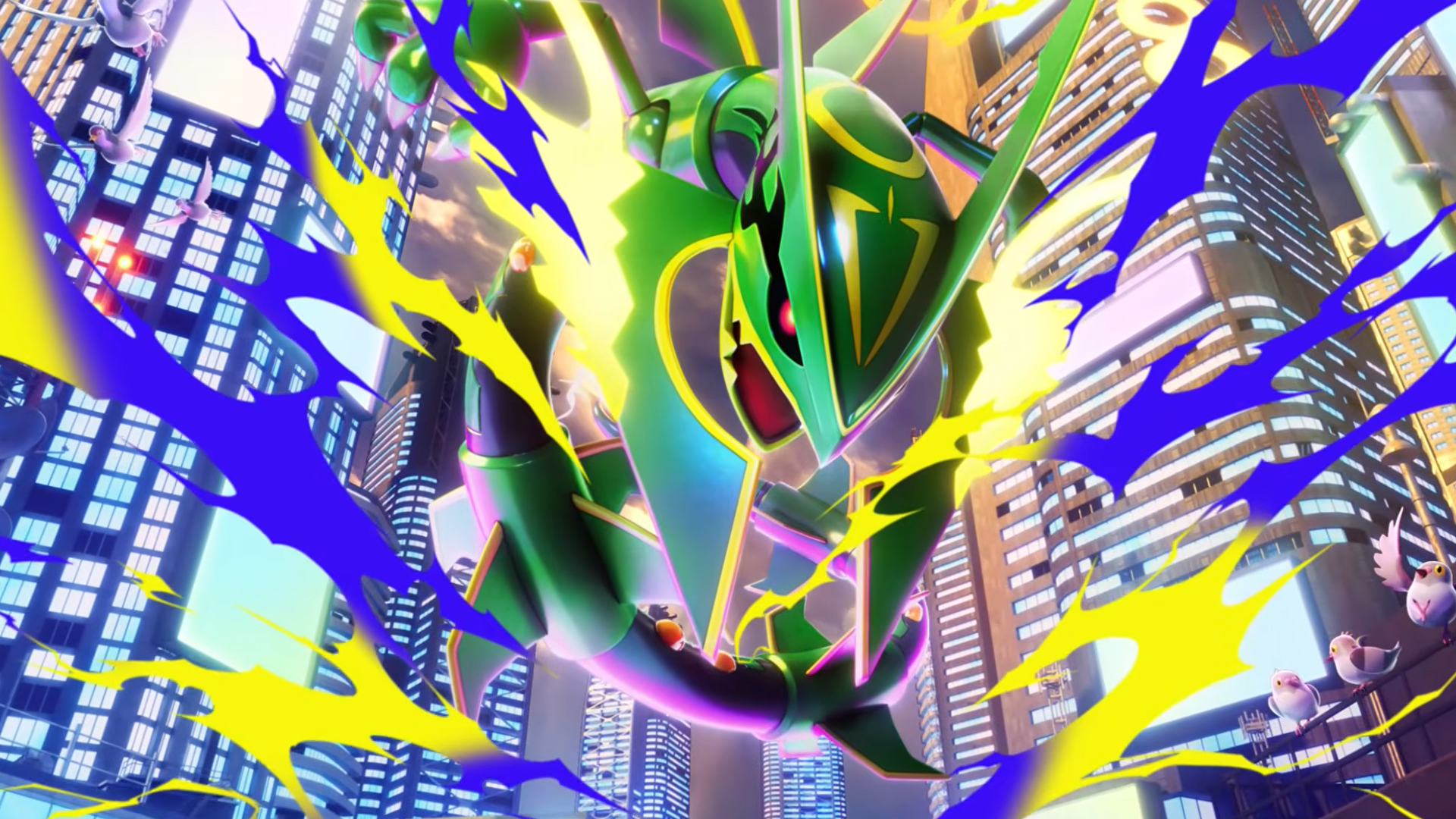
TCG Pocket Responds: A Much-Needed Pace Shift for Pokémon Fans
Pokémon TCG Pocket is rolling out a major update for its second anniversary, primarily addressing player concerns about overwhelming content releases by shifting to a six-week set schedule. This aims to curb player decline and improve overall engagement by giving trainers more time to collect and strategize. The update also adds new collection methods, improved deck-building features, and enhanced trading functionality.
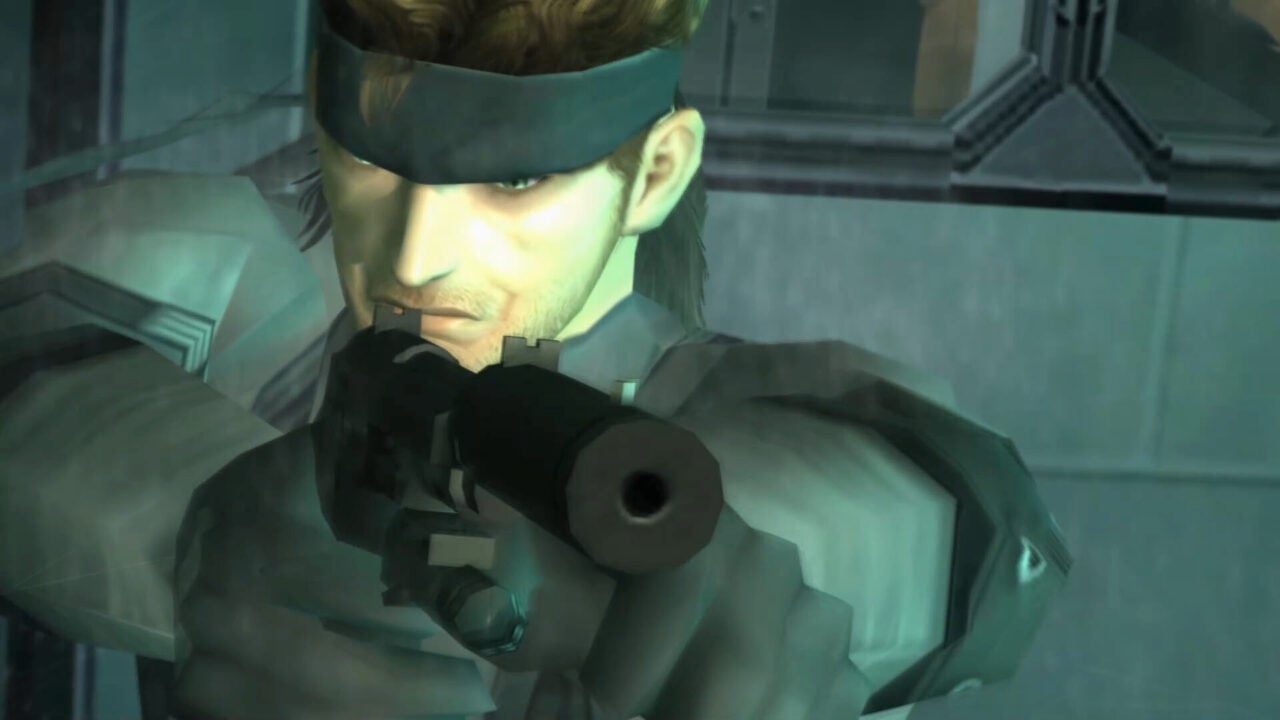
Kojima Compares Divisive New Film 'Digger' to MGS2's Prescient Vision
Gaming icon Hideo Kojima has praised the divisive 2026 film *Digger*, drawing intriguing parallels to his own prophetic game, *Metal Gear Solid 2*. Both works, he explains, uniquely explore the dangers of misinformation and a fragmented digital reality, anxieties he shares with *Digger*'s director, Alejandro González Iñárritu.

Ubisoft Proposes German Studio Workforce Reduction Amidst
Ubisoft is planning a voluntary departure program for about 100 employees across its Düsseldorf, Berlin, and Mainz studios in Germany. This move is part of a larger, ongoing cost-reduction and restructuring effort by the publisher, aiming to better position its studios for future projects.

TGS 2026: These Forward-Looking Cosplays Are Already Living in the
Tokyo Game Show 2026 showcased incredible cosplay, with many fans embodying characters from unreleased games like *Blast Blade* and *Mononoke No Kuni*. This gallery highlights the community's foresight, alongside debut *Palworld* cosplay and refreshed takes on classics. It’s a testament to the passion that brings gaming's future to life.
Beyond the Bugs: Conquering Studio Headaches in Indie Dev
This guide, part three in a series on running an indie studio, tackles the crucial but often overlooked aspect of dealing with non-development related issues. It introduces creating a shared 'studio backlog' for collective problems and using the IDS (Identify, Discuss, Solve) framework to address them constructively. The core message is to build powerful habits that keep studios from getting quietly derailed by lingering challenges.

Nvidia's RTX 5090 Reportedly Scrapped: Is AI Eating Our Flagship GPUs
Nvidia has reportedly halted production of the GeForce RTX 5090, with leaked factory notices suggesting its core chip will be repurposed for AI and data center cards. This move positions the RTX 5080 24GB as the new flagship gaming GPU in the 50-series. The decision is linked to an industry-wide memory shortage, heavily influenced by surging AI demand, impacting consumer tech across the board.