
Microsoft Reshuffles Copilot Leadership, Suleyman Shifts to Frontier
Microsoft is reorganizing its Copilot division, elevating former Snap executive Jacob Andreou to lead all consumer and commercial AI efforts. Mustafa Suleyman, Microsoft AI CEO, will now focus exclusively on superintelligence and frontier AI models. This aims to create a more integrated AI system and accelerate the shift to AI agents.

Microsoft has announced a significant reorganization of its Copilot division, unifying its consumer and commercial AI initiatives under Jacob Andreou, a former Snap executive. This strategic shift, revealed Tuesday by CEO Satya Nadella, also narrows the mandate of Microsoft AI leader Mustafa Suleyman, who will now exclusively concentrate on developing superintelligence and frontier AI models. The move aims to boost Copilot's market traction and integrate Microsoft's diverse AI offerings more effectively.
Andreou, who joined Microsoft last year from Snap, has been promoted to Executive Vice President of the newly combined Copilot group. In his elevated role, he will report directly to Nadella and oversee all aspects of Copilot's design, product development, growth, and engineering across both consumer and commercial segments. His leadership is central to Microsoft's ambition to transform Copilot from a collection of disparate products into a cohesive and powerful AI system.
Mustafa Suleyman, co-founder of DeepMind and former CEO of Inflection AI, will continue to report to Nadella but with a sharpened focus. His primary responsibility will now be to lead Microsoft's superintelligence efforts and the creation of cutting-edge frontier AI models. Microsoft had previously established a dedicated Superintelligence team under Suleyman in November 2025, and this restructuring solidifies his commitment to this critical long-term vision.
Strategic Vision and Market Context
CEO Satya Nadella underscored the strategic importance of this reorganization, stating it is how Microsoft will "move from a collection of great products to a truly integrated system, one that is simpler and more powerful for customers." This internal alignment is critical as the artificial intelligence industry undergoes a profound transformation. The focus is rapidly shifting beyond mere conversational chatbots, like those powered by large language models, towards more sophisticated AI agents designed to proactively take actions and fulfill tasks on behalf of users.
This aggressive internal realignment also reflects Microsoft's broader ambition in the highly competitive AI market. Despite significant investments and partnerships, including with OpenAI, Copilot's current market performance indicates room for growth. At its last reported count, Microsoft 365 Copilot had approximately 15 million paying users, which represents a modest 3% of the enterprise platform's total user base. Furthermore, estimates from Statcounter place Copilot with a low single-digit share of global AI chatbot usage, considerably behind industry leader ChatGPT, developed by Microsoft's key partner, OpenAI. The company is clearly aiming to leverage this structural change to accelerate Copilot's adoption and functionality.
New Leadership Structure and Executive Shifts
The restructuring introduces a new Copilot Leadership Team. This team will comprise Jacob Andreou and Mustafa Suleyman, alongside Ryan Roslansky, CEO of LinkedIn; Perry Clarke, who leads Microsoft 365 core infrastructure; and Charles Lamanna, overseeing business and industry Copilot. Roslansky, Clarke, and Lamanna had already transitioned to report directly to Nadella earlier this month, a move precipitated by the impending retirement of longtime Executive Vice President Rajesh Jha, who is concluding a distinguished 35-year career with the company.
Suleyman, addressing employees via email, affirmed that the restructuring provides him with the opportunity to commit "fully" to the company's ambitious superintelligence efforts. His stated goal is to spearhead the development of next-generation models over the coming five years that will not only dramatically enhance existing Microsoft products but also critically reduce the significant computational costs involved in running AI workloads at an enterprise scale. This dual strategy – consolidating and optimizing current Copilot experiences under Andreou while simultaneously pushing the boundaries of AI with superintelligence under Suleyman – highlights Microsoft's determination to establish enduring leadership in the artificial intelligence era. The company anticipates that this streamlined and specialized leadership will foster accelerated innovation and deliver a more cohesive, powerful, and cost-efficient AI experience across its extensive ecosystem.
FAQ
Q: What is the primary reason for Microsoft's Copilot reorganization? A: Microsoft is reorganizing Copilot to unify its consumer and commercial AI efforts, streamline its offerings into a more integrated system, and accelerate its transition from basic chatbots to proactive AI agents. This move also aims to boost Copilot's market share and user adoption.
Q: What are the new responsibilities for Jacob Andreou and Mustafa Suleyman? A: Jacob Andreou, formerly of Snap, has been elevated to Executive Vice President of the combined Copilot group, overseeing all design, product, growth, and engineering. Mustafa Suleyman, CEO of Microsoft AI, will now focus solely on building frontier AI models and leading the company's superintelligence initiatives.
Q: How does this reorganization relate to Microsoft's broader AI strategy? A: This restructuring is a strategic move to enhance Microsoft's competitiveness in the rapidly evolving AI landscape. By consolidating Copilot's product development under Andreou and dedicating Suleyman to advanced AI research, Microsoft aims to deliver more powerful, integrated, and cost-effective AI solutions, positioning itself for future leadership in superintelligence.
Related articles

Apple Unveils iPhone Duo: Pricey Foldable Sees Soaring Demand
Apple has officially entered the foldable smartphone arena with the long-anticipated launch of the iPhone Duo. Priced starting at a hefty $1,999, the device features a 5.4-inch outer display and a larger 7.6-inch inner

in-depth: Chicago-Area Cops Helped HSI Spy on Minnesota Anti-ICE
Chicago-area law enforcement, including local police and HSI agents, conducted undercover surveillance on Minnesota anti-ICE activists at an April 2, 2022, talk in Chicago. This operation was part of a federal conspiracy probe into 15 Minnesota activists facing felony charges related to immigration enforcement resistance. Civil liberties advocates have condemned the surveillance as a troubling intrusion into protected political activity.

Mark Wahlberg on using AI in film ‘the right way’ and being open to
Actor Mark Wahlberg believes AI has a place in filmmaking if used responsibly for enhancement, not script generation or actor replacement. At TechCrunch Disrupt, he expressed openness to an AI likeness carrying on his legacy, managed by his family, and emphasized storytelling.
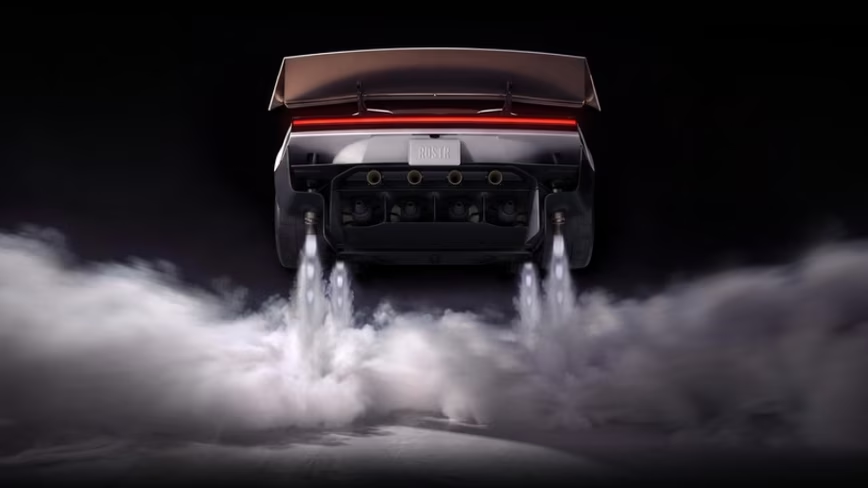
Tesla Unveils Thruster-Equipped Roadster, 2028 Production Targeted
Tesla has unveiled its second-generation Roadster, featuring cold-gas thrusters co-developed with SpaceX, enabling it to jump and flip. The electric sports car demonstrated 0-60mph in an astonishing 0.81 seconds, with production targeted for 2028. This highly anticipated reveal also serves as a key recruitment tool for Tesla's ambitious AI and robotics initiatives.

AI's Confidence vs. Formal Methods' Rigor: Design Flaws & Verification
While AI accelerates code generation, formal methods remain critical for ensuring system correctness. Languages like TLA+ and tools like Quint enable developers to model and verify system designs before coding, catching subtle flaws. Quint makes formal methods more accessible with developer-friendly syntax and executability. This approach is vital for verifying AI-generated code through trace validation and model-based testing, ensuring reliability against real-world data.
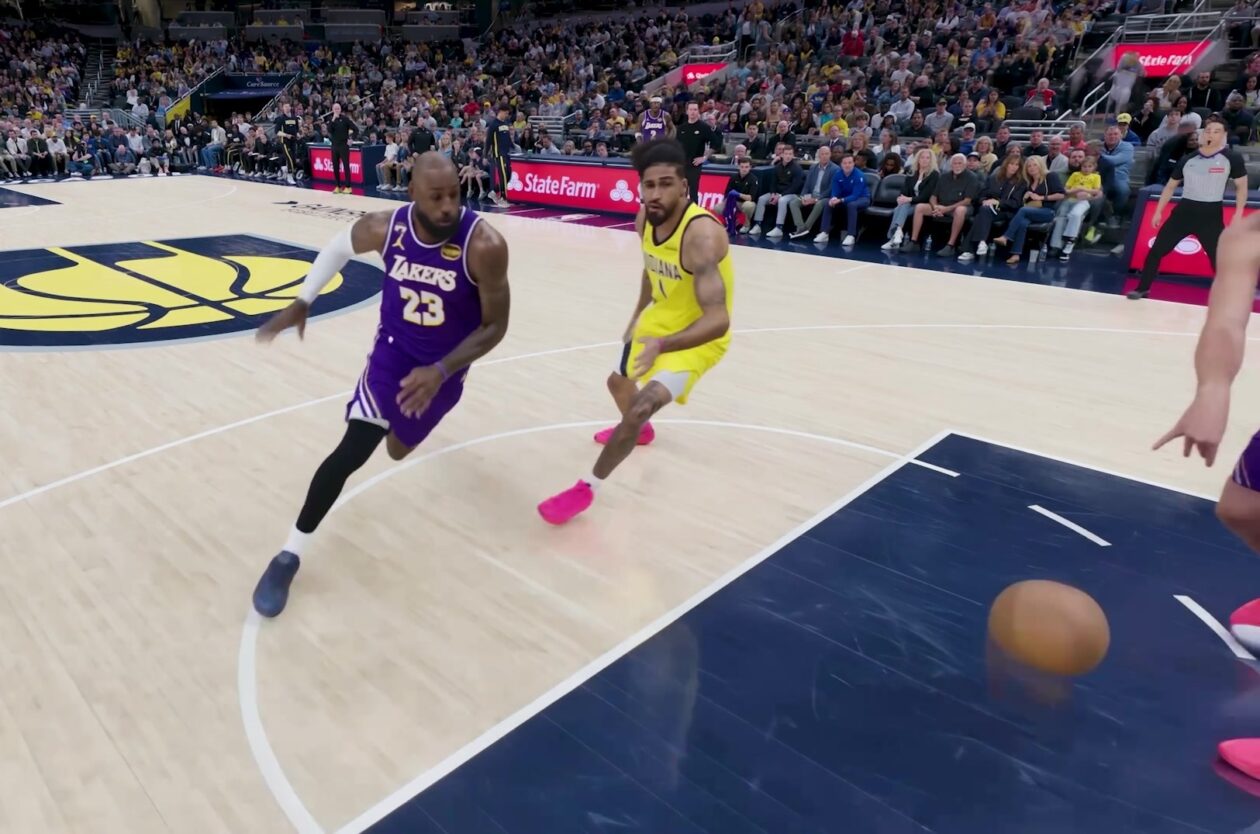
Amazon Prime Video Launches AI-Powered Prime 360 for NBA Coverage
Amazon Prime Video is elevating its NBA coverage with the introduction of Prime 360, an AI-powered replay system offering immersive, 'fly through' views of the action. Kicking off its second season, Prime Video also adds Yahoo fantasy integration and gains exclusive Eastern Conference Finals rights, expanding its tech-driven sports broadcast. The new features aim to deliver a unique and interactive viewing experience for basketball fans.