
Microsoft Comms Chief Frank Shaw Reflects on Nearly 3 Decades
Frank X. Shaw, Microsoft’s longtime communications chief, is departing at year-end after nearly three decades. In an exit interview, he reflected on working with Gates, Ballmer, and Nadella, admitted mistakes like the Kin phone launch, and shared lessons on dealing with reporters. Shaw also discussed the evolution of communications in the AI era and his plans for time off before his next move.
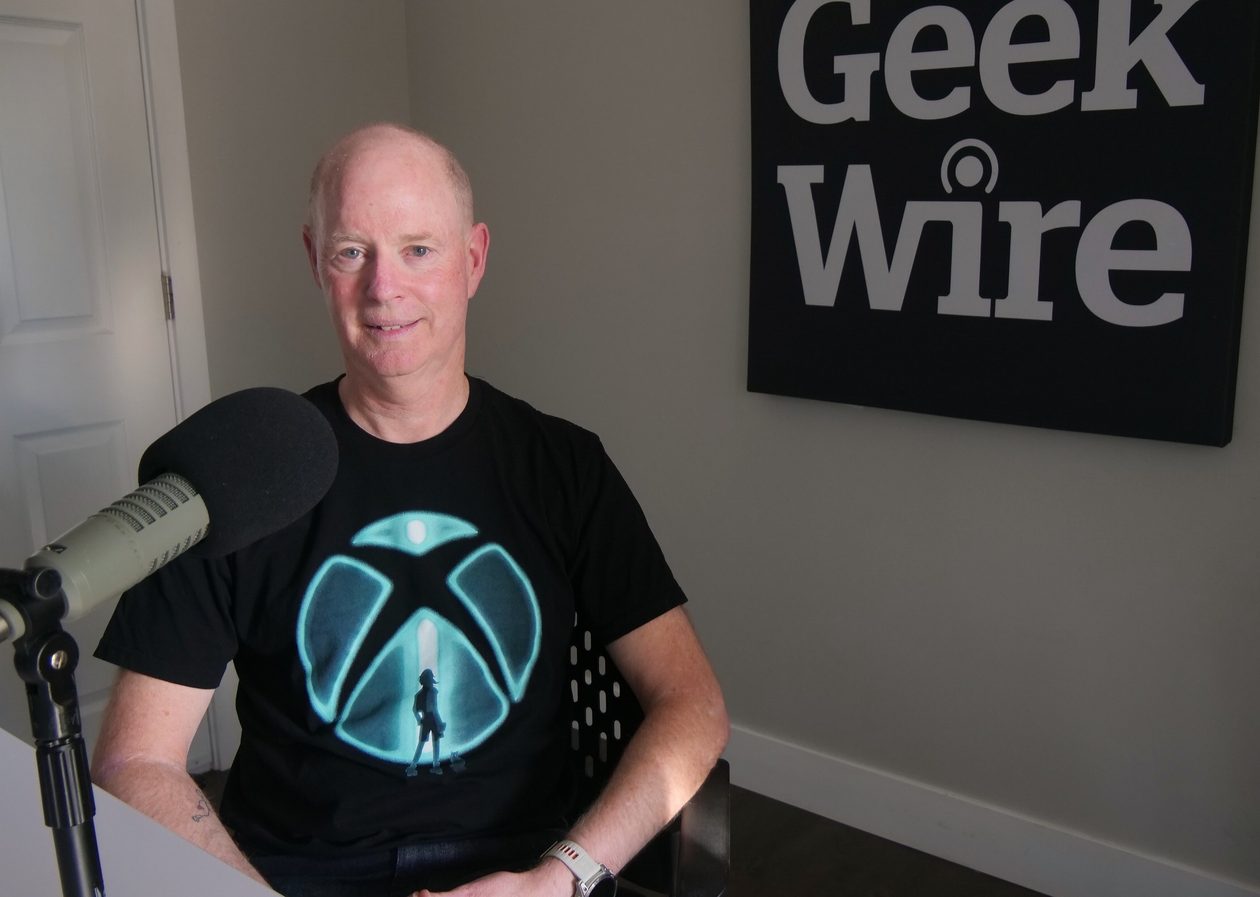
Frank X. Shaw, Microsoft's long-serving communications chief, is departing the tech giant at year-end after nearly three decades shaping its public image. In an exclusive exit interview on the GeekWire Podcast, published October 24, 2026, Shaw offered candid reflections on navigating Microsoft through pivotal moments, from antitrust battles to the rise of AI. Joined by veteran Microsoft reporter Mary Jo Foley, Shaw discussed his experiences working alongside Bill Gates, Steve Ballmer, and Satya Nadella, shared insights into past missteps, and detailed his evolving approach to media relations in a rapidly changing landscape.
Shaw, who announced his departure in September, provided a rare behind-the-scenes look at the complexities of corporate communications for one of the world's most influential companies. His tenure saw Microsoft transform under three distinct leadership styles, each presenting unique communication challenges.
Leading Through Change: CEOs and Hard Lessons
Reflecting on Microsoft’s three CEOs, Shaw noted their shared intensity, though expressed differently: Bill Gates with a "cuttingly intense" demeanor, Steve Ballmer with an "outwardly intense" presence often misunderstood by the public, and Satya Nadella exhibiting a "quietly intense" leadership. Ballmer, he explained, was often caricatured as a loud salesman, obscuring his thoughtful, detail-oriented nature and strategic decision to project a boisterous public role for the benefit of Microsoft’s sales force.
Shaw also emphasized the deceptive clarity of hindsight, particularly regarding significant leadership decisions. He cited the selection of Satya Nadella as CEO, now widely seen as an obvious choice, but at the time a complex decision with considerable internal debate and other candidates. “When you get a decision right, it always looks easy afterwards,” Shaw remarked, “If you get it wrong, you were just an idiot all along.”
Among his biggest regrets, Shaw pointed to the ill-fated Kin phone launch. Despite his personal doubts and similar concerns from engineers about its lateness and unexpected data plan cost, he remained silent when Ballmer sought opinions. Shaw now believes he should have framed his concerns as a potential brand risk, an angle that would have provided legitimate standing for a communications executive. The Kin was pulled within weeks, causing significant brand damage, particularly with its target younger audience.
Another miscalculation, according to Shaw, was underestimating the long-term impact of Vanity Fair's 2012 "lost decade" story. Although it garnered little immediate attention, its narrative proved "sticky" and influenced how reporters characterized Microsoft for years. He learned that factual disputes can be overcome, but changing narratives requires a fundamental shift in company behavior, as Microsoft later demonstrated by ending its controversial stack ranking system.
The Art of Storytelling and Reporter Relations
Shaw recounted a pivotal moment early in his career: a heated argument with then-Wall Street Journal reporter Rob Guth. Guth challenged Shaw's perception that his job was solely to secure positive stories, arguing that truly good stories are interesting, real, and reveal something authentic about the company, even if less flattering. While Shaw initially disagreed, he later conceded Guth was "exactly right," realizing that memorable coverage often involves tension and illuminates the company in a meaningful way, rather than merely reporting on uneventful successes.
This philosophy informed his approach to taking calculated risks with reporters. He cited The New Yorker's extensive piece on Microsoft's partnership with OpenAI as an example. Microsoft willingly cooperated, knowing the writer would speak to many sources and test various theories, making the outcome uncertain. The story, published amidst Sam Altman's brief ouster from OpenAI, ultimately captured Microsoft at a profoundly revealing juncture.
Regarding corrections, Shaw adheres to a "damaging vs. irritating" test. He only pursues factual errors that genuinely matter and cause damage, not just those an executive might dislike. He gave an example of an executive wanting to change the word "wooed" in a Bloomberg story, which Shaw deemed merely irritating, not factually incorrect or damaging.
Communications in the AI Era: Focus and Authenticity
A significant part of Shaw’s role involved ensuring a company as vast as Microsoft presented a coherent image to the world. He recalled a Seattle Times reporter receiving 26 Microsoft pitches in a single week, prompting the question of which ones truly mattered. This highlighted the need for Microsoft to strategically focus its messaging on three or four key priorities, rather than sending indiscriminate communications.
Regarding Microsoft’s recent internal memos pushing for more "building in public" and decentralized messaging, Shaw views it as a natural evolution. He embraces employees actively discussing products on platforms like LinkedIn, X, and Reddit, likening it to the past success of Channel 9 and MSDN blogs. However, he stressed the ongoing necessity for coordinated, impactful messaging during major events or launches, ensuring that "the world to know Microsoft had something to say today" on key occasions.
Shaw believes AI can be a valuable tool for spokespeople preparing for interviews, though it primarily generates "generic" questions. He noted that the best interviewers deliberately seek to surprise with unexpected inquiries. Preparing for interviews, he added, involves understanding a reporter's individual style—some, like Steven Levy, can lull interviewees before delivering sharp questions, while others may sound negative but write balanced stories.
Looking ahead, Shaw anticipates a shift in the AI era, moving attention away from constant model releases to focus on AI's practical usefulness. He sees this as Microsoft’s strength, offering an analogy: while AI model companies might drop a powerful new engine into businesses, Microsoft acts as the "clutch," enabling companies to absorb that power and integrate it smoothly without disruptive gear-grinding. He also stressed that in an increasingly transactional world, deep journalistic expertise remains invaluable, as public trust fundamentally rests on believing the person telling the story.
For his next chapter, Shaw plans to take time off and avoid rushing into any immediate decisions, despite suggestions of consulting, new communication roles, or board positions. Mary Jo Foley jokingly proposed he take on PR for OpenAI, to which Shaw offered a characteristically dry response: "That would be such a low-stress job."
FAQ
Q: What were some of Frank Shaw's biggest lessons learned from his time at Microsoft? A: Shaw learned the importance of speaking up when a decision could cause brand damage, even if outside his direct communication role, citing the Kin phone’s failure. He also realized the lasting impact of narratives, even from initially understated stories like Vanity Fair's "lost decade" piece, and the necessity of changing company behavior to shift public perception.
Q: How does Shaw define a "good" story from a communications perspective? A: Shaw learned that truly good stories are interesting and reveal something authentic and real about a company, rather than just being positive. He believes memorable coverage often involves an element of tension or conflict, illuminating an aspect of the company in a meaningful way, rather than merely reporting on uneventful successes.
Q: How does Shaw view the role of communications in the age of AI and "building in public"? A: Shaw sees value in employees sharing insights on social media for niche topics, considering it a natural evolution of past practices like MSDN blogs. However, he maintains that for major launches or events, strategic, focused, and coordinated messaging remains crucial to ensure Microsoft's key announcements break through the noise and are heard by the world.
Related articles

The Super Mouse puts a touchscreen macro pad under your hand: Tech
Arctic Fox Technologies has launched the Super Mouse, an innovative peripheral featuring a 3.1-inch touchscreen for dynamic app controls, macros, and enhanced productivity. Available on Kickstarter for $199, this wired mouse aims to consolidate multiple desktop devices into one intuitive command center. Its contextual display and advanced features redefine user interaction.

Nvidia Backs Indian Startup to Boost AI Efficiency with Fewer GPUs
Nvidia has backed Indian startup Simplismart in a $14 million Series B round. Simplismart's software helps companies run AI models efficiently, often requiring fewer GPUs, addressing the strain on computing capacity. This investment highlights a strategic focus on AI inference optimization.
in-depth: AI Agents Are Media’s New Favorite Audience: in-depth — Key
In a significant pivot for the media industry, some leading publishers are now looking beyond human readers, actively seeking to cultivate and monetize artificial intelligence (AI) agents as a primary audience. This

Volunteers Mobilize Nationwide with Tech to Counter ICE at Polls
In a significant demonstration of civic readiness, massive groups of volunteers across the United States are organizing to respond should federal immigration agents appear at polling stations on the upcoming Election
AI Optimism Meets Backlash at Seattle AI Week Kickoff
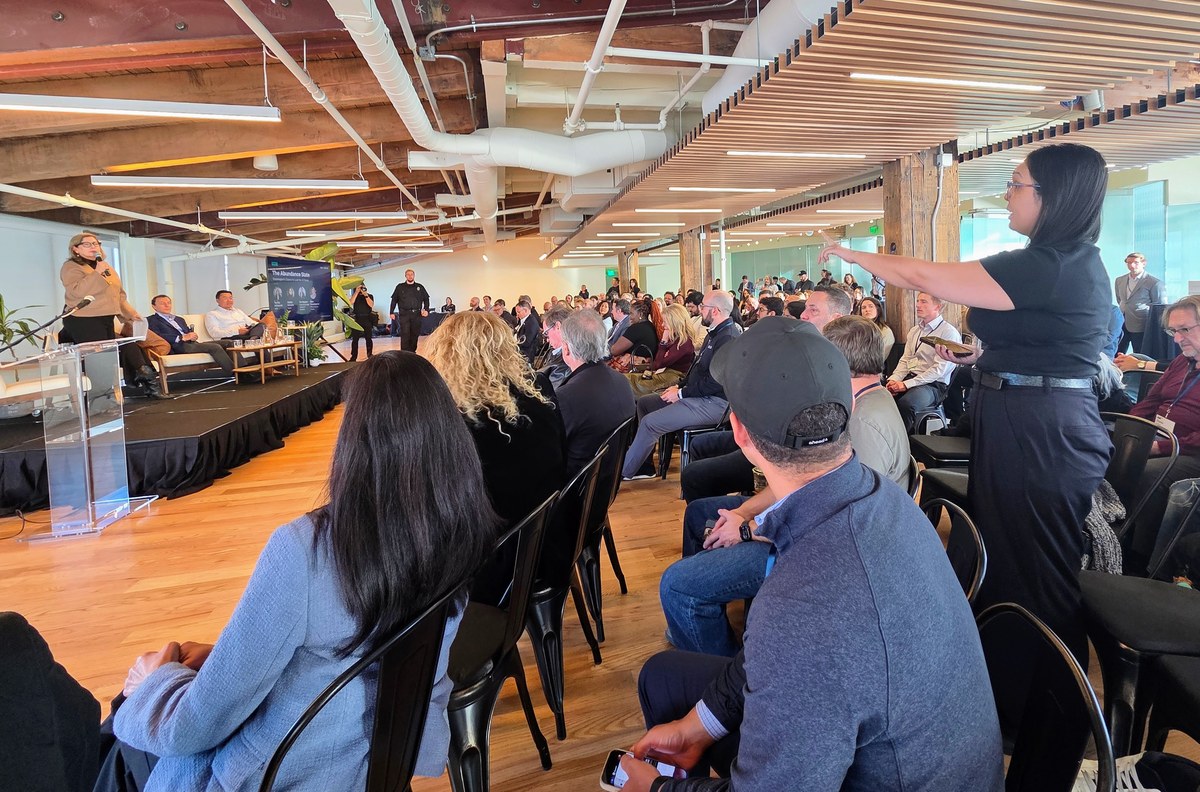
Seattle AI Week kicked off Monday amidst a striking display of both technological optimism and fervent protest, as climate activists disrupted the event to condemn the rapid expansion of data centers. While tech and
Xbox Series X PC Build: Still Pricier Than Console, But Closer Than
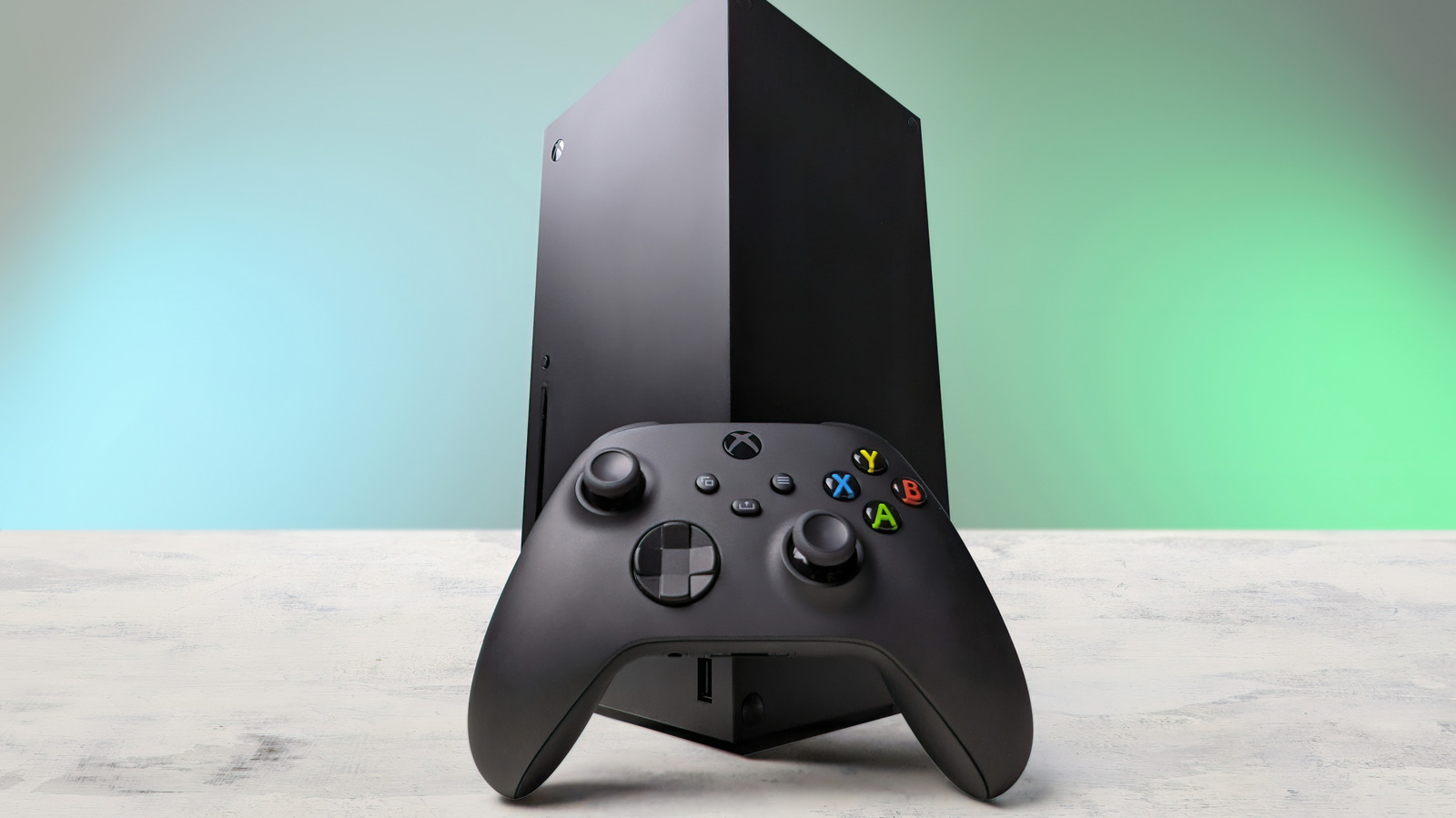
For years, the question has persisted: Can you build a PC with performance comparable to Microsoft's Xbox Series X without breaking the bank? The answer, as explored in a recent Engadget analysis, remains nuanced but