
Meta Sheds 168 Washington State Jobs Amidst Ongoing Restructuring
Meta is cutting 168 positions in Washington state, predominantly impacting its Reality Labs division across Seattle, Redmond, and Bellevue. These layoffs, effective May 8, are part of a broader company-wide restructuring and follow previous reductions as Meta emphasizes efficiency and AI integration.

Meta is initiating another round of significant layoffs, impacting 168 employees across its Washington state operations, according to recent disclosures. These job cuts primarily target individuals in its virtual and augmented reality division, Reality Labs, and are set to commence on May 8. The move underscores Meta's ongoing efforts to streamline operations and reallocate resources amidst a broader national workforce reduction.
Details of the Latest Cuts
The affected employees are spread across Meta's major Puget Sound offices in Seattle, Redmond, and Bellevue, with an additional 39 roles working remotely within the state also being eliminated. The layoffs span a range of critical functions, including engineering, product management, managerial positions, and recruiting roles, indicating a comprehensive strategic realignment within the tech giant.
Company's Stance on Restructuring
A Meta spokesperson confirmed the restructuring, stating, "Teams across Meta regularly restructure or implement changes to ensure they’re in the best position to achieve their goals." The company also indicated an intent to find alternative opportunities for some impacted employees, reflecting a common approach during such organizational shifts.
A Pattern of Workforce Reductions
This latest wave of layoffs is not an isolated incident but rather a continuation of Meta's substantial workforce adjustments over the past year. In January, the Facebook parent company announced cuts affecting 331 employees in Washington, specifically within its Reality Labs division. Prior to that, in October, more than 100 state-based employees were let go as part of broader layoffs in Meta's artificial intelligence (AI) division. Washington state remains one of Meta's most vital engineering hubs outside its California headquarters.
Driving Efficiency with AI Integration
The repeated workforce reductions coincide with a noticeable surge in Meta's operational efficiency. Reports from Axios highlight an impressive 85% increase in Meta's average revenue per employee over the last three years. This significant productivity gain is attributed to a combination of strategic workforce scaling and the escalating integration of artificial intelligence across the company's various platforms and operations.
Executive Compensation Draws Scrutiny
The timing of these layoffs has also drawn attention due to a separate development concerning executive compensation. The New York Times recently reported that these job cuts coincided with the unveiling of a new stock program designed for six of Meta's top executives. This program potentially offers these executives up to $921 million each over the next five years, a detail that has sparked discussion regarding the company's priorities during periods of workforce reduction.
Implications for Reality Labs and Beyond
The consistent targeting of the Reality Labs division in these layoffs suggests a strategic re-evaluation or re-prioritization of Meta's ambitious metaverse initiatives. While Meta remains committed to its long-term vision for virtual and augmented reality, these reductions could indicate a shift in development focus, a consolidation of projects, or a more rigorous approach to return on investment for its hardware and software ventures. The company continues to navigate the complex and costly path of developing advanced wearable devices and immersive digital experiences.
Meta's actions reflect a broader trend within the tech industry, where companies are increasingly seeking to optimize their workforces, often leveraging AI advancements to enhance productivity. As technological landscapes evolve rapidly, companies like Meta are under constant pressure to adapt their organizational structures to remain competitive and financially robust.
Conclusion
The recent layoffs at Meta's Washington state offices underscore a continuing corporate strategy centered on efficiency and focused investment. While painful for the individuals affected, these moves are presented by Meta as essential for aligning its workforce with evolving strategic goals, particularly in key areas like Reality Labs and AI. The balance between aggressive cost-cutting, productivity gains, and executive incentives remains a central theme in the ongoing narrative of the tech industry's transformation.
FAQ
Q: How many Meta employees are affected in Washington state by this latest round of layoffs?
A: This latest round of layoffs by Meta will impact 168 employees in Washington state.
Q: Which Meta division is most affected by these recent job cuts?
A: The Reality Labs division, which focuses on virtual and augmented reality hardware and software, is particularly hard hit by these layoffs.
Q: When will these Meta layoffs take effect?
A: The layoffs are scheduled to take place starting on May 8.
Related articles

Apple Unveils iPhone Duo: Pricey Foldable Sees Soaring Demand
Apple has officially entered the foldable smartphone arena with the long-anticipated launch of the iPhone Duo. Priced starting at a hefty $1,999, the device features a 5.4-inch outer display and a larger 7.6-inch inner

in-depth: Chicago-Area Cops Helped HSI Spy on Minnesota Anti-ICE
Chicago-area law enforcement, including local police and HSI agents, conducted undercover surveillance on Minnesota anti-ICE activists at an April 2, 2022, talk in Chicago. This operation was part of a federal conspiracy probe into 15 Minnesota activists facing felony charges related to immigration enforcement resistance. Civil liberties advocates have condemned the surveillance as a troubling intrusion into protected political activity.

Mark Wahlberg on using AI in film ‘the right way’ and being open to
Actor Mark Wahlberg believes AI has a place in filmmaking if used responsibly for enhancement, not script generation or actor replacement. At TechCrunch Disrupt, he expressed openness to an AI likeness carrying on his legacy, managed by his family, and emphasized storytelling.

Tesla Unveils Thruster-Equipped Roadster, 2028 Production Targeted
Tesla has unveiled its second-generation Roadster, featuring cold-gas thrusters co-developed with SpaceX, enabling it to jump and flip. The electric sports car demonstrated 0-60mph in an astonishing 0.81 seconds, with production targeted for 2028. This highly anticipated reveal also serves as a key recruitment tool for Tesla's ambitious AI and robotics initiatives.
Amazon Prime Video Launches AI-Powered Prime 360 for NBA Coverage
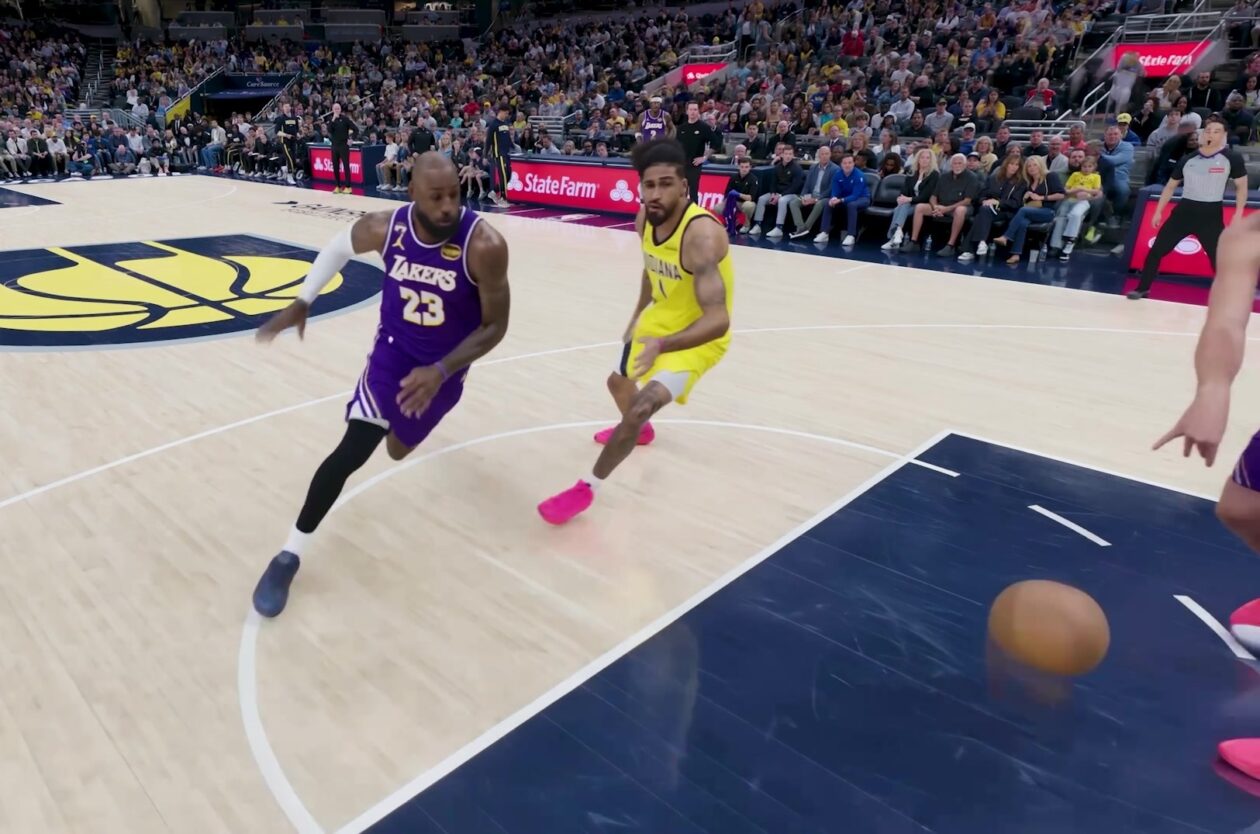
Amazon Prime Video is elevating its NBA coverage with the introduction of Prime 360, an AI-powered replay system offering immersive, 'fly through' views of the action. Kicking off its second season, Prime Video also adds Yahoo fantasy integration and gains exclusive Eastern Conference Finals rights, expanding its tech-driven sports broadcast. The new features aim to deliver a unique and interactive viewing experience for basketball fans.
regional: A two-person Seattle startup lands $1M to reinvent
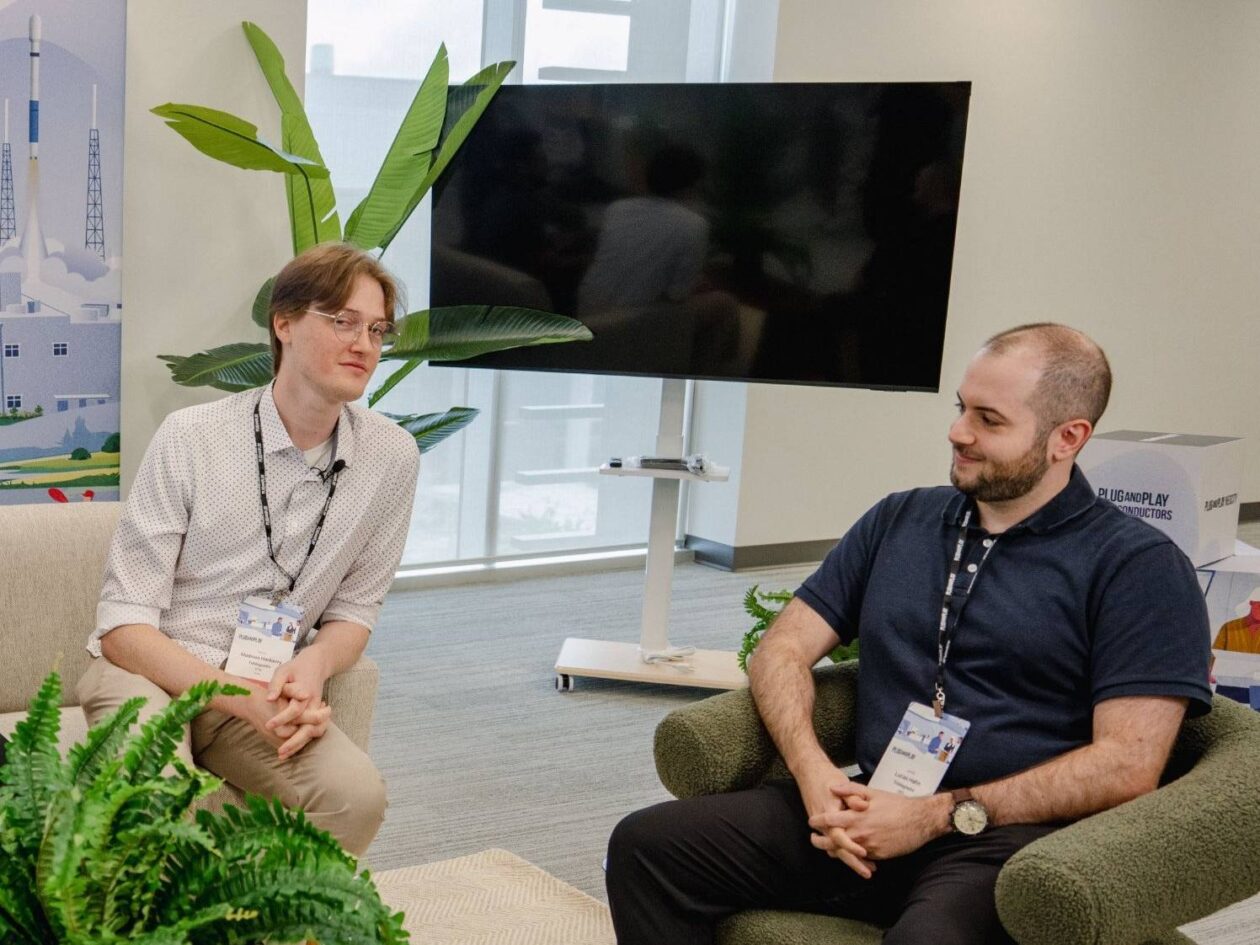
Seattle startup TriMagnetix has secured $1 million to develop semiconductor chips that consume 800 times less energy and are radiation-resistant. The two-person company, leveraging nanomagnetic technology, is targeting space applications and data centers. With new funding and key partnerships, TriMagnetix aims for commercial sales within a year.