
Maverick AI Pro Smart Glasses Review: Eye-Tracking on a Budget
Quick Verdict The Everysight Maverick AI Pro smart glasses present an intriguing proposition: bringing advanced eye-tracking technology, previously associated with high-end devices like the Apple Vision Pro, to a much
Quick Verdict
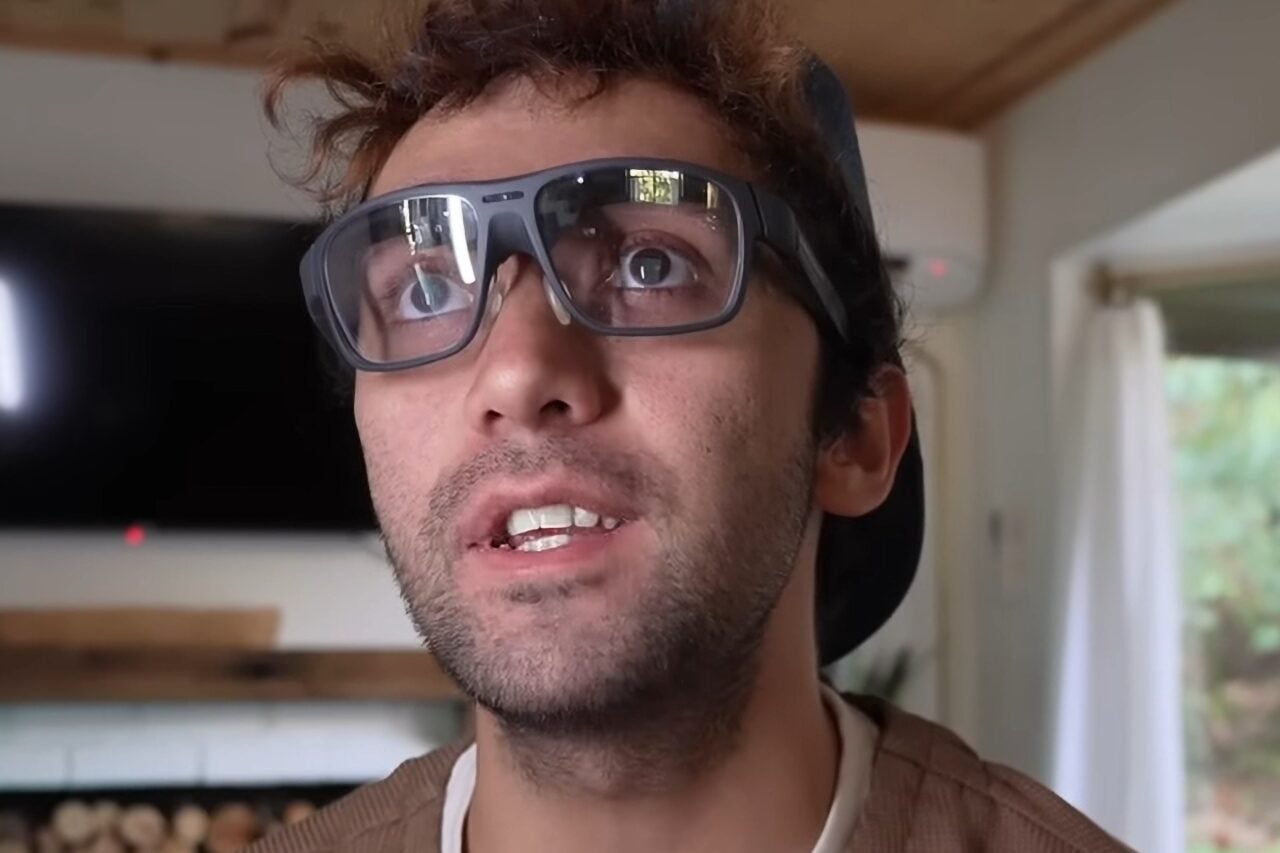
The Everysight Maverick AI Pro smart glasses present an intriguing proposition: bringing advanced eye-tracking technology, previously associated with high-end devices like the Apple Vision Pro, to a much more accessible price point. Boasting a full-color OLED display, a remarkably light 47g design, and an eight-hour battery life, these glasses are packed with features. While the real-world performance of its eye tracking and other functions remains to be seen upon launch, the Maverick AI Pro could be a compelling option for early adopters and sports enthusiasts looking for sophisticated wearable tech without the premium price tag. However, as with any crowdfunding project, potential buyers should be mindful of inherent risks and the wait until August for shipment.
Introduction: Eye Tracking for Everyone?
For years, smart glasses have grappled with the fundamental challenge of intuitive control. We’ve witnessed a diverse range of input methods, from the familiar taps and swipes on the temples to sophisticated AI voice commands and even novel approaches like touch-sensitive smart rings. Yet, one particularly advanced method – eye tracking – has remained largely absent from mainstream smart glasses, confined to the realm of more powerful and expensive devices like Apple's Vision Pro. Until now.
The Everysight Maverick AI Pro, recently unveiled, breaks this mold by integrating on-device eye tracking. This innovative feature utilizes a camera to monitor subtle eye movements, translating them into direct inputs for controlling the glasses. This move is significant, potentially democratizing a premium interaction method and ushering in a new era of hands-free control for everyday wearables. While early demonstrations are promising, the true test will be how seamlessly and reliably this technology performs in real-world scenarios.
Design, Features, and User Experience – What to Expect
Beyond its headline eye-tracking capability, the Maverick AI Pro boasts a surprisingly robust set of specifications for its class. At its core is a full-color OLED display, which, while monocular (visible in only one eye), can project a substantial 130-inch virtual screen. This is a considerable feat, offering a broad visual canvas for navigation, applications, and other interactive content.
Perhaps one of the most striking design aspects is its featherlight construction. Weighing in at just 47g, the Maverick AI Pro somehow manages to be 2g lighter than the Ray-Ban Meta AI glasses, which notably lack a display. This significant weight advantage could be a game-changer for extended wear, making the glasses feel less intrusive and more like traditional eyewear. Achieving this low weight while incorporating a display, camera, and the necessary processing for eye tracking and other features is a testament to Everysight's engineering.
Battery life is also respectable, offering up to eight hours on a single charge. This should comfortably cover most daily use cases, from navigating your commute to a round of golf. Speaking of which, the Maverick AI Pro goes beyond the typical smart glass features by including sports-focused applications. Demos highlight its ability to assist golfers by using its camera to deliver metrics on swings and other performance statistics – a unique selling point that caters to a niche but dedicated audience.
Standard smart glass functionalities are also present, including navigation, real-time translation, and computer vision capable of identifying objects in your surroundings. These are features we've come to expect from advanced wearables, and their inclusion here rounds out a comprehensive offering.
While the prospect of eye tracking for control is exciting, the crucial question of its actual effectiveness remains. The source material references early demos, which look promising, but a hands-on assessment will be vital to confirm its accuracy and responsiveness. A seamless, non-aggravating control experience is paramount for any wearable, and especially for a technology as subtle as eye tracking.
Privacy, often a concern with smart glasses equipped with cameras, is a general challenge acknowledged by the source. While the Maverick AI Pro's specific privacy features aren't detailed, it's a factor prospective buyers should consider when evaluating any device with an always-on camera and data processing capabilities.
A Closer Look: Specs and Price
Let's break down the core specifications and pricing structure for the Maverick AI Pro:
- Input Method: Eye tracking (first smart glasses to feature this), combined with an on-device camera that follows eye movements.
- Display: Full-color OLED, monocular, projecting a 130-inch virtual screen.
- Camera: Integrated.
- Battery Life: 8 hours.
- Weight: 47g.
- Core Features: Navigation, translation, computer vision (object identification), sports-focused apps (e.g., golf swing metrics).
- Price (Maverick AI Pro with Eye Tracking):
- Early Bird: $359
- MSRP: $599
- Price (Maverick AI without Eye Tracking):
- Early Bird: $299
- MSRP: $499
- Availability: Crowdfunding opens March 31, shipping expected August of this year.
Comparison with Alternatives
To better understand where the Maverick AI Pro stands, it’s helpful to compare it to other notable devices in the smart eyewear landscape. While a direct apples-to-apples comparison is difficult due to varying product categories and price points, key features allow for an insightful look.
| Feature | Everysight Maverick AI Pro | Ray-Ban Meta AI Glasses | Apple Vision Pro |
|---|---|---|---|
| Eye Tracking | Yes (primary input) | No | Yes (core input, with hand tracking) |
| Display | Full-color OLED (monocular, 130-inch virtual) | No (camera only) | Full-color micro-OLED (spatial computing) |
| Weight | 47g | 49g | Significantly heavier (VR headset) |
| Battery Life | 8 hours | Not specified in source | ~2-2.5 hours (external battery) |
| Primary Input | Eye tracking | Taps/swipes, AI voice | Eye tracking, hand tracking |
| Price (approx.) | $359 (early bird), $599 (MSRP) | "Cheaper than Meta's high-end frames" (Exact price not specified for comparison) | ~$3,499 |
| Launch Status | Crowdfunding, shipping Aug | Available | Available |
| Key Differentiator | First eye-tracking smart glasses at this price/weight | Fashionable, social sharing, discreet | High-end spatial computer, immersive |
From this comparison, the Maverick AI Pro clearly distinguishes itself by offering eye tracking at a fraction of the Vision Pro's cost and within a significantly lighter, more traditional glasses form factor. Its weight advantage over even screen-less competitors like the Ray-Ban Meta AI glasses is particularly impressive, suggesting a comfortable wear experience. While it doesn't aim for the immersive spatial computing of the Vision Pro, it carves out a niche for practical, everyday smart glass utility with advanced control.
Pros and Cons
Pros:
- Groundbreaking Eye Tracking: The inclusion of eye tracking at this price point is a major step forward for smart glasses, potentially offering a highly intuitive control method.
- Incredibly Lightweight: At just 47g, it’s lighter than some smart glasses without a screen, promising excellent comfort for prolonged use.
- Impressive Display: A full-color OLED display capable of projecting a 130-inch virtual screen in such a compact form factor is a significant achievement.
- Solid Battery Life: Eight hours of battery life is competitive and should suffice for most daily activities.
- Unique Sports Integration: Dedicated sports apps, especially for golf, offer a compelling use case not commonly found in general-purpose smart glasses.
- Affordable Pricing: With an early bird price of $359, it makes advanced smart glass technology much more accessible compared to high-end alternatives.
Cons:
- Unconfirmed Eye Tracking Performance: While demos look promising, the real-world reliability and accuracy of the eye tracking system are yet to be independently verified through hands-on reviews.
- Monocular Display: The display is in only one eye, which might not be ideal for all users or applications that benefit from a dual-eye, immersive experience.
- Crowdfunding Risks: As a crowdfunding project, there are inherent risks regarding final product quality, potential delays in shipment (expected August), or even project cancellation.
- Limited Availability: Buyers will need to wait until August for shipping, meaning it's not an immediate purchase.
- Privacy Concerns: Like all camera-equipped smart glasses, potential privacy implications for both the user and those around them exist, which the source content does not elaborate on for this specific product.
Buying Recommendation
The Everysight Maverick AI Pro smart glasses present a compelling, albeit early-stage, entry into the smart eyewear market. If you're an early adopter fascinated by cutting-edge technology and eager to experience eye-tracking control without the astronomical price tag of a Vision Pro, the Maverick AI Pro offers an exciting opportunity. Its incredibly light design and robust feature set, particularly the unique sports integration, make it an attractive option for those looking to enhance their daily life or athletic pursuits with smart tech.
However, it's crucial to approach this with realistic expectations. The performance of the eye tracking is still largely unproven in general use, and as a crowdfunding product, there are always inherent risks. If you prioritize immediate availability, proven reliability, or a dual-eye display, it might be worth waiting for more comprehensive reviews or considering other established (though possibly less feature-rich or more expensive) alternatives. For those willing to take a calculated leap of faith, the Maverick AI Pro could be a glimpse into the future of accessible, intuitive smart glasses.
FAQ
Q: When will the Everysight Maverick AI Pro be available for purchase and shipping?
A: Crowdfunding for the Maverick AI Pro opens on March 31st, and Everysight expects to ship the smart glasses in August of this year.
Q: How much do the Maverick AI Pro smart glasses cost?
A: The Maverick AI Pro will have an early bird price of $359 during its crowdfunding phase, with a planned Manufacturer's Suggested Retail Price (MSRP) of $599.
Q: What is the main difference between the Maverick AI Pro and the standard Maverick AI?
A: The primary distinction is that the Maverick AI Pro includes the advanced eye-tracking feature, while the standard Maverick AI (which will be cheaper at an early bird price of $299 and MSRP of $499) does not. Both models share other core features like the full-color OLED display, camera, and battery life.
Related articles

Apple Unveils iPhone Duo: Pricey Foldable Sees Soaring Demand
Apple has officially entered the foldable smartphone arena with the long-anticipated launch of the iPhone Duo. Priced starting at a hefty $1,999, the device features a 5.4-inch outer display and a larger 7.6-inch inner
Android 17 QPR2 Beta 7.1: The Performance Relief You've Been Waiting
Android 17 QPR2 Beta 7.1: Finally Fixing the QPR1 Performance Woes Verdict: Android 17 QPR2 Beta 7.1 is a crucial and highly anticipated software update for Google Pixel users, specifically targeting and resolving the

DJI Solo Video Setups: Smart Choices for Lone Creators
This review delves into DJI's recommended solo video setups, highlighting the Osmo Pocket 3 Creator Combo as a top pick for its integrated camera, gimbal, and mic. It also covers stabilizers like the Osmo Mobile 8 and RS 4, and the DJI Mic Mini series for enhanced audio, providing honest pros, cons, and clear buying advice.
Ars Technica's Rocket Report: Your Essential Space Industry Briefing
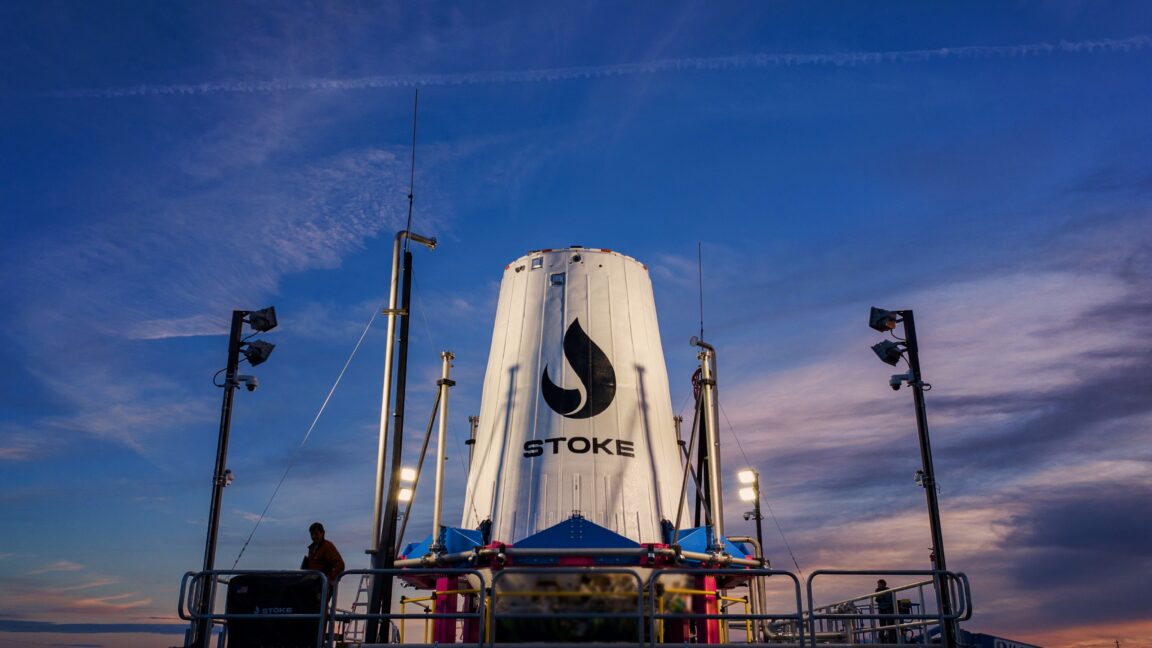
Quick Verdict Ars Technica's Rocket Report, presented by veteran space reporter Stephen Clark, offers an invaluable and meticulously organized weekly (or similar frequency, implied by "Edition 9.15") digest of the most
Apple iPhone Duo: A Daring Debut with Notable Compromises
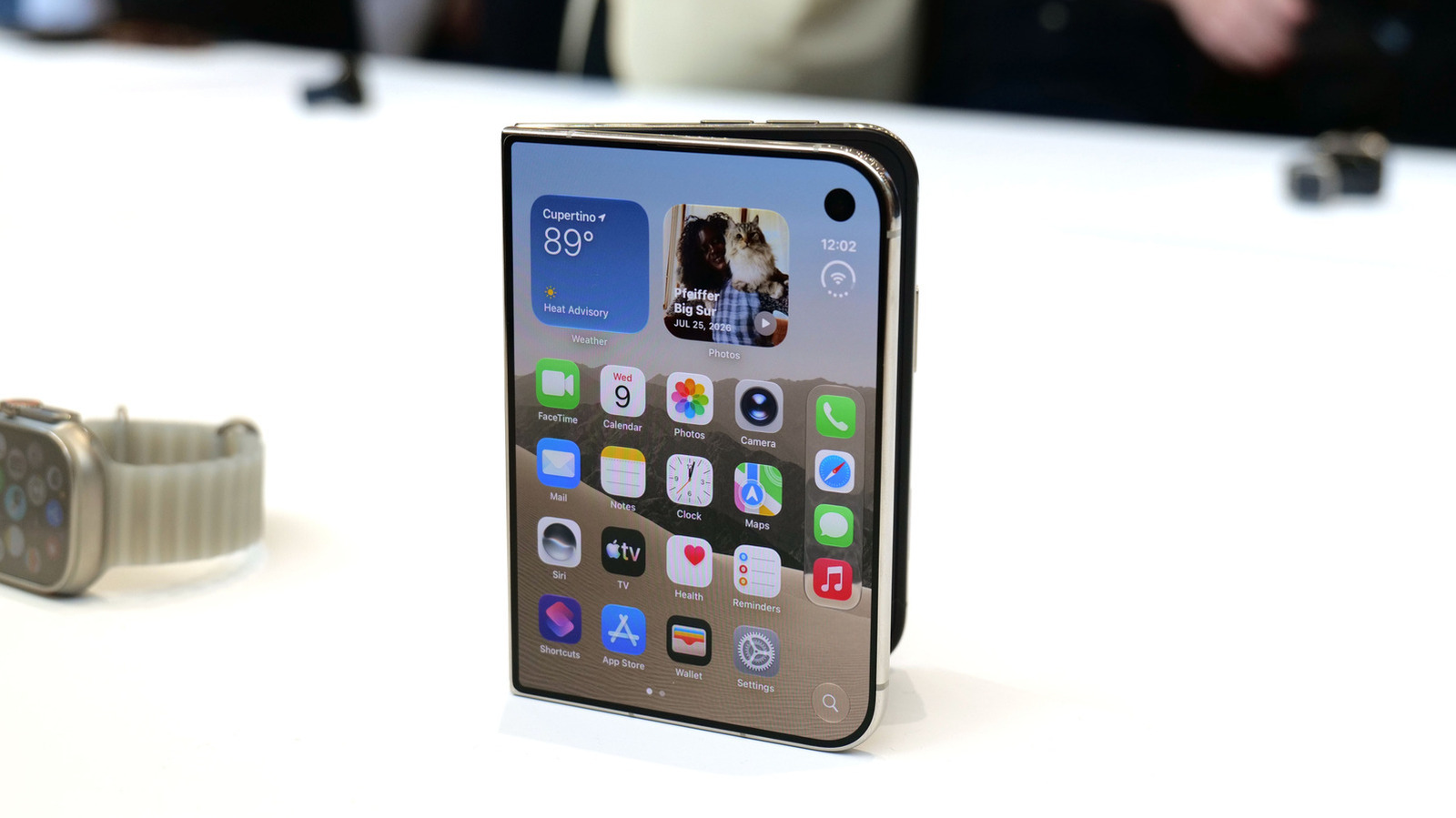
Apple's highly anticipated iPhone Duo, priced at $2,000, has gone on pre-order. While hailed as "Apple's most exciting device in a decade" for its innovative foldable design and immersive display, it comes with significant drawbacks like the absence of FaceID and a premium camera.
KDE Plasma 6.8: A Future-Focused 30th Anniversary Update
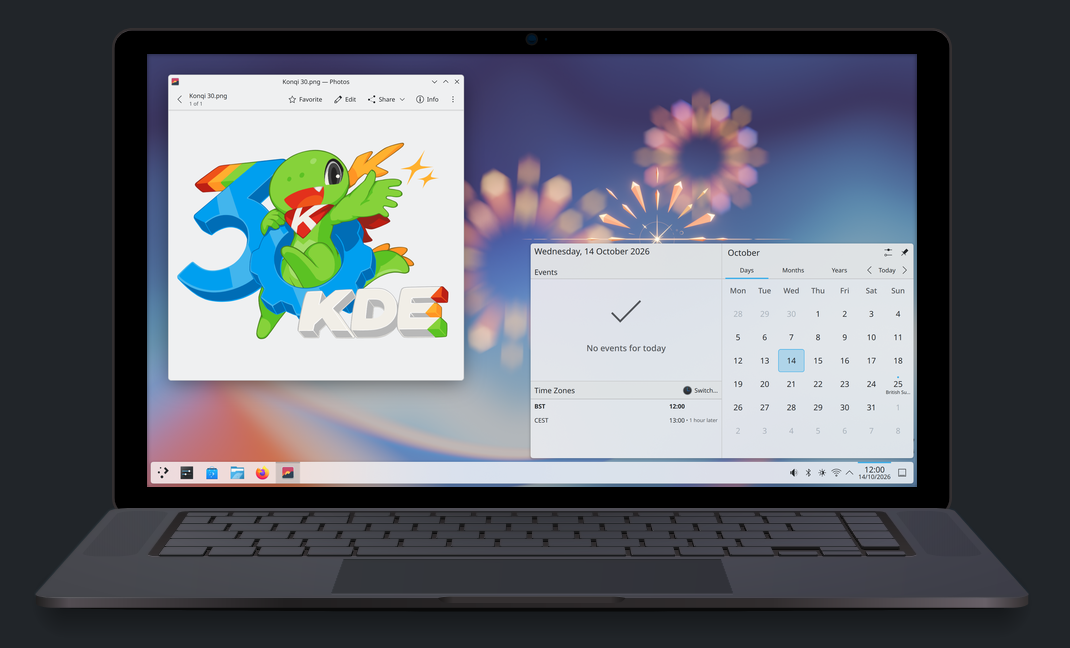
Quick Verdict KDE Plasma 6.8, arriving as the "30th Anniversary Edition," is a pivotal release that decisively pushes the desktop environment into the future. With a definitive farewell to native X11 sessions and a