
Logitech Tariff Refund Lawsuit: A Consumer's Perspective
An in-depth look at the proposed class action lawsuit against Logitech, demanding the company refund customers for tariff-driven price increases after receiving government refunds, highlighting consumer impact and corporate responsibility.
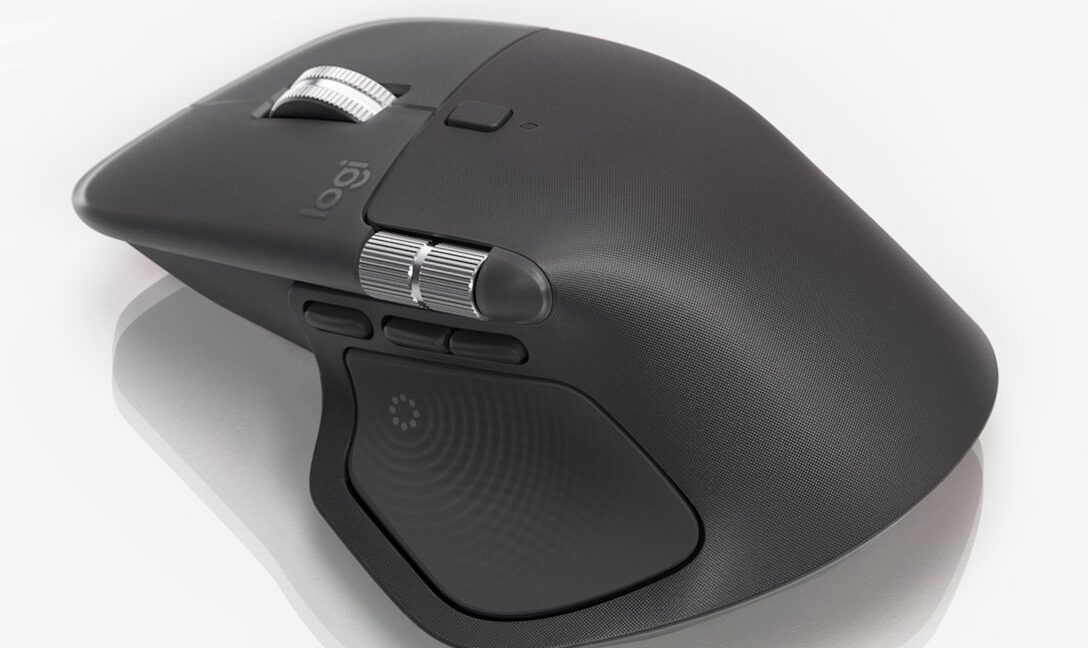
Verdict: Logitech Faces Scrutiny Over Tariff Refunds
Logitech is currently embroiled in a proposed class action lawsuit that could significantly impact how tech companies handle unexpected tariff reversals. At its core, the lawsuit demands that Logitech refund customers for price increases implemented to offset import tariffs, which were later declared unlawful by the Supreme Court. The company has already received a substantial $61 million in tariff refunds from the government, yet customers who bore the initial price hikes have seen no corresponding compensation. This situation raises serious questions about corporate responsibility, consumer fairness, and transparency in pricing. For the everyday consumer, it highlights a potential disconnect between corporate financial gains and direct customer compensation, especially when the underlying reason for price increases is nullified.
The Anatomy of a Lawsuit: Tariffs, Profits, and the Public
In April 2025, Logitech increased prices on over half of its product portfolio, with some items seeing price hikes as steep as 25 percent. These increases were explicitly linked to tariffs imposed under the International Emergency Economic Powers Act (IEEPA). The complaint filed by SJK Development and Ala Awadalla in California alleges that Logitech executives, in calls with investors, acknowledged that these price adjustments were intended to offset the financial impact of the tariffs. In fact, Logitech's CFO, Matteo Anversa, noted that these price actions contributed to the company achieving its "highest level of profitability in the history of the company outside of the COVID peak" in fiscal Q4 2026.
The critical turning point arrived in February 2026 when the United States Supreme Court ruled that the IEEPA tariffs were illegally imposed. This ruling initiated a refund process for companies that paid the tariffs. Logitech subsequently received $61 million in refunds from the federal government, with $15 million in fiscal Q1 2027 and an additional $46 million after the quarter ended. The lawsuit argues that Logitech has been "enriched twice over at its customers’ expense" – first by the inflated prices paid by consumers, and second by the government's refund of the very duties those overcharges were meant to cover. The plaintiffs assert that had Logitech not raised prices due to the unlawful tariffs, they would have paid less for their products and have yet to receive any form of refund or credit.
The Customer's Experience: Unseen Hikes, Unrepaid Trust
From a consumer's perspective, the situation with Logitech presents a challenging user experience, not in terms of product functionality, but in terms of perceived fairness and transparency. Logitech did not make a public announcement about these price increases, leaving customers to absorb the additional costs without explicit notification of their tariff-related justification. For individuals and businesses that purchased Logitech products, such as the MX Master 4 mouse mentioned in the complaint, during this period, they effectively paid a premium that Logitech now appears to have recouped from the government.
The core of the complaint emphasizes that customers "received no refund, credit, or other compensation from Logitech corresponding to the tariff component of the price" they paid. This absence of proactive customer refunds or even a public statement about how the company plans to address the situation creates a sense of neglect for its user base. While companies are within their rights to adjust pricing, the subsequent invalidation of the reason for the increase, coupled with a government refund, leads to expectations of consumer restitution.
Logitech's Silence and Industry Parallels
Logitech has not responded to requests for comment from Ars Technica regarding the lawsuit, maintaining a public silence on the matter. This lack of communication can further erode consumer trust, especially when compared to the transparent communication expected in the tech industry. The lawsuit seeks a declaratory judgment that Logitech must hand IEEPA tariff refund proceeds over to its customers, potentially setting a precedent for future similar situations.
Interestingly, Logitech is not alone in facing such legal challenges. Several other prominent tech and retail companies are grappling with similar lawsuits over tariff refunds. The responses from these companies vary, highlighting different legal strategies:
| Company | Product/Service Affected | Stance/Argument Cited in Source |
|---|---|---|
| Logitech | Various (e.g., mice) | No public comment; lawsuit alleges "double enrichment" by retaining customer payments and government refunds. |
| Microsoft | Xbox | Facing accusations over tariff costs and refunds. |
| Nintendo | Various | Argued customers "received exactly what they paid for" and that retaining refunds is not "unjust"; filed motion to compel arbitration. |
| Sony | PlayStation consoles | Facing a class action lawsuit over tariff refunds. |
| Costco | Various | Sued for seeking refunds on tariffs customers paid. |
Nintendo's argument, in particular, illustrates the legal complexities: the company claims customers have no legal right to tariff refunds and that their end-user license agreement (EULA) has arbitration provisions. It is possible Logitech could pursue a similar strategy, given that its EULA also contains arbitration clauses. This legal maneuver aims to prevent class action lawsuits, pushing disputes into individual arbitration, which can be less favorable for consumers.
Pros and Cons of This Situation for Consumers
From a consumer standpoint, the current lawsuit against Logitech presents both potential benefits and drawbacks:
Pros (Potential for Consumers):
- Potential Refunds: If the lawsuit is successful, affected customers could receive financial compensation for the overcharges incurred during the tariff period.
- Increased Corporate Accountability: A favorable ruling for consumers could establish a stronger precedent for companies to proactively address overcharges resulting from invalid fees, fostering greater transparency.
- Awareness: The lawsuit raises public awareness about pricing practices and the impact of tariffs on consumer costs, encouraging more informed purchasing decisions.
Cons (Challenges for Consumers):
- Uncertainty and Delay: Class action lawsuits are often lengthy and complex, meaning any potential refunds are not guaranteed and could be years away.
- Arbitration Clauses: Companies like Logitech may invoke arbitration clauses in their EULAs, which could limit consumers' ability to participate in class actions and pursue collective redress.
- No Immediate Action: Currently, Logitech has not offered any refunds or credits, meaning consumers who paid the higher prices continue to bear that cost without immediate relief.
Our Recommendation for Consumers
This lawsuit serves as a critical reminder for consumers to be vigilant about product pricing and corporate policies. While Logitech's products often offer quality and innovation, the handling of this tariff situation raises concerns about customer-centricity when significant profits are at stake.
We recommend that consumers who purchased Logitech products between April 2025 and February 2026 stay informed about the progress of this class action lawsuit. Monitor official announcements from the courts or consumer protection agencies regarding how to join the class or file a claim if the lawsuit moves forward. It's also a good practice to review end-user license agreements and terms of service for arbitration clauses, as these can significantly impact your legal recourse in such disputes. Moving forward, consider how companies manage financial windfalls and consumer impacts when making purchasing decisions, as this can be a strong indicator of their commitment to customer fairness.
FAQ
Q: Am I automatically eligible for a refund if I bought Logitech products during the tariff period?
A: Not automatically. Eligibility for a refund would depend on the outcome of the class action lawsuit and the specific terms of any settlement or judgment. If the lawsuit is certified as a class action and is successful, you would typically need to file a claim to receive your portion of any distributed funds.
Q: What should I do if I believe I was affected by these Logitech price increases?
A: Your primary action should be to monitor the progress of the lawsuit. Keep any receipts or proof of purchase for Logitech products bought between April 2025 and February 2026. If the class action proceeds, there will likely be official channels announced for affected consumers to register their claims or opt into the class.
Q: How does this lawsuit reflect on Logitech's overall brand image and my future purchasing decisions?
A: For many consumers, a company's handling of such situations can significantly impact their trust and brand loyalty. Logitech's silence and alleged retention of government tariff refunds without compensating customers may lead some to question the company's commitment to fairness. Your future purchasing decisions may reflect your personal assessment of how Logitech addresses (or fails to address) these consumer concerns in light of the lawsuit.
Related articles
Android 17 QPR2 Beta 7.1: The Performance Relief You've Been Waiting
Android 17 QPR2 Beta 7.1: Finally Fixing the QPR1 Performance Woes Verdict: Android 17 QPR2 Beta 7.1 is a crucial and highly anticipated software update for Google Pixel users, specifically targeting and resolving the

DJI Solo Video Setups: Smart Choices for Lone Creators
This review delves into DJI's recommended solo video setups, highlighting the Osmo Pocket 3 Creator Combo as a top pick for its integrated camera, gimbal, and mic. It also covers stabilizers like the Osmo Mobile 8 and RS 4, and the DJI Mic Mini series for enhanced audio, providing honest pros, cons, and clear buying advice.

Ars Technica's Rocket Report: Your Essential Space Industry Briefing
Quick Verdict Ars Technica's Rocket Report, presented by veteran space reporter Stephen Clark, offers an invaluable and meticulously organized weekly (or similar frequency, implied by "Edition 9.15") digest of the most

Apple iPhone Duo: A Daring Debut with Notable Compromises
Apple's highly anticipated iPhone Duo, priced at $2,000, has gone on pre-order. While hailed as "Apple's most exciting device in a decade" for its innovative foldable design and immersive display, it comes with significant drawbacks like the absence of FaceID and a premium camera.
KDE Plasma 6.8: A Future-Focused 30th Anniversary Update
Quick Verdict KDE Plasma 6.8, arriving as the "30th Anniversary Edition," is a pivotal release that decisively pushes the desktop environment into the future. With a definitive farewell to native X11 sessions and a
Galaxy Watch One UI 9 Beta: Promising Progress, But Patience Needed
Galaxy Watch 8, Watch Ultra, and Watch 7 are receiving a new One UI 9 Watch beta build with bug fixes and a security patch. Active development signals progress, but a stable release date remains elusive.