
Intrinsic, Robotics Software Company, Integrates with Google
Alphabet-owned Robotics Software Company Intrinsic Joins Google Key takeaways Intrinsic, an Alphabet-owned robotics software company, is integrating with Google to accelerate advancements in physical AI. The company

Alphabet-owned Robotics Software Company Intrinsic Joins Google
Key takeaways
- Intrinsic, an Alphabet-owned robotics software company, is integrating with Google to accelerate advancements in physical AI.
- The company will operate as a distinct entity within Google, collaborating closely with Google DeepMind and leveraging Google's Gemini AI models and cloud services.
- This move signifies Google's deepened strategic focus on industrial robotics and the broader physical AI landscape.
- Intrinsic's CEO, Wendy Tan White, stated the integration aims to fundamentally shift manufacturing production through advanced AI capabilities.
What happened
Intrinsic, an Alphabet-owned company specializing in robotics software, has announced its integration into Google. The announcement, made on Wednesday, February 25, 2026, marks a significant step for Google as it expands further into the realm of physical AI. Intrinsic, known for building AI models and software to enhance the accessibility of industrial robots, will maintain its distinct entity within Google.
Under this new structure, Intrinsic is set to work in close collaboration with Google DeepMind and will gain access to Google’s powerful Gemini AI models and extensive cloud services. While the financial details of this integration, including funding or purchase price, were not disclosed by Alphabet, the strategic alignment points to a unified effort in advancing robotics technology.
Why it matters
This integration holds substantial importance for the future of artificial intelligence and manufacturing. By bringing Intrinsic's specialized robotics software expertise directly into Google, the tech giant is positioning itself at the forefront of physical AI development.
Industry leaders such as Nvidia's Jensen Huang and Qualcomm's Cristiano Amon have consistently highlighted physical AI as the next crucial phase for the monetization and advancement of AI models. Google's move aligns with this vision, suggesting a concerted effort to translate advanced AI research into tangible applications within the physical world, particularly in industrial settings.
Intrinsic's CEO, Wendy Tan White, emphasized the transformative potential, stating, "Combined with Google’s incredible AI and infrastructure, we’re going to unlock the promise of physical AI for a much broader set of manufacturing businesses and developers. This will fundamentally shift production, from its economics to operations, and enable truly advanced manufacturing.” This indicates a future where AI-powered robotics could revolutionize efficiency and capabilities across various industries.
Key details / context
Intrinsic's journey began within Alphabet's X, the company’s moonshot research division, where it underwent five years of development before graduating as an independent Alphabet-owned company in 2021. Other notable graduates from X include autonomous driving company Waymo and drone delivery service Wing.
Since its spinout, led by CEO Wendy Tan White, Intrinsic has actively expanded its capabilities. In April 2022, it acquired fellow robotics software firm Vicarious, which had previously raised approximately $250 million from venture capitalists and prominent figures like Jeff Bezos. Later that year, in December 2022, Intrinsic further expanded by acquiring several for-profit divisions from Open Robotics, a nonprofit known for its open-source robotics hardware and software platforms.
Despite this growth, the company faced challenges, including a 20% workforce reduction in January 2023. However, Intrinsic continued to innovate, launching its first product, Flowstate, in May 2023. Flowstate is a software platform designed to simplify the development of robotics workflows, aiming to make robotics more accessible to developers without extensive prior experience.
In late 2025, Intrinsic further refined its technology, enhancing simulation capabilities and releasing its Intrinsic Vision AI model. Prior to joining Google, the company also formed a joint venture with electronics manufacturer Foxconn in October 2025, focused on developing general-purpose intelligent robots to achieve full factory automation in electronics manufacturing.
What happens next
With Intrinsic now operating within Google, the primary focus will be on leveraging Google’s robust AI and infrastructure to accelerate its mission. This deeper integration promises closer collaboration with Google DeepMind's cutting-edge research and direct access to the powerful Gemini AI models and extensive cloud services.
This strategic alignment is expected to unlock the potential of physical AI for a wider array of manufacturing businesses and developers, fundamentally reshaping production processes from economic models to operational efficiency. The goal is to enable truly advanced manufacturing through more accessible and intelligent industrial robotics. Intrinsic will continue its work towards making robotics technology more user-friendly and widespread, with the enhanced resources of Google.
Related articles

Apple Unveils iPhone Duo: Pricey Foldable Sees Soaring Demand
Apple has officially entered the foldable smartphone arena with the long-anticipated launch of the iPhone Duo. Priced starting at a hefty $1,999, the device features a 5.4-inch outer display and a larger 7.6-inch inner
Android 17 QPR2 Beta 7.1: The Performance Relief You've Been Waiting
Android 17 QPR2 Beta 7.1: Finally Fixing the QPR1 Performance Woes Verdict: Android 17 QPR2 Beta 7.1 is a crucial and highly anticipated software update for Google Pixel users, specifically targeting and resolving the
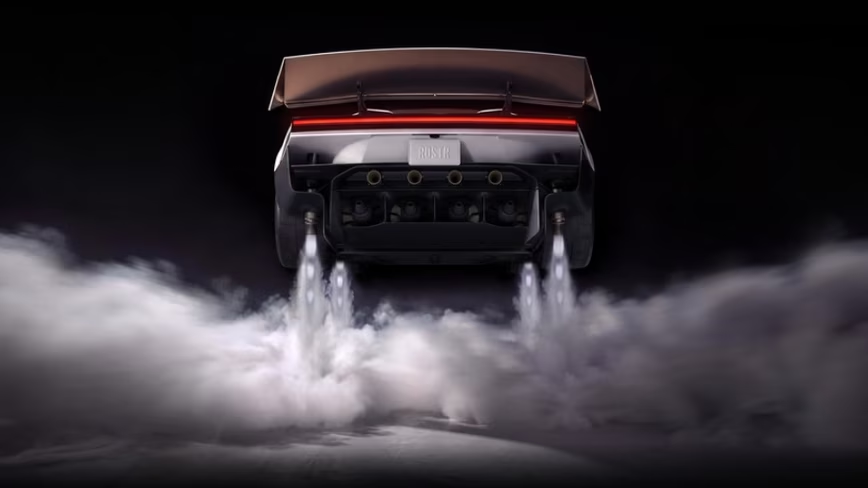
Tesla Unveils Thruster-Equipped Roadster, 2028 Production Targeted
Tesla has unveiled its second-generation Roadster, featuring cold-gas thrusters co-developed with SpaceX, enabling it to jump and flip. The electric sports car demonstrated 0-60mph in an astonishing 0.81 seconds, with production targeted for 2028. This highly anticipated reveal also serves as a key recruitment tool for Tesla's ambitious AI and robotics initiatives.

AI's Confidence vs. Formal Methods' Rigor: Design Flaws & Verification
While AI accelerates code generation, formal methods remain critical for ensuring system correctness. Languages like TLA+ and tools like Quint enable developers to model and verify system designs before coding, catching subtle flaws. Quint makes formal methods more accessible with developer-friendly syntax and executability. This approach is vital for verifying AI-generated code through trace validation and model-based testing, ensuring reliability against real-world data.

Amazon Prime Video Launches AI-Powered Prime 360 for NBA Coverage
Amazon Prime Video is elevating its NBA coverage with the introduction of Prime 360, an AI-powered replay system offering immersive, 'fly through' views of the action. Kicking off its second season, Prime Video also adds Yahoo fantasy integration and gains exclusive Eastern Conference Finals rights, expanding its tech-driven sports broadcast. The new features aim to deliver a unique and interactive viewing experience for basketball fans.
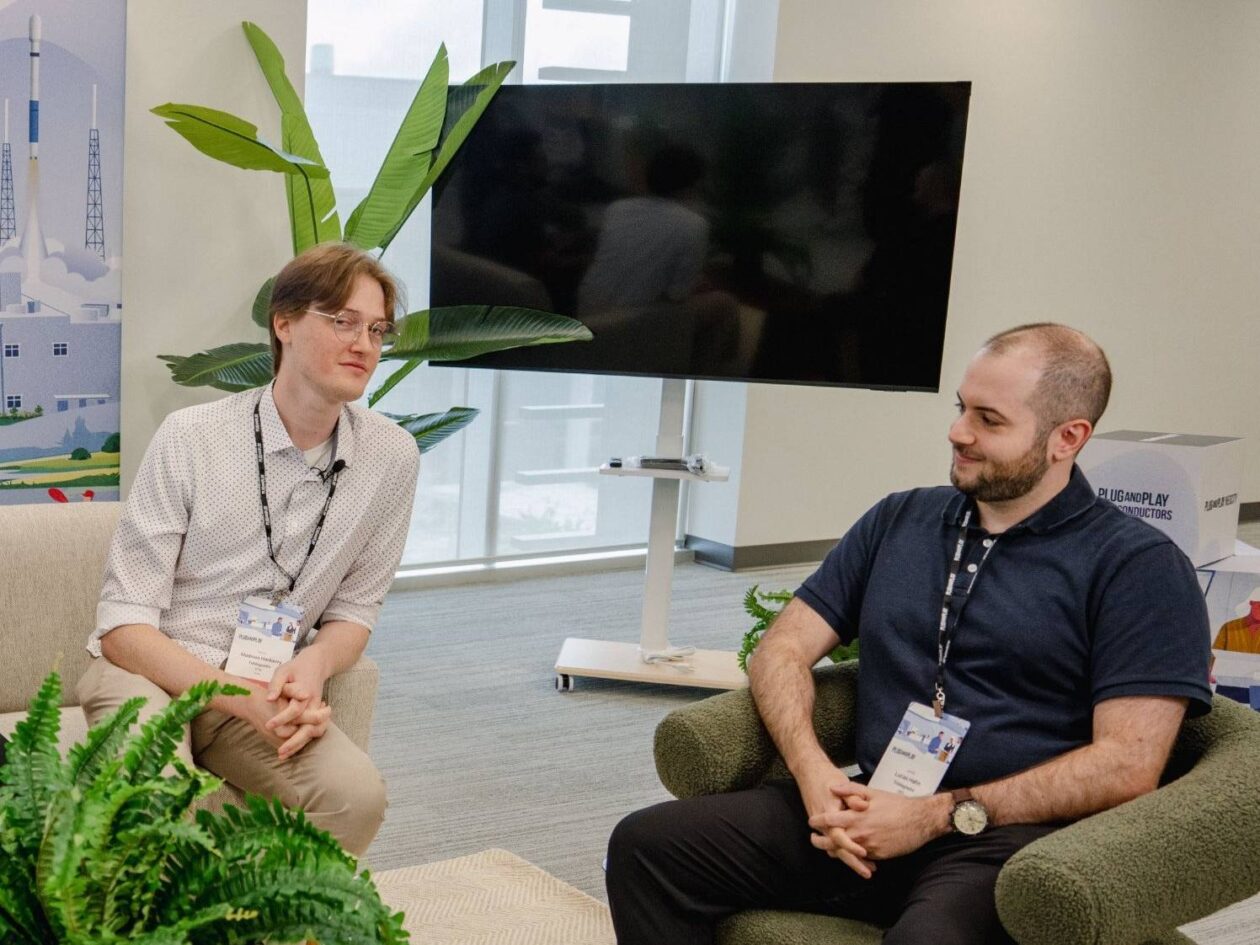
regional: A two-person Seattle startup lands $1M to reinvent
Seattle startup TriMagnetix has secured $1 million to develop semiconductor chips that consume 800 times less energy and are radiation-resistant. The two-person company, leveraging nanomagnetic technology, is targeting space applications and data centers. With new funding and key partnerships, TriMagnetix aims for commercial sales within a year.