
in-depth: Hisense UR9 RGB MiniLED: An Affordable TV in Its Class: TV
Hisense has launched its UR9 RGB MiniLED TV, an affordable flagship model delivering stunning picture quality comparable to higher-end brands like Samsung and LG. Priced at $2,000 for the 65-inch, it utilizes new RGB MiniLED technology for superior color accuracy, contrast, and brightness. The UR9 also stands out as a powerful gaming TV with a 180Hz (330Hz VRR) refresh rate and a dedicated DisplayPort, making it a strong value proposition in the competitive TV market.

Hisense has made a significant splash in the high-end television market with its new UR9 RGB MiniLED TV, delivering stunning picture quality at a remarkably accessible price point. The 65-inch model, initially priced at $2,200, is currently available for $2,000, positioning it as a strong contender against premium offerings from brands like Samsung and LG.
This flagship Hisense model introduces the cutting-edge RGB MiniLED technology, which utilizes red, green, and blue lights to create images. This method marks a notable advancement over traditional LED and QLED TVs that rely on white or blue LEDs shining through an LCD panel. The result is superior color accuracy, enhanced contrast and brightness, and more precise control over color zones.
While LG and Samsung have their own "micro RGB" technology, which they claim is more advanced due to smaller LEDs, the Hisense UR9 achieves a comparable high-quality visual experience. This makes the UR9 a significant upgrade from Hisense’s entry-level models, which often feature poorer contrast and brightness similar to more budget-focused brands.
Unrivaled Visuals for Movies and More
The UR9’s MiniLED display delivers exceptional color, contrast, and brightness, rivaling the performance typically expected from more expensive OLED televisions. When tested with films like The Last Duel, Awake, Tron: Ares, and The Creator, the picture quality was vivid and clear, bringing new life to scenes that might appear washed out on less capable displays.
Benchmark tests confirmed the UR9's capabilities, showcasing excellent skin tone variation and contrast, along with distinct details in complex scenes, such as mist over snowy mountains. While OLEDs might still offer deeper blacks for certain nighttime sequences and high-end projectors brighter greens, the UR9 impresses with its vibrant reds and overall brilliance, particularly noted in a 4K viewing of Project Hail Mary.
For everyday television viewing, such as World Cup matches, the UR9 presented jerseys, green grass, and the soccer ball with exceptional clarity and accurate colors. News broadcasts appeared natural, avoiding the overly saturated or flat look sometimes seen on other sets, including the Sony Bravia 7 Mark II.
A Gaming Powerhouse
Beyond general viewing, the Hisense UR9 shines as an outstanding option for gamers, especially those using high-end PCs. Its unusual 180 Hz refresh rate, which can reach a variable refresh rate (VRR) of 330 Hz via the dedicated DisplayPort connection, ensures incredibly smooth and responsive gameplay. Titles like Crimson Desert and Forza Horizon 6 felt immediate and visually rich.
Console gamers also benefit significantly. Testing with an Xbox Series X, games such as Senua's Saga: Hellblade II displayed vivid colors and rich, inky blacks, transforming atmospheric ocean scenes that often appear washed out on budget TVs. Underwater segments in Subnautica 2 were equally compelling, enhancing the overall gaming immersion.
Design, Connectivity, and Usability
The UR9 features a sleek, thin design, measuring only 1.8 inches. Its setup process for the Google TV operating system is straightforward, though a minor bug in the Google Home app’s QR code required manual login. Connectivity is robust, including three HDMI 2.1 ports, an Ethernet port, optical audio out, coaxial, and two USB ports, along with the crucial DisplayPort. Notably absent, however, is a 3.5mm headphone jack.
The remote control, while backlit and adaptive to ambient light, can be overly complex, featuring numerous buttons and an awkwardly placed mute button. Some picture quality settings, such as Motion Clearness and Dynamic Color Enhancer, proved effective, while others like Blue Light reduction had only marginal impact. However, the overall user experience remains positive, backed by Wi-Fi 6E for faster network performance.
Market Position and Value
The Hisense UR9 RGB MiniLED distinguishes itself by offering flagship-level performance at a mid-range price. While it may not offer the extensive picture customization of the much pricier LG Micro RGB Evo, its core picture quality and superior gaming capabilities make it a compelling choice. The UR9 represents a significant value proposition, bringing advanced display technology and a premium viewing experience to a broader audience without the premium price tag.
FAQ
Q: What is RGB MiniLED technology and how does it improve picture quality?
A: RGB MiniLED uses individual red, green, and blue lights to create images, in contrast to older LED/QLED technologies that shine white or blue light through an LCD panel. This results in much better color accuracy, superior contrast, higher brightness, and more precise control over local dimming zones, leading to a more vivid and immersive picture.
Q: Is the Hisense UR9 suitable for serious gamers?
A: Absolutely. The Hisense UR9 is highly recommended for gamers, particularly PC users, thanks to its 180 Hz refresh rate (up to 330 Hz variable via DisplayPort) and dedicated gaming connectivity. This ensures extremely smooth gameplay and immediate responsiveness, even with demanding titles.
Q: How does the Hisense UR9 compare to OLED TVs?
A: The Hisense UR9 RGB MiniLED offers stunning picture quality with excellent color and brightness that can rival OLEDs. While OLEDs typically have an edge in achieving deeper, true blacks, the UR9 provides more accurate and vivid colors and higher peak brightness. The UR9 also comes at a more affordable price point compared to many 65-inch OLED models.
Related articles

Apple Unveils iPhone Duo: Pricey Foldable Sees Soaring Demand
Apple has officially entered the foldable smartphone arena with the long-anticipated launch of the iPhone Duo. Priced starting at a hefty $1,999, the device features a 5.4-inch outer display and a larger 7.6-inch inner

in-depth: Chicago-Area Cops Helped HSI Spy on Minnesota Anti-ICE
Chicago-area law enforcement, including local police and HSI agents, conducted undercover surveillance on Minnesota anti-ICE activists at an April 2, 2022, talk in Chicago. This operation was part of a federal conspiracy probe into 15 Minnesota activists facing felony charges related to immigration enforcement resistance. Civil liberties advocates have condemned the surveillance as a troubling intrusion into protected political activity.

Mark Wahlberg on using AI in film ‘the right way’ and being open to
Actor Mark Wahlberg believes AI has a place in filmmaking if used responsibly for enhancement, not script generation or actor replacement. At TechCrunch Disrupt, he expressed openness to an AI likeness carrying on his legacy, managed by his family, and emphasized storytelling.

Tesla Unveils Thruster-Equipped Roadster, 2028 Production Targeted
Tesla has unveiled its second-generation Roadster, featuring cold-gas thrusters co-developed with SpaceX, enabling it to jump and flip. The electric sports car demonstrated 0-60mph in an astonishing 0.81 seconds, with production targeted for 2028. This highly anticipated reveal also serves as a key recruitment tool for Tesla's ambitious AI and robotics initiatives.
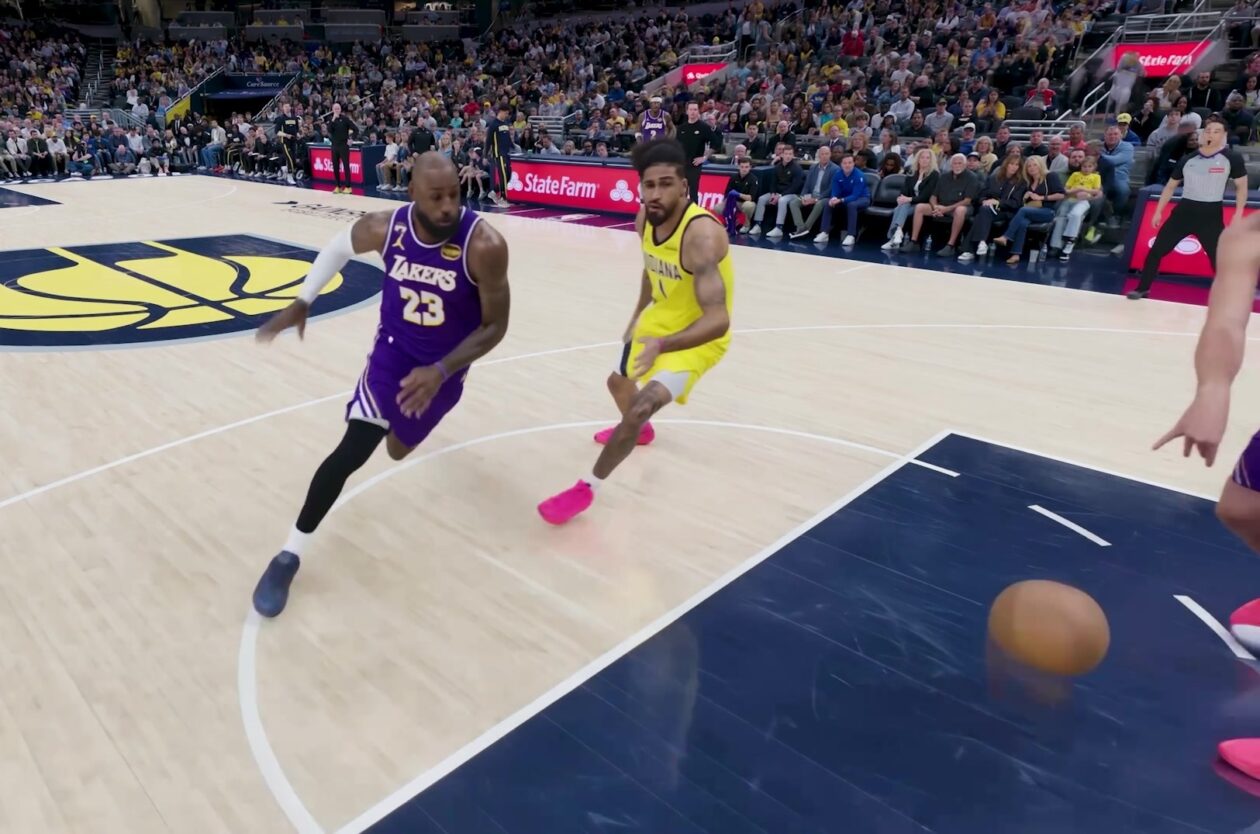
Amazon Prime Video Launches AI-Powered Prime 360 for NBA Coverage
Amazon Prime Video is elevating its NBA coverage with the introduction of Prime 360, an AI-powered replay system offering immersive, 'fly through' views of the action. Kicking off its second season, Prime Video also adds Yahoo fantasy integration and gains exclusive Eastern Conference Finals rights, expanding its tech-driven sports broadcast. The new features aim to deliver a unique and interactive viewing experience for basketball fans.
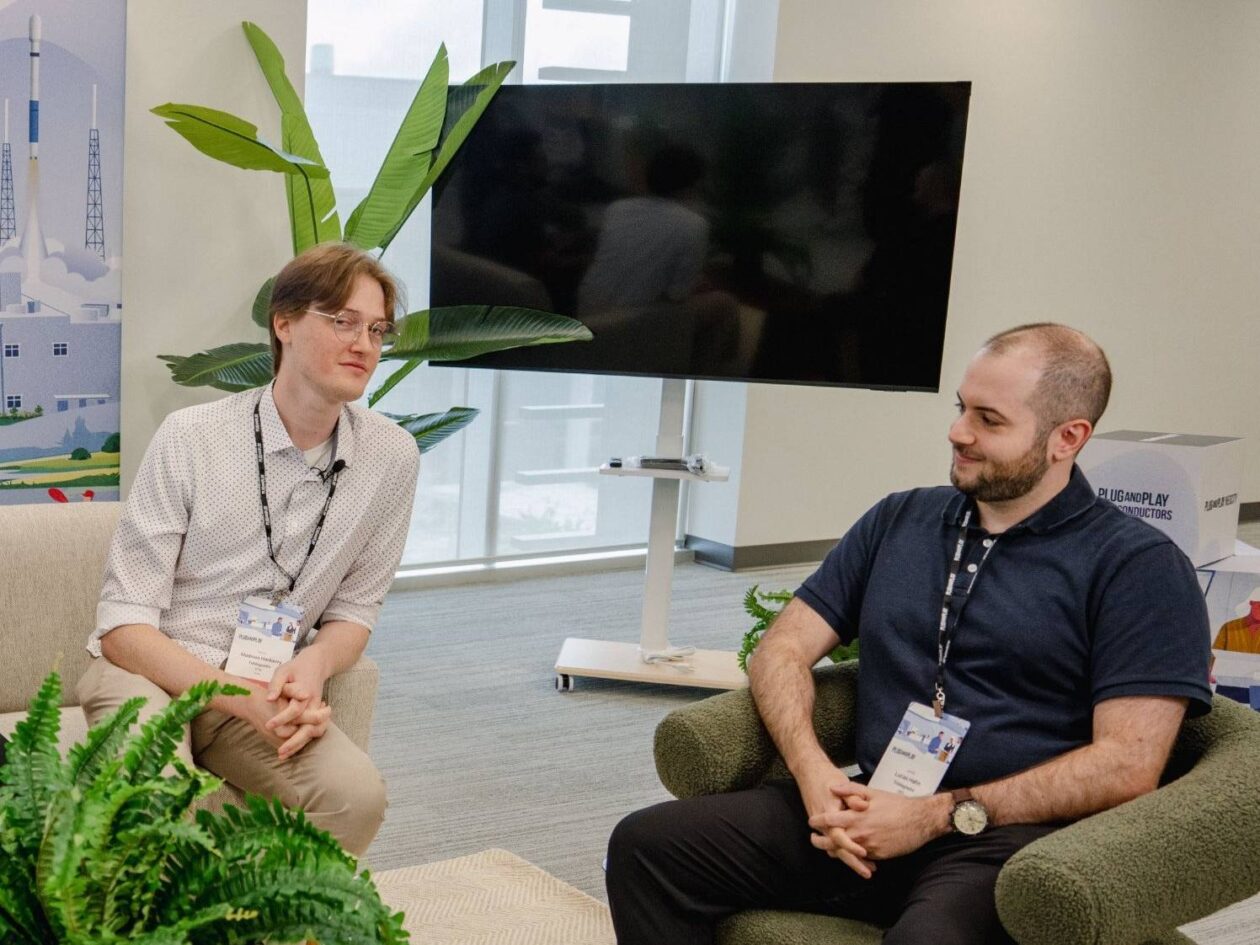
regional: A two-person Seattle startup lands $1M to reinvent
Seattle startup TriMagnetix has secured $1 million to develop semiconductor chips that consume 800 times less energy and are radiation-resistant. The two-person company, leveraging nanomagnetic technology, is targeting space applications and data centers. With new funding and key partnerships, TriMagnetix aims for commercial sales within a year.