
Hybrid Battery Failure Guide: Engadget Delivers Essential Insights
Verdict Engadget's comprehensive guide, "What happens when a hybrid battery dies and what to do about it," is an indispensable resource for any hybrid vehicle owner. It demystifies a common, yet often misunderstood,
Verdict
Engadget's comprehensive guide, "What happens when a hybrid battery dies and what to do about it," is an indispensable resource for any hybrid vehicle owner. It demystifies a common, yet often misunderstood, aspect of hybrid ownership, providing clear, actionable advice and setting realistic expectations. While it doesn't offer a comparative analysis of repair services, its focus on proper diagnosis, safety, and warranty information makes it a highly valuable read, earning a strong recommendation for its honesty and detail.
Demystifying Your Hybrid's Dual Power System
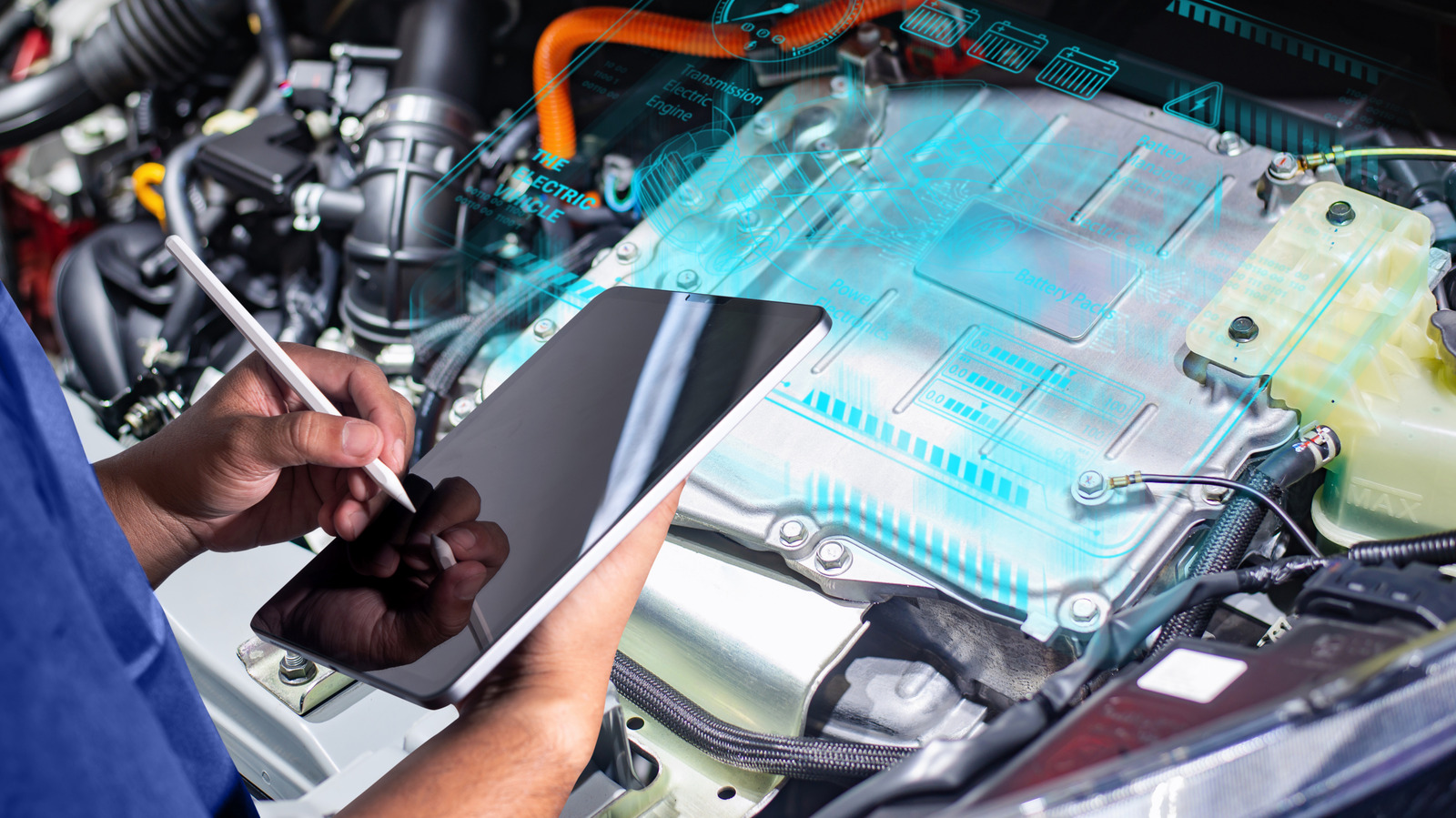
One of the most crucial pieces of information the Engadget article provides is the clarification regarding a hybrid car's two distinct battery systems. Many owners might not realize their vehicle houses both a conventional low-voltage auxiliary (12-volt) battery and a much larger, high-voltage traction battery. The article meticulously explains that the 12-volt unit is responsible for waking up the car's electronics and powering standard accessories, while the traction battery fuels the electric motor and, via a DC-to-DC converter, maintains the charge of the 12-volt system. This fundamental distinction is vital because the consequences and troubleshooting steps for each battery's failure are vastly different. A dead 12-volt battery can render the car completely inoperable, even if the high-voltage pack is perfectly fine, a scenario often remedied by a simple jump-start at a designated terminal, as outlined by manufacturers like Toyota and Honda.
Recognizing the Telltale Signs of Battery Trouble
Understanding what to look for when a hybrid battery is failing is paramount, and the Engadget guide does an excellent job detailing the varied symptoms. For the 12-volt battery, signs typically include dim lights, unresponsive locks, or a dashboard that fails to illuminate. These clues, while not definitive diagnoses, strongly suggest an auxiliary battery issue.
The larger traction battery presents a more complex set of indicators. A failing traction battery can lead to warning messages such as "Check Hybrid System" or "Power System," reduced electric assistance, limited acceleration, and increased fuel consumption. The article also wisely points out that issues like an obstructed battery air intake or blocked cooling vents, as noted by Honda and Toyota, can mimic battery failure symptoms by causing the system to limit output. This highlights that a warning light doesn't automatically mean the entire battery pack needs replacement. More severe faults, however, can lead to the hybrid system shutting down entirely or preventing future starts, with manufacturers explicitly cautioning against prolonged driving with certain service messages to avoid complete incapacitation.
What to Do When the Lights Go Out: A Step-by-Step Approach
Engadget’s guidance on immediate actions is practical and safety-conscious. The first, and most critical, step is to heed any dashboard messages. If the car advises to stop safely, the immediate action should be to pull over, switch off the vehicle, and contact roadside assistance. The article strongly warns against continuing to drive if the system is compromised, even if the car still appears to be moving. It also provides crucial safety directives: never attempt to open the traction battery case or touch orange-colored cables and connectors, as high-voltage work should only be performed by certified, trained technicians. This emphasis on safety is a significant strength of the article.
For 12-volt battery issues, the guide reiterates the importance of following the vehicle's manual for jump-starting procedures and explicitly states that jumper cables should never be connected directly to the traction battery. It clarifies a common misunderstanding: plugging in a plug-in hybrid only restores EV range after ordinary depletion; it does not repair damaged cells or resolve underlying system faults.
The Diagnostic Imperative and Warranty Wisdom
The article rightly stresses that a proper diagnosis is the next essential step, not an automatic order for a new battery. A technician must read trouble codes, inspect the battery pack, cooling system, wiring, sensors, and the 12-volt charging circuit. The repair could be as straightforward as clearing a blocked cooling intake or might necessitate battery work or full replacement.
Perhaps one of the most valuable pieces of advice offered is to thoroughly check the hybrid-component warranty before authorizing any costly repairs. The article highlights that coverage can vary significantly based on brand, model year, mileage, and location, citing Toyota's US warranty for many 2020-and-newer hybrids, which covers the traction battery for a substantial 10 years or 150,000 miles. This warranty information is crucial for owners to avoid unnecessary expenses and underscores the article's commitment to consumer advocacy.
Experience and Clarity of Information
From a user's perspective, the Engadget article excels in its clarity and logical flow. It breaks down complex technical details into easily digestible segments, making it accessible even for those with limited automotive knowledge. The language is direct and avoids jargon where possible, or explains it when necessary. The distinction between the two battery types and their respective failure scenarios is particularly well-articulated. The tone is consistently honest, helpful, and fair, guiding the reader through potential issues without causing undue alarm but emphasizing the seriousness of certain warnings. While the article doesn't compare different repair services or aftermarket battery options (which wasn't its scope), it effectively details the process a hybrid owner should follow, making it highly practical.
Pros and Cons
Pros:
- Clear Distinction: Thoroughly explains the difference between 12-volt and traction batteries and their unique failure modes.
- Comprehensive Symptom Guide: Provides detailed signs for both battery types, helping owners identify potential issues early.
- Strong Safety Emphasis: Offers clear warnings regarding high-voltage systems and the need for professional service.
- Actionable Advice: Outlines immediate steps to take, including consulting the owner's manual and contacting roadside assistance.
- Warranty Importance: Highlights the critical role of checking hybrid-component warranties to mitigate repair costs.
- Debunks Misconceptions: Clarifies that zero EV range in a PHEV doesn't equate to battery failure and that a jump-start is only for the 12-volt system.
- Emphasizes Diagnosis: Stresses the need for professional diagnosis rather than immediate battery replacement.
Cons:
- No Preventative Maintenance Focus: The article primarily focuses on what to do when it dies rather than how to prevent it from dying, though this aligns with its stated scope.
- Limited Repair Cost Detail: While discussing warranties, it doesn't delve into estimated costs for out-of-warranty repairs (understandable as these vary greatly).
Recommendation
For any hybrid vehicle owner, or prospective owner, this Engadget article is essential reading. It provides a robust understanding of potential battery issues, equips you with the knowledge to react appropriately and safely, and crucially, empowers you to navigate the diagnostic and repair process intelligently, especially concerning warranties. Don't wait for a warning light; educate yourself now. It's a prime example of a well-researched, consumer-focused informational piece that truly delivers value.
FAQ
Q: Should I try to diagnose or fix a hybrid battery problem myself? A: No, the article strongly advises against attempting to diagnose or repair high-voltage hybrid battery issues yourself. These systems involve dangerous high-voltage components, indicated by orange cables and connectors, and should only be handled by trained and certified technicians.
Q: How do I know if my hybrid car's warning light means the entire battery needs replacing? A: A warning light, such as "Check Hybrid System," indicates a problem but does not automatically mean the entire traction battery needs replacement. The article clarifies that issues like blocked cooling vents or other faults can trigger these warnings. A professional diagnosis by a technician is necessary to read trouble codes and assess the exact nature of the problem before any repair or replacement decisions are made.
Q: What is the most important thing to remember regarding hybrid battery repair costs? A: The most important thing to remember is to thoroughly check your hybrid-component warranty before approving any expensive repairs. Hybrid traction batteries often come with substantial warranties (e.g., 10 years or 150,000 miles for many newer Toyotas), which can significantly cover or reduce repair costs.
Related articles
Android 17 QPR2 Beta 7.1: The Performance Relief You've Been Waiting
Android 17 QPR2 Beta 7.1: Finally Fixing the QPR1 Performance Woes Verdict: Android 17 QPR2 Beta 7.1 is a crucial and highly anticipated software update for Google Pixel users, specifically targeting and resolving the

DJI Solo Video Setups: Smart Choices for Lone Creators
This review delves into DJI's recommended solo video setups, highlighting the Osmo Pocket 3 Creator Combo as a top pick for its integrated camera, gimbal, and mic. It also covers stabilizers like the Osmo Mobile 8 and RS 4, and the DJI Mic Mini series for enhanced audio, providing honest pros, cons, and clear buying advice.

Ditch Merge & Center: The Better Way to Align Text in Excel
Learn to use Excel's "Center Across Selection" to align text across cells without merging, avoiding common data manipulation issues. This guide provides steps to utilize this newly accessible feature and add it to your Quick Access Toolbar.

Ars Technica's Rocket Report: Your Essential Space Industry Briefing
Quick Verdict Ars Technica's Rocket Report, presented by veteran space reporter Stephen Clark, offers an invaluable and meticulously organized weekly (or similar frequency, implied by "Edition 9.15") digest of the most

Apple iPhone Duo: A Daring Debut with Notable Compromises
Apple's highly anticipated iPhone Duo, priced at $2,000, has gone on pre-order. While hailed as "Apple's most exciting device in a decade" for its innovative foldable design and immersive display, it comes with significant drawbacks like the absence of FaceID and a premium camera.
KDE Plasma 6.8: A Future-Focused 30th Anniversary Update
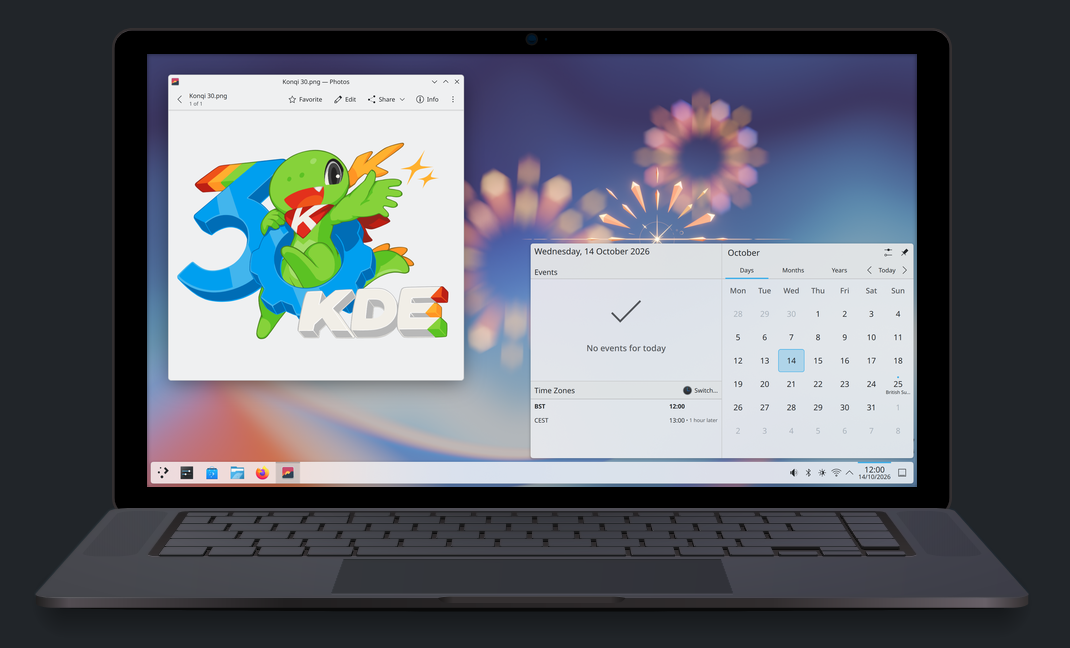
Quick Verdict KDE Plasma 6.8, arriving as the "30th Anniversary Edition," is a pivotal release that decisively pushes the desktop environment into the future. With a definitive farewell to native X11 sessions and a