
Huawei MatePad Air: A Display Revolution the iPad Air Needs
Quick Verdict After a month of intensive use, the Huawei MatePad Air has unequivocally highlighted the one feature the next iPad Air desperately needs: a truly advanced display. Its 144Hz OLED PaperMatte screen offers
Quick Verdict
After a month of intensive use, the Huawei MatePad Air has unequivocally highlighted the one feature the next iPad Air desperately needs: a truly advanced display. Its 144Hz OLED PaperMatte screen offers an experience so superior in daily use – from reducing glare to providing a tactile, paper-like feel for stylus input – that it makes Apple's current M1 iPad Air display feel significantly dated. While the iPad Air retains a performance edge for heavy lifting, Huawei's tablet proves that for the vast majority of tablet activities, the screen is paramount.
Introduction: Huawei's Innovation Beyond Borders
Huawei is a brand that consistently pushes boundaries with innovative tech, from tri-folding phones to smartwatches with medical-grade blood pressure monitoring. Yet, a persistent challenge for consumers outside Asia is the limited availability of these cutting-edge devices. This makes the occasional Western launch all the more noteworthy, as it serves as a potent reminder of the innovations major players like Apple might be overlooking. Such is the case with the new Huawei MatePad Air, a device that, despite Huawei's broader market restrictions, delivers an experience that has profoundly shifted my perspective on what a modern tablet display should be.
As a long-time user of the M1 iPad Air (2022), I'm accustomed to its reliable performance and solid ecosystem. However, dedicating the past month to the MatePad Air as my primary tablet has revealed a glaring area where Apple's mid-range tablet is lagging, and it’s an upgrade that would make me instantly consider the next iPad Air.
Design and The Display Revolution
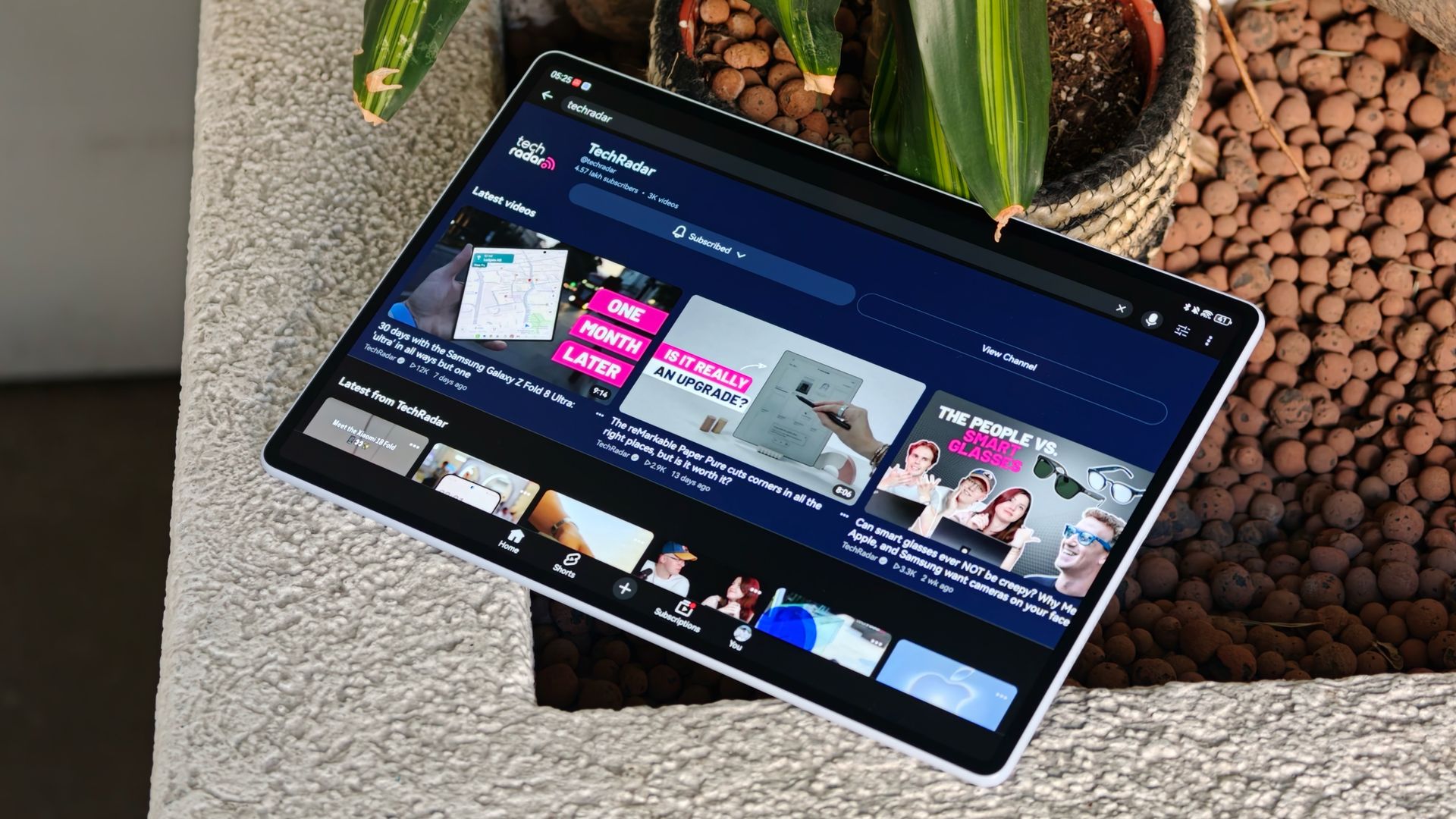
At first glance, the MatePad Air doesn't break new ground in terms of aesthetics; Huawei’s tablet lineup shares a somewhat similar design language. But the moment you flip it over and power it on, its true differentiator becomes brilliantly clear. The MatePad Air boasts a stunning 12-inch OLED display, featuring an impressive 144Hz refresh rate and a peak brightness of 1,200 nits. The model I tested, the higher-end PaperMatte version, pushes this brightness even further to 2,000 nits. This isn't just about raw numbers; it's about the transformative user experience.
Huawei's PaperMatte technology is a sophisticated anti-glare treatment applied directly to the display. The company claims it eliminates up to 99% of ambient light reflections, a bold statement that feels genuinely substantiated in real-world use. Beyond glare reduction, this treatment also imparts a subtle, paper-like texture to the screen. This texture enhances the natural feel of writing with a stylus, while also significantly cutting down on eye strain and those pesky fingerprint smudges that plague glossy screens.
A Stark Contrast: MatePad Air vs. iPad Air
The impact of this display technology on daily tablet usage is profound. Think about what you truly do with a tablet: consume content, take notes, engage in video calls, read articles, or browse the web. In virtually every scenario, your interaction is centered on the screen. While the M1 iPad Air's LCD panel is by no means bad – it’s a perfectly functional display that served me well for years without complaint – the difference becomes immediately obvious when switching back and forth with the MatePad Air.
The MatePad Air’s 144Hz OLED panel delivers a visibly smoother experience, with colors that pop and deeper blacks that an LCD simply can't match. The thinner bezels also contribute to a more immersive viewing experience, making movies and videos far more enjoyable. But it's that PaperMatte finish that truly elevates the device. Whether I was working on the bustling subway, flying at thirty thousand feet, or simply relaxing at home, the absence of distracting reflections was a consistent pleasure. This single feature has been the driving force behind my preference for the MatePad Air over my trusty iPad Air this past month.
Apple is not entirely oblivious to the benefits of such display technology. The company offers a nano-texture display option on its high-end iPad Pro models. However, this feature is gated behind the most expensive configurations, requiring a 1TB or higher storage model, which pushes the price tag to an eye-watering $1,899 / £1,899 / AU$3,249. Huawei, in stark contrast, makes the PaperMatte display a standard feature on all MatePad Air models sold in the UK, starting at a much more palatable £699.99 (though not available in the US). Even at this base price, you're getting 256GB of storage, double the 128GB starting storage of the current iPad Air.
Performance and Ecosystem: Where the Strengths Lie
It's important to be honest about the MatePad Air's limitations. It’s not universally superior to the iPad Air. Apple's M-series chips provide a substantial performance advantage, particularly for demanding tasks like video editing or other compute-heavy workflows. If your primary tablet use involves intense creative or productivity applications, the iPad Air's raw power is likely still the better choice.
However, for the majority of users, and indeed for my own typical tablet usage – which predominantly involves media consumption and web browsing – the MatePad Air's display trumps the iPad Air's performance lead. The smoother visuals, vibrant colors, and significantly reduced glare translate into a more pleasant and engaging everyday experience. The primary drawback for potential buyers in Western markets remains Huawei's limited product availability and the broader ecosystem challenges that come with it.
Buying Recommendation
The Huawei MatePad Air is a compelling tablet, particularly for those who prioritize display quality and a comfortable viewing/writing experience above all else. Its PaperMatte OLED display is genuinely transformative, making it a joy for reading, watching, and light productivity. If you're in a region where Huawei products are readily available and you don't require the absolute highest levels of raw processing power for professional creative work, the MatePad Air offers exceptional display technology at a significantly more accessible price point than Apple's equivalent high-end offerings. However, if your workflow demands the sheer power of an M-series chip or if you're deeply entrenched in Apple's ecosystem, the iPad Air remains a strong contender, albeit with a less modern display experience. For many, the MatePad Air serves as a clear blueprint for where the mainstream tablet market – including the next iPad Air – should be heading.
FAQ
Q: What is the main advantage of the Huawei MatePad Air over the iPad Air?
A: The primary advantage of the MatePad Air, as highlighted in the review, is its superior display technology. It features a 12-inch 144Hz OLED PaperMatte display, which offers smoother visuals, vibrant colors, and significantly reduced glare, creating a more comfortable and immersive user experience compared to the iPad Air's 60Hz LCD panel.
Q: Is the Huawei MatePad Air more powerful than the iPad Air?
A: No, the M-series chips in the iPad Air still provide a major performance advantage, especially for compute-heavy tasks like video editing. The MatePad Air is preferred for general use like content consumption and web browsing due to its display, not its raw processing power.
Q: Is the PaperMatte display worth the upgrade?
A: According to the reviewer's experience, yes, the PaperMatte display is a significant upgrade. It virtually eliminates reflections, provides a comfortable paper-like texture for stylus use, and reduces eye strain and smudges, greatly enhancing the overall user experience for most typical tablet activities.
Related articles

Apple Unveils iPhone Duo: Pricey Foldable Sees Soaring Demand
Apple has officially entered the foldable smartphone arena with the long-anticipated launch of the iPhone Duo. Priced starting at a hefty $1,999, the device features a 5.4-inch outer display and a larger 7.6-inch inner
Android 17 QPR2 Beta 7.1: The Performance Relief You've Been Waiting
Android 17 QPR2 Beta 7.1: Finally Fixing the QPR1 Performance Woes Verdict: Android 17 QPR2 Beta 7.1 is a crucial and highly anticipated software update for Google Pixel users, specifically targeting and resolving the

DJI Solo Video Setups: Smart Choices for Lone Creators
This review delves into DJI's recommended solo video setups, highlighting the Osmo Pocket 3 Creator Combo as a top pick for its integrated camera, gimbal, and mic. It also covers stabilizers like the Osmo Mobile 8 and RS 4, and the DJI Mic Mini series for enhanced audio, providing honest pros, cons, and clear buying advice.

Ars Technica's Rocket Report: Your Essential Space Industry Briefing
Quick Verdict Ars Technica's Rocket Report, presented by veteran space reporter Stephen Clark, offers an invaluable and meticulously organized weekly (or similar frequency, implied by "Edition 9.15") digest of the most

Apple iPhone Duo: A Daring Debut with Notable Compromises
Apple's highly anticipated iPhone Duo, priced at $2,000, has gone on pre-order. While hailed as "Apple's most exciting device in a decade" for its innovative foldable design and immersive display, it comes with significant drawbacks like the absence of FaceID and a premium camera.

KDE Plasma 6.8: A Future-Focused 30th Anniversary Update
Quick Verdict KDE Plasma 6.8, arriving as the "30th Anniversary Edition," is a pivotal release that decisively pushes the desktop environment into the future. With a definitive farewell to native X11 sessions and a