
How to Navigate the QuitGPT Trend and Switch to Alternative AI Tools
Learn to navigate the QuitGPT trend by understanding its origins and exploring top alternatives like Claude, Gemini, and Perplexity, making an informed switch based on features and ethics.

Navigating the QuitGPT Trend: Switching from ChatGPT to Claude and Other AI Alternatives
Are you hearing about the "QuitGPT" trend and wondering what it's all about? Many users are re-evaluating their AI tool choices, moving away from ChatGPT in favor of alternatives like Claude, Gemini, and Perplexity. This guide will walk you through understanding why this shift is happening, help you explore top alternatives, and show you how to make an informed transition to an AI chatbot that better aligns with your needs and values.
By the end of this guide, you'll have a clear understanding of the factors driving users to switch, know the key features and benefits of leading alternative AI models, and feel confident in choosing and adopting a new AI tool for your personal or professional use.
Prerequisites
- An interest in understanding current trends in AI usage and ethics.
- A desire to explore alternative AI chatbots beyond ChatGPT.
- Access to an internet connection and a web browser or app store.
Step 1: Understanding the "QuitGPT" Movement
The "QuitGPT" phenomenon describes a growing wave of users and activists abandoning OpenAI's ChatGPT. This movement stems from several recent controversies and policy changes by OpenAI, leading many to seek out AI tools they perceive as more ethically aligned.
Why Users Are Making the Switch:
- Government Contracts and Deployment: A major catalyst for the backlash was OpenAI's announcement of a collaboration with the U.S. Department of Defense to deploy AI technology on classified networks. This move raised significant concerns among users about the potential military and governmental applications of AI developed by OpenAI.
- Surveillance and Autonomous Weapons Concerns: The context around this contract included a prior standoff where the U.S. administration sought Anthropic (Claude's developer) to support mass domestic surveillance and fully autonomous military weapons, uses the company had refused to approve. Once Anthropic declined, OpenAI stepped in, intensifying public scrutiny.
- Political Donations: Further frustration arose from reports, such as OpenAI President Greg Brockman making a $25 million personal donation to a pro-Trump super PAC, which fueled discussions about the company's political leanings and their impact on AI development and deployment.
- Immigration Enforcement Use: Reports of Immigration and Customs Enforcement (ICE) utilizing GPT-4–powered tools for hiring and screening also contributed to the outcry, prompting users to question the ethical boundaries of AI applications.
Social media, forums, and app reviews are now filled with users citing these ethical implications as primary reasons for their departure. This shift highlights a growing consumer demand for AI tools that prioritize ethical governance and responsible deployment.
Step 2: Exploring Claude as a Primary Alternative
For many users leaving ChatGPT, Anthropic's Claude has emerged as the leading alternative, praised for both its performance and its principled stance on AI ethics.
Claude's Rise to Prominence:
Claude has rapidly gained traction, even surpassing ChatGPT to become the most downloaded free app on Apple's U.S. App Store. This climb reflects a significant surge in user interest, with Anthropic reporting a more than 60% growth in free users since January, daily signups tripling since November, and paid subscriptions more than doubling this year. Previously ranked #42 in the U.S. App Store before Super Bowl LX, Claude has since ascended into the top 10.
Key Advantages of Claude:
- Principled Stance: A core reason for its appeal is Anthropic's publicly stated refusal to allow its technology to be used for mass domestic surveillance or fully autonomous military weapons, a contrast to the controversies surrounding OpenAI.
- Larger Context Window: Claude often boasts a larger context window, allowing it to process and remember more information within a single conversation, which can lead to more coherent and comprehensive responses over longer interactions.
- Flexible Writing Styles: Users frequently highlight Claude's ability to adapt to a variety of writing styles, making it versatile for different creative or professional tasks.
- Superior Data Visualization and Artifact Tools: For tasks involving data analysis or the creation of structured output (artifacts), Claude's tools are often preferred, offering enhanced capabilities for presenting information clearly.
To try Claude, simply visit Anthropic's website or download the Claude app from your device's app store and follow the registration steps.
Step 3: Considering Other AI Chatbot Alternatives
While Claude is a popular choice, several other powerful AI chatbots are also attracting users with their unique features and integrations.
- Google's Gemini: For individuals already deeply embedded in the Google ecosystem, Gemini offers seamless integration with popular Google services like Gmail, Docs, and Drive. It also provides advanced features such as image and music generation directly within the chat interface, making it a powerful tool for creative and productivity tasks within a familiar environment.
- Perplexity: This AI appeals particularly to developers and technical users. Perplexity stands out for its raw reasoning performance and generally lower API costs, making it an attractive option for those building applications or requiring efficient, fact-based search and summary capabilities.
Exploring these options allows you to find an AI tool that best fits your specific workflow, technical needs, or personal preferences, beyond just ethical considerations.
Step 4: Making the Switch and Integrating New Tools
Switching from one AI tool to another isn't about deleting an account; it's about shifting your primary usage and integrating new solutions into your daily routine. Here's how to do it:
- Sign Up for an Alternative: Visit the website or app store for Claude, Gemini, Perplexity, or another AI of your choice. Follow the prompts to create a new account. Most offer free tiers to get started.
- Explore the Interface: Spend some time familiarizing yourself with the new AI's user interface, settings, and core functionalities. Understand where its strengths lie.
- Test with Your Workflows: Start by using the new AI for tasks you would typically give to ChatGPT. For example, if you use AI for drafting emails, generate a few with Claude. If you need coding assistance, try Perplexity. This direct comparison will highlight benefits and differences.
- Gradual Adoption: Instead of an abrupt switch, gradually integrate the new AI. Use it alongside ChatGPT for a period, allowing you to discover which tool excels at specific tasks for you. Over time, you'll naturally gravitate towards the one that provides the most value and comfort.
- Customize Settings: Many AI tools offer customization options. Explore these to tailor the AI's responses, tone, or specific features to better suit your needs.
Step 5: Evaluating Your New AI Tool and Troubleshooting
After making the switch, it's important to evaluate if your new AI tool is truly meeting your expectations. This ongoing assessment helps you refine your choice.
Troubleshooting & Best Practices:
- If Claude isn't meeting all your needs: While Claude offers many advantages, no single AI is perfect for every task. If you find it lacking in a specific area, consider using a combination of tools. For example, use Claude for creative writing and Perplexity for technical research. Alternatively, re-evaluate your prompts; sometimes, a slight adjustment can yield better results.
- If you miss a specific ChatGPT feature: Check if your new AI alternative has a similar function, perhaps under a different name or implemented differently. Many advanced features are common across leading models. If not, consider if that feature is critical enough to warrant occasional use of ChatGPT, or if another alternative might fill that gap.
- Stay Informed: The AI landscape is evolving rapidly. Keep an eye on news and updates from your chosen AI providers. New features and improvements are released frequently, which might address any current limitations.
- Weigh Features, Ethics, and Governance: The "QuitGPT" trend underscores that consumers are increasingly considering not just technical features, but also the ethical principles and governance models of AI providers. Continue to factor these considerations into your long-term AI choices.
- Experiment Continuously: Don't be afraid to experiment with different models. The best AI tool for you might change over time as your needs evolve or as AI technology advances.
Next Steps
- Deep Dive into Features: Explore advanced features of your chosen AI, such as API access for developers, custom instructions, or integration with third-party tools.
- Join User Communities: Engage with online communities for Claude, Gemini, or Perplexity to learn tips, tricks, and best practices from other users.
- Stay Updated on AI Ethics: Continue to follow discussions and developments in AI ethics to make informed decisions about the tools you use.
FAQ
Q: Is Claude completely free to use? A: Anthropic offers a robust free tier for Claude, which allows users to experience its core functionalities. They also provide paid subscriptions that offer increased usage limits and additional features, similar to other AI chatbot models. Many users find the free tier sufficient for their general needs.
Q: Can I use multiple AI chatbots simultaneously? A: Absolutely! Many advanced users leverage different AI chatbots for different tasks, playing to each tool's strengths. For example, you might use Claude for creative writing, Gemini for Google-integrated tasks, and Perplexity for research-heavy queries. This approach can maximize your productivity and the quality of your AI-generated output.
Q: What if I'm happy with ChatGPT? Do I need to switch? A: There's no requirement to switch if ChatGPT meets your needs and you are comfortable with its policies and development. The "QuitGPT" trend reflects a growing sentiment among a segment of users, but individual preferences and priorities vary. This guide is for those who are considering alternatives due to ethical concerns or specific feature requirements not met by ChatGPT. Ultimately, the best AI tool is the one that works best for you. This trend, however, highlights the increasing competition and choice in the AI market, driven by user awareness of both features and ethics.
Related articles

Ditch Merge & Center: The Better Way to Align Text in Excel
Learn to use Excel's "Center Across Selection" to align text across cells without merging, avoiding common data manipulation issues. This guide provides steps to utilize this newly accessible feature and add it to your Quick Access Toolbar.

AI's Confidence vs. Formal Methods' Rigor: Design Flaws & Verification
While AI accelerates code generation, formal methods remain critical for ensuring system correctness. Languages like TLA+ and tools like Quint enable developers to model and verify system designs before coding, catching subtle flaws. Quint makes formal methods more accessible with developer-friendly syntax and executability. This approach is vital for verifying AI-generated code through trace validation and model-based testing, ensuring reliability against real-world data.

Amazon Prime Video Launches AI-Powered Prime 360 for NBA Coverage
Amazon Prime Video is elevating its NBA coverage with the introduction of Prime 360, an AI-powered replay system offering immersive, 'fly through' views of the action. Kicking off its second season, Prime Video also adds Yahoo fantasy integration and gains exclusive Eastern Conference Finals rights, expanding its tech-driven sports broadcast. The new features aim to deliver a unique and interactive viewing experience for basketball fans.

Kojima Compares Divisive New Film 'Digger' to MGS2's Prescient Vision
Gaming icon Hideo Kojima has praised the divisive 2026 film *Digger*, drawing intriguing parallels to his own prophetic game, *Metal Gear Solid 2*. Both works, he explains, uniquely explore the dangers of misinformation and a fragmented digital reality, anxieties he shares with *Digger*'s director, Alejandro González Iñárritu.
Secure Internal API Access for AI Agents with MCP
AI agents accessing internal APIs directly pose significant risks, including identity loss, unrestricted queries, and security bypasses. The Model Context Protocol (MCP) offers a solution by defining explicit tools. A secure architecture involves an MCP server wrapping the API with strict input validation, coupled with a gateway that handles authentication, rate limiting, and audit logging, ensuring safe and accountable access.
Stop Android Auto Battery Drain: Essential Features to Disable and
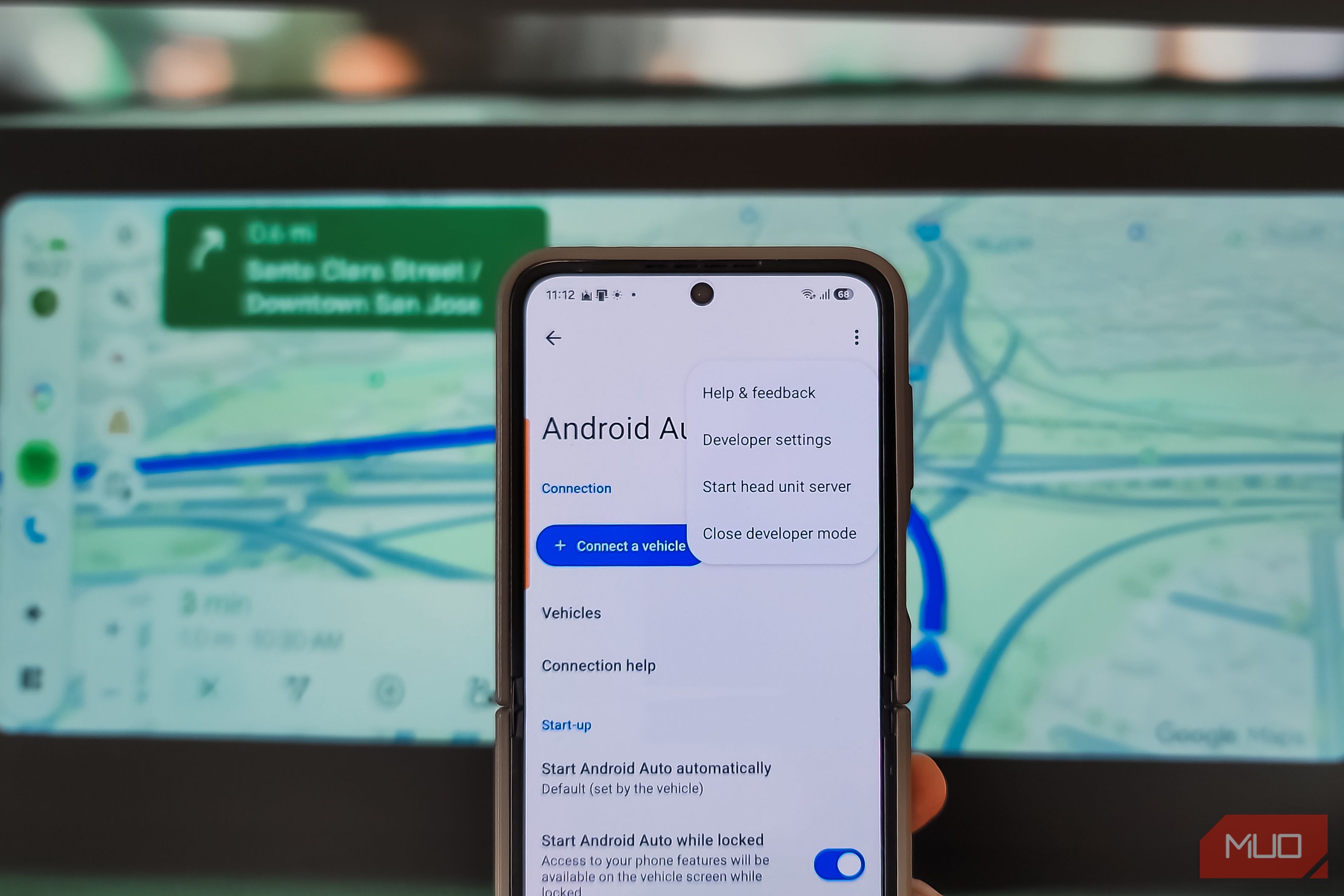
Android Auto offers unparalleled convenience, bringing your phone's most useful features directly to your car's display. From navigation and calls to messages and music, it keeps you connected without distracting you