
HBO's Lanterns Unleashes a Radical New Origin for John Stewart
HBO's new *Lanterns* series dramatically rewrites John Stewart's origin, revealing a destiny set from birth by a Guardian's challenge to his parents. This bold retcon explores themes of generational aspiration, fear, and complex family legacies, deepening his rivalry with Hal Jordan.
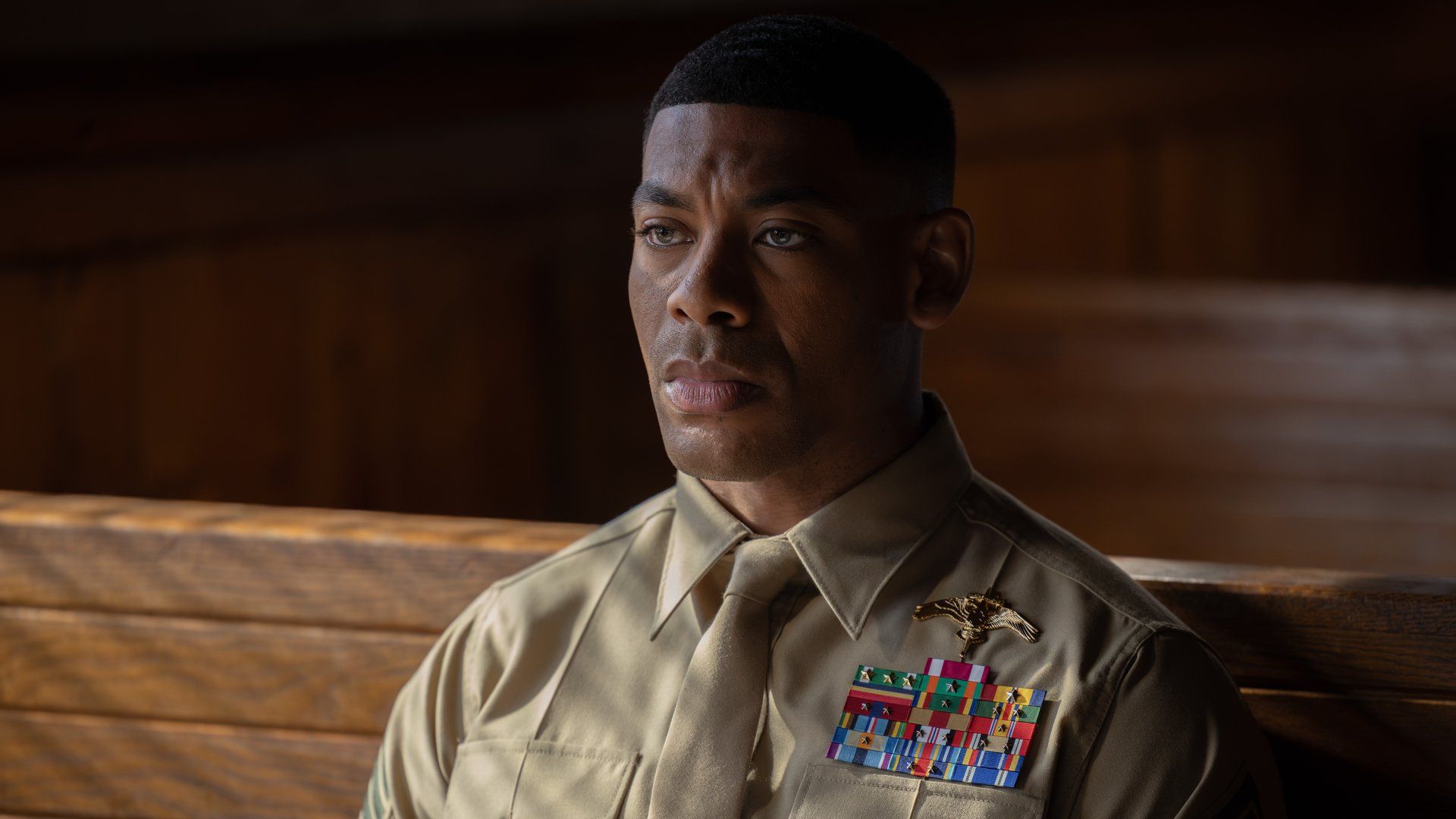
The DC Universe is a revolving door of reboots and reimagined origins, but HBO's new Lanterns series just dropped a bombshell that’s got fans buzzing. Episode three, "OutKast," delivers a "bonkers rewrite" of beloved Green Lantern John Stewart’s backstory, moving far beyond his comic book roots in a way that’s both bold and deeply thematic. If you thought you knew John Stewart, think again – the creative minds behind Lanterns are charting a course that could redefine what it means to be a Green Lantern.
The Original Blueprint: John Stewart's Groundbreaking Debut
For decades, comic fans knew John Stewart as a formidable force, introduced in 1972’s Green Lantern #87 by Dennis O'Neil and Neal Adams. He first served as Hal Jordan’s backup after Guy Gardner’s injury. Adams, a vocal advocate for creator rights and social relevance, designed Stewart as a powerful symbol of Black Power. His debut saw him challenging white police officers and famously refusing the traditional domino mask, declaring his identity openly. Hal Jordan initially had reservations, but the Guardians insisted. Stewart quickly exposed a racist politician, eventually becoming the primary Green Lantern in the 1980s. Co-creator Tom King cited Adams’ rebellious spirit as a core inspiration, noting that John, like Adams, "won't take the world the way it's given to him," and challenges the status quo.
HBO's Radical Reworking: A Legacy Forged in Fear
Lanterns now blasts past that canon, diving deep into John Stewart’s formative years. While comics saw him chosen as an adult, the HBO series suggests John’s destiny was set almost from birth. Hal Jordan explains that the power ring seeks individuals unafraid; both his own father and John’s father failed this test, with the ring then finding Hal. Traumatized by this, John’s father inadvertently set his son on a different path. A Guardian (Laura Linney) apologizes to John’s mother, Bernadette (Jasmine Cephas Jones), offering a diamond and challenging her to raise John fearlessly so he might one day replace Hal. Bernadette powerfully asks, "Do you know how unfair it is to ask a Black man in America if he’s afraid?" This prompts John’s parents to go to extreme lengths, even risking their lives, to mold him into the perfect Green Lantern, sacrificing his happiness along the way.
Why the Change? Unpacking the Narrative Threads
This isn't a random alteration; it’s a deliberate choice rooted in Lanterns' themes. Episode writer Vanessa Baden Kelly’s "OutKast" explores an upwardly mobile Black family pushing their son towards superhero destiny within a system that often marginalizes them. Show co-creator Damon Lindelof highlighted the series’ use of "mythic stories through fathers and sons," citing figures like Superman and Batman who grapple with parental legacies. He explains that while John and Hal act like brothers, their shared experience of complicated relationships with their own fathers is central. John's observation that humans love those who raise them, "even if they’re crazy," connects his disturbing upbringing to Hal’s own complex feelings for his villainous mentor, Sinestro. This shared trauma unexpectedly binds the two Green Lanterns, positioning them as rivals who understand each other on a deeply personal level.
A New Legacy for the Green Lantern Corps?
This reimagining of John Stewart’s origin fundamentally shifts his character arc and his relationship with the Green Lantern Corps. No longer just a chosen successor, he is now a living testament to a generational aspiration, a child molded by ambition and a cosmic challenge. This adds layers of depth and pressure to his character, exploring themes of destiny, free will, and the burden of expectation. His rivalry with Hal Jordan gains a much richer subtext, rooted not just in competence but in parallel journeys defined by parental influence and the quest for fearlessness. This approach allows Lanterns to explore the psychological toll of heroism and the intricate family dynamics that shape these larger-than-life figures.
The Verdict: A Bold New Beginning?
Lanterns is clearly unafraid to shake things up, and this deep dive into John Stewart’s origins underscores its ambitious storytelling. By giving a beloved character a profoundly different, yet resonant, foundation, the show carves out a unique narrative space. It’s a move that feels both respectful of the character's core strengths and socially relevant legacy, while pushing him into new, emotionally charged territory. For long-time fans and newcomers, this retcon offers a fresh perspective, inviting us to reconsider the very nature of heroism and the intricate paths that lead individuals to wield unimaginable power. We're eager to see how John Stewart's redefined backstory unfolds.
FAQ
Q: Who is John Stewart in the comics, and how did he originally become a Green Lantern? A: In the comics, John Stewart debuted in 1972 as Hal Jordan’s backup Green Lantern, chosen by the Guardians. He was designed as a Black Power symbol, notably refusing to wear a mask and openly challenging police.
Q: What is the main difference in John Stewart’s origin story in HBO’s Lanterns? A: The HBO series establishes John’s path from infancy. His father failed the "fear" test, and a Guardian then challenged John's mother to raise him fearlessly, hoping he would replace Hal Jordan.
Q: What themes does the show explore with this new backstory? A: Lanterns uses this origin to explore generational aspiration, the pressures faced by marginalized families, the burden of destiny, and complex "father-son" dynamics between heroes and mentors, drawing parallels between John’s upbringing and Hal’s relationship with Sinestro.
Related articles

TCG Pocket Responds: A Much-Needed Pace Shift for Pokémon Fans
Pokémon TCG Pocket is rolling out a major update for its second anniversary, primarily addressing player concerns about overwhelming content releases by shifting to a six-week set schedule. This aims to curb player decline and improve overall engagement by giving trainers more time to collect and strategize. The update also adds new collection methods, improved deck-building features, and enhanced trading functionality.

Kojima Compares Divisive New Film 'Digger' to MGS2's Prescient Vision
Gaming icon Hideo Kojima has praised the divisive 2026 film *Digger*, drawing intriguing parallels to his own prophetic game, *Metal Gear Solid 2*. Both works, he explains, uniquely explore the dangers of misinformation and a fragmented digital reality, anxieties he shares with *Digger*'s director, Alejandro González Iñárritu.

Ubisoft Proposes German Studio Workforce Reduction Amidst
Ubisoft is planning a voluntary departure program for about 100 employees across its Düsseldorf, Berlin, and Mainz studios in Germany. This move is part of a larger, ongoing cost-reduction and restructuring effort by the publisher, aiming to better position its studios for future projects.

TGS 2026: These Forward-Looking Cosplays Are Already Living in the
Tokyo Game Show 2026 showcased incredible cosplay, with many fans embodying characters from unreleased games like *Blast Blade* and *Mononoke No Kuni*. This gallery highlights the community's foresight, alongside debut *Palworld* cosplay and refreshed takes on classics. It’s a testament to the passion that brings gaming's future to life.

Beyond the Bugs: Conquering Studio Headaches in Indie Dev
This guide, part three in a series on running an indie studio, tackles the crucial but often overlooked aspect of dealing with non-development related issues. It introduces creating a shared 'studio backlog' for collective problems and using the IDS (Identify, Discuss, Solve) framework to address them constructively. The core message is to build powerful habits that keep studios from getting quietly derailed by lingering challenges.

Nvidia's RTX 5090 Reportedly Scrapped: Is AI Eating Our Flagship GPUs
Nvidia has reportedly halted production of the GeForce RTX 5090, with leaked factory notices suggesting its core chip will be repurposed for AI and data center cards. This move positions the RTX 5080 24GB as the new flagship gaming GPU in the 50-series. The decision is linked to an industry-wide memory shortage, heavily influenced by surging AI demand, impacting consumer tech across the board.