
HBO's Chernobyl: When Bureaucracy Is Scarier Than Zombies
HBO's Chernobyl, co-showrun by Craig Mazin, offers a chilling look at the 1986 nuclear disaster. It explores the horror of institutional failings and human hubris, often proving more terrifying than speculative post-apocalyptic fiction. The five-episode miniseries is available on HBO Max.
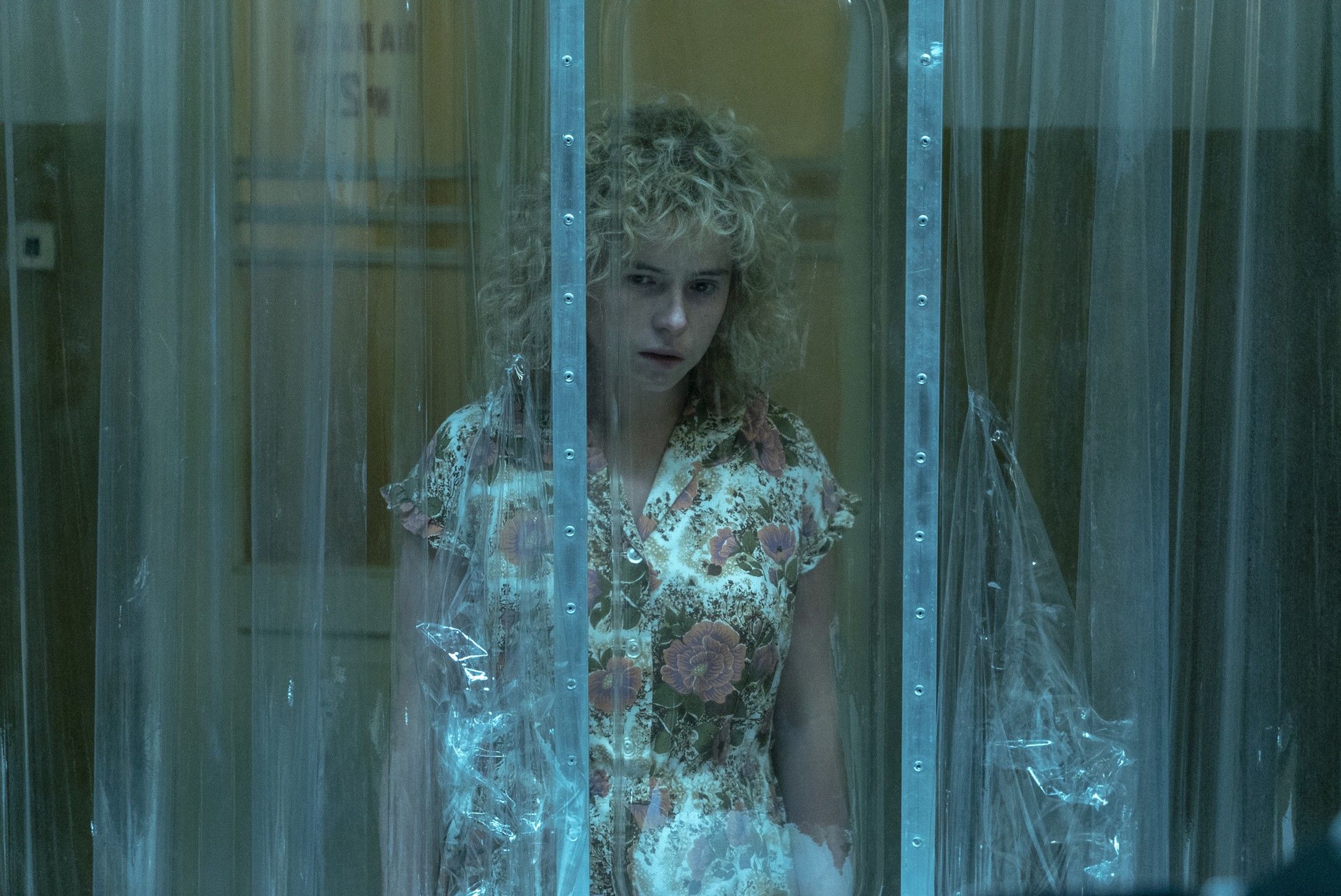
HBO's Chernobyl: When Bureaucracy Is Scarier Than Zombies
We gamers love our post-apocalyptic tales. Whether it's the fungal zombies of The Last of Us, the nuclear wasteland of Fallout, or the relentless shamblers in The Walking Dead, we're drawn to stories of humanity's struggle against overwhelming odds. But what if the scariest apocalypse isn't a fantastical plague or a sudden cataclysm, but a slow-motion disaster born from human hubris and institutional failure? That's the chilling premise of HBO's Chernobyl miniseries, a show so effective it makes you question what truly keeps you up at night.
Originally aired in 2019, this five-episode historical drama was co-showrun by Craig Mazin, the same brilliant mind who would later bring Naughty Dog's The Last of Us to HBO. But before he tackled clickers and cordyceps, Mazin delivered a story of an even more insidious horror: the catastrophic real-world events of the 1986 Chernobyl nuclear disaster. You can stream this intense experience right now on HBO Max.
Beyond the Blast Zone: A Different Kind of Apocalypse
While many shows explore how the world might end, Chernobyl dives deep into how it almost ended – not with a bang, but with a series of devastating, preventable missteps. The series opens not with the explosion, but with a haunting flash-forward: Valery Legasov (played with incredible gravitas by Jared Harris), the lead scientist in the cleanup, secretly recording his account two years later, before ultimately taking his own life. Harris, already a beloved genre actor from The Expanse and Fringe and critically acclaimed for Mad Men and The Crown, truly found his leading man status here, setting the stage for roles like Apple's Foundation.
But before Legasov's heroic efforts, we witness the initial terror. The series premiere throws us into the immediate aftermath of the reactor explosion, showcasing the horrifyingly delayed response from incompetent engineers. Their priority isn't public safety, but minimizing embarrassment for the Soviet Union, leading to communications being cut off in the nearby city of Pripyat to prevent panic. This early sequence is filled with a mundane horror: curious locals gathering to watch the fire, completely unaware of the lethal radiation they are absorbing, or a man casually grabbing a piece of burning rubble, only to be instantly seared. It’s a gut-wrenching depiction of ignorance being far from bliss.
Faces of Failure and Fortitude: Legasov and Shcherbina
The rapid escalation of the threat makes Chernobyl an absolutely propulsive watch. Once Legasov arrives in Pripyat, he's paired with Boris Shcherbina (Stellan Skarsgård), a high-level Soviet bureaucrat whose initial instinct is to protect the party line above all else. Their dynamic is the beating heart of the show; both actors deliver phenomenal performances, conveying the immense strain they're under as they constantly clash with each other and the rigid system around them. Shcherbina, initially a symbol of government leadership preferring to downplay the crisis, quickly grasps the terrifying stakes. In one particularly powerful moment, when Legasov informs him he's already received a lethal dose of radiation just by traveling to the site, Shcherbina accepts his fate with a chilling, almost unbearable stoicism. Their journey from adversaries to allies against an invisible enemy is profoundly compelling.
Unflinching Horror: The Brutal Reality of Radiation
Mazin and director Johan Renck don't shy away from depicting the true, visceral horror of radiation poisoning. Unlike the quick death of a zombie bite, this is a slow, agonizing demise that makes your skin crawl. A scene in a hospital treating acute exposure victims is nightmare fuel, filled with images that promise fates worse than death. Burns are merely the prelude; bodies literally melt from within, a biological breakdown that's deeply unsettling. The scale of the tragedy is masterfully portrayed, such as the unforgettable shot of zinc coffins being lowered into a mass grave, then covered in concrete to contain the radioactive remains. It's a powerful reminder that some monsters are all too real.
Heroism Amidst the Ruins: When Humanity Fights Back
Yet, amidst the grim realities, Chernobyl continually highlights extraordinary acts of heroism. Characters, knowing they are signing their own death warrants, make impossible sacrifices to prevent the catastrophe from spreading further. The cleanup efforts are brutal beyond imagination. Radiation isn't just a killer; it disrupts technology, plunging workers into darkness and short-circuiting robots, forcing humans to manually clear incredibly dangerous, radioactive debris. The dire circumstances are occasionally punctuated by unexpected, dark humor, like a group of miners working naked in suffocating heat, realizing their protective gear is largely useless and at least this way they can avoid overheating. These moments of grim determination and bleak laughter underscore the indomitable, if desperate, human spirit.
Lessons from the Past: Why Chernobyl Still Resonates
Released a year before the COVID-19 pandemic, Chernobyl feels eerily prescient in its examination of how crises aren't spontaneous events. The series meticulously details the unheeded warnings and systemic failures that could have prevented the disaster, and how leaders prioritized finding convenient scapegoats over confronting the true institutional failings responsible. Post-apocalyptic games and shows often rely on speculative fiction, using zombies or nuclear war as metaphors for humanity's worst traits. Chernobyl, however, needs no such distance. It's a historical deep dive into the very real, catastrophic damage wrought by hubris and mismanagement, yet it ultimately finds hope in the incredible willingness of individuals to sacrifice everything to save others.
The Verdict: A Must-Watch Masterclass in Real-World Terror
For anyone who appreciates a powerful narrative, unflinching realism, and a story that sticks with you long after the credits roll, HBO's Chernobyl is essential viewing. It's a masterclass in tension, character development, and historical accuracy, transforming a historical tragedy into a gripping, terrifying drama. It’s a different kind of horror, one that reminds us that sometimes, the most terrifying monsters are the ones we create ourselves, through arrogance and neglect.
FAQ
Q: Where can I stream HBO's Chernobyl?
A: You can stream the entire miniseries on HBO Max.
Q: Is Chernobyl based on a true story?
A: Yes, the miniseries dramatizes the actual events of the 1986 Chernobyl nuclear disaster in the Soviet Union and its aftermath.
Q: How many episodes are in the Chernobyl miniseries?
A: HBO's Chernobyl is a five-episode miniseries.
Related articles

TCG Pocket Responds: A Much-Needed Pace Shift for Pokémon Fans
Pokémon TCG Pocket is rolling out a major update for its second anniversary, primarily addressing player concerns about overwhelming content releases by shifting to a six-week set schedule. This aims to curb player decline and improve overall engagement by giving trainers more time to collect and strategize. The update also adds new collection methods, improved deck-building features, and enhanced trading functionality.

Kojima Compares Divisive New Film 'Digger' to MGS2's Prescient Vision
Gaming icon Hideo Kojima has praised the divisive 2026 film *Digger*, drawing intriguing parallels to his own prophetic game, *Metal Gear Solid 2*. Both works, he explains, uniquely explore the dangers of misinformation and a fragmented digital reality, anxieties he shares with *Digger*'s director, Alejandro González Iñárritu.

Ubisoft Proposes German Studio Workforce Reduction Amidst
Ubisoft is planning a voluntary departure program for about 100 employees across its Düsseldorf, Berlin, and Mainz studios in Germany. This move is part of a larger, ongoing cost-reduction and restructuring effort by the publisher, aiming to better position its studios for future projects.

TGS 2026: These Forward-Looking Cosplays Are Already Living in the
Tokyo Game Show 2026 showcased incredible cosplay, with many fans embodying characters from unreleased games like *Blast Blade* and *Mononoke No Kuni*. This gallery highlights the community's foresight, alongside debut *Palworld* cosplay and refreshed takes on classics. It’s a testament to the passion that brings gaming's future to life.

Beyond the Bugs: Conquering Studio Headaches in Indie Dev
This guide, part three in a series on running an indie studio, tackles the crucial but often overlooked aspect of dealing with non-development related issues. It introduces creating a shared 'studio backlog' for collective problems and using the IDS (Identify, Discuss, Solve) framework to address them constructively. The core message is to build powerful habits that keep studios from getting quietly derailed by lingering challenges.

howto: Four Ways the Fitbit Edge Is Better Than the Charge 6, and Two
Learn the key differences between the Fitbit Edge and Charge 6, including four advantages of the Edge and two areas where it falls short, to help you choose the best fitness tracker for your needs.