
Google Search Time Filters: A Critical Feature Broken
Google Search's time filters, vital for timely information, are globally broken, returning irrelevant dates. A manual `after:YYYY-MM-DD` operator is the only current workaround for this critical functionality flaw.
Quick Verdict
Google Search’s once-indispensable time filters, which allowed users to quickly narrow down results by specific periods like the past hour or year, are currently broken worldwide. This fundamental feature, crucial for finding timely information, now returns an unreliable mix of dates, rendering it effectively useless. While Google has yet to acknowledge the issue, a manual search operator offers a temporary, albeit less convenient, workaround. This is a significant blow to the efficiency of Google Search for many users.
The Breakdown of a Fundamental Feature
For as long as many can remember, Google Search’s time filters have been a cornerstone of effective online research. Options like “Past hour,” “Past 24 hours,” “Past week,” “Past month,” “Past year,” and custom ranges were designed to swiftly surface the freshest content, whether you were tracking breaking news, looking for the latest software updates, or trying to find recent discussions on a topic. These filters were not just a convenience; they were an essential tool, enabling users to cut through outdated information and focus on relevance in an ever-evolving digital landscape.
However, this critical functionality has, for reasons currently unknown, ceased to function as intended. Reports indicate that Google Search’s time filters are now completely broken, failing to return results confined to the specified timeframes. Instead of precise, filtered content, users are presented with a disorganized medley of pages spanning various dates, often including content that is both significantly older and, at times, unexpectedly newer than the selected period. This renders the filters virtually useless for their intended purpose, undermining a core aspect of Google's utility.
Impact on User Experience
The immediate consequence of this breakdown is a noticeable degradation in the Google Search user experience. For individuals and professionals who rely heavily on timely information – journalists, researchers, tech enthusiasts, or anyone troubleshooting a recent issue – the inability to accurately filter by date is a major setback. What was once an intuitive click now leads to frustration, forcing users to manually sift through results, often having to scrutinize publication dates for each entry. This not only adds significant time and effort to searches but also reduces confidence in the accuracy and relevance of the results presented.
The issue’s widespread nature amplifies its impact. It’s not an isolated glitch affecting a small segment of users; the problem has been reproduced across multiple Google accounts, various devices, and diverse search queries globally. This suggests a systemic bug rather than an individual configuration error, indicating a broad and disruptive problem for Google’s vast user base. Furthermore, the bug appears persistent across different browsers, ruling out browser-specific compatibility issues. Reports on platforms like Reddit confirm that this issue has lingered for several days, indicating either a complex problem or a lack of urgent attention from Google.
The Temporary Lifeline: Manual Search Operators
While the integrated time filters are out of commission, a functional workaround remains available for those needing date-specific results. Instead of relying on the broken dropdown menu, users can manually append date operators directly to their search queries. For instance, to find content published after a specific date, one can use the after:YYYY-MM-DD operator (e.g., your search query after:2026-07-01). Similarly, before:YYYY-MM-DD can be used to filter for older content. This method successfully limits results to pages published within the desired timeframe, demonstrating that the underlying search engine's capability is intact, even if the user interface element is flawed.
This workaround, while effective, introduces an additional step and requires users to remember the specific syntax. It's a less convenient solution than the intuitive dropdown menu, highlighting the importance of the original feature for ease of use. According to some community observations, the root of the problem might lie in the JavaScript code responsible for powering the dropdown menu itself, suggesting that the core search logic for date filtering is still operational, but its accessibility through the standard UI has been compromised.
What This Means for Google and Its Users
Google's lack of official acknowledgment regarding this widespread bug is concerning. As a company that prides itself on providing the world's information, a fundamental flaw in its primary search tool's filtering capabilities is a significant oversight. Users expect Google Search to be reliable, efficient, and intuitive. The current state of the time filters directly contradicts these expectations, potentially driving some users to seek alternatives for critical, time-sensitive searches.
For now, the onus is on users to adapt by utilizing the manual search operators. This temporary solution, while functional, underscores the urgency for Google to address and rectify this bug. A swift resolution would not only restore a vital feature but also reassure users of Google's commitment to maintaining the integrity and usability of its flagship product.
Pros and Cons
Pros:
- Workaround Exists: Manual date operators (
after:YYYY-MM-DD,before:YYYY-MM-DD) still allow for date-specific searches.
Cons:
- Core Feature is Broken: Google Search's built-in time filters (Past hour, Past 24 hours, etc.) are completely unreliable.
- Impacts Efficiency: Forces users to spend more time sifting through irrelevant or outdated results.
- Degrades User Experience: A previously intuitive and helpful tool is now a source of frustration.
- Widespread Issue: Affects multiple accounts, devices, browsers, and is reported globally.
- No Official Acknowledgment: Google has not yet addressed the problem, leaving users without an official timeline for a fix.
- Less Convenient Workaround: Manual operators require remembering syntax, adding steps to the search process.
Recommendation
Given the current state of Google Search’s time filters, our recommendation is straightforward: avoid using the built-in time filter dropdowns for any search where timeliness is crucial. Instead, until Google officially fixes this widespread bug, consistently rely on the manual after:YYYY-MM-DD and before:YYYY-MM-DD search operators to ensure you are retrieving results from the desired timeframe. Keep an eye on tech news for updates, as a fix from Google would ideally restore this essential functionality to its former, reliable state.
FAQ
Q: What exactly is broken with Google Search's time filters?
A: The dropdown menu time filters (e.g., Past hour, Past 24 hours, Past year, Custom range) in Google Search are no longer correctly filtering results. Instead of showing content from the selected period, they return a mixed bag of pages from random dates, including both older and newer content that doesn't match the filter.
Q: Is there a way to still search for results by date?
A: Yes, you can use manual search operators. By adding after:YYYY-MM-DD or before:YYYY-MM-DD directly into your search query, you can effectively filter results by date. For example, searching for "new smartphone reviews after:2026-01-01" will show results published after January 1, 2026.
Q: Is this issue limited to certain users or regions?
A: No, the problem appears to be widespread and global. It has been reproduced across multiple Google accounts, various devices, different browsers, and diverse search queries, indicating a potential bug on Google's side rather than an isolated user-specific issue.
Related articles

Apple Unveils iPhone Duo: Pricey Foldable Sees Soaring Demand
Apple has officially entered the foldable smartphone arena with the long-anticipated launch of the iPhone Duo. Priced starting at a hefty $1,999, the device features a 5.4-inch outer display and a larger 7.6-inch inner
Android 17 QPR2 Beta 7.1: The Performance Relief You've Been Waiting
Android 17 QPR2 Beta 7.1: Finally Fixing the QPR1 Performance Woes Verdict: Android 17 QPR2 Beta 7.1 is a crucial and highly anticipated software update for Google Pixel users, specifically targeting and resolving the

DJI Solo Video Setups: Smart Choices for Lone Creators
This review delves into DJI's recommended solo video setups, highlighting the Osmo Pocket 3 Creator Combo as a top pick for its integrated camera, gimbal, and mic. It also covers stabilizers like the Osmo Mobile 8 and RS 4, and the DJI Mic Mini series for enhanced audio, providing honest pros, cons, and clear buying advice.

TCG Pocket Responds: A Much-Needed Pace Shift for Pokémon Fans
Pokémon TCG Pocket is rolling out a major update for its second anniversary, primarily addressing player concerns about overwhelming content releases by shifting to a six-week set schedule. This aims to curb player decline and improve overall engagement by giving trainers more time to collect and strategize. The update also adds new collection methods, improved deck-building features, and enhanced trading functionality.
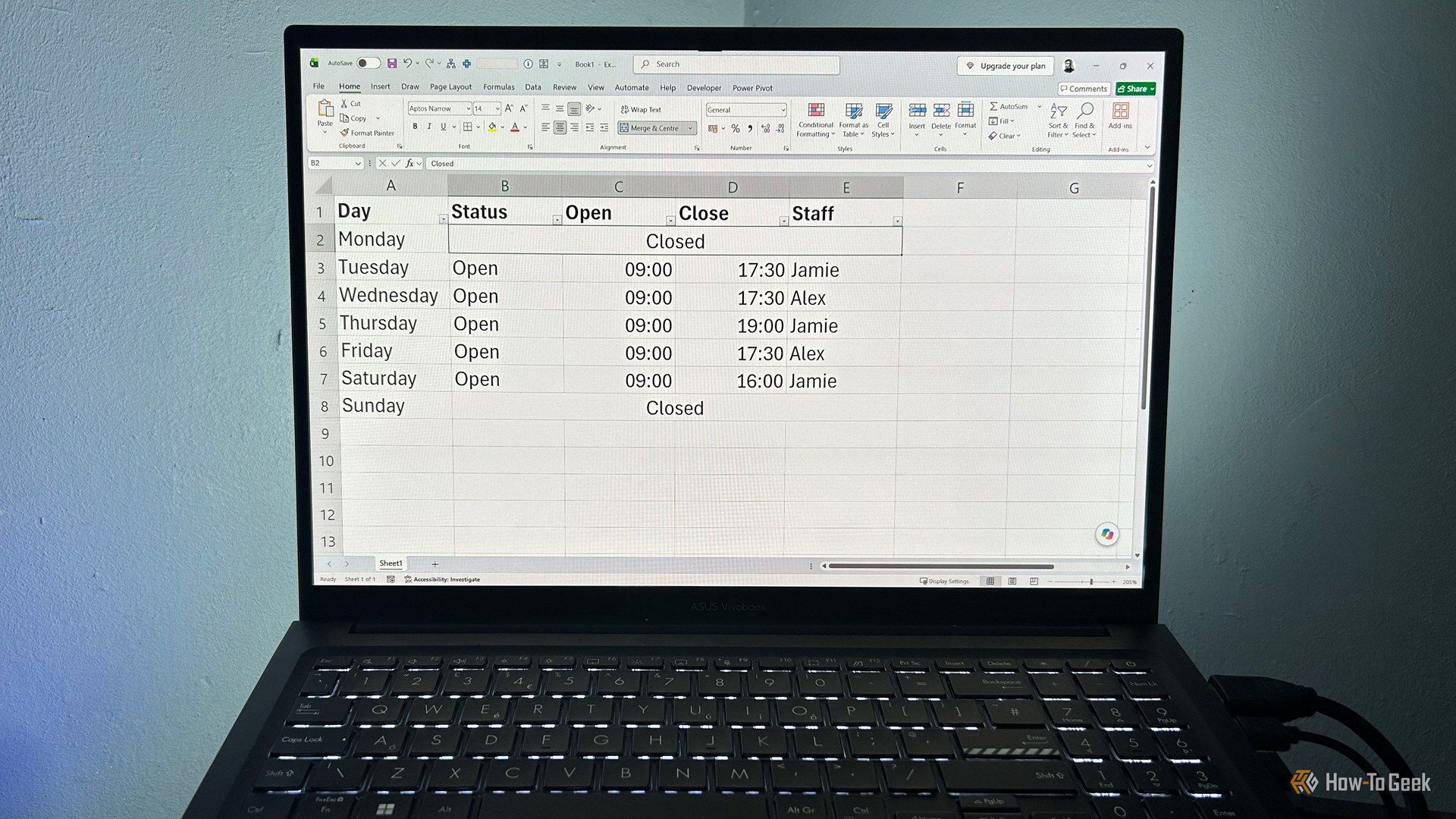
Ditch Merge & Center: The Better Way to Align Text in Excel
Learn to use Excel's "Center Across Selection" to align text across cells without merging, avoiding common data manipulation issues. This guide provides steps to utilize this newly accessible feature and add it to your Quick Access Toolbar.

Ars Technica's Rocket Report: Your Essential Space Industry Briefing
Quick Verdict Ars Technica's Rocket Report, presented by veteran space reporter Stephen Clark, offers an invaluable and meticulously organized weekly (or similar frequency, implied by "Edition 9.15") digest of the most