
Google's Aluminium OS: An Early Look at a Promising, Yet
Quick Verdict Google's heavily leaked Aluminium OS, showcased in a recent 16-minute video, presents a mixed bag of desktop aspirations and Android familiarity. While it introduces welcome features like virtual desktops
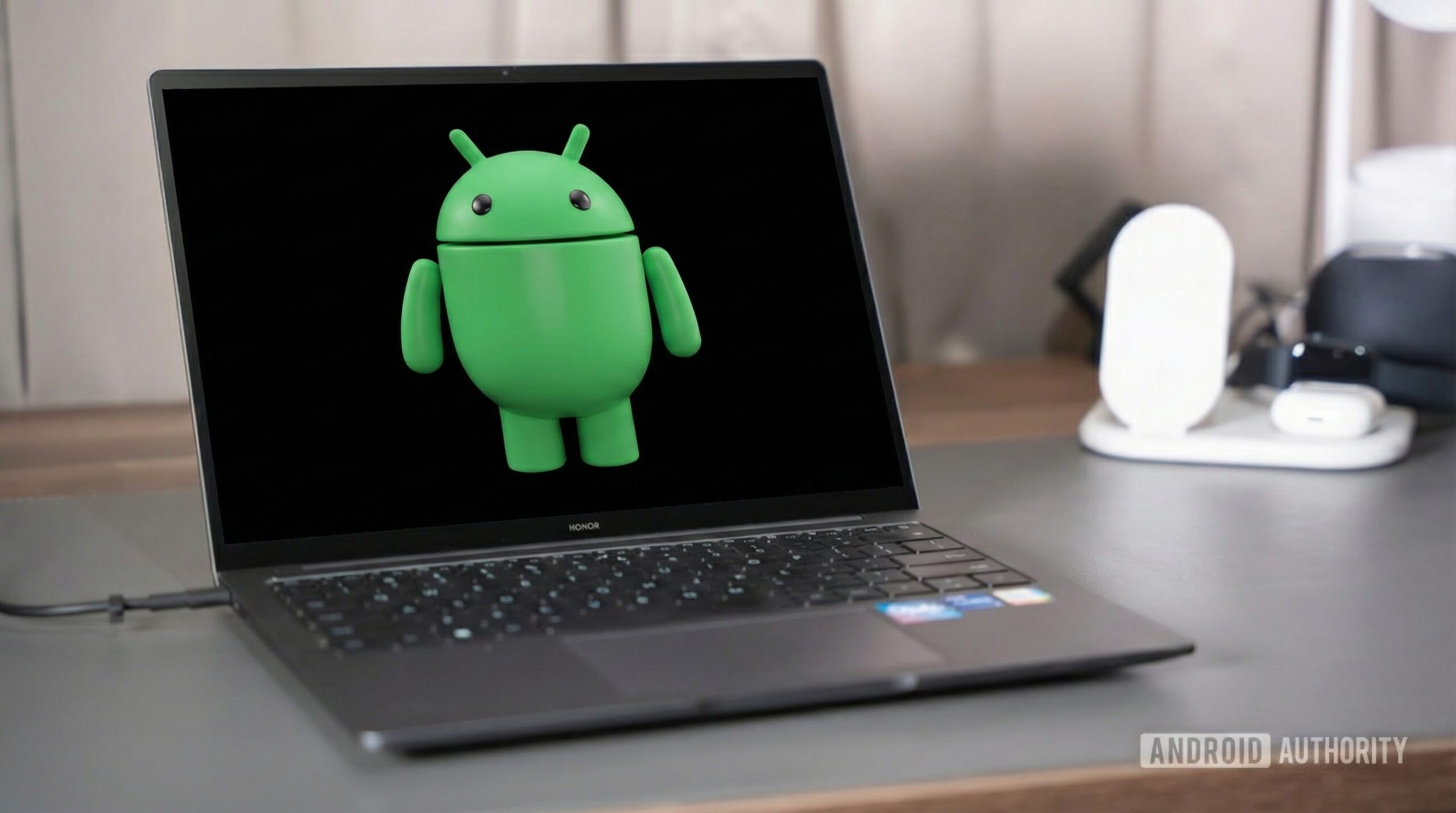
Quick Verdict
Google's heavily leaked Aluminium OS, showcased in a recent 16-minute video, presents a mixed bag of desktop aspirations and Android familiarity. While it introduces welcome features like virtual desktops and even "Link to iOS" integration, the early build feels largely like an Android tablet interface stretched to a larger screen. Many core Google apps appear as web-wrapped versions rather than native desktop experiences, leading to an overall impression of an "upgraded Samsung DeX" rather than a fully-fledged desktop operating system. It shows potential, but in its current form, it's far from a compelling desktop alternative.
Introduction: Google's Desktop Ambitions Take Shape (or Not Yet)
Google is reportedly set to unveil more about its new desktop-oriented operating system, Aluminium OS, at "The Android Show: I/O Edition." However, thanks to a comprehensive leak by "Mystic Leaks," we’ve already been granted an extensive preview, complete with screenshots and a 16-minute hands-on video. This early look, running on a MacBook Pro via the UTM emulator, offers our first detailed glimpse into what Google is cooking up for the desktop, and whether it can truly shake up the existing landscape. The question is: will Aluminium OS forge a new path, or merely polish an old one?
The Desktop Aesthetic: Familiarity Meets Function
Upon booting up Aluminium OS, users are greeted with a setup wizard that will be instantly recognizable to anyone who has configured an Android phone or tablet. This immediate familiarity is both a strength and, as we’ll see, a potential weakness. Once past the initial setup, the home screen presents a clean, if somewhat generic, desktop layout. A prominent app dock resides at the bottom of the screen, housing an app drawer button, along with the ubiquitous Google Search bar. Icons for the Play Store and a folder filled with other Google apps complete the minimalist look.
Navigation largely mirrors its mobile counterparts. Tapping the battery indicator in the status bar slides down a compact, side-oriented Quick Settings panel, similar to what you'd find on a smartphone or tablet. The Notification Panel also appears in a similarly compact, slide-down format when its icon is clicked. Even the lock screen and the main Settings application echo the design language of contemporary Android, making the transition feel seamless for existing Android users, but perhaps too conservative for those expecting a truly fresh desktop experience.
Beyond the Basics: Desktop-Oriented Features
Despite its strong Android roots, Aluminium OS does attempt to cater to a desktop workflow with several key additions. The leak highlights the inclusion of desktop folders, allowing users to organize their files and shortcuts directly on the home screen. A significant enhancement for productivity is the integration of virtual desktops, accessible through the Recents view. This feature enables users to create and manage multiple workspaces, theoretically making it easier to separate tasks or projects and switch between them efficiently. The system also includes an “optimized” Task Manager, suggesting a more robust approach to process management than typically found on standard Android.
Perhaps one of the most intriguing reveals is the presence of a "Link to iOS" application. This indicates Google's ambition to create a cohesive ecosystem that extends beyond Android devices, allowing for a degree of interoperability between Aluminium OS and Apple's mobile platform. This could be a powerful differentiator, potentially bridging a gap that other desktop operating systems have largely ignored.
The Missing Pieces: Where Aluminium OS Falls Short
Here’s where the excitement tempered significantly. The leaker’s observation that Aluminium OS is "essentially plain Android" with a few desktop-experience features rings true. The biggest concern revolves around application compatibility and optimization. Many of the pre-installed Google apps, as shown in the video, are not native desktop applications but rather web versions wrapped in a window. This means they lack the deep integration, performance benefits, and user interface optimizations typically expected from a desktop environment.
The critical feedback describes the current experience as an "upgraded version of Samsung DeX instead of an actual desktop-class OS." This comparison highlights a fundamental limitation: the lack of mouse and keyboard-optimized applications. While the interface adapts to a larger screen and offers desktop-like features, the underlying application layer doesn't seem to follow suit. This can lead to an awkward user experience where apps designed for touch input don't translate well to precision mouse navigation or keyboard shortcuts, ultimately making the system feel less efficient and polished than a dedicated desktop OS.
Future Prospects and Our Take
Given that this is an early, leaked build running in an emulator, it’s crucial to reserve final judgment. Google undoubtedly has more tricks up its sleeve, and the version seen here may not reflect the full scope of their vision. However, based solely on what has been revealed, Aluminium OS feels underdeveloped for a true desktop contender. The promise of virtual desktops and cross-device integration, particularly with iOS, is compelling. Yet, the reliance on web-wrapped apps and the apparent lack of fundamental desktop-level application optimization are significant roadblocks.
For Google to succeed with Aluminium OS, it will need to offer a compelling reason for users to choose it over established desktop operating systems like Windows, macOS, or even its own ChromeOS. That reason will almost certainly need to be a robust, native application ecosystem that fully leverages mouse, keyboard, and larger displays, moving far beyond what currently resembles an "upgraded Samsung DeX."
Pros and Cons
Pros:
- Familiar Android Setup: Easy onboarding for existing Android users.
- Virtual Desktops: Enhanced productivity through organized workspaces.
- Desktop Folders: Standard desktop organization capability.
- Compact UI Elements: Quick Settings and Notification Panel are well-designed for a larger screen.
- "Link to iOS" Integration: Potential for a broader ecosystem play.
- Device Ecosystem Focus: Aims for seamless integration between devices.
Cons:
- "Plain Android" Feel: Lacks distinct desktop identity; feels like an oversized tablet OS.
- Web-Wrapped Apps: Many Google apps are not native, impacting performance and user experience.
- Lack of Mouse/Keyboard Optimization: Apps not fully adapted for traditional desktop input methods.
- "Upgraded Samsung DeX" Level: Does not currently feel like a full desktop-class operating system.
- Underwhelming Overall: Early impressions suggest limited innovation beyond basic Android features.
Buying Recommendation
As a leaked, early-stage operating system, Google's Aluminium OS is not a product you can currently "buy." However, if it were to launch in its current state, our recommendation would be to approach with extreme caution and manage expectations. This build is clearly not ready for prime time as a primary desktop OS. While intriguing for its potential cross-device integration and Android familiarity, its current shortcomings—particularly the lack of native desktop applications and genuine mouse/keyboard optimization—make it a difficult sell for anyone seeking a robust and efficient desktop experience. Wait for Google's official announcement and subsequent releases before considering it a viable option for your computing needs.
FAQ
Q: Is Aluminium OS intended to replace ChromeOS?
A: The leak doesn't explicitly state its relationship to ChromeOS. However, given its strong Android foundation, it appears to be a separate endeavor to bring a more Android-centric desktop experience, potentially targeting different hardware or user bases than the cloud-first ChromeOS.
Q: What kind of apps will run on Aluminium OS?
A: Based on this leak, existing Android applications will likely run, along with web-wrapped versions of Google's services. For Aluminium OS to be successful as a true desktop OS, it will need a significant push for native desktop-optimized applications that go beyond simple resizing.
Q: When can I expect to get my hands on Aluminium OS?
A: Google is holding "The Android Show: I/O Edition" later today where more information about Aluminium OS is expected. However, given this is an early leak, a public release is likely still some time away, especially if Google needs to address the current limitations and optimize the software further.
Related articles

Ars Technica's Rocket Report: Your Essential Space Industry Briefing
Quick Verdict Ars Technica's Rocket Report, presented by veteran space reporter Stephen Clark, offers an invaluable and meticulously organized weekly (or similar frequency, implied by "Edition 9.15") digest of the most
Apple iPhone Duo: A Daring Debut with Notable Compromises
Apple's highly anticipated iPhone Duo, priced at $2,000, has gone on pre-order. While hailed as "Apple's most exciting device in a decade" for its innovative foldable design and immersive display, it comes with significant drawbacks like the absence of FaceID and a premium camera.
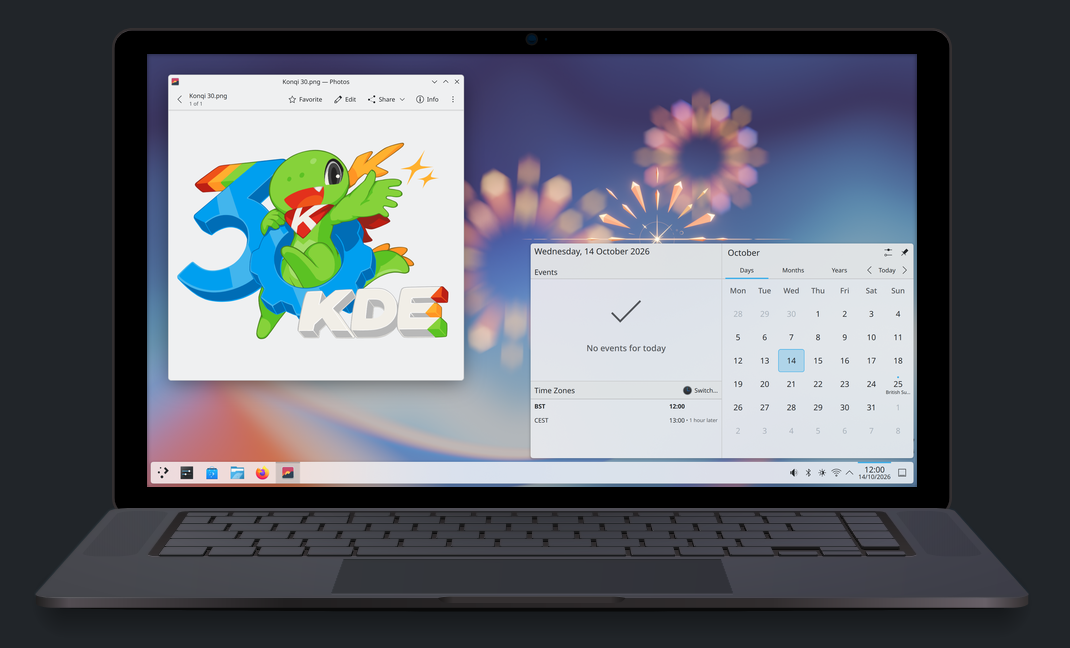
KDE Plasma 6.8: A Future-Focused 30th Anniversary Update
Quick Verdict KDE Plasma 6.8, arriving as the "30th Anniversary Edition," is a pivotal release that decisively pushes the desktop environment into the future. With a definitive farewell to native X11 sessions and a
Galaxy Watch One UI 9 Beta: Promising Progress, But Patience Needed
Galaxy Watch 8, Watch Ultra, and Watch 7 are receiving a new One UI 9 Watch beta build with bug fixes and a security patch. Active development signals progress, but a stable release date remains elusive.

Enterprise AI Beyond Chatbots: A Vision for Actionable Intelligence
Quick Verdict: Redefining Enterprise AI's Potential TechRadar Pro's opinion piece, "What it takes to move enterprise AI beyond the chatbot," delivers a refreshingly honest and vital perspective on the current state and

Prototype Racing 2030: A Unified Future Driven by Software
Prototype racing is heading towards a unified, LMDh-based rule set by 2030, promising greater stability, cost-effectiveness, and a focus on software-driven innovation for OEMs, despite current economic challenges.