
Google Pixel Updates: A Gamble on Your Daily Driver
Google Pixel Updates: A Gamble on Your Daily Driver Verdict: Google's Pixel updates have transformed from a premium perk into a frustrating game of chance. While promising cutting-edge Android experiences, recent
Google Pixel Updates: A Gamble on Your Daily Driver
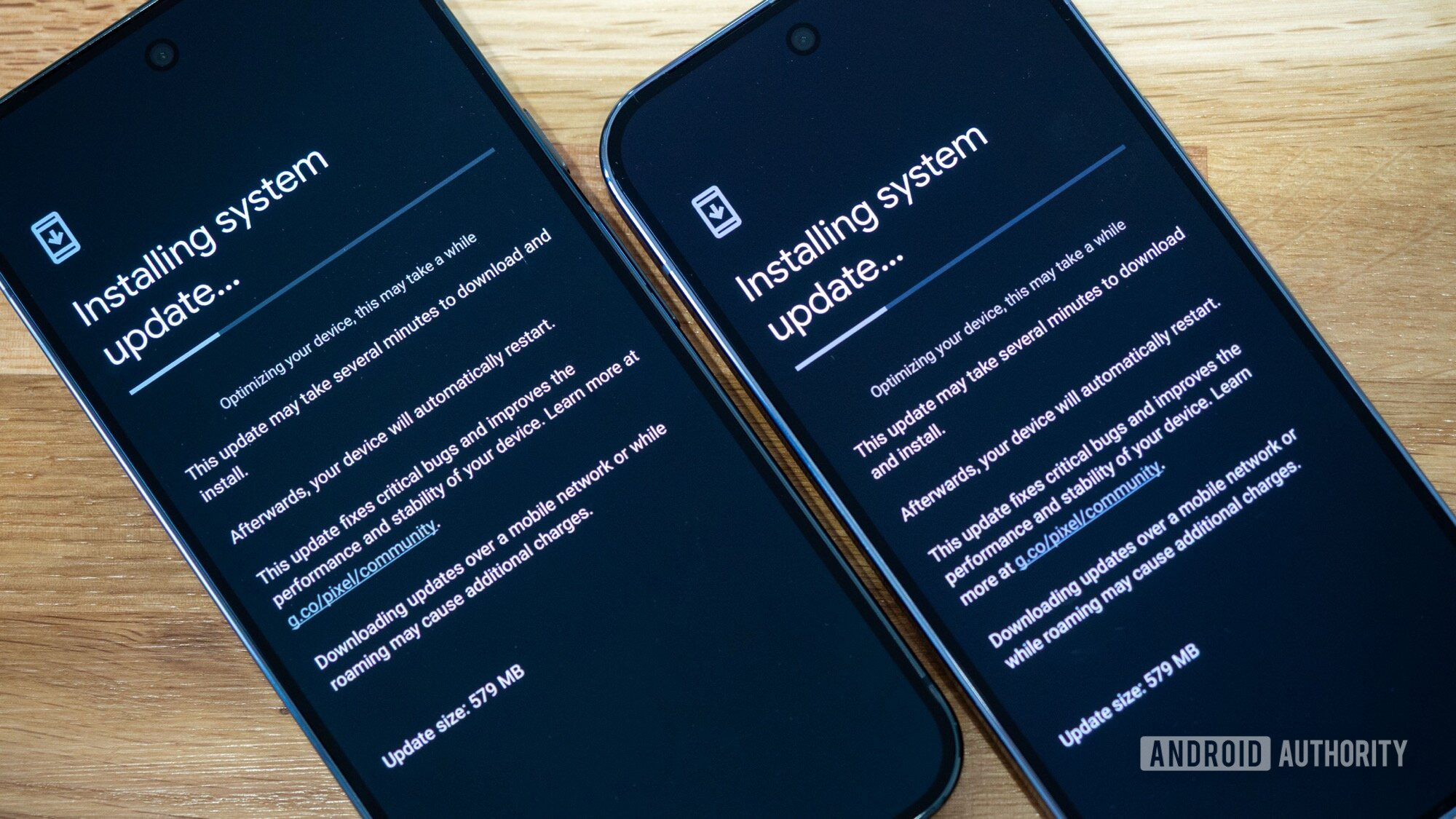
Verdict: Google's Pixel updates have transformed from a premium perk into a frustrating game of chance. While promising cutting-edge Android experiences, recent software releases have instead delivered a cascade of critical bugs, eroding user trust and undermining the very foundation of what a Pixel device is meant to represent. Google needs to pivot from its AI obsession to a relentless focus on stability and quality control, making its users partners, not unwitting beta testers.
For years, Pixel phones were heralded as the definitive Android experience – clean software, timely updates, and early access to the newest features. Users willingly paid a premium for this VIP treatment. However, the narrative has drastically shifted. Recent Pixel updates have become synonymous with widespread, debilitating issues, turning a supposed advantage into a significant liability.
The Erosion of User Experience: A Catalog of Calamities
The most glaring issue with current Pixel phones isn't the hardware, though Tensor chips have had their share of heating complaints and batteries have shown faster-than-average degradation. The real problem lies in the software updates, which are meant to enhance, not hinder. Instead, they've become a constant source of frustration, leaving users to wonder what new defect the next patch will introduce.
Consider the March update, which coincided with Android 16 QPR3. This single update alone unleashed a torrent of problems, including:
- Random reboots: Phones unexpectedly restarting, a persistent issue.
- Glitchy displays: Especially affecting newer Pixel 10 models.
- Sluggish performance: Devices transitioning from snappy to slow.
- GPS malfunctions: Inaccurate location tracking.
- Time zone shifts: Clocks mysteriously changing settings.
And these are just the issues from one major update. Looking back a few months reveals more widespread troubles: unexplained flickers on the Always-on Display, significant delays in notifications, and severe connectivity problems affecting Wi-Fi and mobile data. Most disturbingly, there have been horrifying reports of Pixel owners being unable to dial emergency services, indicating a fundamental failure in a phone's most basic function.
This isn't an isolated incident affecting a single generation or a few devices. The issues span multiple Pixel models, new and old, and stem directly from software updates. These aren't manufacturing defects or signs of wear and tear; they are regressions introduced by Google itself, making the installation of any new update feel like a risky gamble. The sentiment among the community is clear: every Pixel update now carries an unspoken warning, "Install at your own risk."
Google's Misplaced Priorities: AI Over Accountability
This alarming trend points to a systemic problem within Google's Android division: a clear lack of thorough testing and, perhaps, a degree of complacency. While the company's hardware has generally been impressive, the promise of a premium software experience is consistently unmet. This failure has begun to dampen fan enthusiasm, with a significant portion of users indicating a waning love for Pixels due to these persistent bugs.
The core of the problem, it appears, lies in Google's strategic shift. The company is heavily funneling its resources and engineering talent into its ambitious AI dreams, seemingly at the expense of core user experience and quality control. The very March update that introduced so many bugs was heavily centered around new AI features, such as AI-generated icons and Circle to Search improvements. Similarly, Google I/O 2026 was dominated by AI announcements, with Android features receiving minimal attention in a pre-recorded segment.
While advanced AI features like ordering lunch or trying on virtual outfits might be dazzling, their utility is severely diminished if the phone cannot reliably deliver notifications, maintain connectivity, or even make it through a day without issues. Pixel users bought into the ecosystem expecting the best, most reliable Android experience, not to serve as an unpaid beta testing ground for underdeveloped software.
The Samsung Standard: A Path Forward for Google
It doesn't have to be this way. Google's friend-cum-foe, Samsung, offers a compelling counter-narrative. Samsung's TouchWiz interface was once notoriously bloated and laggy, drawing years of justified criticism. However, Samsung made a conscious decision to rectify this with the introduction of One UI. Despite some initial challenges, One UI has evolved into one of the most polished and reliable Android skins on the market. Its updates, while not without occasional outliers, consistently deliver a stable experience across a vast array of devices at different price points, rarely breaking fundamental functionality.
This stark contrast highlights Google's current failing. Pixels, once lauded for their clean and dependable software, are now seeing their reputation stained by instability. Google, with its immense resources and a decade of experience, can no longer claim to be finding its footing. The existence of beta programs and experimental Canary channels for testing features should prevent such widespread issues from reaching the stable release. When the final product still feels unfinished, the entire testing process loses its credibility.
The Call for Accountability
The persistent bugs plaguing Pixel devices are far beyond mere "hiccups"; they represent a systematic issue that demands Google's immediate attention and accountability. The company must prioritize fixing existing problems, even if it means slowing down the pace of new feature rollouts. The loyalty of Pixel users is not limitless.
For many, the Pixel was once the benchmark for Android. Reclaiming that 'gold standard' requires a renewed commitment from Google to quality control and user experience. It remains to be seen whether the upcoming Pixel 11 series will mark a turning point, delivering the dependable Android experience users once cherished.
FAQ
Q: Are Pixel updates consistently buggy, or are these isolated incidents? A: According to reports, the issues are not isolated. They are persistent and have been observed across multiple generations of Pixel devices, impacting basic phone functions and user experience over several recent updates.
Q: What is Google prioritizing over Pixel update stability? A: The source content indicates that Google is heavily investing its resources and engineering efforts into its ambitious AI initiatives, seemingly at the expense of thorough quality control and testing for its core Android and Pixel software updates.
Q: How do Pixel updates compare to other Android manufacturers, such as Samsung? A: The article highlights Samsung as a positive example. While Samsung once faced criticism for its software, its One UI has evolved to deliver a consistent and generally reliable experience across its devices, a stark contrast to the current instability reported with Google Pixel updates.
Related articles

Ditch Merge & Center: The Better Way to Align Text in Excel
Learn to use Excel's "Center Across Selection" to align text across cells without merging, avoiding common data manipulation issues. This guide provides steps to utilize this newly accessible feature and add it to your Quick Access Toolbar.

Ars Technica's Rocket Report: Your Essential Space Industry Briefing
Quick Verdict Ars Technica's Rocket Report, presented by veteran space reporter Stephen Clark, offers an invaluable and meticulously organized weekly (or similar frequency, implied by "Edition 9.15") digest of the most

Apple iPhone Duo: A Daring Debut with Notable Compromises
Apple's highly anticipated iPhone Duo, priced at $2,000, has gone on pre-order. While hailed as "Apple's most exciting device in a decade" for its innovative foldable design and immersive display, it comes with significant drawbacks like the absence of FaceID and a premium camera.

KDE Plasma 6.8: A Future-Focused 30th Anniversary Update
Quick Verdict KDE Plasma 6.8, arriving as the "30th Anniversary Edition," is a pivotal release that decisively pushes the desktop environment into the future. With a definitive farewell to native X11 sessions and a
Galaxy Watch One UI 9 Beta: Promising Progress, But Patience Needed
Galaxy Watch 8, Watch Ultra, and Watch 7 are receiving a new One UI 9 Watch beta build with bug fixes and a security patch. Active development signals progress, but a stable release date remains elusive.

Enterprise AI Beyond Chatbots: A Vision for Actionable Intelligence
Quick Verdict: Redefining Enterprise AI's Potential TechRadar Pro's opinion piece, "What it takes to move enterprise AI beyond the chatbot," delivers a refreshingly honest and vital perspective on the current state and